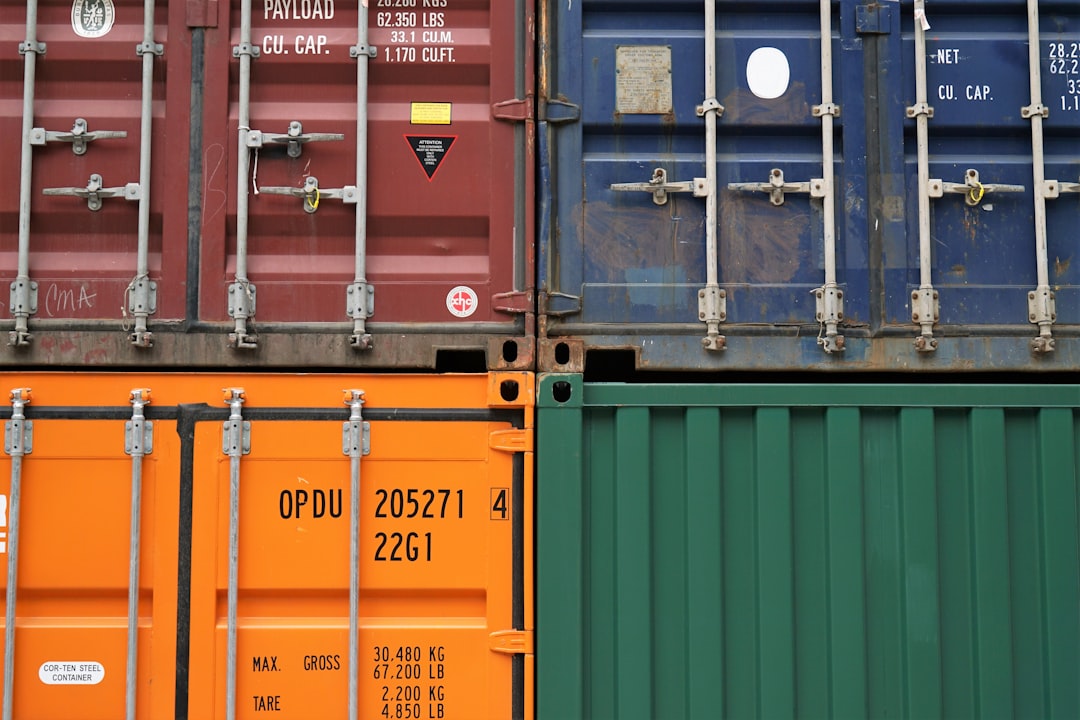
In the automotive industry, the relationship between automakers and suppliers is essential for maintaining efficient operations and meeting production schedules. To protect their interests, automakers have increasingly adopted penalty clauses in supplier contracts. These clauses function as a risk management tool, holding suppliers responsible for late deliveries or component failures.
By establishing specific penalties for non-compliance, automakers work to reduce the impact of supply chain disruptions, which can affect production timelines and financial performance. Penalty clauses have become more common as automakers recognize the critical importance of supply chain reliability. With intensifying global competition and rising consumer demands, automakers depend on suppliers to deliver quality components on schedule.
The consequences of delays are significant, including production stoppages, higher costs, and potential damage to brand reputation. Consequently, penalty clauses have become an important mechanism for automakers to enforce supplier compliance with delivery schedules and quality requirements.
Key Takeaways
- Penalty clauses are contractual tools used by automakers to address and mitigate supply chain delays.
- Supply chain delays significantly impact production schedules, costs, and overall automotive industry performance.
- Different types of penalty clauses, such as liquidated damages and performance bonds, are employed to incentivize timely delivery.
- Negotiating and enforcing penalty clauses involves challenges, including supplier relationships and legal considerations.
- Best practices and case studies highlight the effectiveness of penalty clauses in enhancing supply chain reliability and future industry trends.
Understanding Supply Chain Delays in the Automotive Industry
Supply chain delays in the automotive industry can arise from a multitude of factors, each contributing to the complexity of modern manufacturing processes. One significant cause is the intricate web of global sourcing that characterizes the industry. Automakers often rely on a diverse range of suppliers located across different countries, each with its own set of challenges related to logistics, regulatory compliance, and geopolitical factors.
Disruptions in any part of this network can lead to cascading delays that affect production timelines. Additionally, external factors such as natural disasters, pandemics, and trade disputes can exacerbate supply chain vulnerabilities. For instance, the COVID-19 pandemic highlighted the fragility of global supply chains, as lockdowns and restrictions led to significant disruptions in production and transportation.
Automakers found themselves grappling with shortages of critical components, such as semiconductors, which are essential for modern vehicles. Understanding these complexities is crucial for automakers as they navigate the challenges posed by supply chain delays and seek to implement effective strategies to mitigate their impact. Learn about the environmental impacts of lithium mining in this informative video.
The Impact of Supply Chain Delays on Automakers

The repercussions of supply chain delays extend far beyond mere inconvenience; they can significantly affect an automaker’s bottom line and market position. When production is halted due to a lack of necessary components, the financial implications can be severe. Automakers may face increased operational costs, lost sales opportunities, and potential penalties from dealerships for failing to deliver vehicles on time.
Furthermore, prolonged delays can erode customer trust and loyalty, leading to long-term damage to brand reputation. In addition to financial losses, supply chain delays can disrupt strategic planning and forecasting efforts within automakers. The inability to predict when components will arrive can hinder production schedules and complicate inventory management.
This uncertainty can lead to overstocking or understocking of parts, further exacerbating inefficiencies within the supply chain. As a result, automakers must adopt proactive measures to address these challenges and ensure that their operations remain resilient in the face of potential disruptions.
The Role of Penalty Clauses in Mitigating Supply Chain Delays
Penalty clauses play a pivotal role in helping automakers manage the risks associated with supply chain delays. By incorporating these clauses into contracts with suppliers, automakers establish clear expectations regarding delivery timelines and quality standards. In doing so, they create a framework for accountability that incentivizes suppliers to prioritize timely performance.
The threat of financial penalties serves as a powerful motivator for suppliers to adhere to their commitments and avoid delays. Moreover, penalty clauses can foster stronger collaboration between automakers and their suppliers. When both parties understand the consequences of non-compliance, they are more likely to engage in open communication and problem-solving efforts.
This collaborative approach can lead to improved forecasting, better inventory management, and enhanced overall supply chain performance. Ultimately, penalty clauses not only protect automakers’ interests but also contribute to building more resilient supply chains capable of withstanding disruptions.
Types of Penalty Clauses Used by Automakers
| Automaker | Delay Duration | Penalty Clause Type | Penalty Rate | Trigger Condition | Remarks |
|---|---|---|---|---|---|
| Automaker A | 1-7 days | Fixed daily penalty | 0.5% of order value per day | Delay in delivery of parts | Caps at 10% of order value |
| Automaker B | 8-14 days | Escalating penalty | 1% of order value per day | Delay exceeding 7 days | Includes supply chain disruptions |
| Automaker C | 15+ days | Contract termination option | Penalty plus damages | Delay beyond 14 days | Supplier liable for additional costs |
| Automaker D | Any delay | Liquidated damages | 0.75% of order value per day | Failure to meet delivery schedule | Applies to critical components only |
| Automaker E | 3-10 days | Penalty waiver clause | Varies based on cause | Force majeure events | Penalties waived for natural disasters |
Automakers employ various types of penalty clauses in their contracts with suppliers, each designed to address specific risks associated with supply chain delays. One common type is the liquidated damages clause, which stipulates a predetermined amount that a supplier must pay for each day or week that deliveries are late. This approach provides automakers with a clear financial recourse in the event of delays while also encouraging suppliers to meet their deadlines.
Another type of penalty clause is the performance bond requirement, where suppliers must secure a bond that guarantees their performance under the contract. If a supplier fails to deliver on time or meets quality standards, the automaker can claim against the bond as compensation for losses incurred due to non-compliance. Additionally, some contracts may include tiered penalties that escalate based on the severity or frequency of delays, further incentivizing suppliers to maintain consistent performance.
Negotiating Penalty Clauses with Suppliers

Negotiating penalty clauses with suppliers requires careful consideration and strategic planning on the part of automakers. It is essential for automakers to strike a balance between protecting their interests and maintaining positive relationships with suppliers. An overly punitive approach may deter potential partners or strain existing relationships, while a lenient stance may leave automakers vulnerable to disruptions.
During negotiations, automakers should clearly communicate their expectations regarding delivery timelines and quality standards while also being open to feedback from suppliers. Understanding the challenges that suppliers face can lead to more realistic and mutually beneficial agreements. Additionally, automakers may consider incorporating flexibility into penalty clauses by allowing for exceptions in cases of force majeure or unforeseen circumstances that could impact a supplier’s ability to meet deadlines.
Enforcing Penalty Clauses: Challenges and Considerations
While penalty clauses serve as an important tool for managing supply chain risks, enforcing them can present challenges for automakers. One significant hurdle is the need for accurate documentation and evidence of non-compliance. Automakers must maintain thorough records of delivery schedules, quality assessments, and any communications with suppliers regarding delays.
Without proper documentation, enforcing penalty clauses may become difficult or even impossible. Furthermore, legal considerations play a crucial role in enforcing penalty clauses. Automakers must ensure that their contracts comply with relevant laws and regulations governing commercial agreements.
In some jurisdictions, courts may scrutinize penalty clauses for fairness and reasonableness, potentially limiting an automaker’s ability to enforce them fully. As such, automakers should seek legal counsel during contract negotiations to ensure that their penalty clauses are enforceable and aligned with applicable laws.
The Effectiveness of Penalty Clauses in Improving Supply Chain Performance
The effectiveness of penalty clauses in enhancing supply chain performance has been a subject of debate among industry experts. Proponents argue that these clauses create a sense of urgency among suppliers, leading to improved adherence to delivery schedules and quality standards. By establishing clear consequences for non-compliance, automakers can foster a culture of accountability that ultimately benefits both parties.
In some cases, suppliers may prioritize meeting deadlines at the expense of quality, leading to subpar components that could harm an automaker’s reputation in the long run. Additionally, an overreliance on punitive measures may stifle collaboration and innovation within the supply chain.
As such, automakers must carefully evaluate the potential benefits and drawbacks of penalty clauses while considering alternative approaches to fostering supplier performance.
Case Studies: Automakers and Penalty Clauses
Several case studies illustrate how automakers have successfully implemented penalty clauses to manage supply chain risks effectively. For instance, a major automotive manufacturer faced significant delays from a key supplier due to unforeseen production issues. By invoking a liquidated damages clause in their contract, the automaker was able to recover some of its losses while simultaneously encouraging the supplier to expedite its operations.
In another example, an electric vehicle manufacturer incorporated performance bonds into its contracts with battery suppliers. This approach not only provided financial security but also incentivized suppliers to invest in improving their production capabilities. As a result, both parties benefited from enhanced collaboration and improved supply chain performance.
Best Practices for Implementing Penalty Clauses in Supply Chain Agreements
To maximize the effectiveness of penalty clauses in supply chain agreements, automakers should adhere to several best practices.
This transparency helps prevent misunderstandings and sets a solid foundation for accountability.
Additionally, automakers should regularly review and update their contracts to reflect changing market conditions and supplier capabilities. Flexibility is key; incorporating provisions that allow for renegotiation or adjustment of penalty clauses based on evolving circumstances can foster stronger relationships with suppliers while still protecting automakers’ interests.
The Future of Penalty Clauses in the Automotive Industry
As the automotive industry continues to evolve in response to technological advancements and shifting consumer demands, the role of penalty clauses is likely to adapt as well. With increasing emphasis on sustainability and ethical sourcing practices, automakers may need to consider how penalty clauses align with broader corporate social responsibility goals. Striking a balance between accountability and collaboration will be essential as automakers navigate an increasingly complex landscape.
Moreover, advancements in technology may offer new opportunities for automakers to enhance supply chain visibility and communication with suppliers. Real-time data sharing could enable more proactive management of potential delays, reducing reliance on punitive measures while fostering stronger partnerships within the supply chain. Ultimately, the future of penalty clauses will depend on how effectively automakers can integrate these tools into their broader supply chain strategies while remaining responsive to changing market dynamics.
Supply chain delays have become a significant concern for automakers, leading many companies to implement penalty clauses in their contracts to mitigate risks. For a deeper understanding of how these clauses are shaping the automotive industry, you can read more in this related article: Supply Chain Delay Penalties in the Automotive Sector. This article explores the implications of such penalties and how they are influencing supplier relationships and production timelines.
WATCH THIS! 🌍 “THE WATER IS GONE: Inside the Desert Killing the EV Revolution
FAQs
What are supply chain delays in the automotive industry?
Supply chain delays in the automotive industry refer to disruptions or slowdowns in the procurement, production, or delivery of parts and materials needed to manufacture vehicles. These delays can be caused by factors such as shortages of raw materials, transportation issues, or supplier problems.
What are penalty clauses in automaker contracts?
Penalty clauses are contractual provisions that impose financial or other penalties on suppliers or partners if they fail to meet agreed-upon delivery schedules, quality standards, or other obligations. In the context of automakers, these clauses are used to mitigate risks associated with supply chain delays.
Why do automakers include penalty clauses related to supply chain delays?
Automakers include penalty clauses to incentivize suppliers to adhere to delivery timelines and maintain production schedules. These clauses help protect automakers from financial losses and operational disruptions caused by delayed parts or components.
How do supply chain delays impact automakers?
Supply chain delays can lead to production stoppages, increased costs, missed market opportunities, and reduced customer satisfaction. Delays may also affect the automaker’s ability to meet sales targets and contractual commitments.
Can suppliers negotiate penalty clauses with automakers?
Yes, suppliers can negotiate the terms of penalty clauses during contract discussions. Negotiations may focus on the scope, severity, and conditions under which penalties apply, aiming to balance risk and responsibility between both parties.
What are common causes of supply chain delays affecting automakers?
Common causes include shortages of semiconductor chips, raw material scarcity, transportation bottlenecks, labor shortages, geopolitical issues, and natural disasters.
How do automakers manage risks associated with supply chain delays?
Automakers manage risks by diversifying suppliers, maintaining safety stock, investing in supply chain visibility technologies, and including penalty clauses in contracts to encourage timely deliveries.
Are penalty clauses always enforceable in supply chain contracts?
Enforceability depends on the jurisdiction, contract terms, and whether the penalty is considered reasonable and not punitive. Legal advice is often sought to draft enforceable penalty clauses.
What alternatives exist to penalty clauses for managing supply chain delays?
Alternatives include incentive clauses for early or on-time delivery, collaborative planning with suppliers, flexible contract terms, and joint risk-sharing agreements.
How have recent global events affected supply chain delays in the automotive sector?
Events such as the COVID-19 pandemic, trade tensions, and natural disasters have exacerbated supply chain disruptions, leading to increased delays and prompting automakers to revisit penalty clauses and supply chain strategies.