
The Astrakhan Port Delta occupies a significant nexus of geopolitical currents, its strategic location at the confluence of the Volga River and the Caspian Sea making it a critical gateway for trade, a linchpin in regional security arrangements, and a focal point for historical and contemporary power plays. Understanding the Astrakhan Port Delta’s geopolitical dynamics requires a granular examination of its economic functions, its role in transportation and connectivity, its inherent security implications, its environmental vulnerabilities, and its place within the broader framework of international relations in the Caspian basin and beyond. This deep dive will unpack the multifaceted nature of this vital maritime and riverine hub.
The Astrakhan Port Delta is not merely a collection of docks and cranes; it is a pivotal node in the vast network of waterways that crisscross Eurasia. Its primary economic function is as the terminus of the Volga-Caspian Sea Route (VCSR), a critical artery for inland navigation that connects the landlocked heart of Russia to the world’s oceans via the Caspian Sea and the Volga-Don Canal. This route, historically vital, has seen renewed strategic importance in the 21st century.
Inland Waterways and International Trade
The VCSR offers a cost-effective alternative to rail and road transport for bulk cargo. The Astrakhan Port Delta serves as the primary transshipment point for goods moving between Russian riverine vessels and Caspian Sea-going ships, and vice versa. This includes a wide array of commodities, from grain and timber originating in Russia’s interior to oil and gas products, petrochemicals, and manufactured goods destined for markets in Iran, Azerbaijan, Kazakhstan, and Turkmenistan. The efficiency of this exchange is directly tied to the port’s operational capacity and its ability to integrate with other modes of transportation.
The Role of the Port in Russia’s Logistics Network
For Russia, the Astrakhan Port Delta acts as a crucial gateway to southern markets and a vital component of its national logistics strategy. It facilitates the movement of goods within the Russian Federation, connecting its vast eastern territories to its European part and its southern neighbors. The port’s development is thus intrinsically linked to Russia’s broader economic ambitions and its desire to enhance its Eurasian connectivity. The infrastructure at Astrakhan, including its terminals, storage facilities, and dredging capabilities, directly impacts the volume and speed of trade, influencing the competitiveness of Russian exports.
Intermodal Connectivity Challenges and Opportunities
The true geopolitical leverage of the Astrakhan Port Delta lies not only in its maritime access but also in its potential for intermodal connectivity. The integration of the port with the adjacent railway network and road infrastructure is paramount. Challenges remain in optimizing this integration, with bottlenecks in land-based transportation sometimes hindering the seamless flow of goods. However, opportunities exist to further develop these land links, thereby amplifying the port’s reach and its economic impact, transforming it into a true multimodal hub.
The geopolitics of the Astrakhan port delta is a fascinating subject that highlights the strategic importance of this region in the context of trade and international relations. For a deeper understanding of the dynamics at play, you can explore a related article that discusses the historical significance and current developments surrounding the Astrakhan port. This article provides valuable insights into how the delta’s geographical position influences regional power struggles and economic opportunities. To read more, visit this link.
The Caspian Sea: A Contested Maritime Chessboard
The Caspian Sea, the world’s largest inland body of water, is a region characterized by its immense energy reserves and its complex geopolitical landscape. The Astrakhan Port Delta, situated on its northern edge, is inextricably linked to the dynamics of this unique maritime environment, acting as a de facto outpost for Russian influence and a crucial point for managing regional maritime activities.
Energy Resources and Transit Routes
The Caspian Sea is a treasure trove of oil and natural gas. While the bulk of these resources are extracted in the southern and central Caspian, their transit and export routes are a subject of intense geopolitical maneuvering. The Astrakhan Port Delta plays a role in the logistical support for these energy operations, and more importantly, it is a key port of call for vessels involved in the transport of oil and gas products within the Caspian, even if major export pipelines bypass it. The development of regional energy infrastructure, such as offshore platforms and subsea pipelines, has ripple effects that extend to the operational requirements and potential expansion of Astrakhan’s port facilities.
Regional Cooperation and Competition Among Caspian States
The five littoral states of the Caspian Sea – Russia, Kazakhstan, Turkmenistan, Iran, and Azerbaijan – have historically engaged in a delicate dance of cooperation and competition. The legal status of the Caspian Sea, settled in 2018 after decades of negotiation, provides a framework for maritime cooperation, but underlying tensions and differing strategic interests persist. The Astrakhan Port Delta serves as a physical manifestation of Russia’s engagement in this regional framework, a place where trade agreements are facilitated and where maritime security dialogues may take root. The port’s operations are influenced by the collective actions and individual policies of these states, from fishing quotas to navigational rights.
Navigational Rights and Access to Open Seas
For landlocked states in Central Asia, access to the Caspian Sea, and by extension to global trade routes, is a vital economic lifeline. While the Astrakhan Port Delta provides a crucial link for Russian internal waterways, the broader issue of access to open seas for Caspian states is a geopolitical consideration that indirectly affects the port’s importance. Russia’s control over the northern Caspian and its strategic location on the Volga-Don Canal means it holds significant influence over the transit of goods from the landlocked region.
Security and Defense: The Northern Gate of the Caspian
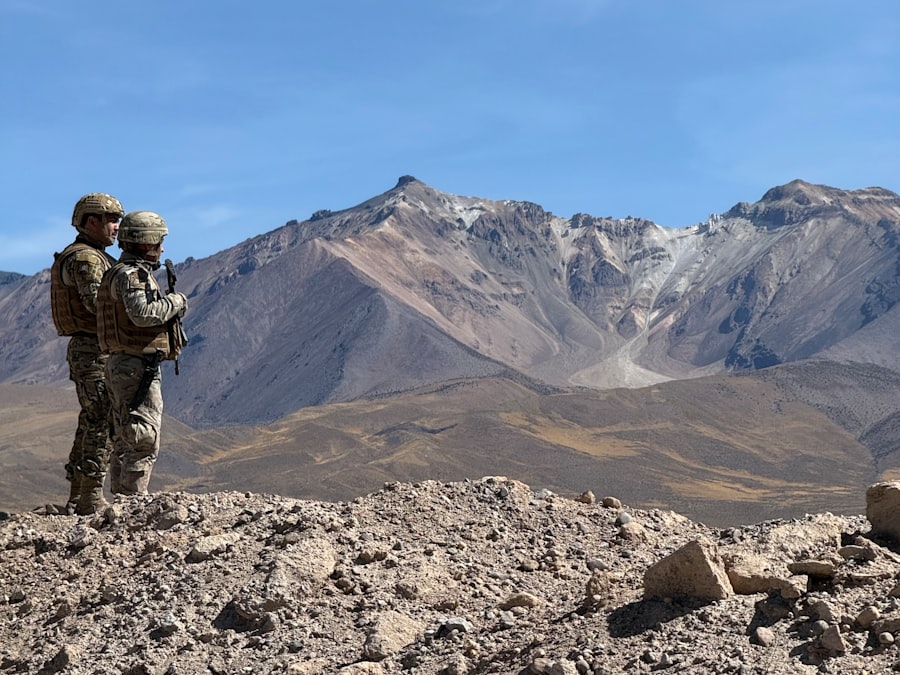
Beyond its economic functions, the Astrakhan Port Delta is a significant component of Russia’s security architecture in the Caspian region. Its strategic location lends itself to military as well as commercial operations, making it a site where geopolitical interests intersect with defense concerns.
The Russian Naval Presence in the Caspian
The Astrakhan Port Delta is home to a significant base for the Caspian Flotilla of the Russian Navy. This naval presence serves multiple purposes: projecting Russian power, deterring potential adversaries, and ensuring the security of Russian maritime interests within the Caspian. The presence of naval vessels, repair facilities, and associated infrastructure at Astrakhan underscores its dual-use nature and its importance for Russia’s regional defense strategy. This naval strength acts as a silent guardian over the port’s commercial activities and the broader Caspian Sea.
Border Security and Anti-Terrorism Efforts
The Caspian Sea is not immune to transnational threats, including smuggling, illegal fishing, and the potential for terrorism. The Astrakhan Port Delta, as a major point of entry and exit, plays a role in Russia’s efforts to maintain border security and counter these threats. Joint operations and intelligence sharing between Russia and other Caspian states, often facilitated through port-level cooperation, are crucial in addressing these security challenges. The port’s infrastructure can be adapted to support surveillance and interdiction operations, making it a valuable asset in the fight against illicit activities.
Geopolitical Implications of Military Infrastructure
The development and modernization of military infrastructure at the Astrakhan Port Delta have clear geopolitical implications. It signals Russia’s commitment to maintaining a strong presence in the Caspian, influencing the strategic calculus of other regional actors. The deployment of advanced naval assets or the expansion of port facilities for military use can be seen as a statement of intent, shaping regional security dynamics and potentially prompting counter-developments from neighboring states.
Environmental Vulnerabilities and Sustainable Development

The Astrakhan Port Delta, like many major port cities, faces significant environmental challenges. The delicate ecosystem of the Volga Delta and the Caspian Sea is susceptible to the impacts of industrial activity and shipping, creating a nexus where economic development must contend with ecological preservation.
Impact of Industrial Activity and Shipping on the Volga Delta
The intensive industrial and agricultural activities in the Volga basin, coupled with the constant passage of vessels through the delta, can have detrimental effects on the local environment. Pollution from oil spills, industrial discharge, and ballast water can degrade water quality, harm biodiversity, and impact the livelihoods of communities dependent on the delta’s resources. The Astrakhan Port Delta, as a hub of these activities, bears a direct responsibility for mitigating these impacts.
Caspian Sea Level Fluctuations and Their Effects
The Caspian Sea is known for its significant natural fluctuations in water level, driven by complex hydrological and climatic factors. These fluctuations can dramatically affect the navigability of the Volga-Caspian Sea Route and the operational capacity of the Astrakhan Port Delta. Periods of low water can necessitate extensive dredging to maintain depths, while periods of higher water can alter shorelines and impact port infrastructure. These natural cycles add another layer of complexity to the port’s management and its long-term strategic planning.
Efforts Towards Sustainable Port Operations
Recognizing these environmental vulnerabilities, there are ongoing efforts to promote more sustainable port operations at Astrakhan. This includes adopting stricter environmental regulations for shipping, investing in advanced waste management systems, and implementing measures to reduce emissions. The pursuit of sustainable development is not only an ecological imperative but also a geopolitical necessity, as environmental stewardship can enhance a port’s reputation and attract responsible investment. The delta’s unique biodiversity, including its sturgeon populations, represents a natural heritage that requires careful protection from the footprint of maritime commerce.
The geopolitics of the Astrakhan port delta plays a crucial role in shaping regional dynamics, particularly in relation to trade and security in the Caspian Sea region. A recent article explores the strategic importance of this delta and its implications for neighboring countries, highlighting how control over this area can influence economic and political relationships. For a deeper understanding of these complexities, you can read more in this insightful piece on geopolitical strategies that examines the multifaceted interactions surrounding the Astrakhan port delta.
The Astrakhan Port Delta in the Global Geopolitical Arena
| Metric | Value | Details |
|---|---|---|
| Location | Astrakhan Port Delta, Caspian Sea | Strategic position at the Volga River delta, connecting Russia to Central Asia and the Caspian region |
| Annual Cargo Throughput | Approximately 5 million tons | Includes oil, gas, grain, and general cargo |
| Key Geopolitical Stakeholders | Russia, Kazakhstan, Iran, Turkmenistan | Countries with interests in Caspian Sea resources and transport routes |
| Strategic Importance | High | Gateway for energy exports and trade between Europe and Asia |
| Environmental Concerns | Moderate to High | Delta ecosystem sensitive to industrial and shipping activities |
| Infrastructure Development | Ongoing | Modernization of port facilities to increase capacity and efficiency |
| Security Issues | Moderate | Maritime border disputes and protection of energy transit routes |
| Economic Impact | Significant | Supports regional economies and international trade flows |
While the immediate focus often lies on regional dynamics, the Astrakhan Port Delta’s geopolitical significance extends to the global stage. Its role as a transit point for goods and energy, and its connection to wider transportation networks, positions it within broader global trade flows and geopolitical competition.
The “North-South” International Transport Corridor
The Astrakhan Port Delta is a critical component of the emerging “North-South” International Transport Corridor (INSTC), a multimodal network designed to connect Northern Europe to Southeast Asia via Iran. This corridor offers an alternative to the Suez Canal, potentially shortening transit times and reducing costs for East-West trade. Russia, with Astrakhan at its northern terminus, is a key facilitator of this ambitious project, envisioning a more integrated and efficient Eurasian trade system. The success of the INSTC will undoubtedly elevate the strategic importance of Astrakhan.
China’s Belt and Road Initiative and Caspian Connectivity
China’s ambitious Belt and Road Initiative (BRI) seeks to foster greater connectivity and economic integration across Eurasia. While direct BRI routes may not always traverse the Astrakhan Port Delta, its role within the broader Eurasian logistics network makes it a potential beneficiary of BRI-related infrastructure development in Central Asia and Russia. Enhanced rail and road links facilitating access to Astrakhan could serve as feeder routes for BRI trade flows, further solidifying its position as a gateway.
The Geopolitics of Infrastructure Development
The continuous development and modernization of port infrastructure at Astrakhan are not merely technical undertakings; they are inherently geopolitical statements. Investments in expanding capacity, upgrading facilities, and improving logistical efficiency signal Russia’s intent to remain a significant player in Eurasian trade and transit. These developments are keenly observed by other powers, influencing their own strategic calculations and their engagement with the region. The port becomes a physical manifestation of evolving geopolitical aspirations.
The Astrakhan Port Delta stands as a testament to the intricate interplay of geography, economics, security, and environmental considerations that define modern geopolitics. Its evolving role as a critical transportation hub, a strategic naval base, and a vital node in international trade corridors ensures its continued relevance in the ever-shifting landscape of regional and global power dynamics.
FAQs
What is the strategic importance of the Astrakhan port delta?
The Astrakhan port delta is strategically important due to its location near the Caspian Sea, serving as a key hub for maritime trade, energy transportation, and regional connectivity between Russia and neighboring countries.
Which countries are most affected by the geopolitics of the Astrakhan port delta?
Countries bordering the Caspian Sea, including Russia, Kazakhstan, Turkmenistan, Iran, and Azerbaijan, are most affected by the geopolitics of the Astrakhan port delta due to shared economic interests and territorial considerations.
How does the Astrakhan port delta influence energy transportation in the region?
The Astrakhan port delta plays a crucial role in the transportation of oil and natural gas from the Caspian region to global markets, acting as a transit point for pipelines and shipping routes that facilitate energy exports.
What are the environmental concerns related to the Astrakhan port delta?
Environmental concerns include the impact of industrial activities and shipping on the delicate delta ecosystem, potential pollution of the Caspian Sea, and the effects of climate change on water levels and biodiversity in the region.
How does the governance of the Caspian Sea affect the Astrakhan port delta?
Governance of the Caspian Sea, including agreements on territorial waters and resource exploitation among littoral states, directly affects the management, security, and development of the Astrakhan port delta, influencing its geopolitical dynamics.