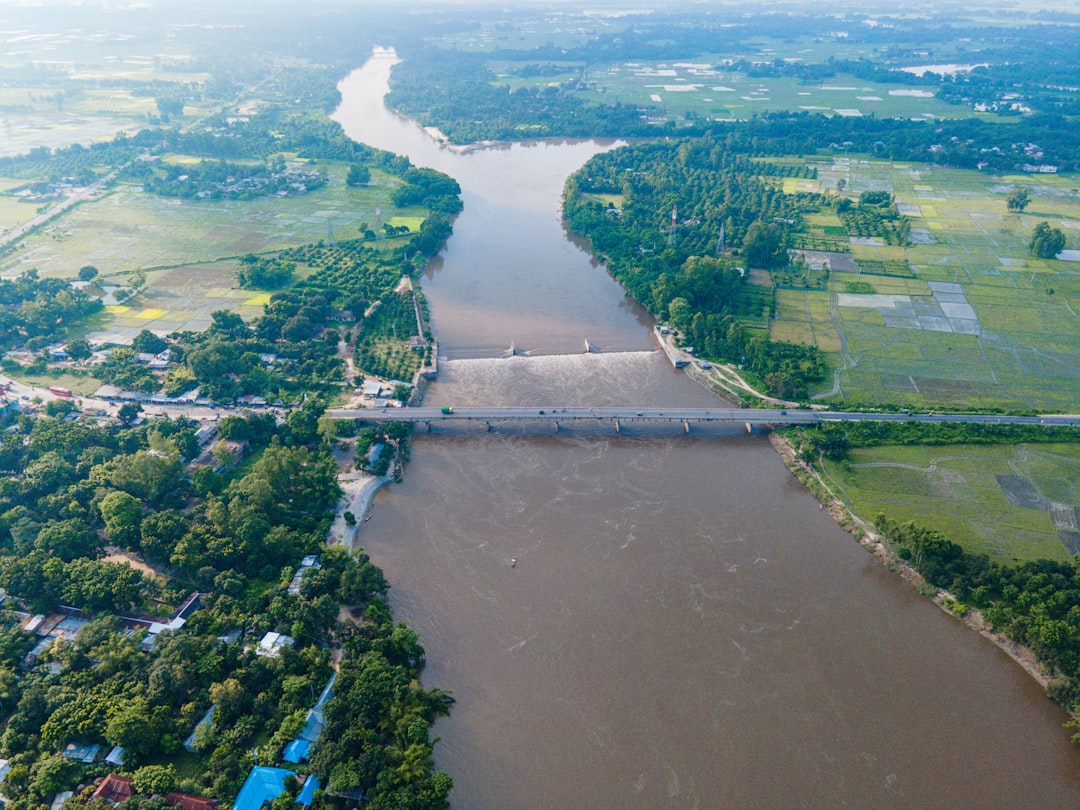
Assessing the Risk of Old River Control Structure Collapse
The aging of critical infrastructure is a pervasive challenge in modern society. Among these vital, yet often overlooked, components are old river control structures. These dams, levees, and gates, built decades or even a century ago, have served their original purposes – flood mitigation, irrigation, navigation, and hydropower generation – but time, environmental pressures, and evolving scientific understanding necessitate a rigorous assessment of their continued viability and the potential risks associated with their failure. The collapse of such a structure is not merely a local inconvenience; it can unleash catastrophic consequences downstream, impacting lives, economies, and ecosystems for generations. Therefore, understanding and quantifying the risk of old river control structure collapse is a paramount concern for engineers, policymakers, and the public alike.
River control structures are engineered barriers designed to manipulate the flow of water within a river system. Their design and construction reflect the technological capabilities and knowledge of their era, as well as the specific hydrological and geological conditions of their location.
Historical Context and Evolution
Early Construction Techniques
The earliest river control structures were often massive feats of manual labor, relying on techniques such as stone masonry, earth embankments, and timber framing. The principles of hydraulics were understood, but the precision of materials science and load calculations differed significantly from modern standards. These structures were built with the best available knowledge, but often with a less comprehensive understanding of long-term material degradation and the dynamic nature of river systems under changing climatic conditions.
Material Science and Durability
The materials used in older structures, such as concrete, steel, and earth, have inherent lifespans and are subject to various forms of deterioration. Concrete can be susceptible to freeze-thaw cycles, alkali-aggregate reaction, and rebar corrosion. Steel components can rust and weaken. Earthen structures can be compromised by seepage, erosion, and internal instability. The rate of this deterioration is influenced by factors such as water chemistry, temperature fluctuations, and the presence of aggressive substances.
Design Philosophies and Safety Factors
Older designs often employed conservative safety factors based on probabilistic models that were less sophisticated than today’s. While these factors were intended to ensure safety, they were also limited by the available data and analytical tools of the time. Modern engineering relies on more refined probabilistic and deterministic methods for assessing risk, incorporating a deeper understanding of extreme events and material behavior.
The risk of collapse associated with old river control structures has become a pressing concern for many communities, particularly in light of recent studies highlighting the vulnerabilities of aging infrastructure. For further insights into this critical issue, you can read a related article that discusses the implications of such failures on local ecosystems and economies at MyGeoQuest. This resource provides valuable information on the importance of maintaining and upgrading these structures to prevent catastrophic events.
Factors Contributing to Structural Degradation
The passage of time itself is a primary driver of degradation, but it acts in concert with a variety of physical and environmental forces that can weaken even the most robust structures.
Physical Deterioration Mechanisms
Concrete Degradation
Concrete, a common material in older dams and control gates, is vulnerable to a range of degradation processes.
Alkali-Aggregate Reaction (AAR)
This insidious process occurs when reactive silica in aggregates reacts with alkali hydroxides in the cement paste, forming expansive gels. These gels absorb water and swell, generating internal stresses that can lead to cracking, spalling, and ultimately, a loss of structural integrity. The onset and progression of AAR can be influenced by the availability of moisture and temperature.
Freeze-Thaw Damage
In climates experiencing regular freeze-thaw cycles, water in the pores of concrete can freeze, expand, and exert significant pressure. Repeated cycles of freezing and thawing can cause progressive internal cracking, scaling of the surface, and a reduction in the concrete’s strength and durability. The presence of entrained air bubbles in modern concrete significantly mitigates this, but older structures often lack this critical feature.
Sulfate Attack
Sulfates present in groundwater or soil can react with compounds within the cement paste, leading to expansion, cracking, and a softening of the concrete. This can manifest as a loss of mass and an increase in permeability, further exacerbating other degradation processes.
Rebar Corrosion
If concrete cover over reinforcing steel (rebar) is insufficient or cracked, moisture and oxygen can reach the steel, initiating corrosion. Rusting steel expands, exerting outward pressure on the surrounding concrete, leading to cracking and spalling. This not only weakens the concrete but also compromises the bond between the steel and concrete, significantly reducing the tensile capacity of the structural element.
Steel Component Degradation
Corrosion and Metal Fatigue
Steel components, such as sluice gates, lifting mechanisms, and structural reinforcement, are susceptible to corrosion in wet environments. Rusting reduces the cross-sectional area of the steel, weakening its load-bearing capacity. Beyond simple corrosion, repeated stress cycles from gate operation and water pressure can lead to metal fatigue, where microscopic cracks initiate and grow, potentially leading to sudden failure.
Mechanical Wear and Tear
The constant movement of gates, bearings, and other mechanical parts leads to wear and tear. This can result in increased clearances, reduced sealing efficiency, and increased stress on components. Without regular maintenance and replacement of worn parts, these issues can escalate to critical levels.
Earthen Structure Instability
Seepage and Erosion
Earthen dams and levees are designed to be relatively impermeable, but seepage can occur through cracks, fissures, or zones of higher permeability. If this seepage is not properly managed with drainage systems, it can lead to internal erosion (piping), where water carries fine soil particles away, creating internal voids and pathways. This process can lead to the progressive weakening and eventual collapse of the embankment.
Slope Instability
The stability of the slopes of earthen structures is crucial. Factors like saturation of the soil, seismic activity, or changes in pore water pressure can reduce the shear strength of the soil, leading to landslides or slumping of the embankment.
Environmental and Hydrological Changes
Climate Change Impacts
Increased Rainfall Intensity and Frequency
Changes in climate patterns are leading to more extreme weather events, including more intense and frequent rainfall. This can place unprecedented stress on older flood control structures, potentially exceeding their designed capacities or increasing the risk of overtopping and embankment erosion.
Sea Level Rise (for structures in coastal areas)
For river control structures located in coastal regions, rising sea levels can exacerbate flooding risks by increasing backwater effects and the potential for saltwater intrusion, which can have its own damaging effects on materials.
Changing River Flow Regimes
Variations in snowmelt, precipitation patterns, and upstream water management practices can alter the natural flow regimes of rivers. These changes can expose structures to different hydrostatic pressures, sediment loads, and erosion patterns than they were originally designed to withstand. For instance, reduced flows may lead to increased sedimentation behind a dam, altering its weight distribution and potentially impacting foundation stability. Conversely, altered flow can increase scour potential around foundations.
Increased Sedimentation
As rivers carry sediment, this material can accumulate behind dams, increasing the load on the structure and potentially impacting its operational components. Sedimentation can also alter riverbed scour patterns, potentially undermining the foundations of structures.
Methods for Risk Assessment
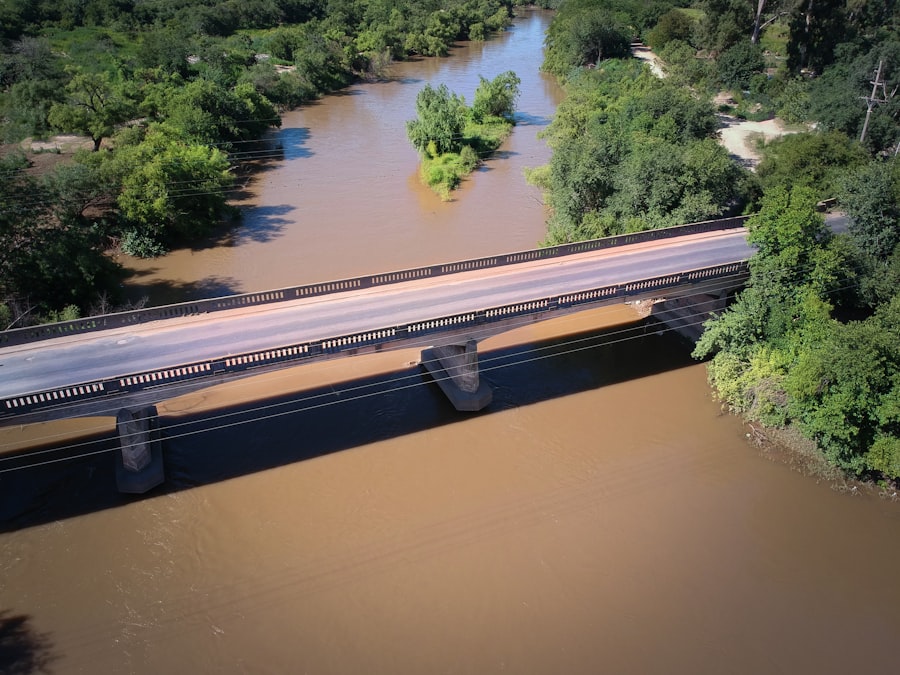
A comprehensive assessment of the risk of an old river control structure collapse requires a multi-faceted approach, combining historical data with modern analytical techniques.
Structural Condition Assessment
Visual Inspections
Detailed Site Surveys
Regular and thorough visual inspections are the frontline defense in identifying visible signs of distress. These include looking for cracks in concrete, spalling, efflorescence (white powdery deposits indicating water ingress and salt migration), erosion gullies on earthen embankments, vegetation growth that can penetrate and weaken structures, and signs of leakage. Specialized inspections may involve drones for aerial views of hard-to-reach areas and underwater cameras for submerged components.
Non-Destructive Testing (NDT) Techniques
NDT methods allow engineers to assess the internal condition of materials without causing damage.
Ultrasonic Testing (UT)
Ultrasonic waves are transmitted into the material, and their reflections are analyzed to detect internal defects such as cracks, voids, and debonding. This is particularly useful for assessing the integrity of concrete elements.
Ground Penetrating Radar (GPR)
GPR uses radar pulses to image the subsurface. It can detect buried utilities, voids, and variations in soil density within earthen structures, or identify rebar location and cover in concrete.
Infrared Thermography
Infrared cameras can detect temperature variations on the surface of a structure, which can indicate areas of higher moisture content, delamination, or internal heating due to friction or chemical reactions.
Schmidt Hammer (Rebound Hammer) Test
This test provides an estimate of the compressive strength of concrete and the uniformity of its surface layer. It is a relatively quick and inexpensive method for a preliminary assessment.
Destructive Testing (where applicable)
In certain cases, carefully planned destructive testing may be necessary to obtain direct measurements of material properties.
Core Sampling and Laboratory Testing
Taking core samples of concrete allows for detailed laboratory analysis of its compressive strength, permeability, resistance to chemical attack, and the presence of AAR or sulfate attack. Soil samples from earthen structures can be tested for shear strength, compaction, and moisture content.
Hydrological and Hydraulic Analysis
Flood Frequency Analysis
This involves analyzing historical streamflow data to determine the probability of extreme flood events occurring. This helps in understanding the potential magnitude of floodwaters that the structure might face.
Hydraulic Modeling
Computer models simulate how water will flow through and around the structure under various flood conditions. These analyses determine water levels, velocities, pressures, and potential overtopping scenarios.
Seepage and Stability Analysis
For earthen structures, detailed seepage analysis using models like finite element methods is performed to understand water flow paths and pore water pressure distribution within the embankment. This information is crucial for assessing the risk of internal erosion and slope instability. Slope stability analyses, often using simplified Bishop or Janbu methods, or more complex finite element analyses, are conducted to determine the safety factors of the embankment slopes under various loading conditions, including seismic events.
Probabilistic Risk Assessment Frameworks
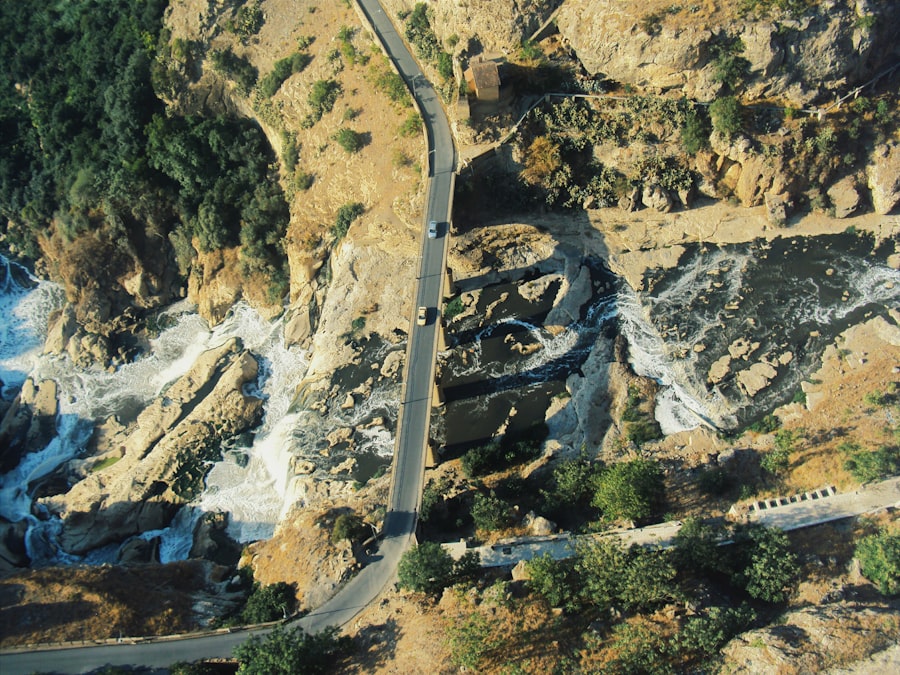
Beyond simply identifying weaknesses, a robust risk assessment quantifies the likelihood and consequences of failure.
Likelihood of Failure (LOF)
The LOF is an estimation of how probable a failure event is over a given period. This is derived from a combination of factors:
Engineering Judgment and Experience
Experienced engineers play a crucial role in interpreting data and providing informed opinions on the likelihood of failure, drawing upon a deep understanding of similar structures and failure mechanisms.
Statistical Analysis of Failure Data
Analyzing historical data from similar structures, including failures that have occurred and close calls, can provide statistical insights into failure probabilities.
Reliability-Based Methods
These methods use statistical distributions of material properties, loads, and geometric uncertainties to calculate the probability of a structure exceeding its capacity.
Consequence of Failure (COF)
The COF is a measure of the severity of the impact if the structure were to fail. This involves considering the potential for:
Loss of Life and Injury
This is the most critical consequence and involves estimating the number of people potentially exposed to floodwaters and the associated risks.
Economic Losses
This includes damage to property, infrastructure (roads, bridges, utilities), agricultural land, and disruption to businesses and industries.
Environmental Damage
This can include habitat destruction, contamination of water sources, and long-term ecological impacts.
Risk Matrix and Prioritization
A risk matrix combines the likelihood of failure with the consequence of failure, typically on a grid where risks are categorized as low, medium, high, or extreme. This allows stakeholders to prioritize which structures require the most urgent attention and investment.
Quantitative Risk Assessment (QRA)
QRA goes a step further by assigning numerical values to probabilities and consequences, allowing for a more precise calculation of risk, often expressed as a risk value or a tolerable risk level that needs to be achieved. Fault tree analysis and event tree analysis are common tools in QRA to systematically break down potential failure scenarios and their contributing factors.
The risk of collapse associated with old river control structures is a pressing concern for many communities, as highlighted in a recent article discussing the implications of aging infrastructure. This issue not only threatens local ecosystems but also poses significant challenges for flood management. For further insights into the potential consequences and necessary precautions, you can read more in this informative piece on river management strategies found here.
Mitigation and Management Strategies
| Metric | Value | Unit | Description |
|---|---|---|---|
| Annual Probability of Collapse | 0.002 | Probability (0-1) | Estimated annual likelihood of structural failure |
| Maximum Flow Rate | 250,000 | cfs (cubic feet per second) | Peak flow the structure is designed to handle |
| Current Flow Rate | 180,000 | cfs | Average flow rate during high water events |
| Structural Integrity Score | 78 | Out of 100 | Assessment based on recent inspections |
| Age of Structure | 60 | Years | Years since construction completion |
| Seismic Risk Level | Moderate | Qualitative | Risk of earthquake impact on structure |
| Maintenance Frequency | Biannual | Times per year | Scheduled maintenance inspections and repairs |
| Emergency Response Time | 4 | Hours | Time to mobilize emergency teams after failure detection |
Once risks are identified and understood, a suite of strategies can be employed to mitigate them and ensure the continued safe operation of old river control structures.
Structural Strengthening and Rehabilitation
Concrete Repair and Rehabilitation
This can involve injection of epoxy resins or cementitious grouts into cracks to restore structural integrity and prevent water ingress. Patching of spalled areas and application of protective coatings can also be undertaken. For significant degradation, more extensive repairs like concrete overlay or even replacement of sections may be required.
Steel Component Replacement or Upgrade
Worn or corroded steel components, such as gate seals, bearings, or even entire gate leaves, can be replaced. Upgrades to more corrosion-resistant materials or improved protective coatings can also enhance longevity.
Earthen Embankment Improvements
This may involve adding a protective layer of riprap on slopes to prevent erosion, installing drainage systems to manage seepage, or even widening and raising the embankment to increase its stability and flood capacity. Toe drains and chimney drains are common features for managing seepage within earthen structures.
Design Modifications for Increased Capacity
In some cases, modifications to spillways or outlet works can be made to increase the structure’s capacity to handle higher flood events, reducing the risk of overtopping.
Operational Modifications and Enhanced Monitoring
Real-time Monitoring Systems
Installing sensors to continuously monitor water levels, pressures, seepage rates, and structural deformations provides early warning signs of developing issues. This includes piezometers to measure pore water pressure and inclinometers to detect lateral movement in embankments.
Improved Flood Forecasting and Warning Systems
Working in conjunction with meteorological agencies, enhanced flood forecasting allows for better prediction of incoming flood events, giving operators more time to prepare by adjusting gate operations or issuing warnings to downstream communities.
Adaptive Management Practices
This involves developing operational plans that can be adjusted based on real-time data and evolving understanding of the structure’s condition and the hydrological environment.
Decommissioning and Replacement
Phased Decommissioning
For structures that are no longer economically viable to maintain or pose an unacceptable risk without prohibitively expensive repairs, a plan for phased decommissioning may be developed. This involves safely removing the structure and restoring the river environment.
Full Replacement Considerations
In cases where a structure’s intended function is still critical but its current form is too degraded, full replacement with a modern, resilient design is often the most prudent long-term solution. This allows for the incorporation of the latest engineering standards and the consideration of future environmental changes.
The task of assessing and managing the risk of old river control structure collapse is an ongoing commitment. It is a complex interplay of engineering science, historical understanding, and foresight. By diligently applying the scientific and analytical tools at our disposal, and by fostering a culture of proactive maintenance and informed decision-making, we can strive to protect communities and ecosystems from the devastating potential of these aging giants. The question is not if these structures will need significant attention, but when and how we will choose to respond to the silent ticking of the clock.
WATCH NOW ▶️ SHOCKING: Mississippi: The $12 Trillion Lie Revealed
FAQs
What is the Old River Control Structure?
The Old River Control Structure is a complex of floodgates and control mechanisms located on the Mississippi River in Louisiana. It was built to regulate the flow of water between the Mississippi River and the Atchafalaya River, preventing the Mississippi from changing its course.
Why is the Old River Control Structure important?
The structure is crucial for managing flood risks and maintaining the current path of the Mississippi River. Without it, the river could divert its flow into the Atchafalaya River, which would have significant economic and environmental impacts on the region.
What risks are associated with the collapse of the Old River Control Structure?
A collapse could lead to a major shift in the Mississippi River’s course, causing flooding, disruption of shipping routes, damage to infrastructure, and adverse effects on communities and ecosystems dependent on the river’s current path.
What measures are in place to prevent the collapse of the Old River Control Structure?
The U.S. Army Corps of Engineers regularly inspects, maintains, and upgrades the structure to ensure its integrity. Emergency response plans and reinforcement projects are also in place to address potential threats such as high water levels and structural wear.
Has the Old River Control Structure ever been at risk of failure before?
Yes, the structure has faced significant stress during major flood events, notably in 1973 when high water levels nearly caused a failure. Since then, improvements and reinforcements have been made to reduce the risk of collapse.