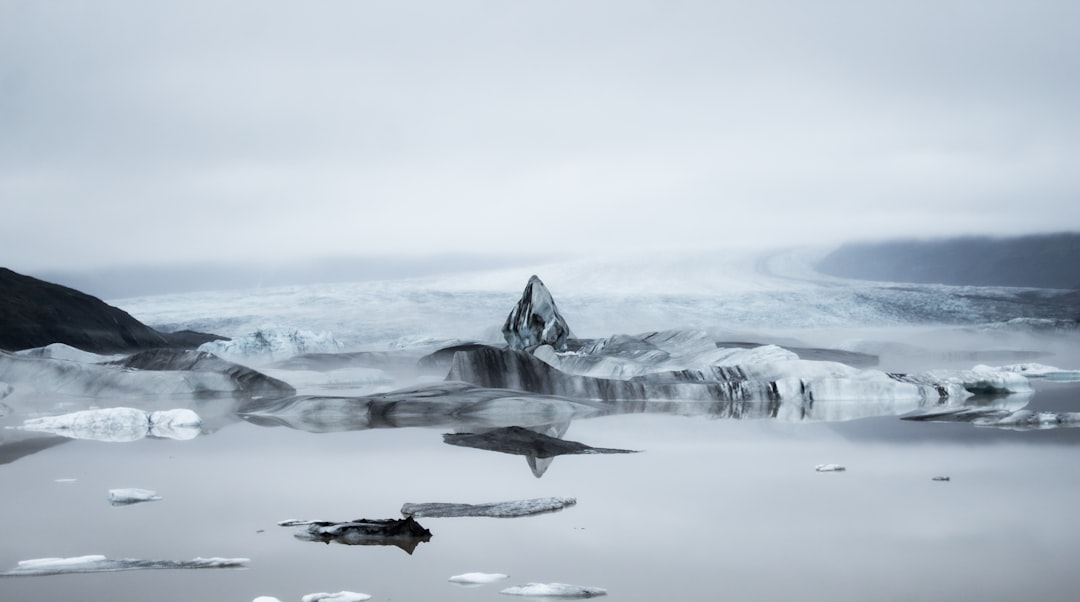
The Arctic region, long perceived as a remote and inhospitable expanse of ice and snow, has emerged as a focal point of interest for global powers in recent years. As climate change continues to alter the landscape, melting ice caps have opened up new opportunities for exploration and exploitation. This transformation has not only made the Arctic more accessible but has also intensified the competition among nations eager to stake their claims in this newly accessible frontier.
The strategic importance of the Arctic is underscored by its vast untapped resources, potential shipping routes, and geopolitical significance, making it a critical area for national interests. As countries like the United States, Russia, and China vie for influence in the Arctic, the region has become a stage for both cooperation and conflict. The melting ice is not merely a symptom of climate change; it is a catalyst for a new era of geopolitical maneuvering.
The Arctic’s significance extends beyond its natural resources; it represents a potential shift in global power dynamics as nations seek to assert their dominance in this rapidly changing environment. The interplay of environmental changes and international interests has set the stage for a complex narrative that will shape the future of the Arctic.
The Race for Resources: Oil, Gas, and Minerals
The Arctic is believed to hold a wealth of natural resources, including significant reserves of oil, natural gas, and various minerals. Estimates suggest that nearly 13% of the world’s undiscovered oil and 30% of its undiscovered natural gas lie beneath the Arctic seabed. This potential bounty has ignited a race among nations to explore and exploit these resources before they are claimed by others.
The allure of these untapped reserves is particularly compelling in an era where energy security is paramount, and traditional sources are becoming increasingly depleted. However, the extraction of these resources is fraught with challenges. The harsh Arctic environment poses significant technical difficulties, and the ecological implications of drilling and mining operations raise serious concerns.
As nations invest in advanced technologies to access these resources, they must also grapple with the environmental impact of their activities. The balance between economic gain and ecological preservation is delicate, and the decisions made today will have lasting consequences for both the Arctic ecosystem and global climate patterns.
Geopolitical Tensions: US, Russia, and China’s Interests in the Arctic

The geopolitical landscape of the Arctic is characterized by a complex interplay of interests among major powers. The United States, Russia, and China each have distinct motivations for their involvement in the region. For Russia, the Arctic is not only a source of energy but also a vital area for national security.
In contrast, the United States has focused on maintaining its presence and asserting its rights in the region. The U.S.
Navy conducts regular patrols to ensure freedom of navigation and to counter Russian expansionism. Meanwhile, China has positioned itself as a “near-Arctic state,” seeking to expand its influence through investments in infrastructure and research initiatives. This multifaceted competition has led to heightened tensions, as each nation navigates its interests while attempting to avoid direct confrontation.
Military Buildup: US, Russia, and China’s Presence in the Arctic
| Country | Number of Military Bases | Number of Troops | Number of Aircraft |
|---|---|---|---|
| United States | 3 | ~1,500 | ~20 |
| Russia | 40+ | ~6,000 | ~40 |
| China | 1 | ~300 | ~10 |
The military buildup in the Arctic reflects the growing importance of the region in national defense strategies. Russia has been particularly proactive, re-establishing military bases along its northern coast and increasing its naval presence in Arctic waters. This resurgence is part of a broader strategy to secure its territorial claims and protect its economic interests in the face of perceived threats from NATO and other Western powers.
The United States has responded by enhancing its own military capabilities in the region. This includes increased funding for icebreakers, which are essential for maintaining access to Arctic waters during the summer months when ice melts. Additionally, joint military exercises with allies have become more frequent as nations seek to demonstrate their commitment to security in the Arctic.
China’s involvement adds another layer of complexity; while it has not established a significant military presence, its investments in research and infrastructure could pave the way for future strategic maneuvers.
Environmental Concerns: Impact of Increased Activity in the Arctic
As global powers intensify their activities in the Arctic, environmental concerns have come to the forefront of discussions surrounding resource extraction and military operations. The fragile Arctic ecosystem is particularly vulnerable to disturbances caused by industrial activities, which can lead to habitat destruction, oil spills, and increased greenhouse gas emissions. The melting ice caps not only threaten wildlife but also contribute to rising sea levels that impact coastal communities worldwide.
Moreover, the potential for increased shipping traffic raises additional environmental risks. The opening of new trade routes could lead to accidents or pollution incidents that would have devastating effects on marine life and indigenous communities. As nations pursue their interests in the Arctic, it is crucial that they consider the long-term environmental implications of their actions.
Sustainable practices must be prioritized to ensure that economic development does not come at the expense of ecological integrity.
Indigenous Communities: The Impact of Global Powers’ Competition
The competition among global powers in the Arctic has profound implications for indigenous communities that have inhabited these lands for millennia. As nations vie for control over resources and territory, indigenous peoples often find themselves marginalized in decision-making processes that directly affect their lives and livelihoods. Their traditional ways of life are increasingly threatened by industrial activities that disrupt ecosystems and alter landscapes.
Indigenous communities are not merely passive victims; they are actively advocating for their rights and seeking to participate in discussions about resource management and environmental protection. Many indigenous leaders emphasize the importance of incorporating traditional knowledge into scientific research and policy-making. As global powers navigate their interests in the Arctic, recognizing and respecting indigenous rights will be essential for fostering equitable solutions that honor both cultural heritage and environmental stewardship.
International Law: Legal Disputes Over Arctic Sovereignty
The question of sovereignty in the Arctic is governed by a complex framework of international law, primarily centered around the United Nations Convention on the Law of the Sea (UNCLOS). This treaty establishes guidelines for maritime boundaries and resource claims but leaves room for interpretation regarding continental shelf extensions and territorial waters. As nations submit claims to extend their continental shelves into the Arctic Ocean, disputes over sovereignty have become increasingly contentious.
Russia’s assertive claims over vast areas of the Arctic seabed have raised concerns among other nations, particularly those with competing interests such as Canada and Denmark. The United States has yet to ratify UNCLOS but operates under its principles while asserting its rights in the region. As legal disputes unfold, diplomatic negotiations will be crucial in resolving conflicts peacefully and ensuring that all parties adhere to established international norms.
Economic Opportunities: Trade Routes and Shipping in the Arctic
The melting ice in the Arctic has opened up new trade routes that could significantly alter global shipping patterns. The Northern Sea Route along Russia’s coast offers a shorter passage between Europe and Asia compared to traditional routes through the Suez Canal. This potential for reduced shipping times presents economic opportunities for countries looking to enhance trade efficiency.
However, these opportunities come with challenges. The unpredictability of weather conditions in the Arctic can complicate navigation, while concerns about environmental degradation persist. Additionally, as more vessels traverse these waters, there is an increased risk of accidents or incidents that could have far-reaching consequences for marine ecosystems.
Balancing economic benefits with environmental protection will be essential as nations explore these new shipping routes.
Scientific Research: Advancements in Arctic Studies and Exploration
Scientific research plays a vital role in understanding the complexities of the Arctic environment and informing policy decisions related to resource management and conservation efforts. In recent years, there has been a surge in research initiatives aimed at studying climate change impacts, biodiversity, and ecosystem dynamics in this fragile region. Collaborative efforts among nations have led to significant advancements in knowledge about Arctic systems.
Research expeditions often involve partnerships between governments, universities, and indigenous communities, fostering a holistic approach to understanding environmental changes. These studies not only contribute to scientific knowledge but also provide valuable insights into sustainable practices that can mitigate negative impacts on both ecosystems and local populations. As global powers compete for influence in the Arctic, prioritizing scientific collaboration will be essential for addressing shared challenges.
Diplomatic Efforts: Negotiations and Cooperation Among Global Powers
Despite rising tensions among global powers in the Arctic, there are ongoing diplomatic efforts aimed at fostering cooperation and dialogue. Multilateral forums such as the Arctic Council provide platforms for nations to discuss shared concerns related to environmental protection, sustainable development, and indigenous rights. These discussions emphasize collaboration over confrontation, highlighting common interests that transcend national boundaries.
Diplomatic initiatives also extend beyond formal institutions; bilateral agreements between countries can facilitate cooperation on specific issues such as search-and-rescue operations or scientific research projects. Building trust through dialogue is essential for managing conflicts peacefully while ensuring that all stakeholders have a voice in shaping the future of the Arctic.
The Future of the Arctic: Balancing Competition and Cooperation
The future of the Arctic hinges on finding a balance between competition among global powers and cooperation among nations with shared interests. As climate change continues to reshape this region, it presents both challenges and opportunities that require collaborative approaches to address effectively. Sustainable resource management practices must be prioritized to protect fragile ecosystems while allowing for economic development.
Ultimately, fostering an environment where dialogue prevails over conflict will be crucial for ensuring stability in the Arctic. By recognizing the interconnectedness of environmental health, indigenous rights, and geopolitical interests, nations can work together toward solutions that benefit all stakeholders involved. The path forward will require commitment from global powers to prioritize cooperation while navigating their competitive interests in this new frontier.
In recent years, the Arctic region has become a focal point of geopolitical tension, with the United States, Russia, and China all vying for influence and control over its vast resources and strategic waterways. This competition has been dubbed the “Arctic War,” as each nation seeks to assert its dominance in the region. An insightful article on this topic can be found on MyGeoQuest, which delves into the strategic interests and military maneuvers of these global powers in the Arctic. For a deeper understanding of the dynamics at play, you can read more about it here.
WATCH THIS! The Arctic Ice Is Melting, And It Will Start World War 3
FAQs
What is the current situation in the Arctic involving the US, Russia, and China?
The Arctic region has become a point of interest for the US, Russia, and China due to its strategic location and potential for natural resources. There is currently a geopolitical competition among these countries for influence and control in the Arctic.
Is there a war happening in the Arctic involving the US, Russia, and China?
As of now, there is no open war in the Arctic involving the US, Russia, and China. However, there is a growing concern about the potential for conflict as these countries compete for control and access to the region.
What are the main reasons for the interest in the Arctic by the US, Russia, and China?
The Arctic is of interest to these countries due to its potential for natural resources such as oil, gas, and minerals, as well as its strategic location for shipping routes. Additionally, the melting of the polar ice caps due to climate change has opened up new opportunities for economic and military activities in the region.
What are the potential implications of the competition in the Arctic for global security?
The competition in the Arctic could have implications for global security, as it may lead to increased military presence and potential for conflict in the region. Additionally, the exploitation of natural resources in the Arctic could have environmental impacts and contribute to climate change.
What measures are being taken to address the competition in the Arctic?
Efforts are being made to address the competition in the Arctic through diplomatic channels and international cooperation. The Arctic Council, which includes the US, Russia, and China among its members, serves as a forum for discussing issues related to the Arctic and promoting cooperation among Arctic states.