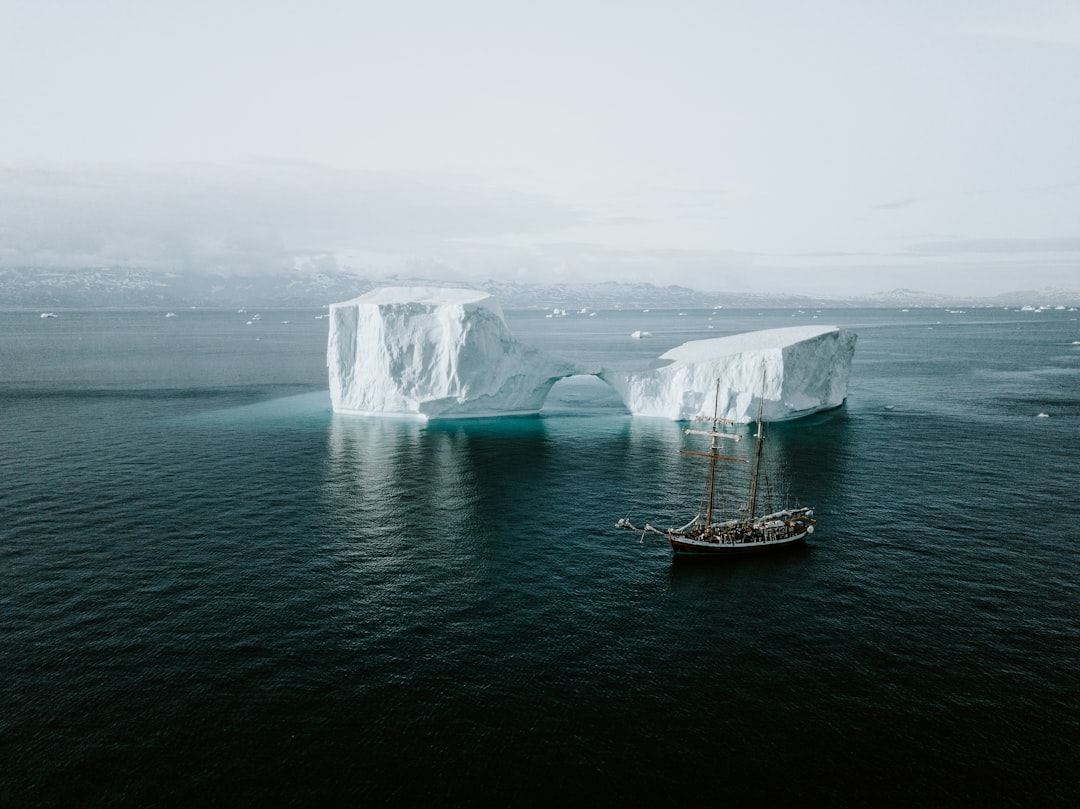
The Arctic region, often perceived as a remote and inhospitable expanse of ice and snow, is increasingly being recognized as a new focal point of global interest, akin to the Middle East in terms of geopolitical significance. As climate change continues to reshape the landscape, melting ice caps are revealing previously inaccessible areas, opening up new shipping routes and access to untapped natural resources. This transformation has sparked a surge of interest from nations around the world, each vying for a stake in the Arctic’s future.
The region’s strategic importance is underscored by its potential to alter global trade dynamics and energy markets, making it a critical area for international relations. The Arctic’s emergence as a geopolitical hotspot is not merely a consequence of environmental changes; it is also a reflection of shifting power dynamics on the global stage. Countries such as Russia, Canada, the United States, and several European nations are intensifying their focus on the Arctic, driven by national interests that encompass security, economic growth, and environmental stewardship.
As these nations navigate the complexities of Arctic governance, the region stands at a crossroads where the balance between development and conservation will be tested.
The Geopolitical Importance of the Arctic
The geopolitical landscape of the Arctic is characterized by its unique position as a bridge between continents and its vast maritime boundaries. The Northern Sea Route, which runs along Russia’s coast, has gained prominence as an alternative to traditional shipping lanes, significantly reducing transit times between Europe and Asia. This shift not only enhances trade efficiency but also raises questions about sovereignty and control over these emerging routes.
Moreover, the Arctic is home to significant military interests. Countries with Arctic coastlines are enhancing their military capabilities to assert their claims and protect their interests in this contested area.
The presence of military installations and increased naval activity reflects a growing concern over national security and territorial integrity. As tensions rise over competing claims and resource exploitation, the Arctic has become a stage for geopolitical maneuvering, reminiscent of historical conflicts over resource-rich territories.
Natural Resources in the Arctic
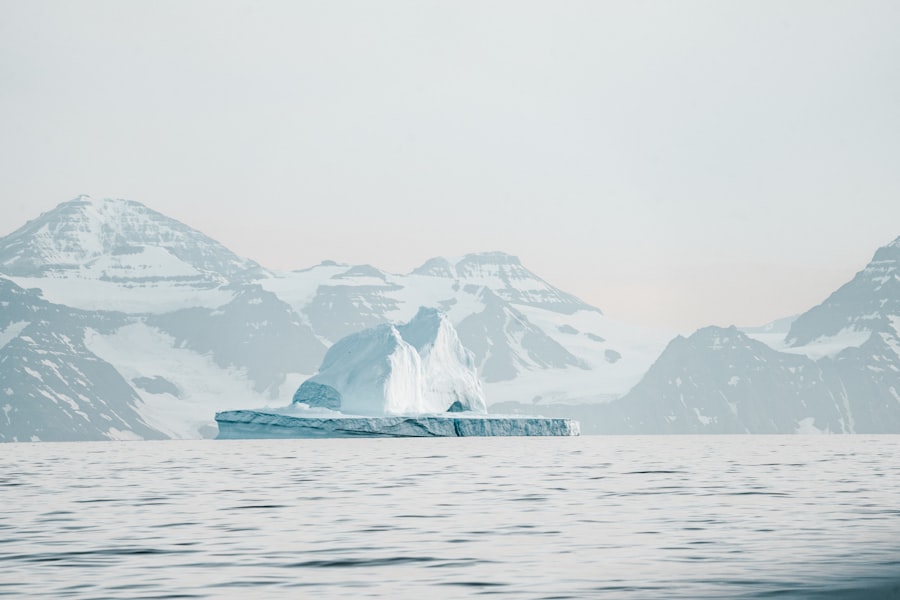
The Arctic is believed to hold vast reserves of natural resources, including oil, natural gas, minerals, and freshwater. Estimates suggest that approximately 13% of the world’s undiscovered oil reserves and 30% of its undiscovered natural gas reserves lie beneath the Arctic seabed. This potential wealth has attracted the attention of energy companies and governments alike, eager to tap into these resources to meet growing global energy demands.
The prospect of drilling in these remote areas raises both economic hopes and environmental concerns, creating a complex dilemma for policymakers. In addition to hydrocarbons, the Arctic is rich in minerals such as gold, diamonds, and rare earth elements, which are essential for modern technology. As global demand for these materials continues to rise, the Arctic’s mineral wealth becomes increasingly attractive.
However, extracting these resources poses significant challenges due to harsh weather conditions, logistical difficulties, and environmental regulations. The race for resource extraction in the Arctic is not just about economic gain; it also involves navigating intricate legal frameworks and international agreements that govern resource rights and environmental protection.
Environmental Concerns in the Arctic
| Environmental Concerns in the Arctic | Metrics |
|---|---|
| Ice Melting | Decrease in Arctic sea ice extent |
| Wildlife Disruption | Decline in population of polar bears and other Arctic animals |
| Oil and Gas Exploration | Increased risk of oil spills and habitat destruction |
| Climate Change | Rising temperatures and changing weather patterns |
| Plastic Pollution | Accumulation of plastic waste in Arctic waters |
The rapid changes occurring in the Arctic due to climate change have raised alarm bells among scientists and environmentalists alike. The region is warming at an unprecedented rate, leading to melting ice caps, rising sea levels, and altered ecosystems. These environmental shifts have far-reaching implications not only for local wildlife but also for global climate patterns.
The loss of sea ice affects polar bears, seals, and other species that depend on this habitat for survival, while also impacting indigenous communities that rely on traditional hunting practices. Furthermore, increased human activity in the Arctic—whether through shipping, resource extraction, or tourism—poses additional risks to this fragile environment. Oil spills, habitat destruction, and pollution threaten to exacerbate existing challenges faced by Arctic ecosystems.
As nations pursue economic opportunities in the region, it becomes crucial to implement stringent environmental protections to safeguard against irreversible damage. Balancing development with conservation efforts will be essential to ensure that the Arctic remains a viable habitat for future generations.
Indigenous Peoples and Arctic Sovereignty
The indigenous peoples of the Arctic have inhabited these lands for thousands of years, developing rich cultures and traditions closely tied to their environment. As interest in the region grows, indigenous communities find themselves at a crossroads between preserving their way of life and engaging with external forces seeking to exploit natural resources. The question of sovereignty becomes paramount as indigenous groups advocate for their rights to land and resources while navigating complex legal frameworks imposed by national governments.
Indigenous voices are increasingly being recognized in discussions about Arctic governance and resource management. Many indigenous leaders emphasize the importance of traditional knowledge in understanding environmental changes and sustainable practices. Collaborative approaches that involve indigenous communities in decision-making processes can lead to more effective stewardship of Arctic resources while respecting cultural heritage.
The challenge lies in ensuring that these communities are not merely consulted but actively involved in shaping policies that affect their lives.
International Competition in the Arctic
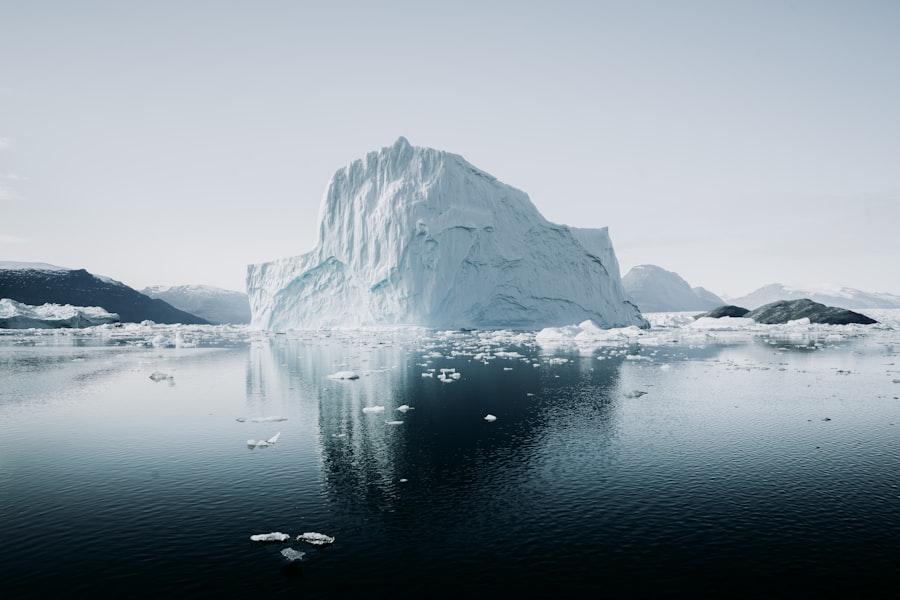
As nations vie for influence in the Arctic, competition is intensifying over territorial claims and resource access. The United Nations Convention on the Law of the Sea (UNCLOS) provides a legal framework for countries to assert their claims over continental shelves and maritime boundaries. However, overlapping claims have led to disputes among Arctic nations, particularly between Russia and Canada regarding areas rich in resources.
This competition has implications not only for regional stability but also for international relations as countries navigate their interests in a rapidly changing geopolitical landscape. The race for dominance in the Arctic is further complicated by non-Arctic states seeking to assert their influence. Countries like China have expressed interest in participating in Arctic affairs, framing their involvement as part of a broader strategy to enhance global trade routes and access resources.
This expansion of interest from non-Arctic nations raises questions about governance structures and the potential for conflict as diverse stakeholders engage in this high-stakes arena.
The Role of Arctic Council in Arctic Governance
The Arctic Council serves as a key platform for cooperation among Arctic states and indigenous communities, promoting dialogue on issues ranging from environmental protection to sustainable development. Established in 1996, the Council comprises eight member states—Canada, Denmark (including Greenland), Finland, Iceland, Norway, Russia, Sweden, and the United States—along with six indigenous organizations representing various Arctic peoples. This unique structure allows for collaboration that respects both national interests and indigenous rights.
The Council’s effectiveness lies in its ability to foster consensus-based decision-making among member states while addressing pressing challenges facing the region. Initiatives focused on climate change adaptation, biodiversity conservation, and sustainable resource management exemplify the Council’s commitment to promoting responsible governance in the Arctic. However, as geopolitical tensions rise and new actors emerge on the scene, the Council’s role may need to evolve to address complex issues that transcend national borders.
Military Presence and Security in the Arctic
The increasing geopolitical significance of the Arctic has prompted nations to bolster their military presence in the region. Russia has been particularly active in expanding its military capabilities along its northern coast, establishing new bases and conducting military exercises aimed at asserting its claims over disputed territories. The United States has also ramped up its military engagement in response to perceived threats from Russia and other nations seeking influence in the Arctic.
This militarization raises concerns about security dynamics in an area traditionally characterized by cooperation among Arctic states. The potential for misunderstandings or conflicts over territorial claims could escalate tensions further. As nations navigate this delicate balance between asserting sovereignty and maintaining peace, dialogue remains essential to prevent military confrontations that could undermine stability in this fragile region.
Economic Opportunities in the Arctic
The economic potential of the Arctic is vast, encompassing not only natural resources but also opportunities for tourism and sustainable development initiatives. As climate change opens up new shipping routes and access points, businesses are exploring ways to capitalize on these emerging markets. The tourism sector has seen growth as travelers seek unique experiences in this pristine environment, prompting discussions about how to manage tourism sustainably while preserving cultural heritage.
Moreover, investments in infrastructure development—such as ports, roads, and communication networks—are essential for unlocking economic opportunities in the Arctic. However, these developments must be approached with caution to avoid detrimental impacts on local ecosystems and communities. Striking a balance between economic growth and environmental stewardship will be crucial for ensuring that the benefits of development are shared equitably among all stakeholders.
The Impact of Climate Change on the Arctic
Climate change is perhaps the most pressing issue facing the Arctic today. The region is warming at nearly twice the global average rate, leading to profound changes in its physical environment.
These changes have far-reaching implications not only for local ecosystems but also for communities around the globe. The effects of climate change extend beyond environmental degradation; they also pose significant challenges for indigenous peoples who rely on stable ecosystems for their livelihoods. Traditional hunting grounds are shifting or disappearing altogether due to changing animal migration patterns and melting ice.
As these communities adapt to new realities, they face cultural disruptions that threaten their way of life. Addressing climate change requires urgent action at both local and global levels to mitigate its impacts on vulnerable populations.
The Future of the Arctic: Balancing Development and Conservation
Looking ahead, the future of the Arctic hinges on finding a delicate balance between development aspirations and conservation efforts. As nations pursue economic opportunities presented by melting ice caps and resource extraction, it becomes imperative to prioritize sustainable practices that protect fragile ecosystems. Collaborative approaches involving indigenous communities can provide valuable insights into responsible resource management while respecting cultural heritage.
International cooperation will be essential in navigating this complex landscape where competing interests intersect. Strengthening existing governance frameworks like the Arctic Council can facilitate dialogue among stakeholders while promoting shared responsibility for environmental stewardship. Ultimately, ensuring a sustainable future for the Arctic will require collective action that prioritizes both economic growth and ecological integrity—a challenge that demands commitment from all nations involved.
The Arctic region is increasingly being viewed as a geopolitical hotspot, much like the Middle East, due to its vast untapped resources and strategic importance. This shift in global focus is highlighted in the article “The Arctic is the New Middle East,” which discusses the implications of climate change and territorial claims in the region. For further insights into the geopolitical dynamics and environmental challenges facing the Arctic, you can explore a related article on MyGeoQuest. This article delves into the strategic interests of various nations and the potential for conflict and cooperation in the Arctic, providing a comprehensive overview of why this region is becoming a focal point of international attention.
WATCH THIS! The Arctic Ice Is Melting, And It Will Start World War 3
FAQs
What is the Arctic?
The Arctic is a region located at the northernmost part of the Earth. It consists of the Arctic Ocean and parts of Canada, Russia, Greenland, the United States, Norway, Sweden, Finland, and Iceland.
Why is the Arctic being referred to as the new Middle East?
The Arctic is being referred to as the new Middle East due to its potential as a major source of natural resources, including oil and natural gas. As the polar ice caps melt, the region is becoming more accessible for resource exploration and extraction, leading to increased geopolitical interest and competition.
What are the potential implications of the Arctic becoming a major source of natural resources?
The potential implications of the Arctic becoming a major source of natural resources include increased geopolitical tensions, environmental concerns, and economic opportunities. The region’s strategic importance and the potential for resource conflicts have drawn comparisons to the Middle East.
How is climate change impacting the Arctic?
Climate change is impacting the Arctic by causing the polar ice caps to melt at an accelerated rate, leading to rising sea levels and changes in the region’s ecosystems. This has also made the Arctic more accessible for shipping and resource extraction, further contributing to the region’s geopolitical significance.
What are the key players in the Arctic’s resource exploration and extraction?
The key players in the Arctic’s resource exploration and extraction include countries such as Russia, Canada, the United States, Norway, and Denmark (Greenland), as well as various multinational corporations. These entities are actively involved in efforts to tap into the region’s natural resources.