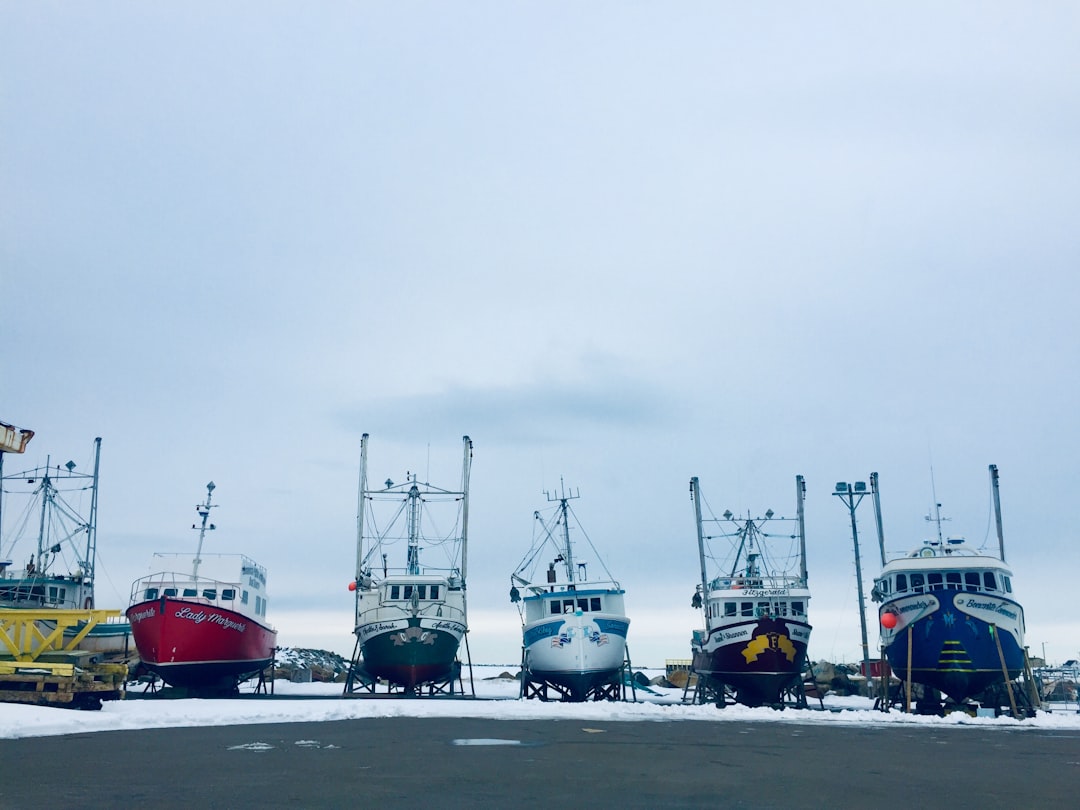
Arctic shipping has become a significant focus in global trade, especially as climate change transforms polar regions. Melting ice caps and changing weather patterns have created new maritime routes, increasing Arctic accessibility. This development offers both opportunities and challenges for shipping companies, governments, and environmental stakeholders.
Vessels operating in Arctic waters face unique operational challenges, including unpredictable weather and environmental risks in this sensitive ecosystem. Once considered inaccessible, the Arctic is now viewed as a potential shortcut for international shipping. The Northern Sea Route and Northwest Passage are emerging as alternatives to traditional shipping lanes, offering reduced transit times and fuel consumption.
However, these benefits must be weighed against the harsh Arctic weather conditions, which can change rapidly. For shipping companies expanding into these waters, understanding Arctic weather patterns is essential for safe and efficient operations.
Key Takeaways
- Arctic shipping faces unique challenges due to extreme and unpredictable weather conditions.
- Weather delays significantly impact shipping schedules, leading to economic losses and supply chain disruptions.
- Environmental risks increase with shipping delays, including potential harm to fragile Arctic ecosystems.
- Safety concerns are heightened by harsh weather, requiring specialized strategies and technologies.
- Innovations, regulations, and strategic planning are essential to mitigate delays and ensure sustainable Arctic shipping.
Weather Conditions in the Arctic
The weather conditions in the Arctic are notoriously unpredictable, characterized by extreme cold, strong winds, and frequent storms. These elements create a challenging environment for shipping operations, where visibility can be severely limited and ice formations can shift unexpectedly. The region experiences long periods of darkness during winter months, which can complicate navigation and increase the risk of accidents.
Additionally, the summer months bring their own set of challenges, as melting ice creates a dynamic landscape that can change from day to day. Temperature fluctuations are another significant factor affecting Arctic weather. While summer temperatures may rise above freezing, winter temperatures can plummet to extreme lows, creating a stark contrast that impacts both the physical environment and the operational capabilities of vessels.
As climate change continues to influence weather patterns in the Arctic, shipping companies must remain vigilant and adaptable to ensure safe passage through these treacherous waters.
Impact of Weather Delays on Shipping
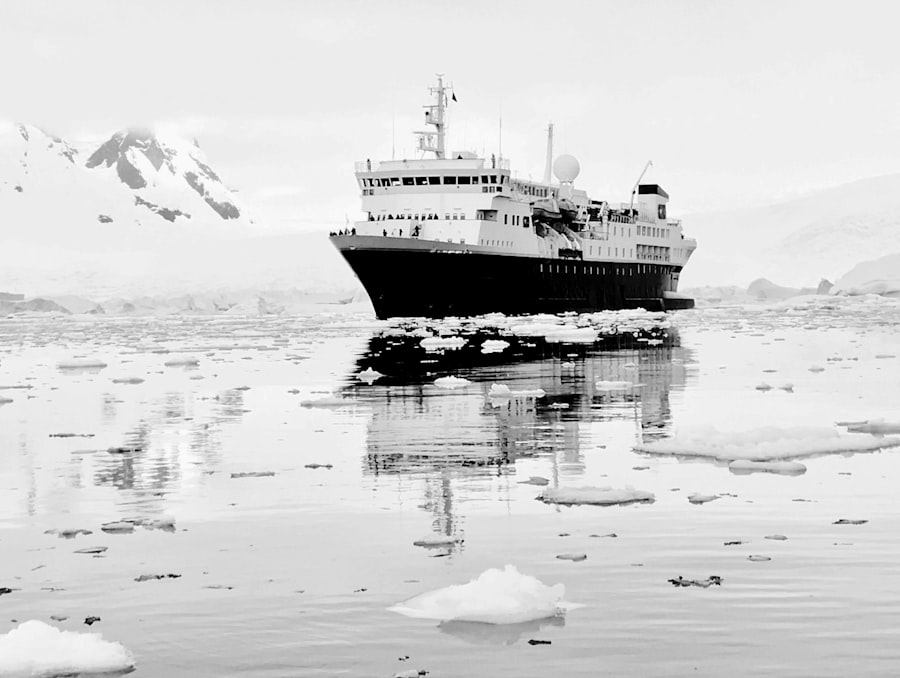
Weather delays in Arctic shipping can have profound implications for logistics and supply chains. When vessels are forced to alter their routes or postpone departures due to adverse weather conditions, it can lead to significant disruptions in delivery schedules.
For instance, industries such as fishing, oil exploration, and tourism may find their activities hampered by unexpected shipping delays, leading to financial losses and operational inefficiencies. Moreover, weather-related delays can result in increased operational costs for shipping companies. Extended voyages may require additional fuel consumption, increased crew wages, and potential penalties for late deliveries.
The financial burden of these delays can be particularly challenging for smaller shipping companies that may lack the resources to absorb such costs. As a result, understanding and anticipating weather patterns becomes crucial for effective planning and risk management in Arctic shipping.
Economic Consequences of Shipping Delays
The economic consequences of shipping delays in the Arctic extend beyond immediate operational costs; they can also impact broader market dynamics. When shipments are delayed, it can lead to shortages of goods in various markets, driving up prices and creating volatility in supply chains. For example, if essential supplies such as food or medical equipment are delayed due to weather conditions, it can have dire consequences for remote communities that depend on these shipments for their survival.
Furthermore, prolonged delays can deter investment in Arctic shipping routes. Investors may be hesitant to commit resources to ventures that are susceptible to unpredictable weather patterns and operational disruptions. This reluctance can stifle economic growth in the region and limit opportunities for local businesses that could benefit from increased shipping activity.
As such, addressing the economic ramifications of weather delays is essential for fostering a sustainable and resilient Arctic shipping industry.
Environmental Consequences of Shipping Delays
| Metric | Value | Unit | Notes |
|---|---|---|---|
| Average Weather Delay | 48 | hours | Typical delay due to storms and ice conditions |
| Annual Shipping Volume | 5,000 | TEU (Twenty-foot Equivalent Units) | Estimated container throughput via Arctic routes |
| Cost Increase Due to Weather Delays | 15 | percent | Additional operational costs from delays and rerouting |
| Icebreaker Escort Fees | 120,000 | per voyage | Average cost for icebreaker assistance |
| Fuel Consumption Increase | 20 | percent | Extra fuel used navigating icy waters |
| Insurance Premium Increase | 25 | percent | Higher premiums due to Arctic risks |
| Average Transit Time | 10 | days | Typical duration for Arctic shipping routes |
The environmental consequences of shipping delays in the Arctic are multifaceted and often intertwined with the region’s delicate ecosystem. When vessels are forced to linger in the area due to adverse weather conditions, they may inadvertently contribute to environmental degradation. For instance, extended stays in sensitive habitats can lead to increased emissions from ships’ engines, which can harm air quality and contribute to climate change.
Additionally, delays can exacerbate the risks associated with oil spills or other hazardous material releases. The longer a vessel remains in the region, the greater the likelihood of accidents occurring due to equipment failure or human error. Such incidents can have catastrophic effects on marine life and local ecosystems, further complicating efforts to protect the fragile Arctic environment.
As awareness of these environmental consequences grows, there is an increasing call for sustainable practices within the Arctic shipping industry.
Safety Concerns for Arctic Shipping

Safety concerns are paramount in Arctic shipping due to the unique challenges posed by the environment. The combination of extreme weather conditions, ice hazards, and limited infrastructure creates a high-risk scenario for vessels operating in these waters. Navigational challenges are compounded by the remoteness of the region; search and rescue operations may be hindered by harsh conditions or lack of resources.
Consequently, ensuring the safety of crew members and vessels is a top priority for shipping companies venturing into the Arctic. Moreover, training and preparedness are critical components of safety in Arctic shipping. Crew members must be equipped with specialized knowledge about ice navigation, emergency response protocols, and environmental protection measures.
The unpredictable nature of Arctic weather necessitates continuous training and drills to ensure that crews are ready to respond effectively to emergencies. As the industry evolves, fostering a culture of safety will be essential for mitigating risks associated with Arctic shipping.
Strategies for Mitigating Weather Delays
To address the challenges posed by weather delays in Arctic shipping, companies are increasingly adopting proactive strategies aimed at enhancing operational efficiency. One approach involves investing in advanced weather forecasting technologies that provide real-time data on changing conditions. By leveraging predictive analytics and satellite imagery, shipping companies can make informed decisions about route planning and scheduling, minimizing the impact of adverse weather on their operations.
Additionally, collaboration among stakeholders is crucial for mitigating weather-related disruptions. Shipping companies can benefit from partnerships with research institutions and governmental agencies that specialize in Arctic studies. By sharing knowledge and resources, stakeholders can develop comprehensive strategies that enhance safety and efficiency while minimizing environmental impacts.
Such collaborative efforts will be vital as the industry navigates the complexities of operating in an ever-changing Arctic environment.
Technology and Innovation in Arctic Shipping
Technology plays a pivotal role in shaping the future of Arctic shipping by providing innovative solutions to address its unique challenges. The development of ice-class vessels equipped with advanced navigation systems allows ships to operate safely in icy waters while minimizing environmental risks. These vessels are designed to withstand harsh conditions and navigate through thick ice, ensuring that shipping routes remain viable even during peak ice seasons.
Moreover, advancements in autonomous shipping technology hold promise for enhancing safety and efficiency in Arctic operations. Drones and unmanned vessels can be deployed for reconnaissance missions to assess ice conditions or monitor environmental impacts without putting crew members at risk. As technology continues to evolve, it will play an increasingly important role in transforming Arctic shipping into a safer and more sustainable industry.
Government Regulations and Policies for Arctic Shipping
Government regulations and policies play a crucial role in shaping the landscape of Arctic shipping. National governments and international organizations have recognized the need for comprehensive frameworks that address safety standards, environmental protection measures, and navigational guidelines specific to the Arctic region. These regulations aim to balance economic interests with environmental stewardship while ensuring the safety of vessels operating in this challenging environment.
Furthermore, collaboration among nations is essential for effective governance in Arctic shipping. As multiple countries lay claim to portions of the Arctic Ocean, establishing clear guidelines for navigation rights and resource management becomes increasingly important. International agreements such as the Polar Code provide a framework for regulating shipping activities while promoting sustainable practices that protect the fragile Arctic ecosystem.
Case Studies of Costly Consequences
Several case studies illustrate the costly consequences of weather-related delays in Arctic shipping. One notable example is the incident involving a cargo vessel that became trapped in ice during an unexpected storm while navigating through the Northwest Passage. The vessel’s crew faced significant challenges as they awaited rescue amid deteriorating conditions, leading to extensive delays that resulted in financial losses for both the shipping company and its clients.
Another case study highlights the impact of delayed shipments on remote communities reliant on timely deliveries for essential supplies. A severe storm disrupted transportation routes during peak fishing season, causing significant shortages of fresh seafood in local markets. The economic repercussions were felt not only by fishermen but also by consumers who faced inflated prices due to limited availability.
These examples underscore the importance of understanding weather patterns and implementing effective strategies to mitigate risks associated with Arctic shipping.
Future Outlook for Arctic Shipping
The future outlook for Arctic shipping is marked by both promise and uncertainty as climate change continues to reshape the region’s landscape. While melting ice presents new opportunities for trade routes, it also raises concerns about environmental sustainability and safety risks associated with increased maritime traffic. As global demand for resources grows, stakeholders must navigate these complexities while prioritizing responsible practices that protect the fragile Arctic ecosystem.
In conclusion, addressing the challenges posed by weather delays in Arctic shipping requires a multifaceted approach that encompasses technological innovation, regulatory frameworks, and collaborative efforts among stakeholders. By prioritizing safety, environmental stewardship, and economic resilience, the industry can work towards a sustainable future that balances economic interests with the preservation of one of Earth’s most vulnerable regions. As Arctic shipping continues to evolve, ongoing research and adaptation will be essential for navigating this dynamic landscape effectively.
Arctic shipping has become increasingly important for global trade, but weather delays can significantly impact costs and schedules. For a deeper understanding of how these weather-related challenges affect shipping routes in the Arctic, you can read more in this related article: Arctic Shipping Weather Delays and Their Economic Impact.
FAQs
What causes weather delays in Arctic shipping?
Weather delays in Arctic shipping are primarily caused by extreme cold temperatures, sea ice, snowstorms, fog, and rapidly changing weather conditions. These factors can reduce visibility, create hazardous ice conditions, and impact the maneuverability of vessels.
How do weather delays affect the cost of Arctic shipping?
Weather delays increase the cost of Arctic shipping by extending transit times, increasing fuel consumption, requiring additional icebreaker support, and causing potential damage to vessels. Delays can also disrupt supply chains, leading to higher operational and insurance costs.
What types of vessels are used for Arctic shipping?
Specialized ice-class vessels and icebreakers are commonly used for Arctic shipping. These ships are designed to withstand harsh ice conditions and extreme weather, enabling safer and more reliable navigation through Arctic waters.
Are there specific seasons when Arctic shipping is more feasible?
Yes, Arctic shipping is generally more feasible during the summer months when sea ice extent is at its minimum. However, even in summer, unpredictable weather and residual ice can cause delays.
How do shipping companies mitigate weather-related delays in the Arctic?
Shipping companies use advanced weather forecasting, ice monitoring technologies, route planning, and coordination with icebreaker services to mitigate weather-related delays. They also build flexibility into schedules and maintain contingency plans for unexpected conditions.
What impact does climate change have on Arctic shipping weather delays?
Climate change is reducing sea ice coverage and lengthening the shipping season in the Arctic, potentially decreasing some weather-related delays. However, it also introduces new challenges such as unpredictable weather patterns and increased risks from melting permafrost and unstable ice conditions.
Is Arctic shipping more expensive than traditional shipping routes?
Yes, Arctic shipping is generally more expensive due to the need for specialized vessels, icebreaker assistance, higher insurance premiums, and the risk of weather-related delays. However, shorter distances between certain ports can offer cost savings that partially offset these expenses.
What are the main risks associated with Arctic shipping weather delays?
The main risks include vessel damage from ice, crew safety hazards, cargo spoilage due to extended transit times, environmental risks from potential spills, and economic losses from disrupted supply chains.