Arctic shipping has emerged as a significant area of interest in recent years, driven by the melting ice caps and the opening of new maritime routes. The Arctic region, once considered largely inaccessible due to its harsh climate and extensive ice coverage, is now becoming a viable option for international trade and transportation. This shift presents both opportunities and challenges, as shipping companies seek to capitalize on shorter routes that can reduce transit times and fuel costs.
The Northern Sea Route and the Northwest Passage are two key corridors that have gained attention, promising to connect markets in Europe, Asia, and North America more efficiently than traditional routes through the Suez Canal or around Cape Horn. However, navigating the Arctic is not without its complexities. The region’s unique environmental conditions require specialized vessels and operational strategies to ensure safe passage.
As shipping activity increases, so does the need for a comprehensive understanding of the risks involved, including ice conditions, weather variability, and the potential for accidents. The importance of adhering to ice class requirements and safety protocols cannot be overstated, as these factors play a crucial role in ensuring the safety of vessels and their crews while minimizing environmental impacts.
Key Takeaways
- Ice class requirements are crucial for ensuring vessel safety and operational capability in Arctic conditions.
- Understanding different ice class designations helps in selecting appropriate ships for Arctic navigation.
- Advanced technology and innovation play a key role in enhancing the performance and safety of ice class vessels.
- Environmental protection is a major concern, requiring strict regulations and sustainable shipping practices.
- Training and certification of crews are essential to manage the unique challenges and risks of Arctic shipping.
Importance of Ice Class Requirements
Ice class requirements are essential for vessels operating in Arctic waters, as they dictate the design and construction standards necessary for safe navigation through ice-laden environments. These classifications are determined by various organizations, including the International Association of Classification Societies (IACS), which establishes guidelines that vessels must meet to be deemed suitable for ice navigation. The significance of these requirements lies in their ability to enhance the structural integrity of ships, ensuring they can withstand the pressures exerted by ice and other harsh conditions.
Moreover, ice class designations provide a framework for assessing a vessel’s capabilities in different ice conditions. Ships are categorized into various classes based on their ability to navigate through specific types of ice, ranging from light first-year ice to heavy multi-year ice. This classification system not only aids shipowners in selecting appropriate vessels for their intended routes but also informs insurers and regulatory bodies about the risks associated with Arctic shipping.
As the demand for Arctic shipping grows, adherence to ice class requirements will be critical in maintaining safety standards and protecting both human life and the fragile Arctic environment.
Understanding Ice Class Designations
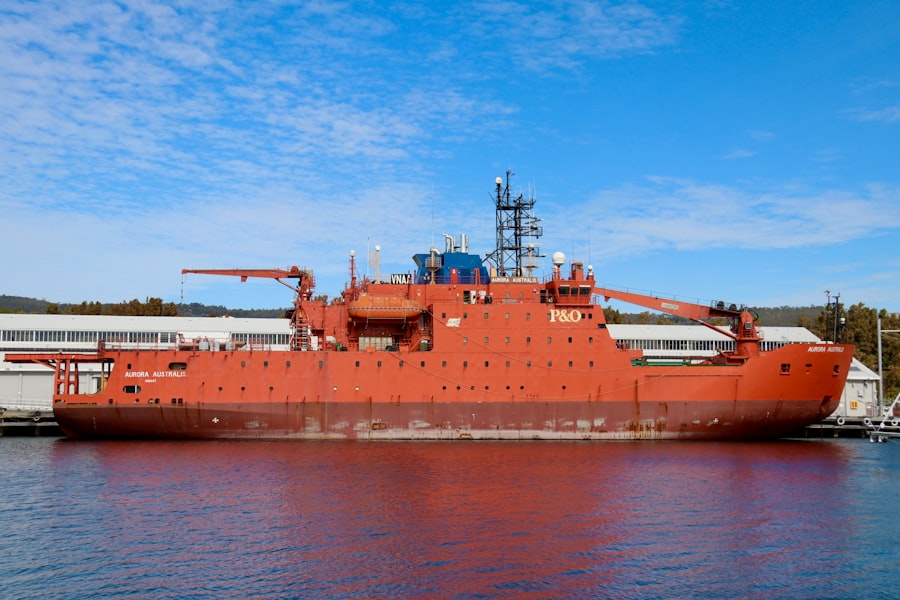
Ice class designations are categorized into several classes, each representing a vessel’s capability to operate in specific ice conditions. The most commonly recognized classification system includes categories such as IA Super, IA, IB, IC, and so forth, with each designation indicating a vessel’s strength and ability to navigate through varying thicknesses of ice. For instance, vessels classified as IA Super are designed for the most challenging conditions, capable of breaking through thick multi-year ice, while those in lower classes may only be suitable for navigating through thinner first-year ice.
Understanding these designations is crucial for ship operators and owners as they plan their Arctic voyages. The choice of an appropriately classified vessel can significantly impact operational efficiency and safety. A vessel that is not adequately equipped for the expected ice conditions may face severe risks, including hull damage or even capsizing.
Therefore, it is imperative for stakeholders in Arctic shipping to familiarize themselves with these classifications and ensure that their vessels meet the necessary standards for their intended routes.
Safety Considerations for Arctic Shipping Vessels
Safety considerations in Arctic shipping extend beyond just ice class requirements; they encompass a wide range of factors that contribute to the overall security of maritime operations in this challenging environment. One of the primary concerns is the unpredictable nature of Arctic weather, which can change rapidly and without warning. Fog, snowstorms, and extreme cold can all pose significant hazards to navigation, making it essential for vessels to be equipped with advanced weather forecasting tools and communication systems that allow for real-time updates.
In addition to weather-related challenges, crew training plays a vital role in ensuring safety during Arctic operations. Crews must be well-versed in ice navigation techniques and emergency response protocols specific to Arctic conditions. This includes understanding how to operate in close proximity to ice formations and recognizing the signs of potential hazards such as icebergs or pressure ridges.
Regular drills and training exercises can help prepare crews for emergencies, ensuring they are ready to respond effectively should an incident occur.
Environmental Impact of Arctic Shipping
| Ice Class | Ice Thickness Capability | Hull Strength | Engine Power | Operational Area | Typical Vessel Types |
|---|---|---|---|---|---|
| Polar Class 1 (PC1) | Year-round operation in all Arctic ice conditions, including multi-year ice | Highest structural reinforcement for extreme ice pressure | Very high, designed for continuous icebreaking | All Arctic waters, including thick multi-year ice | Icebreakers, heavy cargo vessels |
| Polar Class 2 (PC2) | Year-round operation in moderate multi-year ice | Very strong hull, slightly less than PC1 | High engine power for icebreaking | Arctic waters with moderate multi-year ice | Icebreaking supply vessels, research ships |
| Polar Class 3 (PC3) | Year-round operation in first-year ice with old ice inclusions | Strong hull for heavy ice conditions | High engine power | Arctic waters with first-year ice | Supply vessels, tankers |
| Polar Class 4 (PC4) | Year-round operation in thick first-year ice | Reinforced hull for thick ice | Moderate to high engine power | Arctic waters with thick first-year ice | Bulk carriers, cargo ships |
| Polar Class 5 (PC5) | Summer/autumn operation in medium first-year ice | Moderate hull reinforcement | Moderate engine power | Seasonal Arctic waters | General cargo vessels, tankers |
| Finnish-Swedish Ice Class 1A Super | Ice thickness up to 1.0 m | High hull strength | High engine power | Baltic Sea and similar conditions | Merchant vessels, ferries |
| Finnish-Swedish Ice Class 1A | Ice thickness up to 0.8 m | Strong hull | High engine power | Seasonal ice conditions | Merchant vessels |
| Russian Maritime Register Ice Class Arc4 | Ice thickness up to 1.2 m | Very strong hull | High engine power | Arctic coastal waters | Tankers, cargo ships |
The environmental impact of Arctic shipping is a growing concern as increased maritime activity poses risks to the delicate ecosystems of the region. The introduction of larger vessels and increased traffic can lead to disturbances in marine habitats, affecting wildlife populations and their migratory patterns.
Efforts are being made to mitigate these environmental impacts through stricter regulations and best practices for shipping operations. For instance, many organizations advocate for the use of double-hulled vessels to reduce the risk of spills and promote environmentally friendly technologies that minimize emissions. Furthermore, there is a push for greater transparency in reporting environmental incidents and implementing measures that prioritize sustainability in Arctic shipping practices.
Technology and Innovation in Ice Class Vessels
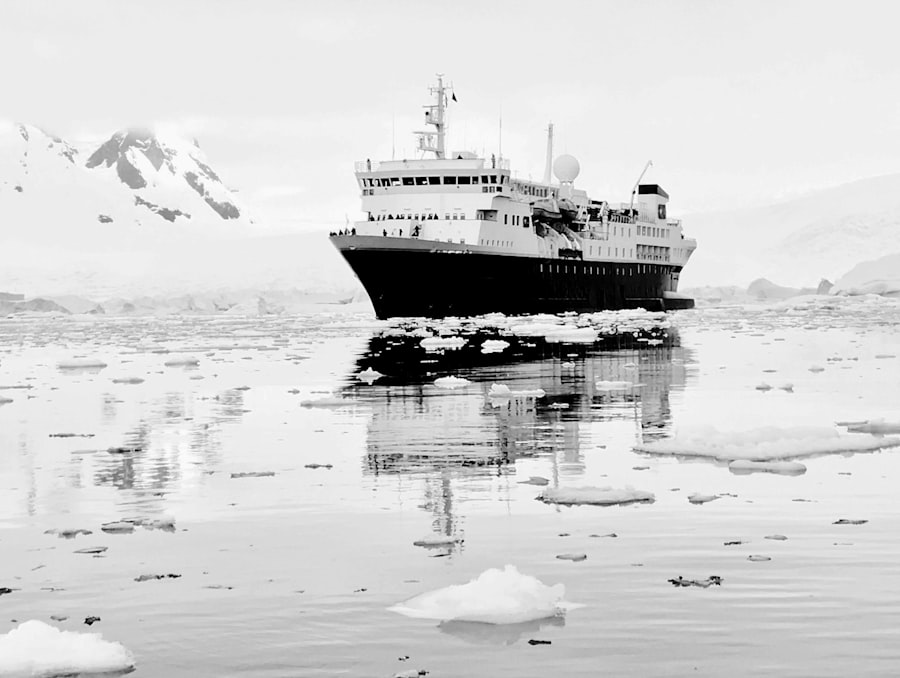
The advancement of technology plays a pivotal role in enhancing the capabilities of ice class vessels operating in Arctic waters. Innovations such as improved hull designs, advanced propulsion systems, and state-of-the-art navigation tools have significantly increased the efficiency and safety of Arctic shipping operations. For example, modern icebreakers are equipped with powerful engines that allow them to navigate through thick ice more effectively than their predecessors.
Moreover, digital technologies are transforming how vessels operate in the Arctic. The integration of satellite communications and real-time data analytics enables ship operators to make informed decisions based on current ice conditions and weather forecasts. This technological evolution not only enhances operational efficiency but also contributes to safer navigation by allowing crews to anticipate challenges before they arise.
Regulatory Framework for Arctic Shipping
The regulatory framework governing Arctic shipping is complex and multifaceted, involving various international agreements and national laws aimed at ensuring safe and sustainable maritime operations in the region. The International Maritime Organization (IMO) plays a central role in establishing guidelines for Arctic shipping through its Polar Code, which sets forth safety measures and environmental protections specifically tailored for operations in polar waters. In addition to international regulations, individual countries with Arctic coastlines have their own laws governing shipping activities within their territorial waters.
These regulations often reflect national interests while addressing local environmental concerns. As shipping activity continues to grow in the Arctic, there is an ongoing dialogue among stakeholders about the need for harmonized regulations that balance economic development with environmental protection.
Challenges and Risks of Arctic Navigation
Navigating the Arctic presents numerous challenges and risks that can complicate shipping operations. One of the most significant challenges is the presence of shifting ice patterns due to climate change, which can create unpredictable navigation conditions. Ice that was once stable may become unstable or break apart unexpectedly, posing risks to vessels attempting to traverse these waters.
Additionally, logistical challenges such as limited infrastructure further complicate Arctic navigation. Many areas lack adequate ports or support facilities, making it difficult for vessels to refuel or receive necessary supplies during long voyages. This lack of infrastructure can lead to increased operational costs and longer transit times, ultimately impacting the viability of Arctic shipping routes.
Training and Certification for Arctic Ship Crews
The importance of training and certification for crews operating in Arctic waters cannot be overstated. Given the unique challenges posed by this environment, crew members must possess specialized knowledge and skills related to ice navigation, emergency response procedures, and environmental protection measures. Training programs tailored specifically for Arctic operations are essential in preparing crews for the realities they will face at sea.
Certification processes also play a crucial role in ensuring that crew members meet established standards for safety and competency. Organizations such as the International Maritime Organization (IMO) provide guidelines for training programs that focus on polar operations, emphasizing the need for practical experience alongside theoretical knowledge. By investing in comprehensive training and certification programs, stakeholders can enhance safety outcomes while fostering a culture of responsibility among those operating in this sensitive region.
Future Trends in Arctic Shipping Vessel Design
As interest in Arctic shipping continues to grow, future trends in vessel design are likely to reflect advancements aimed at improving safety, efficiency, and environmental sustainability. One notable trend is the increasing use of hybrid propulsion systems that combine traditional fuel sources with renewable energy technologies such as wind or solar power. These innovations not only reduce emissions but also enhance fuel efficiency during voyages.
Another emerging trend is the development of autonomous vessels designed specifically for Arctic operations. These unmanned ships could operate under remote control or utilize advanced artificial intelligence systems to navigate challenging conditions safely. By reducing human presence on board during risky operations, stakeholders can minimize potential accidents while still maintaining efficient shipping routes.
The Future of Safe and Efficient Arctic Navigation
The future of safe and efficient Arctic navigation hinges on a multifaceted approach that encompasses technological innovation, regulatory compliance, crew training, and environmental stewardship. As shipping activity increases in this fragile region, stakeholders must prioritize safety measures while embracing advancements that enhance operational efficiency.
Furthermore, fostering collaboration among international organizations, governments, and industry players will be essential in developing a cohesive framework that balances economic interests with environmental protection. Ultimately, the future of Arctic shipping will depend on a collective commitment to responsible practices that safeguard both human life and the unique ecosystems of this remarkable region. As stakeholders work together towards these goals, they can pave the way for a sustainable future where safe navigation through the Arctic becomes a reality.
In recent discussions about the increasing importance of Arctic shipping routes, understanding the ice class requirements for vessels operating in these challenging conditions is crucial. For a comprehensive overview of the regulations and standards that govern ice class specifications, you can refer to this related article on the topic. For more information, visit this page.
FAQs
What does “ice class” mean for Arctic shipping vessels?
Ice class refers to a set of standards and classifications assigned to ships that determine their capability to navigate through ice-covered waters. These classifications indicate the structural strength, engine power, and other features necessary for safe operation in icy conditions.
Why are ice class requirements important for Arctic shipping vessels?
Ice class requirements ensure that vessels can safely operate in the harsh and unpredictable ice conditions of the Arctic. They help prevent accidents, environmental damage, and ensure the safety of crew and cargo by specifying design and operational standards suitable for ice navigation.
Who sets the ice class requirements for Arctic vessels?
Ice class requirements are typically set by classification societies such as the International Association of Classification Societies (IACS), national maritime authorities, and organizations like the International Maritime Organization (IMO). These bodies develop rules and guidelines based on scientific research and operational experience.
What are some common ice class notations used for Arctic vessels?
Common ice class notations include Polar Class (PC) ratings defined by the IMO, as well as classifications from societies like Lloyd’s Register (LR), DNV, and the Russian Maritime Register of Shipping (RMRS). These notations range from PC1 (highest ice capability) to lower classes indicating less ice-strengthened vessels.
How do ice class requirements affect ship design?
Ice class requirements influence the hull structure, propulsion system, and overall ship design. Vessels must have reinforced hulls, powerful engines, and sometimes specialized features like icebreaking bows or heating systems to prevent ice accumulation, ensuring they can withstand ice pressure and navigate safely.
Are all Arctic shipping vessels required to have an ice class?
Not all vessels operating in Arctic waters require an ice class, but those intending to navigate through ice-covered regions typically must meet specific ice class standards. Regulatory requirements depend on the route, ice conditions, and national or international regulations governing Arctic navigation.
How do ice class requirements impact operational costs?
Ships with higher ice class ratings generally have increased construction and maintenance costs due to reinforced structures and specialized equipment. However, these costs are balanced by improved safety, reduced risk of damage, and the ability to access Arctic routes during longer periods of the year.
Can vessels without an ice class operate in the Arctic?
Vessels without an appropriate ice class are generally restricted from operating in ice-covered waters due to safety risks. In some cases, they may operate with icebreaker escort or only in ice-free seasons, but this limits their operational flexibility and increases costs.
How are ice class requirements evolving with climate change?
As Arctic ice conditions change due to climate change, ice class requirements are being reviewed and updated to reflect new navigational challenges. This includes adapting standards for varying ice thickness, seasonal changes, and emerging shipping routes to ensure continued safety and environmental protection.
Where can I find detailed information about specific ice class requirements?
Detailed information about ice class requirements can be found through classification societies’ official publications, the International Maritime Organization’s Polar Code, and national maritime authorities’ regulations. Industry guidelines and technical standards documents also provide comprehensive details.