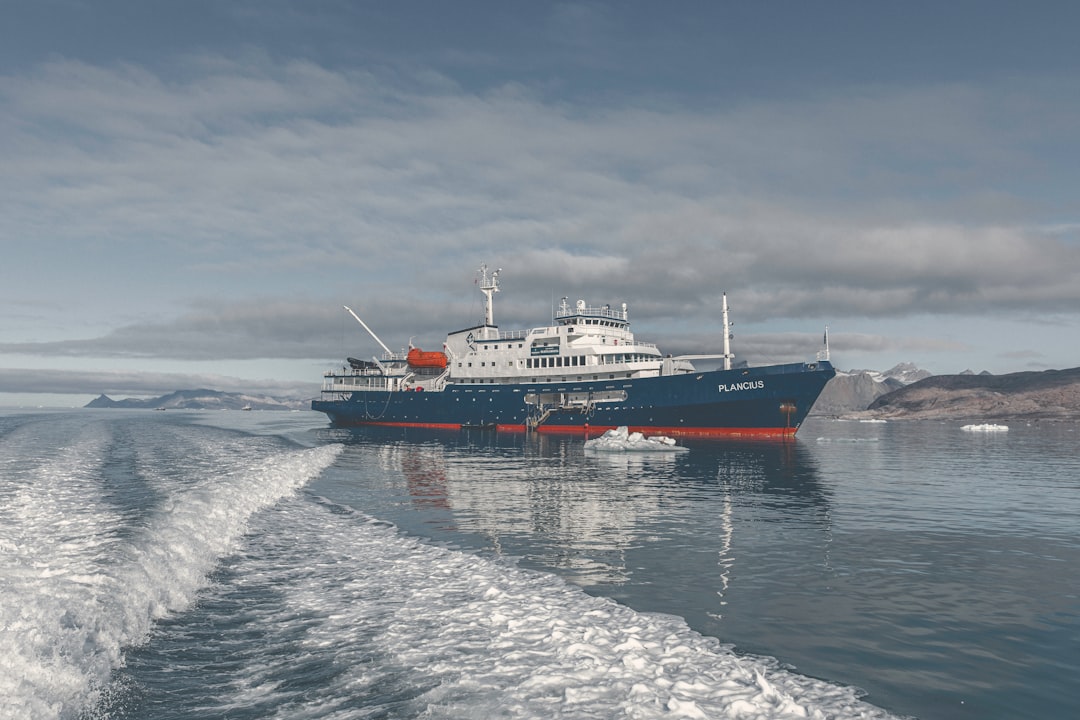
Arctic shipping has emerged as a critical component of global trade, particularly as climate change continues to alter the landscape of the polar regions. The melting ice caps have opened new maritime routes that significantly reduce travel time between major markets. For instance, the Northern Sea Route, which runs along the Russian coast, offers a shortcut between Europe and Asia, allowing vessels to bypass the lengthy Suez Canal route.
This shift not only enhances efficiency but also has the potential to reshape global supply chains, making Arctic shipping an area of increasing interest for nations and corporations alike. Moreover, the Arctic region is rich in natural resources, including oil, gas, and minerals. As traditional sources of these commodities become depleted or more challenging to access, the Arctic presents a new frontier for exploration and extraction.
The ability to transport these resources efficiently is paramount for economic growth and energy security. Thus, the significance of Arctic shipping extends beyond mere transportation; it encompasses geopolitical strategy, environmental considerations, and economic viability in a rapidly changing world.
Key Takeaways
- Arctic shipping is crucial for global trade but faces significant environmental and navigational challenges.
- Nuclear-powered icebreakers offer enhanced capabilities to navigate and maintain Arctic shipping routes year-round.
- Russia leads in expanding its nuclear-powered icebreaker fleet, while the U.S. is developing its own vessels to strengthen Arctic presence.
- International cooperation is essential to address environmental concerns and ensure safe, sustainable Arctic shipping.
- Nuclear-powered icebreakers are key to unlocking economic opportunities and securing the future of Arctic maritime routes.
Challenges of Arctic Shipping
Despite its potential advantages, Arctic shipping is fraught with challenges that can hinder its development. One of the most pressing issues is the unpredictable nature of Arctic weather and ice conditions. The region is characterized by extreme temperatures and rapidly changing weather patterns, which can pose significant risks to vessels navigating these waters.
Icebergs, pack ice, and shifting ice floes can create hazardous conditions that require specialized knowledge and equipment to navigate safely.
Ports are limited, and existing facilities may not be equipped to handle the demands of increased maritime traffic.
This deficiency can lead to logistical challenges, including delays in loading and unloading cargo, which can negate some of the time savings offered by shorter shipping routes. Furthermore, the remoteness of the region means that emergency response capabilities are often inadequate, raising concerns about safety and environmental protection in the event of an accident.
Introduction to Nuclear-Powered Icebreakers
Nuclear-powered icebreakers represent a significant advancement in Arctic shipping technology, designed specifically to address the unique challenges posed by polar navigation. These vessels are equipped with nuclear reactors that provide a virtually unlimited source of power, enabling them to operate in extreme conditions without the need for frequent refueling. This capability allows icebreakers to maintain continuous operations in icy waters, ensuring that shipping routes remain open and navigable.
The development of nuclear-powered icebreakers has been primarily driven by countries with vested interests in Arctic shipping, particularly Russia. The Russian fleet of nuclear icebreakers has been instrumental in maintaining access to vital shipping lanes and facilitating resource extraction in the region. As global interest in Arctic shipping grows, the role of these powerful vessels becomes increasingly critical in ensuring safe and efficient navigation through some of the world’s most challenging waters.
Advantages of Nuclear-Powered Icebreakers
The advantages of nuclear-powered icebreakers extend beyond their operational capabilities. One of the most significant benefits is their ability to break through thick ice with relative ease, allowing them to create safe passages for commercial vessels. This capability is essential for maintaining year-round access to Arctic shipping routes, which can be crucial for industries reliant on timely deliveries of goods and resources.
Furthermore, nuclear-powered icebreakers are designed for long-term missions without the need for frequent refueling stops. This feature not only enhances their operational efficiency but also reduces logistical complexities associated with fuel supply in remote areas. The extended range and endurance of these vessels make them ideal for conducting scientific research and monitoring environmental changes in the Arctic, contributing valuable data to our understanding of this fragile ecosystem.
The Expansion of Russia’s Nuclear-Powered Icebreaker Fleet
| Country | Number of Nuclear-Powered Icebreakers | Fleet Names | Maximum Icebreaking Thickness (meters) | Year Commissioned | Primary Use |
|---|---|---|---|---|---|
| Russia | 7 | Arktika, Sibir, 50 Let Pobedy, Taymyr, Yamal, Ural, Novaya Zemlya | Up to 3 meters | 1975 – 2020 | Arctic shipping, scientific research, military support |
| United States | 0 | N/A | N/A | N/A | Uses conventionally powered icebreakers |
| Canada | 0 | N/A | N/A | N/A | Uses conventionally powered icebreakers |
| Finland | 0 | N/A | N/A | N/A | Uses conventionally powered icebreakers |
Russia has long been at the forefront of Arctic exploration and shipping, and its investment in nuclear-powered icebreakers reflects its commitment to maintaining dominance in this strategic region. The Russian fleet currently includes several operational nuclear icebreakers, with plans for expansion underway. Newer models are being developed with advanced technologies that enhance their icebreaking capabilities and improve safety features.
This expansion is not merely a matter of national pride; it is also a strategic move to secure Russia’s interests in the Arctic. As global shipping routes become more accessible due to climate change, Russia aims to position itself as a key player in Arctic trade. By bolstering its fleet of nuclear-powered icebreakers, Russia seeks to ensure that it can effectively manage increased maritime traffic while safeguarding its territorial claims and resource extraction efforts.
The United States’ Plans for Nuclear-Powered Icebreakers
In contrast to Russia’s robust fleet, the United States has faced criticism for its limited capabilities in Arctic shipping. Historically, U.S. investment in icebreaker technology has lagged behind that of its Russian counterpart.
However, recognizing the strategic importance of the Arctic, recent years have seen renewed interest in developing nuclear-powered icebreakers within the U.S. Navy and Coast Guard. Plans are underway to construct new icebreakers that will enhance U.S.
presence in Arctic waters. These vessels are expected to incorporate cutting-edge technology that not only improves icebreaking efficiency but also addresses environmental concerns associated with nuclear power. By investing in nuclear-powered icebreakers, the United States aims to bolster its operational capabilities in the Arctic while ensuring that it remains competitive in a region where geopolitical tensions are on the rise.
International Collaboration on Arctic Shipping
As interest in Arctic shipping grows, so does the need for international collaboration among nations operating in this sensitive region. The complexities of navigating Arctic waters require cooperation on various fronts, including safety protocols, environmental protection measures, and search-and-rescue operations.
Organizations such as the Arctic Council play a crucial role in facilitating dialogue among Arctic nations. Through collaborative efforts, member states can share best practices and develop joint initiatives aimed at enhancing maritime safety and environmental stewardship. By fostering international cooperation, stakeholders can address common challenges associated with Arctic shipping while promoting sustainable development in this fragile ecosystem.
Environmental Concerns and Nuclear-Powered Icebreakers
While nuclear-powered icebreakers offer significant advantages for Arctic shipping, they also raise important environmental concerns that must be addressed. The potential risks associated with nuclear power—such as accidents or leaks—pose a threat to the delicate Arctic environment. Any incident involving a nuclear vessel could have catastrophic consequences for marine life and ecosystems already under stress from climate change.
Moreover, increased shipping traffic in the Arctic raises concerns about pollution and its impact on wildlife habitats. The introduction of more vessels into these pristine waters could lead to oil spills, noise pollution, and disturbances to marine species. As such, it is imperative that operators of nuclear-powered icebreakers adhere to stringent environmental regulations and implement measures to mitigate their ecological footprint.
The Future of Arctic Shipping with Nuclear-Powered Icebreakers
The future of Arctic shipping is likely to be shaped significantly by advancements in nuclear-powered icebreaker technology. As climate change continues to open new maritime routes, these vessels will play an essential role in ensuring safe navigation through increasingly accessible yet challenging waters. Their ability to operate year-round will facilitate trade and resource extraction while providing critical support for scientific research initiatives.
However, the future also hinges on how nations address environmental concerns associated with increased shipping activity. Balancing economic opportunities with ecological preservation will be paramount as stakeholders navigate the complexities of Arctic shipping. By prioritizing sustainable practices and investing in innovative technologies, countries can harness the potential of nuclear-powered icebreakers while safeguarding one of the planet’s most vulnerable regions.
Economic Opportunities and Arctic Shipping
The economic opportunities presented by Arctic shipping are vast and varied. As new routes become navigable due to melting ice, businesses stand to benefit from reduced transportation costs and shorter delivery times. This shift could lead to increased trade between Europe and Asia, fostering economic growth across multiple sectors.
Additionally, the extraction of natural resources from the Arctic presents lucrative prospects for energy companies and mining operations. With efficient transportation facilitated by nuclear-powered icebreakers, these industries can capitalize on previously inaccessible reserves. However, it is crucial that economic pursuits do not come at the expense of environmental integrity or indigenous communities who rely on these ecosystems for their livelihoods.
The Role of Nuclear-Powered Icebreakers in Securing Arctic Shipping
In conclusion, nuclear-powered icebreakers are poised to play a pivotal role in shaping the future of Arctic shipping amidst a backdrop of changing climate conditions and increasing global interest in this remote region. Their unique capabilities enable them to navigate treacherous icy waters while ensuring safe passage for commercial vessels engaged in trade and resource extraction. As nations invest in their fleets and collaborate on international standards for Arctic navigation, it is essential that they remain vigilant about environmental concerns associated with increased shipping activity.
By prioritizing sustainability alongside economic development, stakeholders can harness the potential of nuclear-powered icebreakers while protecting one of Earth’s most fragile ecosystems for generations to come.
The increasing interest in Arctic shipping routes has led to discussions about the necessity of a nuclear-powered icebreaker fleet to ensure safe passage through the region’s treacherous waters. For more insights on this topic, you can read a related article that explores the implications of Arctic shipping and the role of icebreakers in facilitating maritime trade. Check it out here: Arctic Shipping and Icebreaker Fleet.
FAQs
What is an icebreaker ship?
An icebreaker is a special type of ship designed to navigate through ice-covered waters. It has a strengthened hull, a powerful engine, and a unique shape that allows it to break and clear paths through sea ice, enabling other vessels to pass safely.
Why are nuclear-powered icebreakers used in the Arctic?
Nuclear-powered icebreakers are used in the Arctic because they can operate for long periods without refueling, provide high power to break thick ice, and have greater endurance and range compared to conventional diesel-powered icebreakers. This makes them ideal for the harsh and remote Arctic environment.
Which countries operate nuclear-powered icebreaker fleets?
Russia is the primary country operating a fleet of nuclear-powered icebreakers. It has the largest and most advanced fleet, which plays a crucial role in maintaining year-round navigation along the Northern Sea Route and supporting Arctic exploration and shipping.
What are the main functions of Arctic icebreaker fleets?
Arctic icebreaker fleets facilitate safe maritime navigation through ice-covered waters, support scientific research, assist in search and rescue operations, enable resource exploration and extraction, and help maintain sovereignty and security in the Arctic region.
How does the Northern Sea Route benefit from nuclear-powered icebreakers?
The Northern Sea Route benefits from nuclear-powered icebreakers by allowing commercial and cargo ships to transit the Arctic more efficiently and safely throughout the year. Icebreakers clear the path through thick ice, reducing travel time and fuel consumption compared to traditional routes.
Are nuclear-powered icebreakers environmentally safe?
Nuclear-powered icebreakers are designed with strict safety measures to prevent radiation leaks and environmental contamination. While they produce no greenhouse gas emissions during operation, concerns remain about nuclear waste management and potential accidents, which are carefully regulated by international and national authorities.
What is the future outlook for Arctic nuclear-powered icebreaker fleets?
The future outlook includes modernization and expansion of nuclear-powered icebreaker fleets, especially by Russia, to support increasing Arctic shipping traffic, resource development, and strategic interests. Advances in technology aim to improve safety, efficiency, and environmental performance.