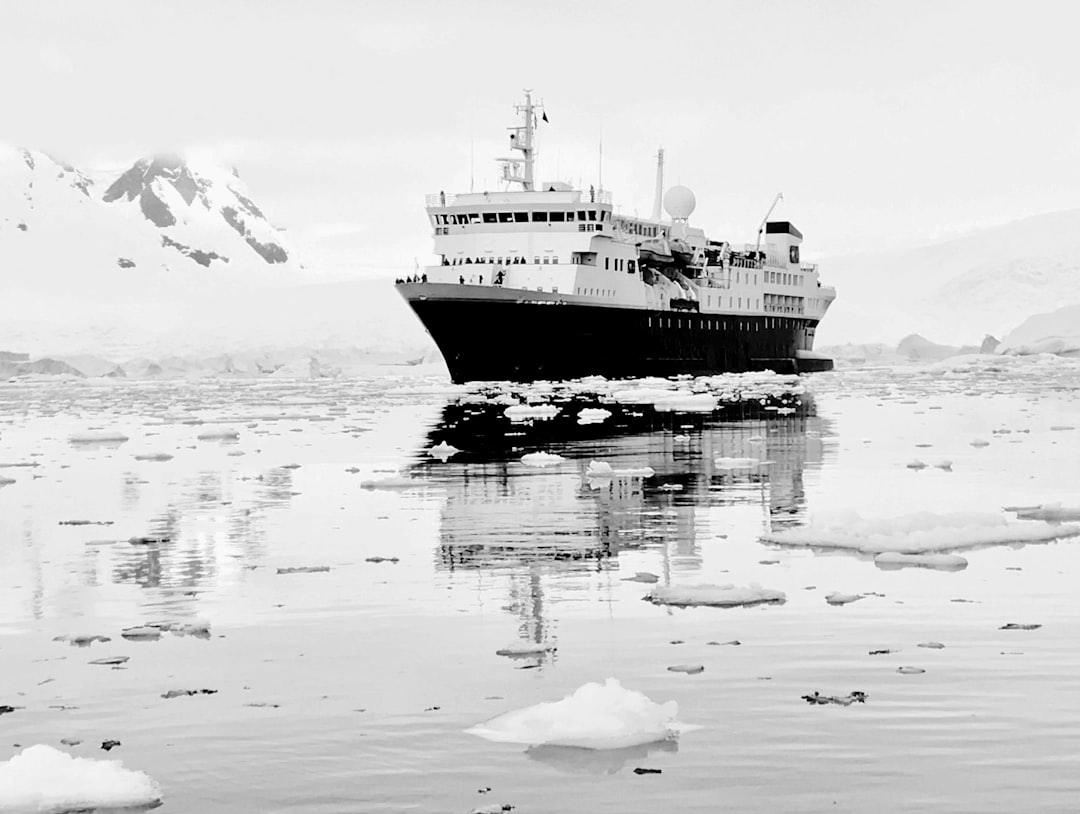
Arctic shipping has gained significant attention due to climate change-induced ice cap reduction, which has increased accessibility to previously impassable maritime routes. The Northern Sea Route along Russia’s Arctic coast and the Northwest Passage through the Canadian Arctic Archipelago now experience extended ice-free periods, enabling commercial vessel transit for longer seasonal windows. These routes offer substantial reductions in shipping distances—the Northern Sea Route can reduce travel time between Europe and Asia by up to 40% compared to traditional routes through the Suez Canal.
The region’s ecosystem is particularly vulnerable to disruption, with marine mammals, seabirds, and fish populations adapted to ice-covered conditions. Current Arctic infrastructure remains underdeveloped, with few deep-water ports, limited search and rescue capabilities, and sparse communication networks across vast distances.
Maritime safety concerns in Arctic waters include ice damage to vessel hulls, equipment failure in extreme cold, and the potential for oil spills in remote locations where cleanup operations would be exceptionally difficult. Navigation systems face additional vulnerabilities, including GPS signal interference and spoofing incidents that can compromise vessel positioning accuracy. The region’s governance involves multiple nations with overlapping territorial claims and varying regulatory frameworks, creating complexity for international shipping operations and environmental protection enforcement.
Key Takeaways
- Navigational spoofing poses significant risks to the safety and efficiency of Arctic shipping routes.
- Corruption exacerbates vulnerabilities in Arctic maritime operations, undermining regulatory enforcement.
- Technological advancements and international cooperation are crucial to combating navigational spoofing.
- Legal frameworks need strengthening to address emerging challenges in Arctic shipping security.
- Environmental and safety concerns demand urgent attention to protect the fragile Arctic ecosystem from shipping-related threats.
The Impact of Navigational Spoofing on Arctic Shipping
Navigational spoofing has emerged as a significant threat to Arctic shipping, undermining the safety and security of vessels operating in these treacherous waters. This malicious practice involves the manipulation of Global Navigation Satellite Systems (GNSS) signals, leading ships to believe they are in a different location than they actually are. The consequences of such deception can be dire, particularly in the Arctic, where unpredictable weather conditions and ice formations can pose serious hazards to navigation.
As vessels become increasingly reliant on technology for navigation, the risks associated with spoofing grow exponentially. The implications of navigational spoofing extend beyond immediate safety concerns. The potential for collisions, grounding, or even environmental disasters increases as vessels navigate based on false information.
Moreover, the economic ramifications can be substantial; shipping companies may face significant financial losses due to delays, accidents, or damage to cargo. The Arctic’s unique geography further complicates matters, as traditional navigational aids may be limited or entirely absent in certain areas. As such, the threat of spoofing not only endangers lives but also jeopardizes the viability of Arctic shipping as a whole.
Understanding Navigational Spoofing
To fully grasp the implications of navigational spoofing in Arctic shipping, it is essential to understand how this phenomenon operates. At its core, spoofing involves the transmission of false GNSS signals that mislead vessels regarding their true position. This can be achieved through various means, including the use of inexpensive hardware and software that can easily be acquired by malicious actors.
The accessibility of such technology has made it increasingly feasible for individuals or groups to engage in spoofing activities, raising alarms among maritime authorities and shipping companies alike. The motivations behind navigational spoofing can vary widely. In some cases, it may be driven by criminal intent, such as piracy or smuggling operations that seek to evade detection.
In other instances, it may stem from geopolitical tensions, where nations attempt to assert control over disputed territories by misleading foreign vessels. Regardless of the motivation, the consequences remain severe. The potential for accidents increases dramatically when vessels are unable to accurately determine their position, leading to a heightened risk of collisions with other ships or icebergs—a particularly dangerous scenario in the Arctic.
The Role of Corruption in Arctic Shipping
Corruption plays a significant role in exacerbating the challenges faced by Arctic shipping. In regions where governance is weak or regulatory frameworks are poorly enforced, corrupt practices can flourish. This can manifest in various forms, including bribery, fraud, and the manipulation of permits and licenses.
Such corruption not only undermines the integrity of maritime operations but also poses serious risks to safety and environmental protection in the Arctic. The interplay between corruption and navigational spoofing is particularly concerning. In some instances, corrupt officials may turn a blind eye to illegal activities or even facilitate them in exchange for bribes.
This creates an environment where unscrupulous actors can operate with impunity, further endangering maritime safety and security. Additionally, corruption can hinder efforts to implement effective regulatory measures designed to combat spoofing and other illicit activities in Arctic waters. As a result, addressing corruption is essential for ensuring the long-term viability and safety of Arctic shipping.
Case Studies of Navigational Spoofing and Corruption in the Arctic
| Metric | Description | Data / Value | Source / Notes |
|---|---|---|---|
| Number of Arctic Shipping Incidents (2023) | Reported cases of navigation spoofing or GPS interference in Arctic waters | 12 | Maritime Security Reports 2023 |
| Percentage of Ships Affected by Spoofing | Proportion of vessels reporting navigation system anomalies due to spoofing | 8% | Arctic Maritime Safety Organization |
| Average Duration of Navigation Corruption Events | Time in minutes that ships experienced corrupted navigation data | 15 minutes | Incident logs from Arctic shipping companies |
| Number of Reported Spoofing Sources | Identified or suspected sources of GPS spoofing in Arctic region | 5 | Security Intelligence Brief 2023 |
| Impact on Shipping Routes | Percentage of rerouted voyages due to navigation corruption | 3% | Arctic Shipping Route Analysis 2023 |
| Investment in Anti-Spoofing Technology | Annual funding allocated to counter navigation spoofing in Arctic shipping | 2 million | Government and Industry Reports |
Several case studies illustrate the real-world implications of navigational spoofing and corruption in Arctic shipping. One notable incident involved a vessel that was misled by spoofed GNSS signals while navigating through treacherous ice fields. The ship’s crew relied on their navigation systems, which had been compromised, leading them into a perilous situation where they nearly collided with an iceberg.
Fortunately, quick thinking by the crew allowed them to avert disaster; however, this incident highlighted the critical need for robust safeguards against spoofing. Another case involved allegations of corruption within a regional port authority that facilitated illegal fishing operations in Arctic waters. Reports indicated that officials were accepting bribes from fishing companies in exchange for permits that allowed them to operate without adhering to environmental regulations.
This not only posed a threat to marine ecosystems but also created an uneven playing field for legitimate operators who complied with regulations. Such cases underscore the urgent need for transparency and accountability in Arctic shipping practices.
Legal and Regulatory Framework for Arctic Shipping
The legal and regulatory framework governing Arctic shipping is complex and often fragmented. Various international treaties and agreements exist to address issues related to navigation, environmental protection, and maritime safety; however, enforcement remains a significant challenge. The United Nations Convention on the Law of the Sea (UNCLOS) provides a foundational legal framework for maritime activities but does not specifically address many of the unique challenges posed by Arctic shipping.
In addition to international agreements, regional initiatives have emerged to enhance cooperation among Arctic nations. The Arctic Council plays a crucial role in fostering dialogue and collaboration on issues related to sustainable development and environmental protection in the region. However, gaps remain in terms of regulatory oversight and enforcement mechanisms.
Strengthening these frameworks is essential for addressing the challenges posed by navigational spoofing and corruption while ensuring safe and responsible shipping practices in the Arctic.
Technology and Solutions to Combat Navigational Spoofing
As navigational spoofing continues to pose significant risks to Arctic shipping, technological solutions are being developed to counteract this threat. Advanced GNSS systems equipped with anti-spoofing capabilities are being explored as a means of enhancing navigational accuracy and security. These systems utilize multiple signal sources and sophisticated algorithms to detect anomalies in GNSS signals, allowing vessels to identify potential spoofing attempts before they can cause harm.
In addition to technological advancements, there is a growing emphasis on improving crew training and awareness regarding navigational spoofing. By educating mariners about the risks associated with spoofing and providing them with tools to recognize potential threats, shipping companies can enhance overall safety in Arctic waters. Furthermore, collaboration between industry stakeholders and governmental agencies is essential for developing comprehensive strategies that address both technological vulnerabilities and human factors contributing to navigational risks.
International Cooperation and Collaboration in Addressing Arctic Shipping Issues
International cooperation is paramount in addressing the multifaceted challenges associated with Arctic shipping. Given the transboundary nature of many issues—such as navigational spoofing and corruption—collaborative efforts among Arctic nations are essential for developing effective solutions. Initiatives such as joint exercises among coast guards and maritime authorities can enhance preparedness and response capabilities while fostering trust among nations operating in the region.
Moreover, information sharing plays a critical role in combating navigational spoofing and corruption. Establishing platforms for exchanging data on incidents, best practices, and emerging technologies can empower stakeholders to respond more effectively to threats. By working together, Arctic nations can create a unified front against illicit activities that jeopardize maritime safety and environmental integrity.
Environmental and Safety Implications of Navigational Spoofing and Corruption
The environmental implications of navigational spoofing and corruption in Arctic shipping cannot be overstated.
When vessels are misled by spoofed signals or operate without proper oversight due to corrupt practices, the risk of accidents or environmental degradation escalates significantly.
Safety concerns also extend beyond immediate threats to vessels themselves; they encompass broader implications for communities that rely on healthy marine ecosystems for their livelihoods. Indigenous populations in the Arctic depend on sustainable fishing practices and clean waters for their cultural heritage and economic well-being. Therefore, addressing navigational spoofing and corruption is not only crucial for ensuring safe shipping operations but also for safeguarding the rights and livelihoods of those who call the Arctic home.
Future Outlook for Arctic Shipping and Measures to Address Navigational Spoofing and Corruption
The future outlook for Arctic shipping remains uncertain as climate change continues to reshape the region’s landscape. While new opportunities for trade may arise from melting ice caps, so too do challenges related to safety, security, and environmental protection. To navigate this evolving landscape effectively, stakeholders must prioritize measures aimed at combating navigational spoofing and corruption.
Investments in research and development will be essential for advancing technologies that enhance navigational accuracy while mitigating risks associated with spoofing. Additionally, fostering a culture of transparency within maritime operations will be critical for addressing corruption at all levels. By promoting ethical practices among industry players and strengthening regulatory frameworks, stakeholders can work towards creating a safer and more sustainable future for Arctic shipping.
Conclusion and Recommendations
In conclusion, navigating the complexities of Arctic shipping requires a multifaceted approach that addresses both navigational spoofing and corruption head-on. As opportunities for trade expand in this fragile region, so too do the risks associated with increased maritime activity. It is imperative that stakeholders—governments, industry leaders, indigenous communities—collaborate effectively to develop comprehensive strategies that prioritize safety, security, and environmental protection.
Recommendations include enhancing international cooperation through information sharing initiatives; investing in advanced technologies that bolster navigational security; strengthening regulatory frameworks; and fostering transparency within maritime operations. By taking proactive measures now, stakeholders can help ensure that Arctic shipping remains safe, sustainable, and beneficial for all who depend on its resources while preserving the integrity of this unique environment for generations to come.
Recent concerns about Arctic shipping have highlighted the issue of spoofing in navigation systems, which can lead to significant safety and environmental risks. A related article discusses the implications of this technology on maritime operations in the Arctic region. For more insights, you can read the article on MyGeoQuest by following this link: MyGeoQuest.
FAQs
What is Arctic shipping spoofing?
Arctic shipping spoofing refers to the deliberate falsification or manipulation of navigational data, such as GPS signals, to mislead ships operating in the Arctic region. This can cause vessels to appear in incorrect locations or follow false routes.
Why is navigation corruption a concern in Arctic shipping?
Navigation corruption in Arctic shipping is a concern because it can lead to accidents, environmental damage, and security risks. The Arctic environment is harsh and remote, making accurate navigation critical for safe passage and emergency response.
How does spoofing affect navigation systems?
Spoofing affects navigation systems by transmitting counterfeit signals that override or confuse legitimate GPS data. This can cause ships to misinterpret their position, speed, or direction, potentially leading to collisions or grounding.
What are the potential consequences of navigation spoofing in the Arctic?
Consequences include increased risk of maritime accidents, disruption of shipping routes, environmental hazards from spills or groundings, and challenges to search and rescue operations. It can also undermine trust in navigational technologies.
Who might be responsible for Arctic shipping spoofing?
Spoofing can be conducted by malicious actors such as cybercriminals, state-sponsored groups, or competitors aiming to disrupt shipping operations, cause economic damage, or gain strategic advantages.
What measures are in place to prevent navigation spoofing in the Arctic?
Measures include the use of multi-layered navigation systems, signal authentication technologies, increased monitoring and detection of spoofing activities, and international cooperation to establish regulations and response protocols.
How can ships detect if they are being spoofed?
Ships can detect spoofing by cross-referencing GPS data with other navigation tools like radar, inertial navigation systems, and visual landmarks. Sudden or unexplained changes in position or signal quality may indicate spoofing.
Is spoofing unique to the Arctic region?
No, spoofing can occur anywhere GPS signals are used. However, the Arctic’s challenging environment and increasing shipping traffic make navigation spoofing particularly concerning in this region.
What role does technology play in combating navigation corruption?
Advanced technologies such as encrypted GPS signals, anti-spoofing algorithms, and real-time monitoring systems help detect and mitigate navigation corruption, enhancing the safety and reliability of Arctic shipping.
How can international cooperation help address Arctic navigation spoofing?
International cooperation facilitates information sharing, coordinated monitoring, development of common standards, and joint response strategies, which are essential for effectively managing navigation spoofing threats in the Arctic.