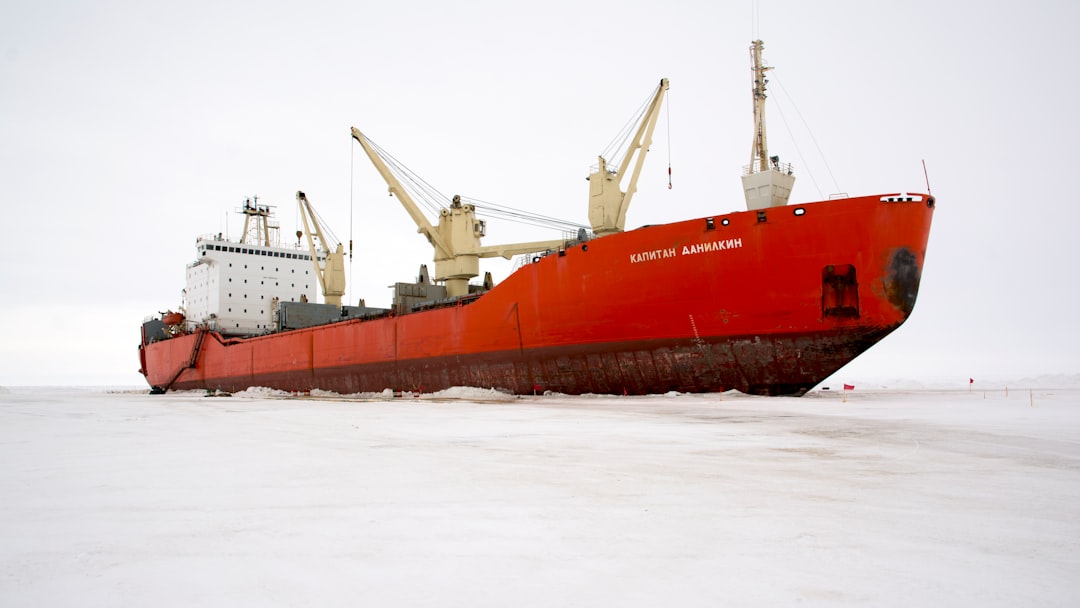
Arctic shipping has gained significant attention in global trade as ice melt creates access to new maritime routes. The Northern Sea Route along Russia’s coast and the Northwest Passage through the Canadian Arctic Archipelago are experiencing increased navigability, reducing transit distances between Asia, Europe, and North America by up to 40% compared to traditional routes through the Suez or Panama canals. The Arctic environment presents distinct operational challenges for maritime transport.
Temperatures can drop below -40°C, sea ice coverage varies seasonally and annually, and weather conditions change rapidly. These factors require vessels to meet specific ice-class standards, employ experienced Arctic navigators, and carry specialized equipment including reinforced hulls, enhanced communication systems, and emergency survival gear. Operating costs increase substantially due to these requirements, higher fuel consumption in cold conditions, and limited port infrastructure.
Insurance considerations for Arctic shipping involve multiple risk factors. Environmental hazards include ice damage, extreme weather events, and limited search and rescue capabilities in remote areas. The region’s sensitive ecosystem means potential environmental liability from oil spills or other incidents can be severe.
Regulatory frameworks vary between Arctic nations, creating compliance complexities. Additionally, the seasonal nature of Arctic navigation, typically limited to summer months, affects scheduling reliability and cargo delivery timelines.
Key Takeaways
- Arctic shipping faces unique environmental and regulatory challenges that drive up insurance costs.
- Climate change is increasing both opportunities and risks in Arctic maritime routes.
- Comprehensive insurance coverage is essential due to heightened environmental hazards and incident rates.
- Recent incidents highlight the need for stricter regulations and improved risk management strategies.
- Effective risk mitigation and adapting to regulatory changes are key to managing future insurance expenses.
Factors Contributing to Rising Insurance Costs
Several factors contribute to the rising costs of insurance in Arctic shipping, with one of the most significant being the inherent risks associated with navigating these treacherous waters. The harsh climate, characterized by extreme cold and unpredictable weather patterns, poses a constant threat to vessels operating in the region. Insurers must account for the potential for accidents, damage to cargo, and even loss of life, all of which can lead to substantial claims.
As a result, underwriters are compelled to raise premiums to mitigate their exposure to these risks.
High-profile accidents, such as groundings or collisions with icebergs, have underscored the need for more stringent risk assessments.
Insurers are now more cautious in their underwriting practices, often requiring additional safety measures and certifications before providing coverage. This cautious approach further drives up insurance costs, as companies must invest in enhanced safety protocols to meet insurer requirements.
Environmental Risks in Arctic Shipping
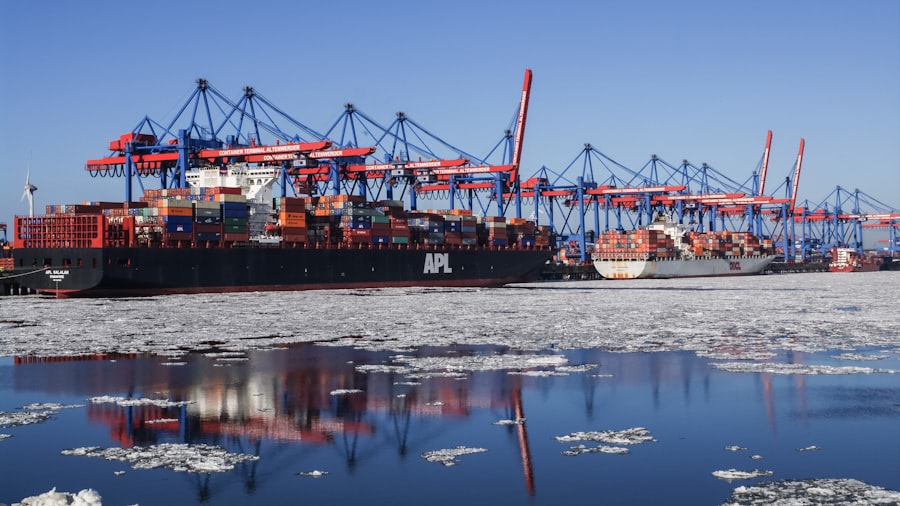
The environmental risks associated with Arctic shipping are profound and multifaceted. The delicate ecosystems of the Arctic are particularly vulnerable to disturbances caused by human activity. Oil spills, for instance, pose a significant threat to marine life and coastal communities.
The remote nature of the Arctic makes response efforts challenging, often resulting in prolonged environmental damage. Insurers must consider these potential impacts when assessing risks and determining coverage options. Moreover, the presence of icebergs and shifting sea ice adds another layer of complexity to environmental risk assessments.
Collisions with ice can lead to catastrophic vessel damage and subsequent pollution incidents. The potential for long-term ecological consequences necessitates a comprehensive understanding of environmental regulations and liability issues. Insurers are increasingly focused on these factors, leading to more stringent underwriting criteria and higher premiums for companies operating in the region.
Impact of Climate Change on Arctic Shipping
Climate change is reshaping the Arctic landscape, with profound implications for shipping operations. As temperatures rise and ice melts at an unprecedented rate, new shipping routes are becoming accessible. While this may present opportunities for increased trade, it also raises concerns about the long-term sustainability of these routes.
The changing environment can lead to unpredictable weather patterns and shifting ice conditions, making navigation more hazardous than ever. Furthermore, climate change exacerbates existing environmental risks associated with Arctic shipping. The melting ice caps not only threaten marine ecosystems but also increase the likelihood of oil spills and other pollution incidents.
As insurers grapple with these evolving risks, they must adapt their policies and pricing structures accordingly. The interplay between climate change and shipping operations underscores the need for a proactive approach to risk management in this rapidly changing environment.
Insurance Coverage Options for Arctic Shipping
| Year | Average Insurance Cost per Voyage (in thousands) | Number of Arctic Shipping Voyages | Percentage Increase in Insurance Costs | Key Factors Influencing Costs |
|---|---|---|---|---|
| 2019 | 120 | 150 | — | Standard risk, limited Arctic traffic |
| 2020 | 135 | 180 | 12.5% | Increased ice hazards, pandemic disruptions |
| 2021 | 160 | 210 | 18.5% | Rising environmental risks, regulatory changes |
| 2022 | 190 | 250 | 18.75% | Higher accident rates, limited rescue infrastructure |
| 2023 | 230 | 300 | 21.05% | Climate volatility, geopolitical tensions |
Navigating the complexities of insurance coverage for Arctic shipping requires a nuanced understanding of available options. Traditional marine insurance policies may not adequately address the unique risks associated with Arctic operations. As such, specialized coverage tailored to the specific challenges of Arctic shipping is becoming increasingly important.
This includes policies that account for ice navigation, environmental liabilities, and enhanced safety measures. In addition to standard hull and machinery coverage, insurers are now offering bespoke policies that address specific risks faced by vessels operating in icy waters. These may include coverage for icebreaker assistance, pollution liability, and even business interruption due to adverse weather conditions.
By providing tailored solutions, insurers can better meet the needs of shipping companies while also managing their own risk exposure.
Case Studies of Recent Arctic Shipping Incidents
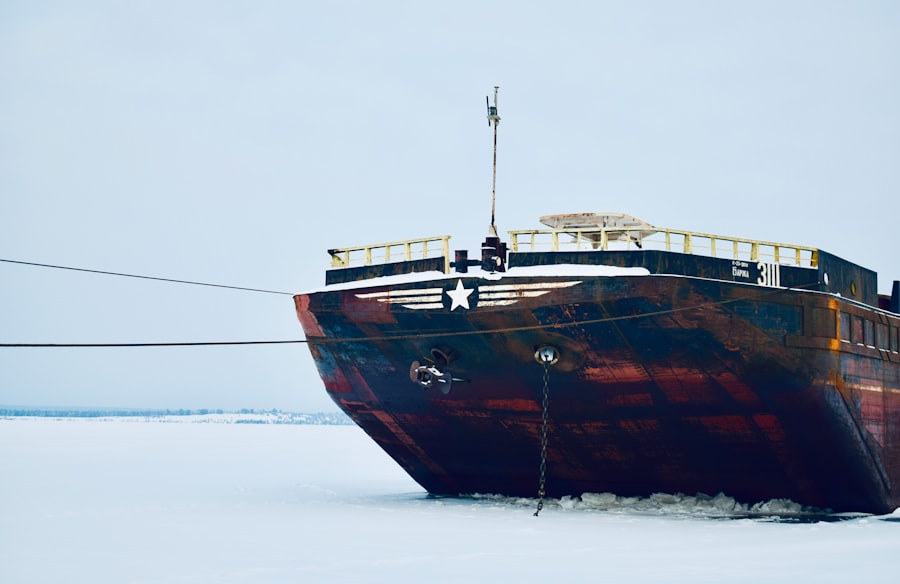
Recent incidents in Arctic shipping have highlighted the inherent risks associated with navigating these challenging waters. One notable case involved a cargo vessel that ran aground in a remote area due to shifting ice conditions. The incident not only resulted in significant damage to the vessel but also raised concerns about potential environmental impacts from fuel leaks and cargo spills.
This case underscored the importance of thorough risk assessments and contingency planning for companies operating in the region.
The vessel experienced mechanical failures that left it stranded in icy waters for several days before rescue efforts could be initiated.
This situation not only posed risks to passenger safety but also highlighted the challenges insurers face when assessing liability in complex scenarios involving multiple stakeholders. These case studies serve as cautionary tales for shipping companies and insurers alike, emphasizing the need for robust risk management strategies.
Regulatory Changes Affecting Arctic Shipping Insurance
The regulatory landscape surrounding Arctic shipping is evolving rapidly in response to increasing activity in the region. International organizations and national governments are implementing stricter regulations aimed at enhancing safety and environmental protection. These changes have significant implications for insurance coverage, as insurers must adapt their policies to align with new legal requirements.
For instance, regulations governing emissions from ships operating in polar waters are becoming more stringent, necessitating compliance from shipping companies. Insurers are now factoring these regulatory changes into their underwriting processes, often requiring additional documentation and proof of compliance before issuing policies. As regulations continue to evolve, shipping companies must stay informed and proactive in addressing these requirements to ensure they maintain adequate insurance coverage.
Strategies for Mitigating Insurance Costs in Arctic Shipping
To navigate the rising costs of insurance in Arctic shipping, companies can adopt several strategies aimed at mitigating risk and enhancing safety protocols. One effective approach involves investing in advanced technology that improves navigation and situational awareness in icy waters. Utilizing ice detection systems and real-time weather monitoring can help vessels avoid hazardous conditions and reduce the likelihood of accidents.
Additionally, fostering a culture of safety within organizations is crucial for minimizing risks associated with Arctic operations. Training crews on best practices for navigating icy waters and conducting regular safety drills can significantly enhance preparedness for emergencies. By demonstrating a commitment to safety and risk management, companies may be able to negotiate more favorable insurance terms with underwriters.
Future Outlook for Arctic Shipping Insurance
The future outlook for Arctic shipping insurance is shaped by a confluence of factors, including climate change, regulatory developments, and evolving market dynamics. As more vessels venture into Arctic waters, insurers will need to continuously adapt their policies to address emerging risks. This may involve developing innovative coverage options that reflect the unique challenges posed by climate change and environmental concerns.
Moreover, collaboration between insurers, shipping companies, and regulatory bodies will be essential in shaping a sustainable future for Arctic shipping insurance. By working together to establish best practices and share knowledge about risk management strategies, stakeholders can create a more resilient framework for navigating the complexities of this evolving industry.
Importance of Risk Management in Arctic Shipping
Effective risk management is paramount in ensuring the safety and sustainability of Arctic shipping operations. Given the unique challenges posed by this environment, companies must prioritize comprehensive risk assessments that consider both operational hazards and environmental impacts. By identifying potential risks early on, organizations can implement proactive measures to mitigate them before they escalate into costly incidents.
Furthermore, fostering strong relationships with insurers is crucial for navigating the complexities of Arctic shipping insurance. Open communication about risk management practices can lead to more favorable coverage terms and conditions. By demonstrating a commitment to safety and environmental stewardship, companies can build trust with underwriters and enhance their overall risk profile.
Navigating the Challenges of Arctic Shipping Insurance
In conclusion, navigating the challenges of Arctic shipping insurance requires a multifaceted approach that addresses both operational risks and environmental concerns. As melting ice opens new maritime routes, shipping companies must remain vigilant in understanding the complexities of this evolving landscape. Rising insurance costs driven by inherent risks necessitate innovative solutions tailored to the unique challenges posed by Arctic operations.
By prioritizing risk management strategies and fostering collaboration among stakeholders, companies can position themselves for success in this dynamic industry. The future of Arctic shipping insurance will depend on adaptability, innovation, and a commitment to sustainability as stakeholders work together to navigate the complexities of this critical sector in global trade.
As the Arctic shipping routes become increasingly navigable due to climate change, the costs associated with insuring vessels in these treacherous waters are on the rise. This trend is highlighted in a related article that discusses the implications of these rising insurance costs for shipping companies and the broader implications for global trade. For more insights, you can read the full article [here](https://www.mygeoquest.com/sample-page/).
FAQs
Why are Arctic shipping insurance costs rising?
Insurance costs for Arctic shipping are rising due to increased risks associated with navigating harsh and unpredictable ice conditions, limited search and rescue infrastructure, and higher potential for environmental damage and vessel damage in the region.
What factors contribute to the higher risks in Arctic shipping?
Factors include extreme weather conditions, presence of sea ice and icebergs, limited availability of emergency response services, remoteness of the region, and the potential for costly environmental incidents.
How does climate change impact Arctic shipping insurance?
While climate change is opening new shipping routes by reducing sea ice, it also introduces unpredictability in ice conditions and weather patterns, which can increase the risk profile and thus insurance premiums.
Are there specific types of insurance required for Arctic shipping?
Yes, Arctic shipping often requires specialized insurance coverage such as hull and machinery insurance, protection and indemnity (P&I) insurance, and additional coverage for ice damage and environmental liabilities.
Who provides insurance for Arctic shipping?
Insurance for Arctic shipping is typically provided by specialized marine insurers and syndicates with expertise in polar risks, including major global insurance markets and Lloyd’s of London.
Can shipping companies reduce insurance costs in the Arctic?
Shipping companies can potentially reduce costs by investing in ice-class vessels, employing experienced crews, following best practices for Arctic navigation, and using advanced ice monitoring and route planning technologies.
What impact do rising insurance costs have on Arctic shipping operations?
Rising insurance costs can increase overall operational expenses, potentially limiting the number of vessels willing to operate in the Arctic and affecting the economic viability of shipping routes in the region.
Is Arctic shipping insurance regulated differently than other maritime insurance?
While Arctic shipping insurance follows general maritime insurance regulations, insurers may impose additional requirements or conditions due to the unique risks of the Arctic environment.