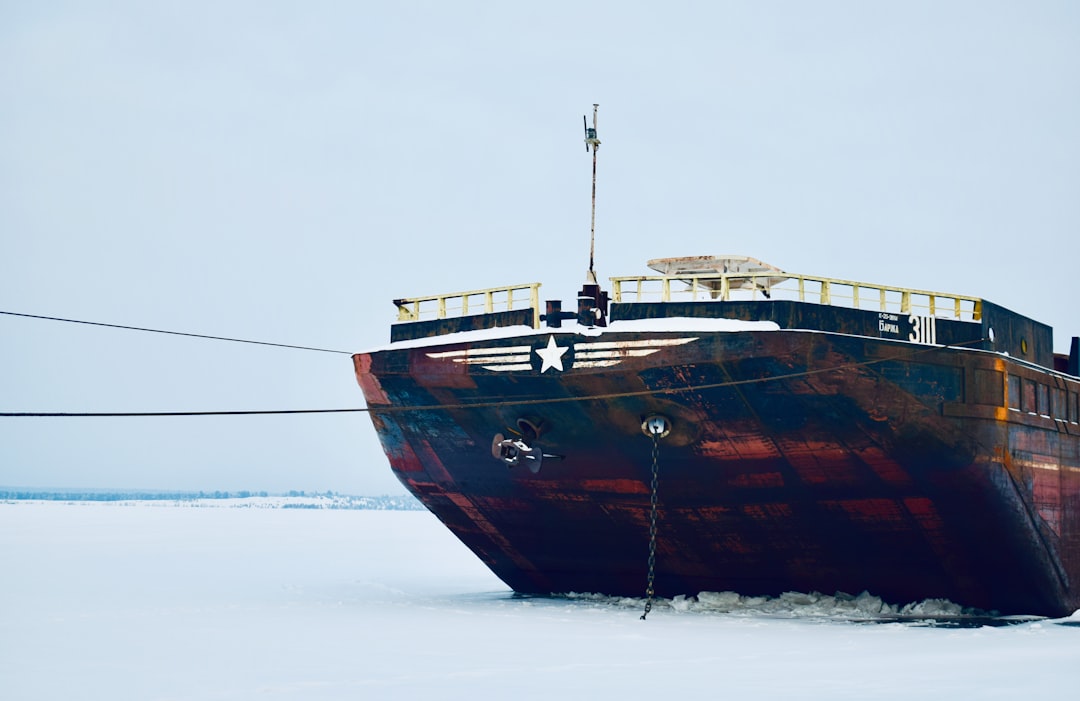
Arctic shipping has become increasingly significant in global trade as climate change alters polar ice conditions. Reduced ice coverage has created new maritime routes that substantially decrease transit times between major commercial markets. The Northern Sea Route along Russia’s Arctic coast and the Northwest Passage through the Canadian Arctic Archipelago now experience extended periods of navigability compared to historical patterns.
These developments create operational opportunities for shipping companies while presenting challenges related to environmental protection, international maritime law, and vessel requirements. Arctic shipping operations require specialized ice-strengthened vessels and often depend on icebreaker support to ensure safe passage through remaining ice formations. Current data indicates growing commercial interest in Arctic routes, with projected increases in vessel traffic as ice conditions continue to change.
This expansion requires enhanced maritime infrastructure, including port facilities, navigation systems, and emergency response capabilities. Icebreakers serve as essential infrastructure for Arctic shipping, providing route clearance and escort services for commercial vessels. Operational challenges include limited icebreaker capacity relative to demand, resulting in vessel queuing and scheduling delays.
Weather conditions, ice thickness variations, and seasonal accessibility windows further influence shipping efficiency. These factors require careful coordination between shipping operators, government agencies, and icebreaker services to maintain safe and economically viable Arctic maritime operations.
Key Takeaways
- Icebreakers are crucial for safe and efficient Arctic shipping by clearing paths through ice-covered waters.
- Queue delays for icebreakers arise from limited icebreaker availability and increasing Arctic shipping traffic.
- These delays negatively affect shipping schedules, increase costs, and pose environmental risks.
- Technological advancements and international cooperation are key strategies to reduce icebreaker queue delays.
- Addressing icebreaker queue delays is essential for sustainable economic growth and environmental protection in the Arctic region.
Importance of Icebreakers in Arctic Shipping
Icebreakers are specialized vessels designed to navigate through ice-covered waters, creating pathways for other ships to follow. Their importance in Arctic shipping cannot be overstated; they are essential for maintaining safe navigation during the harsh winter months when ice conditions can be treacherous. These powerful ships are equipped with reinforced hulls and advanced technology that allow them to break through thick ice, ensuring that trade routes remain open and accessible.
Without icebreakers, many areas of the Arctic would be effectively cut off from maritime traffic, severely limiting economic opportunities. Moreover, icebreakers play a vital role in search and rescue operations, environmental monitoring, and scientific research in the Arctic region. They facilitate access to remote areas for researchers studying climate change and its impacts on polar ecosystems.
Additionally, icebreakers contribute to national security by ensuring that countries can maintain a presence in their Arctic territories. As shipping traffic increases, the demand for icebreaker services is likely to grow, highlighting the need for a well-coordinated approach to managing these critical assets.
Factors Contributing to Icebreaker Queue Delays
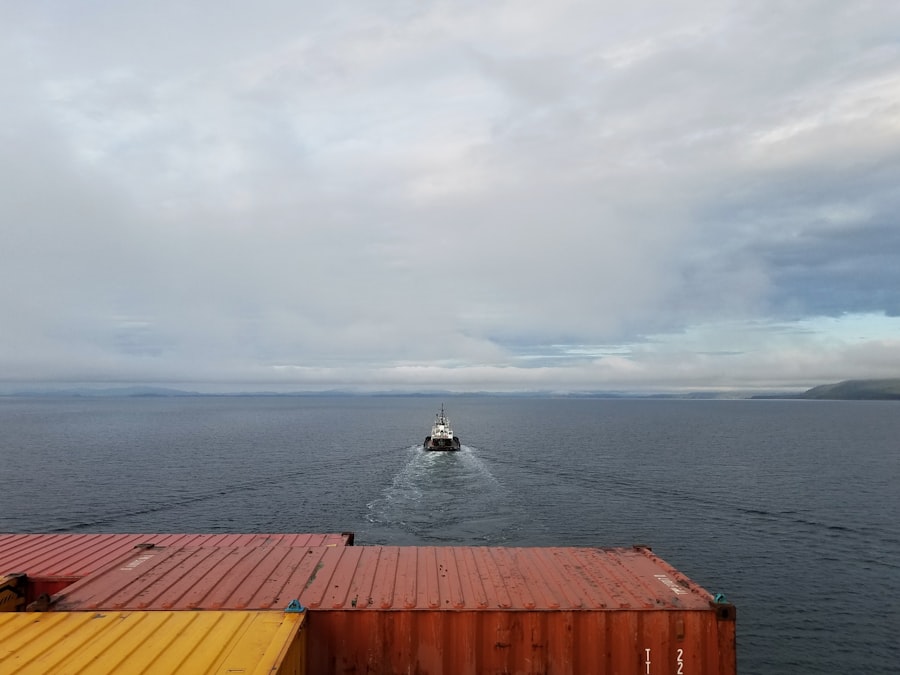
Despite their importance, icebreaker queue delays have become a significant issue in Arctic shipping. Several factors contribute to these delays, with one of the primary reasons being the increasing number of vessels seeking assistance. As more ships enter Arctic waters, the demand for icebreaker services has surged, leading to congestion at key points along shipping routes.
This situation is exacerbated by the limited number of operational icebreakers available, which often struggle to keep pace with the growing demand. Another contributing factor is the unpredictable nature of Arctic weather and ice conditions. The region is known for its rapidly changing weather patterns, which can affect visibility and navigation safety.
Ice conditions can also vary significantly from year to year, making it challenging for icebreakers to predict their operational capabilities accurately. These uncertainties can lead to delays as vessels wait for favorable conditions or for an icebreaker to become available. Additionally, logistical challenges related to crew availability and maintenance schedules can further complicate operations, resulting in longer wait times for ships in need of assistance.
Impact of Icebreaker Queue Delays on Shipping Industry
The delays associated with icebreaker queues have far-reaching implications for the shipping industry. For one, they can lead to increased operational costs for shipping companies. Vessels that are delayed in icy waters may incur additional expenses related to fuel consumption, crew wages, and potential cargo spoilage.
These costs can quickly add up, impacting profit margins and making Arctic shipping less attractive for some companies. Furthermore, delays can disrupt supply chains, leading to missed delivery deadlines and potential penalties for late shipments. In addition to financial repercussions, icebreaker queue delays can also affect the overall reliability of Arctic shipping routes.
As companies face longer wait times and increased uncertainty, they may be less inclined to invest in Arctic operations or expand their services in the region. This reluctance could stifle economic growth opportunities in Arctic communities that rely on shipping for trade and employment. Ultimately, the cumulative effects of these delays could hinder the development of a sustainable and efficient Arctic shipping industry.
Efforts to Address Icebreaker Queue Delays
| Year | Number of Icebreakers Available | Average Queue Delay (hours) | Number of Ships Delayed | Primary Cause of Delay | Region |
|---|---|---|---|---|---|
| 2021 | 5 | 12 | 30 | Ice Thickness | Barents Sea |
| 2022 | 6 | 9 | 25 | High Traffic Volume | Laptev Sea |
| 2023 | 7 | 15 | 40 | Severe Weather | Chukchi Sea |
| 2024 | 6 | 10 | 35 | Icebreaker Maintenance | Kara Sea |
Recognizing the challenges posed by icebreaker queue delays, various stakeholders have begun implementing strategies to mitigate these issues. One approach involves increasing the number of operational icebreakers through investments in new vessels and upgrades to existing ones. Governments and private companies are exploring partnerships to enhance their icebreaking capabilities and ensure that they can meet the growing demand for services in Arctic waters.
In addition to expanding the fleet, efforts are also being made to improve coordination among icebreaker operators and shipping companies. Establishing better communication channels can help streamline operations and reduce wait times for vessels seeking assistance. Moreover, advancements in technology are being leveraged to optimize routing and scheduling processes, allowing icebreakers to operate more efficiently.
By adopting a collaborative approach and embracing innovation, stakeholders aim to create a more responsive and effective system for managing icebreaker services.
Environmental Concerns Related to Icebreaker Queue Delays
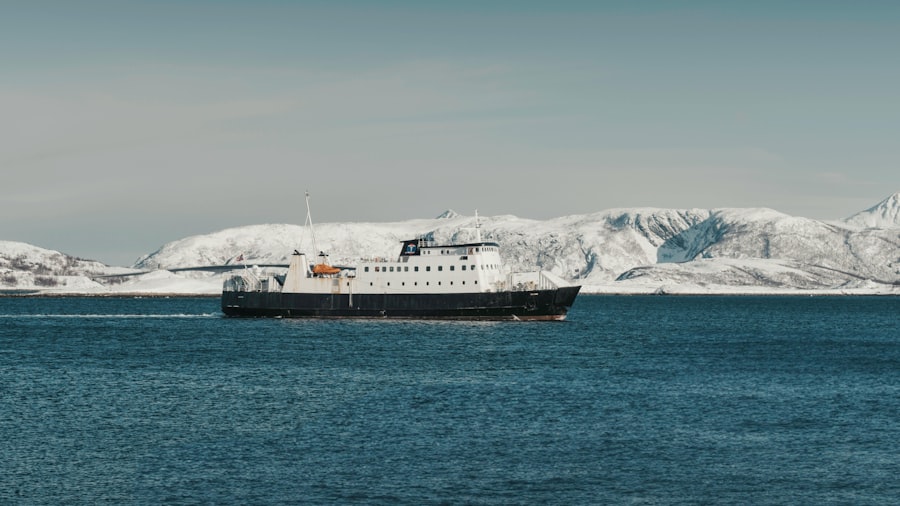
While addressing icebreaker queue delays is crucial for improving shipping efficiency, it is equally important to consider the environmental implications of increased maritime activity in the Arctic. The region is home to fragile ecosystems that are already under threat from climate change and human activity. The presence of more ships and icebreakers can exacerbate these challenges by introducing pollutants into pristine waters and disturbing wildlife habitats.
Furthermore, the increased frequency of shipping operations raises concerns about oil spills and other environmental disasters that could have devastating consequences for local ecosystems. As such, it is essential for stakeholders to prioritize environmental protection alongside efforts to enhance shipping efficiency. Implementing stringent regulations on emissions and waste management practices can help mitigate the ecological impact of increased maritime traffic in the Arctic.
Economic Implications of Icebreaker Queue Delays
The economic implications of icebreaker queue delays extend beyond individual shipping companies; they also affect broader regional economies that depend on maritime trade. Communities in the Arctic often rely on shipping for essential goods and services, including food, fuel, and medical supplies. When delays occur, these communities may face shortages or inflated prices due to disrupted supply chains.
This situation can create significant hardships for residents who depend on timely deliveries. Moreover, as global interest in Arctic resources grows—such as oil, gas, and minerals—the economic stakes associated with efficient shipping become even higher. Delays in accessing these resources can hinder economic development opportunities for both local communities and national economies.
Therefore, addressing icebreaker queue delays is not only a matter of improving operational efficiency but also a critical step toward fostering sustainable economic growth in the Arctic region.
Technological Innovations to Improve Icebreaker Efficiency
To tackle the challenges posed by icebreaker queue delays effectively, technological innovations are being explored to enhance icebreaker efficiency. One promising area of development involves the use of advanced navigation systems that leverage real-time data on weather conditions and ice patterns. By utilizing predictive analytics and machine learning algorithms, operators can make informed decisions about routing and scheduling, ultimately reducing wait times for vessels.
Additionally, there is ongoing research into alternative propulsion systems that could improve fuel efficiency and reduce emissions from icebreakers. Hybrid or fully electric propulsion systems are being tested as potential solutions that align with environmental sustainability goals while maintaining operational effectiveness. By embracing these technological advancements, stakeholders can work towards creating a more efficient and environmentally responsible framework for Arctic shipping.
International Collaboration in Addressing Icebreaker Queue Delays
Addressing icebreaker queue delays requires a concerted effort from multiple nations and organizations involved in Arctic shipping.
Forums such as the Arctic Council provide platforms for dialogue among Arctic nations, enabling them to share best practices and coordinate efforts related to icebreaking services.
Furthermore, partnerships between governments, private companies, and research institutions can facilitate knowledge exchange and foster innovation in icebreaking technologies. Collaborative initiatives aimed at improving infrastructure—such as ports and communication systems—can also enhance overall efficiency in Arctic shipping operations. By working together on these critical issues, nations can ensure that they are well-prepared to meet the challenges posed by increased maritime activity in the region.
Future Outlook for Arctic Shipping and Icebreaker Queue Delays
The future outlook for Arctic shipping remains complex as climate change continues to influence ice conditions and global trade dynamics evolve. While opportunities abound due to new shipping routes becoming accessible, challenges such as icebreaker queue delays will persist unless proactive measures are taken. The demand for efficient icebreaking services is expected to grow alongside increased commercial interest in Arctic resources.
To navigate this evolving landscape successfully, stakeholders must remain adaptable and responsive to changing conditions.
By fostering a sustainable approach to Arctic shipping, stakeholders can help secure a prosperous future for this vital region.
Conclusion and Call to Action for Addressing Icebreaker Queue Delays
In conclusion, addressing icebreaker queue delays is imperative for optimizing Arctic shipping operations while safeguarding environmental integrity and supporting economic growth in local communities. The complexities surrounding this issue require a multifaceted approach that encompasses technological innovation, international collaboration, and a commitment to sustainability. Stakeholders must recognize that their actions today will shape the future of Arctic shipping for generations to come.
A call to action is necessary: governments should prioritize investments in icebreaking capabilities; private companies must embrace technological advancements; and international organizations should facilitate dialogue among nations involved in Arctic shipping. By working together towards common goals, stakeholders can create a more efficient and responsible framework for navigating the challenges posed by increased maritime activity in this fragile region.
Recent reports have highlighted the increasing delays in Arctic shipping due to the growing queue of vessels waiting for icebreaker assistance. This situation has significant implications for global trade and environmental concerns. For a deeper understanding of the challenges and developments in Arctic shipping, you can read more in this related article on MyGeoQuest: MyGeoQuest.
FAQs
What causes delays in Arctic shipping related to icebreaker queues?
Delays occur when multiple vessels require assistance from a limited number of icebreakers to navigate through thick sea ice. The icebreakers must escort ships safely, and when demand exceeds capacity, ships form queues, leading to waiting times.
Why are icebreakers important for Arctic shipping?
Icebreakers are specialized ships designed to break through sea ice, creating navigable paths for cargo and passenger vessels. They enable safer and more efficient passage through ice-covered waters, which are otherwise impassable or dangerous.
How does icebreaker queueing impact shipping schedules?
Queueing can cause significant delays, disrupting planned arrival and departure times. This affects supply chains, increases operational costs, and can lead to missed delivery windows for goods transported via Arctic routes.
Are there enough icebreakers to meet the demand in the Arctic?
Currently, the number of icebreakers is limited compared to the growing volume of Arctic shipping traffic. This imbalance contributes to queueing and delays, highlighting the need for more icebreaking capacity.
What factors influence the length of icebreaker queues?
Factors include the thickness and extent of sea ice, weather conditions, the number of vessels requiring escort, icebreaker availability, and operational efficiency. Seasonal variations also affect ice conditions and shipping demand.
Can technological advancements reduce icebreaker queue delays?
Yes, improvements in icebreaker design, navigation technology, and ice forecasting can enhance icebreaking efficiency. Additionally, better scheduling and communication systems can optimize icebreaker deployment and reduce waiting times.
What are the economic implications of icebreaker queue delays?
Delays increase fuel consumption, labor costs, and cargo handling expenses. They can also disrupt supply chains, leading to higher prices for goods and potential losses for shipping companies and customers.
How do environmental conditions in the Arctic affect icebreaker operations?
Extreme cold, shifting ice patterns, and unpredictable weather can complicate icebreaking efforts. These conditions require specialized equipment and skilled crews to ensure safe and effective navigation.
Are there international regulations governing icebreaker use in the Arctic?
Yes, international maritime laws and agreements, such as those under the International Maritime Organization (IMO), regulate icebreaker operations to ensure safety, environmental protection, and coordination among Arctic nations.
What measures are being taken to address icebreaker queue delays?
Measures include investing in new icebreakers, improving ice navigation technologies, enhancing coordination among shipping companies and authorities, and developing alternative routes to reduce congestion.