
Arctic shipping has emerged as a significant area of interest in recent years, driven by the melting ice caps and the opening of new maritime routes. The Northern Sea Route and the Northwest Passage are becoming increasingly navigable, offering shorter transit times between major global markets. This shift not only presents economic opportunities for shipping companies but also raises geopolitical tensions among nations vying for control over these newly accessible waters.
As the Arctic becomes a focal point for international trade, the implications for security and defense in this region cannot be overlooked. The unique challenges posed by Arctic shipping extend beyond environmental concerns and logistical hurdles. The harsh climate, unpredictable weather patterns, and the presence of icebergs create a complex operational environment for vessels.
However, the growing interest in these routes has also attracted attention from military and non-state actors, leading to an increased risk of electronic warfare. As nations enhance their military capabilities in the Arctic, the need for robust electronic warfare defense systems becomes paramount to ensure the safety and security of maritime operations in this fragile region.
Key Takeaways
- Arctic shipping faces increasing risks from electronic warfare threats due to strategic and environmental challenges.
- Electronic warfare defense systems are crucial for protecting vessels and maintaining secure navigation in the Arctic.
- Various types of electronic warfare defense technologies are being developed and deployed to counteract electronic threats.
- Governments play a key role in supporting and regulating the implementation of these defense systems in Arctic maritime operations.
- Continued investment and technological advancements are essential to enhance the effectiveness of electronic warfare defenses in the evolving Arctic environment.
The Growing Threat of Electronic Warfare in the Arctic
The Arctic is witnessing a surge in military activity, with countries like Russia, the United States, and China expanding their presence in the region. This militarization has brought about a heightened risk of electronic warfare, where adversaries can disrupt or manipulate electronic systems to gain a strategic advantage. The vast and remote nature of the Arctic makes it an ideal testing ground for such tactics, as traditional military assets may be less effective in this challenging environment.
The potential for cyberattacks on shipping vessels and infrastructure poses a significant threat to maritime safety and security. Moreover, the increasing reliance on technology in navigation and communication systems has made Arctic shipping vulnerable to electronic warfare tactics. Ships equipped with advanced navigation systems can be susceptible to jamming or spoofing, which can lead to catastrophic consequences.
As nations continue to assert their interests in the Arctic, the threat of electronic warfare is likely to escalate, necessitating a comprehensive understanding of defense mechanisms to protect maritime operations.
Understanding Electronic Warfare Defense Systems

Electronic warfare defense systems encompass a range of technologies and strategies designed to protect against electronic threats. These systems can detect, analyze, and counteract hostile electronic signals that may interfere with communication, navigation, or operational capabilities. Understanding the various components of electronic warfare defense is crucial for developing effective strategies to safeguard Arctic shipping.
At its core, electronic warfare defense involves three primary functions: electronic support, electronic attack, and electronic protection. Electronic support focuses on gathering intelligence about enemy signals and activities, while electronic attack aims to disrupt or neutralize those signals. Electronic protection encompasses measures taken to safeguard friendly systems from adversarial actions.
The Importance of Electronic Warfare Defense Systems in Arctic Shipping
The significance of electronic warfare defense systems in Arctic shipping cannot be overstated. As maritime routes become more congested and contested, the potential for electronic threats increases exponentially. A successful electronic attack could lead to navigational errors, loss of communication with command centers, or even collisions with other vessels or ice formations.
Therefore, implementing robust defense systems is essential for ensuring safe passage through these treacherous waters. Furthermore, the economic implications of disrupted shipping operations can be severe. Delays caused by electronic warfare incidents can result in significant financial losses for shipping companies and impact global supply chains.
By investing in advanced electronic warfare defense systems, stakeholders can mitigate these risks and enhance the resilience of Arctic shipping operations. The ability to maintain secure communications and reliable navigation is vital for fostering confidence among shipping companies and ensuring the continued growth of this emerging industry.
Types of Electronic Warfare Defense Systems
| Metric | Description | Value / Specification | Unit |
|---|---|---|---|
| System Range | Effective operational range of electronic warfare defense systems in Arctic conditions | 15 | km |
| Frequency Bands Covered | Range of electromagnetic spectrum frequencies the system can detect and jam | 1-18 | GHz |
| Operating Temperature | Temperature range in which the system can reliably operate | -50 to 10 | °C |
| Jamming Power Output | Maximum power output for electronic jamming signals | 500 | Watts |
| Detection Accuracy | Accuracy in identifying and classifying electronic threats | 95 | % |
| System Weight | Total weight of the electronic warfare defense system | 120 | kg |
| Power Consumption | Average power consumption during operation | 1.2 | kW |
| Response Time | Time taken to detect and respond to electronic threats | 0.5 | seconds |
| Environmental Protection Rating | System’s resistance to Arctic environmental factors (water, dust, cold) | IP67 | – |
There are several types of electronic warfare defense systems that can be employed to protect Arctic shipping operations. These systems can be broadly categorized into detection systems, jamming systems, and countermeasure systems. Detection systems are designed to identify potential threats by monitoring electromagnetic signals in the environment.
These systems can provide early warning of hostile activities and enable timely responses to mitigate risks. Jamming systems play a critical role in disrupting enemy communications and navigation signals. By emitting powerful signals that interfere with adversarial transmissions, these systems can effectively neutralize threats before they escalate.
Countermeasure systems are designed to protect friendly assets from electronic attacks by employing techniques such as frequency hopping or signal encryption. Together, these various types of electronic warfare defense systems create a multi-layered approach to safeguarding Arctic shipping operations.
Challenges and Limitations of Electronic Warfare Defense Systems in the Arctic
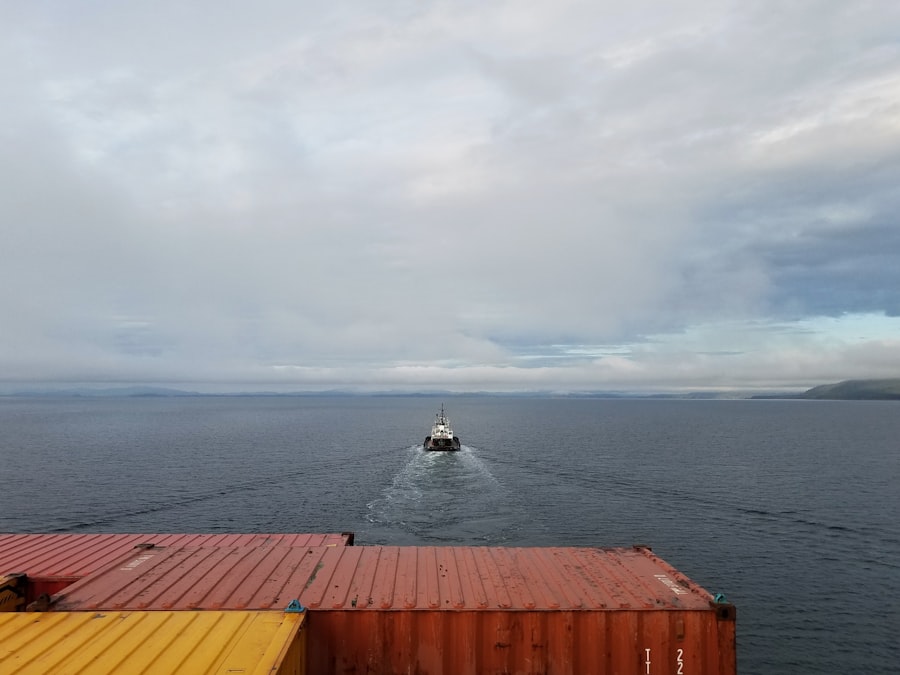
Despite their importance, electronic warfare defense systems face several challenges and limitations in the Arctic environment. One significant hurdle is the harsh weather conditions that can impede the functionality of these systems. Extreme cold temperatures, ice accumulation, and severe storms can affect the performance of electronic equipment, making it difficult to maintain reliable operations.
Additionally, the vastness of the Arctic presents logistical challenges for deploying and maintaining electronic warfare defense systems. The remote nature of many shipping routes means that support infrastructure may be limited or non-existent. This lack of accessibility can hinder timely repairs or upgrades to defense systems, leaving vessels vulnerable to potential threats.
Furthermore, as technology continues to evolve rapidly, keeping pace with advancements in electronic warfare tactics requires ongoing investment and adaptation.
The Role of Governments in Implementing Electronic Warfare Defense Systems
Governments play a crucial role in implementing effective electronic warfare defense systems for Arctic shipping. National security agencies must collaborate with maritime stakeholders to develop comprehensive strategies that address the unique challenges posed by this region. This collaboration can involve sharing intelligence about potential threats, conducting joint exercises to test defense capabilities, and investing in research and development for advanced technologies.
Moreover, international cooperation is essential for establishing norms and protocols regarding electronic warfare in the Arctic. As multiple nations operate in these waters, creating a framework for responsible behavior can help mitigate tensions and reduce the risk of conflict. Governments must prioritize funding for electronic warfare defense initiatives while fostering partnerships with private sector entities involved in Arctic shipping.
Advancements in Electronic Warfare Defense Technology for Arctic Shipping
Recent advancements in electronic warfare defense technology have the potential to significantly enhance the security of Arctic shipping operations. Innovations such as artificial intelligence (AI) and machine learning are being integrated into detection systems to improve threat identification and response times. These technologies can analyze vast amounts of data from various sources, enabling more accurate assessments of potential risks.
Additionally, advancements in miniaturization and mobility have led to the development of portable electronic warfare defense systems that can be deployed on smaller vessels operating in the Arctic. These systems offer flexibility and adaptability, allowing ships to maintain robust defenses even in remote areas where traditional infrastructure may be lacking. As technology continues to evolve, stakeholders must remain vigilant in adopting new solutions that enhance their capabilities against emerging threats.
Case Studies of Successful Implementation of Electronic Warfare Defense Systems
Several case studies illustrate the successful implementation of electronic warfare defense systems in maritime operations. One notable example involves a multinational naval exercise conducted in the Arctic region that focused on testing various electronic warfare capabilities among participating nations. This exercise demonstrated how collaborative efforts could enhance situational awareness and improve response strategies against potential threats.
Another case study highlights a commercial shipping company that integrated advanced electronic warfare defense systems into its fleet operating along Arctic routes. By employing state-of-the-art detection and jamming technologies, this company was able to significantly reduce incidents related to navigational disruptions caused by adversarial actions. These examples underscore the importance of proactive measures in safeguarding maritime operations against electronic threats.
Future Outlook for Electronic Warfare Defense Systems in Arctic Shipping
The future outlook for electronic warfare defense systems in Arctic shipping appears promising yet challenging. As geopolitical tensions continue to rise in this region, the demand for effective defense mechanisms will only increase. Stakeholders must remain proactive in adapting their strategies to address evolving threats while leveraging advancements in technology.
Furthermore, as more nations invest in their military capabilities within the Arctic, there will likely be an increased focus on developing international agreements that govern electronic warfare practices. Establishing clear guidelines can help mitigate risks associated with miscommunication or unintended escalations during military exercises or commercial operations.
The Need for Continued Investment in Electronic Warfare Defense Systems
In conclusion, the need for continued investment in electronic warfare defense systems for Arctic shipping is critical as this region becomes increasingly vital for global trade and national security. The unique challenges posed by harsh environmental conditions and rising geopolitical tensions necessitate robust strategies that protect maritime operations from potential threats. Governments, private sector stakeholders, and international organizations must collaborate to develop comprehensive frameworks that address these challenges effectively.
By prioritizing research and development while fostering partnerships across sectors, stakeholders can enhance their resilience against emerging threats and ensure safe passage through one of the world’s most challenging maritime environments. The future of Arctic shipping depends on proactive measures that safeguard against electronic warfare tactics while promoting stability and cooperation among nations operating in this vital region.
In recent discussions about the strategic implications of Arctic shipping routes, the importance of electronic warfare defense systems has come to the forefront. These systems are crucial for protecting maritime operations in the increasingly contested Arctic region. For a deeper understanding of the geopolitical dynamics at play, you can read more in the related article on Arctic shipping and defense strategies at MyGeoQuest.
FAQs
What are Arctic shipping electronic warfare defense systems?
Arctic shipping electronic warfare defense systems are specialized technologies designed to protect vessels operating in the Arctic region from electronic threats such as jamming, spoofing, and cyber-attacks. These systems help ensure safe navigation and communication in the challenging and remote Arctic environment.
Why is electronic warfare defense important for Arctic shipping?
Electronic warfare defense is crucial for Arctic shipping because the region’s harsh conditions and limited infrastructure make vessels more vulnerable to electronic interference. Protecting navigation and communication systems from electronic attacks helps prevent accidents, ensures operational security, and maintains reliable maritime operations.
What types of electronic threats do Arctic shipping vessels face?
Arctic shipping vessels may face threats including GPS jamming and spoofing, radar interference, cyber-attacks on onboard systems, and communication disruptions. These threats can compromise navigation accuracy, situational awareness, and vessel control.
How do electronic warfare defense systems work on Arctic ships?
These systems use a combination of signal detection, electronic countermeasures, and cybersecurity protocols to identify and mitigate electronic threats. They may include GPS anti-jamming technology, secure communication links, radar signal protection, and intrusion detection systems.
Are there specific challenges in implementing electronic warfare defense in the Arctic?
Yes, the Arctic’s extreme cold, ice conditions, and limited satellite coverage pose challenges for electronic warfare defense systems. Equipment must be ruggedized for low temperatures, and systems need to operate reliably despite potential signal degradation and limited infrastructure.
Who develops and deploys these defense systems for Arctic shipping?
Defense contractors, maritime technology companies, and government agencies specializing in Arctic operations collaborate to develop and deploy electronic warfare defense systems. These stakeholders work to ensure that Arctic shipping vessels are equipped with the latest protective technologies.
Can electronic warfare defense systems improve overall safety in Arctic shipping?
Yes, by protecting critical navigation and communication systems from electronic threats, these defense systems enhance situational awareness, reduce the risk of accidents, and contribute to safer maritime operations in the Arctic.
Is there international cooperation regarding electronic warfare defense in Arctic shipping?
Given the strategic importance of the Arctic and the multinational nature of shipping routes, there is growing international cooperation to establish standards and share best practices for electronic warfare defense to ensure safe and secure maritime operations in the region.