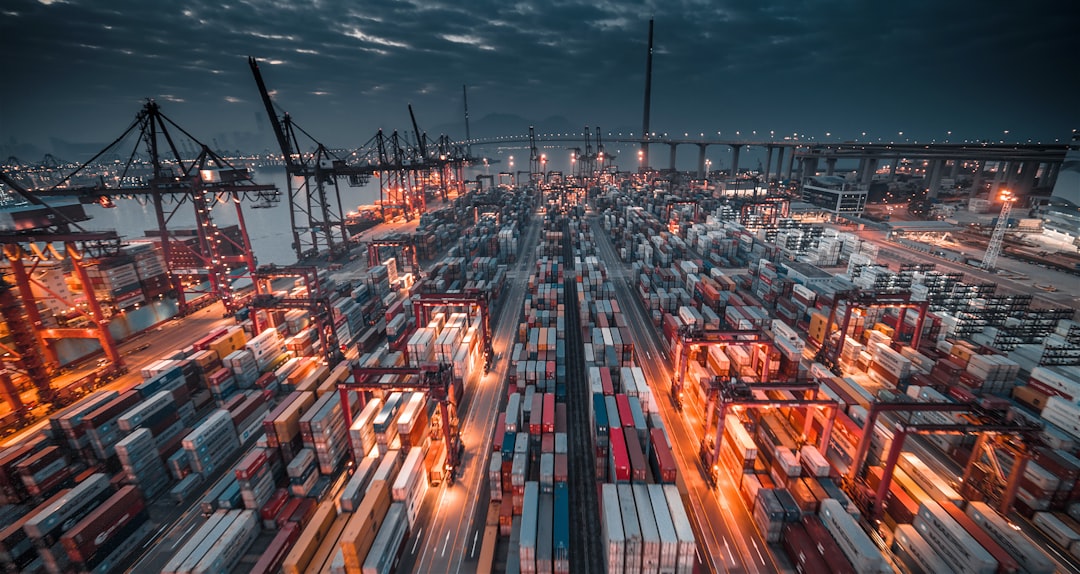
The rise in Arctic shipping has become a focal point of discussion among environmentalists, policymakers, and industry stakeholders. As global temperatures continue to rise, the melting of ice in the Arctic has opened new maritime routes, significantly reducing travel time for shipping companies. However, this increased activity poses a serious threat to the delicate permafrost regions that support critical infrastructure, including pipelines.
The warming climate not only accelerates the thawing of permafrost but also increases the risk of pipeline damage due to ground instability. This situation creates a precarious balance between economic opportunity and environmental sustainability. The consequences of pipeline damage in permafrost regions can be severe.
When pipelines are compromised, they can leak hazardous materials into the environment, leading to contamination of soil and water sources. This not only endangers local ecosystems but also poses health risks to indigenous communities that rely on these resources. Furthermore, the economic implications of such damage can be substantial, as companies may face costly repairs, legal liabilities, and reputational harm.
Thus, the impact of Arctic shipping on permafrost pipeline damage is a multifaceted issue that requires urgent attention and comprehensive strategies to mitigate risks.
Key Takeaways
- Arctic shipping activities contribute to permafrost degradation, increasing pipeline damage risks.
- Permafrost stability is crucial for supporting infrastructure like pipelines in Arctic regions.
- Building and maintaining pipelines in permafrost areas face unique environmental and engineering challenges.
- Damage to permafrost pipelines has significant environmental and economic impacts.
- Innovative monitoring technologies and international regulations are key to mitigating pipeline damage and ensuring sustainable Arctic shipping.
Understanding the Relationship Between Arctic Shipping and Permafrost
To grasp the relationship between Arctic shipping and permafrost, one must first understand the unique characteristics of permafrost itself. Permafrost is defined as ground that remains frozen for two or more consecutive years, and it plays a crucial role in maintaining the stability of the Arctic landscape. As shipping routes expand due to climate change, the increased traffic and associated activities can lead to disturbances in these frozen grounds.
The vibrations from ships and the construction of port facilities can exacerbate thawing, leading to a cycle of instability that threatens existing pipelines. Moreover, the relationship is further complicated by the fact that many pipelines in the Arctic were constructed decades ago when permafrost conditions were more stable. As climate change accelerates, these older infrastructures may not be equipped to handle the new realities of a warming environment.
The interaction between increased shipping activity and the changing state of permafrost creates a complex web of challenges that necessitates a deeper understanding of both phenomena. This understanding is essential for developing effective strategies to protect vital infrastructure while accommodating the growing demands of Arctic shipping.
The Role of Permafrost in Supporting Arctic Shipping
Permafrost plays a dual role in the context of Arctic shipping; it serves both as a foundation for infrastructure and as a barrier to certain shipping activities. On one hand, permafrost provides a stable base for roads, ports, and pipelines that facilitate shipping operations in remote areas. The presence of permafrost allows for the construction of these essential infrastructures without significant risk of subsidence or collapse—at least under historical climate conditions.
This stability has enabled the development of resource extraction industries and trade routes that are vital for local economies. On the other hand, as temperatures rise and permafrost thaws, this stability is increasingly jeopardized. The melting of permafrost can lead to ground subsidence, which poses risks not only to pipelines but also to shipping routes themselves.
Thus, while permafrost has historically supported Arctic shipping by providing a solid foundation for infrastructure, its degradation due to climate change presents significant challenges that must be addressed to ensure safe and efficient maritime operations.
The Challenges of Building and Maintaining Pipelines in Permafrost Regions
Building and maintaining pipelines in permafrost regions is fraught with challenges that stem from the unique environmental conditions present in these areas. One major challenge is the need for specialized construction techniques that account for the potential thawing of permafrost. Traditional pipeline construction methods may not be suitable in these environments, necessitating innovative approaches that can adapt to changing ground conditions.
For instance, elevated pipelines or those with insulation may be required to minimize heat transfer to the surrounding soil. Maintenance is another critical aspect that poses challenges in permafrost regions. As climate change accelerates thawing, pipeline operators must regularly monitor their infrastructure for signs of damage or instability.
This requires investment in advanced monitoring technologies and frequent inspections to ensure that any issues are identified and addressed promptly. The costs associated with these maintenance efforts can be substantial, particularly for companies operating in remote areas where access is limited. Therefore, understanding and addressing these challenges is essential for ensuring the long-term viability of pipelines in permafrost regions.
The Environmental and Economic Consequences of Permafrost Pipeline Damage
| Metric | Value | Unit | Notes |
|---|---|---|---|
| Annual Arctic Shipping Volume | 40 | Million Tonnes | Estimated cargo transported via Arctic routes in 2023 |
| Permafrost Thaw Rate | 3.5 | cm/year | Average thaw depth increase affecting pipeline stability |
| Number of Pipeline Damage Incidents | 12 | Incidents/year | Reported damages linked to permafrost degradation in Arctic regions |
| Average Repair Time for Pipeline Damage | 45 | Days | Time taken to repair permafrost-related pipeline damages |
| Increase in Shipping Traffic (2010-2023) | 150 | Percent | Growth in Arctic shipping volume over 13 years |
| Pipeline Sections at Risk | 25 | Percent | Percentage of pipelines in Arctic zones vulnerable to permafrost thaw |
The environmental consequences of pipeline damage in permafrost regions can be catastrophic. When pipelines leak or rupture, they can release oil or other hazardous materials into the surrounding environment, leading to soil degradation and water contamination. This not only disrupts local ecosystems but also poses significant risks to wildlife and indigenous communities that depend on these natural resources for their livelihoods.
The long-term effects of such contamination can be difficult to remediate, often requiring extensive cleanup efforts that can take years or even decades. Economically, the repercussions of pipeline damage are equally severe. Companies may face hefty fines and legal liabilities resulting from environmental violations, alongside the costs associated with repairs and cleanup efforts.
Additionally, public perception can shift dramatically following an incident, leading to reputational damage that can affect future business opportunities. The interplay between environmental degradation and economic consequences underscores the urgent need for effective risk management strategies in Arctic shipping and pipeline operations.
Strategies for Mitigating Permafrost Pipeline Damage in the Arctic
To mitigate the risks associated with permafrost pipeline damage, several strategies can be employed by industry stakeholders and policymakers alike. One effective approach is the implementation of adaptive engineering practices that take into account the changing conditions of permafrost due to climate change. This may involve using advanced materials that are more resilient to temperature fluctuations or designing pipelines with built-in flexibility to accommodate ground movement.
Another critical strategy involves enhancing monitoring systems to detect early signs of instability or damage. Utilizing remote sensing technologies, such as satellite imagery and ground-penetrating radar, can provide valuable data on ground conditions and help operators make informed decisions regarding maintenance and repairs. Additionally, fostering collaboration between industry stakeholders, government agencies, and local communities can lead to more comprehensive risk management plans that prioritize environmental protection while supporting economic development.
The Importance of Environmental Impact Assessments for Arctic Shipping and Pipeline Projects
Environmental impact assessments (EIAs) play a crucial role in ensuring that Arctic shipping and pipeline projects are developed responsibly. These assessments provide a systematic evaluation of potential environmental consequences associated with proposed projects, allowing stakeholders to identify risks and develop mitigation strategies before construction begins. By incorporating scientific research and community input into the decision-making process, EIAs help ensure that projects align with both environmental sustainability goals and economic interests.
Moreover, EIAs can serve as a valuable tool for fostering transparency and accountability among project developers. By publicly disclosing potential impacts and proposed mitigation measures, companies can build trust with local communities and stakeholders who may be affected by their operations. This collaborative approach not only enhances project outcomes but also contributes to more sustainable practices within the Arctic shipping industry.
Innovative Technologies for Monitoring and Maintaining Permafrost Pipelines in the Arctic
The advent of innovative technologies has revolutionized how pipelines in permafrost regions are monitored and maintained. One such technology is the use of drones equipped with thermal imaging cameras that can detect temperature variations along pipeline routes. This capability allows operators to identify areas where heat transfer may be occurring due to thawing permafrost, enabling proactive maintenance measures before significant damage occurs.
Additionally, advancements in sensor technology have made it possible to deploy real-time monitoring systems that track ground movement and temperature fluctuations continuously. These systems can provide invaluable data that informs decision-making processes regarding pipeline integrity and maintenance schedules. By leveraging these innovative technologies, operators can enhance their ability to manage risks associated with permafrost pipeline damage effectively.
The Role of International Regulations in Managing Arctic Shipping and Permafrost Pipeline Damage
International regulations play a pivotal role in managing Arctic shipping activities and addressing the challenges posed by permafrost pipeline damage. Organizations such as the International Maritime Organization (IMO) have established guidelines aimed at promoting safe shipping practices while minimizing environmental impacts in polar regions. These regulations set standards for vessel design, operational procedures, and emergency response measures that are essential for protecting fragile ecosystems.
Furthermore, international cooperation is crucial for addressing transboundary issues related to Arctic shipping and pipeline operations. Collaborative efforts among Arctic nations can lead to more comprehensive regulatory frameworks that account for shared environmental concerns while facilitating responsible economic development. By fostering dialogue among stakeholders at all levels—local communities, governments, and industry—international regulations can help ensure that Arctic shipping activities are conducted sustainably.
Case Studies of Successful and Unsuccessful Arctic Shipping and Permafrost Pipeline Projects
Examining case studies of both successful and unsuccessful Arctic shipping and permafrost pipeline projects provides valuable insights into best practices and lessons learned. For instance, the successful implementation of elevated pipelines in Alaska demonstrates how adaptive engineering solutions can effectively mitigate risks associated with thawing permafrost. These elevated structures have proven resilient against ground movement while minimizing environmental impacts.
Conversely, incidents such as oil spills resulting from pipeline ruptures highlight the potential consequences of inadequate risk management practices. These failures often stem from insufficient monitoring systems or a lack of understanding regarding changing environmental conditions in permafrost regions. By analyzing these case studies, stakeholders can identify key factors contributing to success or failure, ultimately informing future projects aimed at balancing economic development with environmental protection.
The Future of Arctic Shipping and Permafrost Pipeline Damage: Opportunities and Challenges
The future of Arctic shipping presents both opportunities and challenges as climate change continues to reshape this fragile region. On one hand, increased access to previously unreachable areas offers significant economic potential for resource extraction and trade expansion. However, this growth must be balanced against the pressing need for environmental stewardship in light of ongoing permafrost degradation.
As stakeholders navigate this complex landscape, innovative solutions will be essential for addressing the challenges posed by permafrost pipeline damage while capitalizing on emerging opportunities in Arctic shipping. By prioritizing sustainable practices through adaptive engineering, advanced monitoring technologies, and robust regulatory frameworks, it is possible to create a future where economic development coexists harmoniously with environmental preservation in the Arctic region.
As the impacts of climate change continue to reshape the Arctic landscape, the increase in shipping traffic poses significant risks to the fragile environment, particularly concerning permafrost and pipeline integrity. For a deeper understanding of these challenges, you can read more in the article on Arctic shipping and its implications for permafrost and pipeline damage at My Geo Quest. This resource provides valuable insights into the intersection of climate change, infrastructure, and environmental protection in the Arctic region.
FAQs
What is Arctic shipping?
Arctic shipping refers to the transportation of goods and vessels through the Arctic Ocean and its surrounding seas. This route is becoming more accessible due to melting sea ice caused by climate change, offering shorter paths between major global markets.
How does permafrost affect pipeline infrastructure?
Permafrost is permanently frozen ground found in polar regions. When it thaws, it can cause the ground to become unstable, leading to shifts and damage in pipeline infrastructure built on or within it.
Why is pipeline damage a concern in the Arctic?
Pipeline damage in the Arctic can lead to environmental hazards such as oil spills, disrupt energy supply, and pose safety risks. The remote and harsh conditions make repair and containment efforts challenging.
How does Arctic shipping contribute to permafrost pipeline damage?
Increased Arctic shipping can lead to vibrations, changes in local temperatures, and infrastructure development that may accelerate permafrost thawing, potentially causing damage to pipelines.
What measures are taken to protect pipelines in permafrost regions?
Engineers use specialized construction techniques such as elevating pipelines, insulating them, and monitoring ground temperatures to minimize thawing and maintain pipeline integrity.
What environmental risks are associated with pipeline damage in the Arctic?
Pipeline damage can result in leaks or spills of oil and gas, which threaten fragile Arctic ecosystems, wildlife, and indigenous communities relying on the environment.
How is climate change impacting Arctic shipping and permafrost?
Climate change is causing Arctic sea ice to melt, opening new shipping routes, while simultaneously causing permafrost to thaw, increasing the risk of infrastructure damage including pipelines.
Are there international regulations governing Arctic shipping and pipeline safety?
Yes, various international bodies and agreements, such as the International Maritime Organization (IMO) and Arctic Council guidelines, regulate shipping practices and infrastructure safety to protect the Arctic environment.
What technologies are used to monitor pipeline conditions in permafrost areas?
Technologies include ground temperature sensors, satellite monitoring, drones, and remote sensing to detect ground movement and potential pipeline stress or damage.
Can Arctic shipping be conducted safely without harming permafrost pipelines?
With careful planning, adherence to regulations, and use of advanced technologies, it is possible to conduct Arctic shipping while minimizing risks to permafrost pipelines, though challenges remain due to environmental sensitivity.