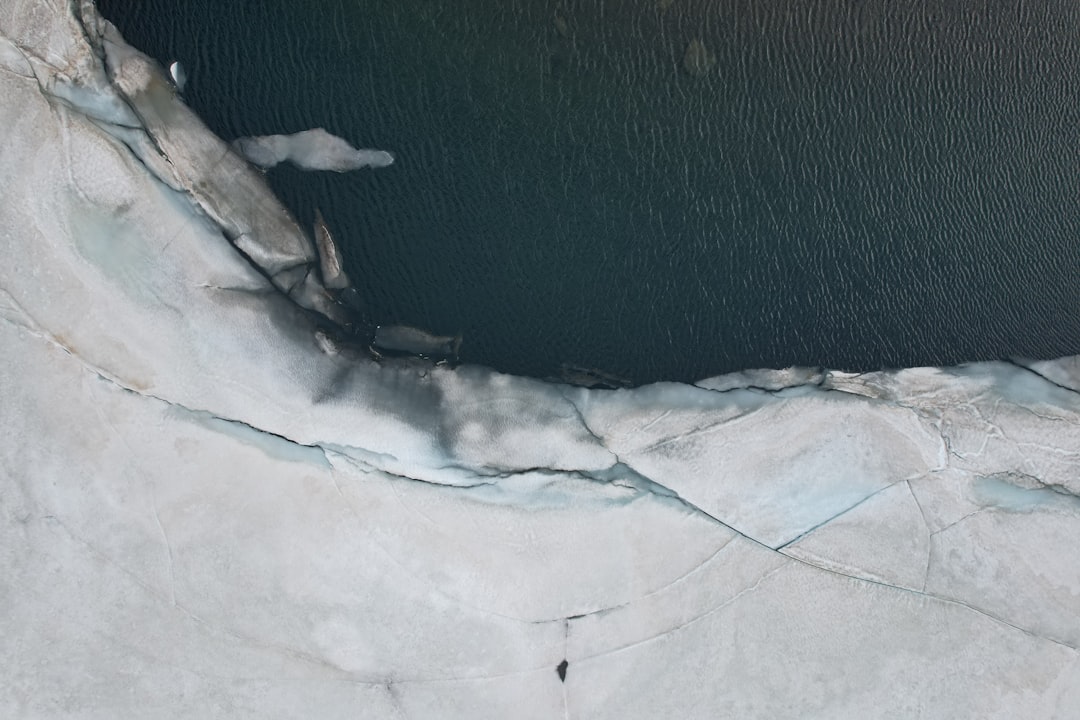
In recent years, the Arctic region has emerged as a focal point for international shipping, driven by climate change and the melting of polar ice. This transformation has opened up new maritime routes that promise to significantly reduce travel time between major global markets. However, the geopolitical landscape surrounding these routes has become increasingly complex, particularly in light of sanctions imposed on certain nations.
These sanctions, often a response to political conflicts or human rights violations, have profound implications for shipping lanes in the Arctic, affecting not only the countries directly involved but also global trade dynamics. The imposition of sanctions on nations with interests in Arctic shipping has raised questions about the future of these routes. As countries navigate the delicate balance between economic interests and political pressures, the Arctic’s potential as a major shipping corridor hangs in the balance.
Key Takeaways
- Arctic route sanctions significantly disrupt traditional shipping lanes, affecting global trade patterns.
- Shipping companies face operational and logistical challenges due to restricted access and increased costs.
- Economic impacts include higher transportation expenses and potential delays in supply chains.
- Environmental concerns arise from increased traffic on alternative routes and potential ecological damage.
- Political tensions escalate as countries respond differently to sanctions, influencing international maritime law and cooperation.
Impact of Sanctions on Shipping Lanes
Sanctions can have a significant impact on shipping lanes, particularly in a region as sensitive and strategically important as the Arctic. When sanctions are imposed on a nation, vessels registered under that flag may find themselves barred from accessing certain ports or engaging in trade with specific countries. This can lead to a re-routing of shipping traffic, as companies seek to avoid potential legal repercussions or financial penalties associated with violating these sanctions.
Consequently, the efficiency and reliability of Arctic shipping routes may be compromised, leading to longer transit times and increased costs for businesses. Moreover, the uncertainty surrounding sanctions can deter investment in Arctic shipping infrastructure. Shipping companies may hesitate to commit resources to develop new routes or enhance existing ones if they fear that geopolitical tensions could lead to further restrictions.
This hesitance can stifle innovation and limit the growth potential of Arctic shipping, ultimately affecting global supply chains that rely on these routes for timely delivery of goods. As a result, the imposition of sanctions not only disrupts current shipping operations but also poses long-term challenges for the development of Arctic maritime trade.
Challenges for Shipping Companies
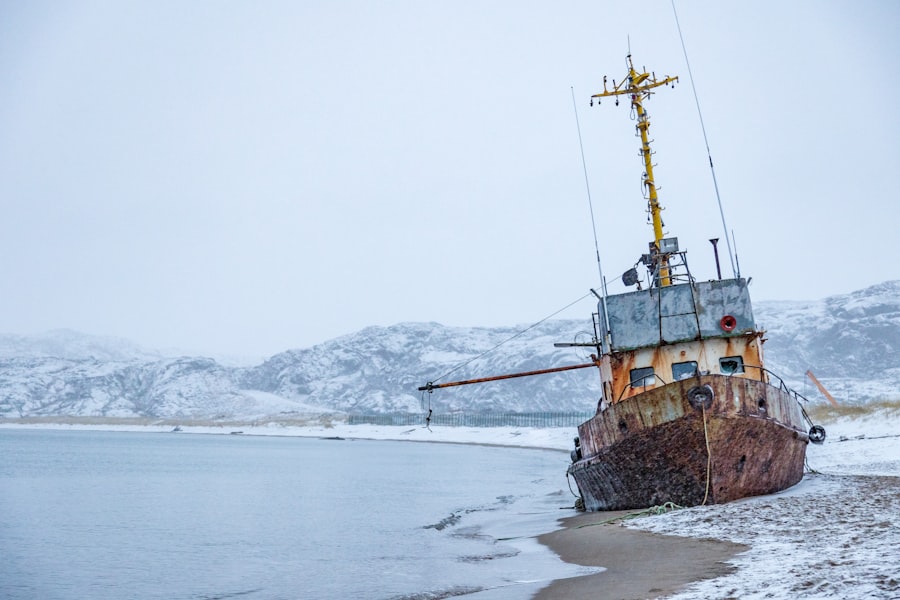
Shipping companies operating in the Arctic face a myriad of challenges exacerbated by sanctions. One of the most pressing issues is navigating the complex regulatory environment that arises from these restrictions. Companies must stay informed about the evolving landscape of sanctions and ensure compliance with international laws, which can vary significantly from one jurisdiction to another.
This necessitates a robust legal framework and dedicated resources to monitor changes in regulations, adding an additional layer of complexity to their operations. In addition to regulatory challenges, shipping companies must contend with the harsh environmental conditions characteristic of the Arctic region. The unpredictable weather patterns, ice formations, and limited daylight hours during certain seasons can complicate navigation and increase operational risks.
Sanctions may further exacerbate these challenges by limiting access to essential resources or technologies needed for safe navigation and ice management. As a result, shipping companies must adopt innovative strategies and invest in advanced technologies to mitigate risks while remaining compliant with international sanctions.
Economic Implications of Disrupted Arctic Routes
The economic implications of disrupted Arctic routes due to sanctions are far-reaching and multifaceted. For countries reliant on these shipping lanes for trade, the consequences can be severe. Disruptions can lead to increased shipping costs, longer delivery times, and ultimately higher prices for consumers.
Industries such as oil and gas, fishing, and tourism—key players in the Arctic economy—may experience significant setbacks as their access to markets becomes restricted. Furthermore, the broader global economy is affected by these disruptions. As Arctic routes become less reliable due to sanctions, businesses may seek alternative shipping methods that are often longer and more expensive.
This shift can lead to increased carbon emissions and environmental degradation as vessels take longer routes through less efficient pathways. The ripple effects of these economic challenges extend beyond national borders, impacting global supply chains and trade relationships.
Environmental Concerns
| Metric | Pre-Sanctions (2021) | Post-Sanctions (2023) | Change (%) | Notes |
|---|---|---|---|---|
| Number of Vessels Using Arctic Route | 150 | 90 | -40% | Decrease due to restricted access and increased risks |
| Average Transit Time (days) | 10 | 14 | +40% | Longer routes taken to avoid sanctioned areas |
| Shipping Costs (per ton) | 100 | 140 | +40% | Increased fuel and insurance costs |
| Volume of Goods Transported (million tons) | 5.0 | 3.2 | -36% | Reduced cargo due to sanctions and rerouting |
| Incidents of Delays or Detentions | 5 | 15 | +200% | Sanctions enforcement causing operational delays |
The environmental concerns associated with Arctic shipping are heightened by the imposition of sanctions. The Arctic is a fragile ecosystem that is already under threat from climate change and industrial activities. Increased shipping traffic can exacerbate these threats, leading to oil spills, habitat destruction, and disturbances to wildlife populations.
Sanctions may inadvertently contribute to environmental degradation if they force companies to take riskier routes or engage in less environmentally friendly practices due to limited options. Moreover, the potential for increased military presence in the region as nations respond to geopolitical tensions raises additional environmental concerns. Military activities can disrupt marine life and contribute to pollution in an already vulnerable area.
The intersection of sanctions and environmental issues presents a complex dilemma for policymakers who must balance economic interests with ecological preservation.
Political Fallout from Sanctions
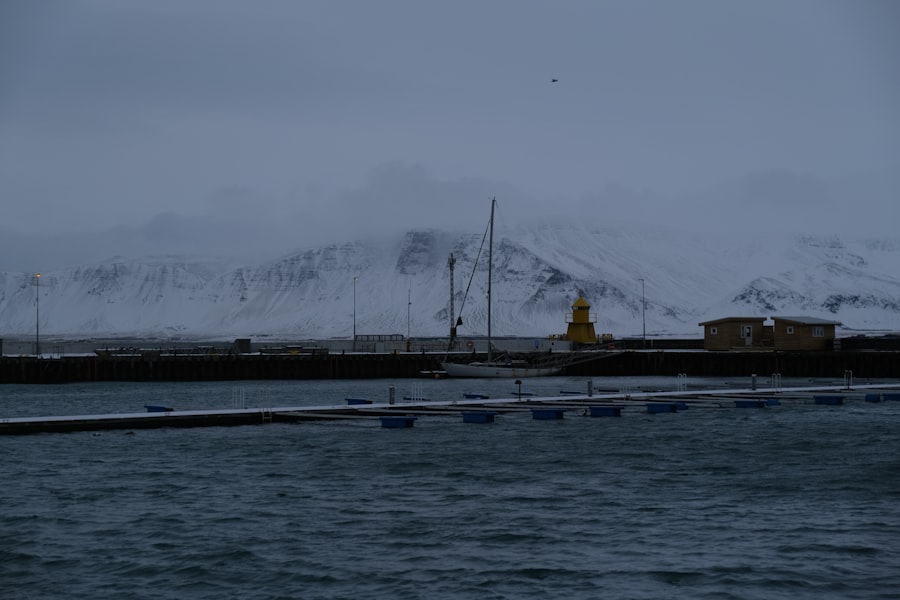
The political fallout from sanctions imposed on nations involved in Arctic shipping is significant and multifaceted. These measures often lead to heightened tensions between countries, as nations retaliate against perceived injustices or violations of sovereignty. The Arctic region, with its rich natural resources and strategic importance, becomes a battleground for geopolitical rivalries that can have far-reaching consequences for international relations.
Additionally, sanctions can create divisions among allies who may have differing views on how to approach issues related to Arctic shipping. Countries that rely on these routes for trade may find themselves caught in a difficult position, forced to navigate between their economic interests and their political alliances. This complexity can lead to diplomatic strains and complicate efforts to establish cooperative frameworks for managing Arctic resources and shipping lanes.
Alternative Shipping Routes
As sanctions disrupt traditional Arctic shipping lanes, companies are increasingly exploring alternative routes to maintain their operations. The Suez Canal and Panama Canal remain popular options for global shipping; however, they come with their own set of challenges, including congestion and higher tolls. The search for viable alternatives has prompted interest in lesser-known pathways that may offer more direct access between key markets.
One such alternative is the Northern Sea Route (NSR), which runs along Russia’s northern coast. While this route presents opportunities for shorter transit times between Europe and Asia, it is not without its own complications. Navigating through Russian territorial waters requires compliance with specific regulations and potential diplomatic negotiations that can be influenced by ongoing sanctions.
As companies weigh their options, they must consider not only the logistical aspects but also the geopolitical implications of choosing alternative routes.
International Response to Sanctions
The international response to sanctions affecting Arctic shipping has been varied and complex. Some countries have expressed support for sanctions as a means of holding nations accountable for their actions; however, others have criticized them as counterproductive measures that hinder cooperation in an increasingly interconnected world. This divergence in perspectives complicates efforts to establish a unified approach to managing Arctic shipping and resource development.
International organizations play a crucial role in mediating discussions around sanctions and their impact on Arctic shipping. Forums such as the Arctic Council provide platforms for dialogue among member states, allowing them to address concerns related to security, environmental protection, and economic development collaboratively. However, achieving consensus on contentious issues remains a challenge as nations prioritize their own interests over collective goals.
Future Outlook for Arctic Shipping
The future outlook for Arctic shipping remains uncertain amid ongoing geopolitical tensions and evolving climate conditions. While the potential for increased maritime traffic exists due to melting ice caps, the imposition of sanctions poses significant challenges that could hinder growth in this sector. Shipping companies must remain agile and adaptable as they navigate an ever-changing landscape marked by regulatory complexities and environmental concerns.
Moreover, advancements in technology may play a pivotal role in shaping the future of Arctic shipping. Innovations in icebreaking vessels, navigation systems, and environmental monitoring could enhance safety and efficiency while minimizing ecological impacts. However, these advancements will require investment and collaboration among stakeholders committed to sustainable practices in the region.
Legal Ramifications of Sanctions
The legal ramifications of sanctions on Arctic shipping are profound and multifaceted. Companies operating in this space must navigate a complex web of international laws and regulations that govern trade practices and maritime operations. Violations of sanctions can result in severe penalties, including fines or restrictions on future business activities, making compliance a top priority for shipping companies.
Furthermore, legal disputes may arise between nations over interpretations of sanctions or their enforcement in international waters. These disputes can complicate diplomatic relations and hinder efforts to establish cooperative frameworks for managing Arctic resources effectively. As stakeholders grapple with these legal challenges, it becomes increasingly clear that a comprehensive understanding of international law is essential for navigating the complexities of Arctic shipping amid sanctions.
Conclusion and Potential Solutions
In conclusion, the imposition of sanctions on nations involved in Arctic shipping presents significant challenges that impact not only individual countries but also global trade dynamics and environmental sustainability. The interplay between geopolitical tensions, economic implications, and environmental concerns creates a complex landscape that requires careful navigation by policymakers and industry leaders alike. To address these challenges effectively, stakeholders must prioritize dialogue and cooperation among nations with interests in the Arctic region.
Establishing clear frameworks for managing resources and navigating shipping routes can help mitigate the adverse effects of sanctions while promoting sustainable practices that protect this fragile ecosystem. By fostering collaboration and innovation within the industry, it is possible to chart a course toward a more stable and sustainable future for Arctic shipping amidst ongoing geopolitical complexities.
The recent sanctions imposed on Russia have significantly impacted shipping lanes in the Arctic, leading to a reevaluation of trade routes and logistics strategies. For a deeper understanding of how these sanctions are reshaping maritime operations in the region, you can read the related article on this topic at