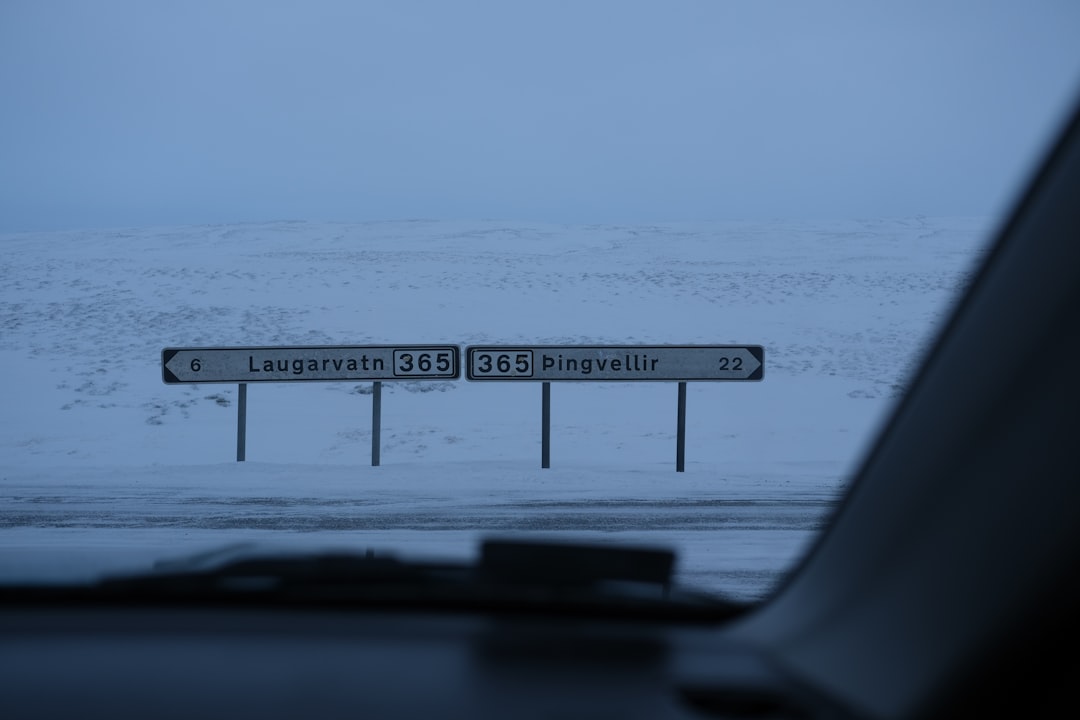
The Arctic Route, often referred to as the Northern Sea Route, has emerged as a significant maritime passage that connects Europe and Asia. This route, which traverses the icy waters of the Arctic Ocean, has gained attention due to the melting ice caps resulting from climate change. As traditional shipping lanes become increasingly congested and time-consuming, the Arctic Route presents a faster alternative for global trade.
The potential for reduced transit times and lower shipping costs has sparked interest among nations and corporations alike, positioning the Arctic as a focal point for economic development and international relations. As the ice recedes, the Arctic Route is not only becoming more navigable but is also revealing vast natural resources beneath its surface. These resources include oil, gas, and minerals, which are critical for meeting the energy demands of a growing global population.
The strategic importance of this route extends beyond mere transportation; it encompasses issues of energy security, geopolitical dynamics, and environmental stewardship. As nations vie for influence in this region, the Arctic Route stands at the intersection of opportunity and challenge, shaping the future of global trade and international cooperation.
Key Takeaways
- The Arctic Route is becoming a critical pathway for global energy trade and geopolitical influence.
- Energy security in the Arctic is vital due to its vast untapped resources and strategic location.
- Environmental challenges and indigenous rights are major concerns in Arctic development.
- Infrastructure investment and international cooperation are key to unlocking the Arctic’s potential.
- The Arctic Route will significantly impact global energy markets and security dynamics in the future.
The Importance of Energy Security in the Arctic
Energy security has become a paramount concern for many countries, particularly those heavily reliant on fossil fuels. The Arctic is believed to hold significant reserves of oil and natural gas, making it an attractive area for exploration and extraction. As traditional energy sources become depleted and geopolitical tensions rise in other parts of the world, the Arctic’s untapped resources present a viable solution for energy-hungry nations.
Countries like Russia, Canada, and Norway are keenly aware of the potential benefits that come with harnessing these resources, leading to increased investment and exploration activities in the region. Moreover, energy security in the Arctic is not solely about resource extraction; it also involves ensuring stable supply chains and reducing dependency on politically unstable regions. The Arctic Route facilitates this by providing a direct passage for energy exports from northern countries to global markets.
As nations seek to diversify their energy sources and enhance their resilience against supply disruptions, the Arctic’s role in energy security becomes increasingly vital. The interplay between resource availability and geopolitical strategy underscores the importance of the Arctic Route in shaping future energy policies.
The Potential for Geopolitical Leverage in the Arctic
The geopolitical landscape of the Arctic is complex and multifaceted, with various nations asserting their claims over territorial waters and resources. As the Arctic Route becomes more accessible, it offers countries a unique opportunity to enhance their geopolitical leverage. Nations such as Russia have already established a strong military presence in the region, asserting their dominance over shipping lanes and resource-rich areas.
This military buildup serves not only as a means of protecting national interests but also as a tool for influencing international negotiations regarding Arctic governance. The potential for geopolitical leverage extends beyond military might; it also encompasses economic influence. Countries that can effectively manage and control access to the Arctic Route may find themselves in a position to dictate terms to other nations reliant on this passage for trade.
This dynamic creates a delicate balance of power, where cooperation and competition coexist. As nations navigate this intricate landscape, the Arctic Route becomes a critical factor in shaping alliances and rivalries, influencing broader global politics.
The Role of Arctic Route in Global Energy Trade
The Arctic Route is poised to play a transformative role in global energy trade by providing an alternative pathway for transporting oil and gas from northern regions to international markets. Traditionally, energy exports from places like Russia have relied on longer routes through congested waterways or overland pipelines. However, with the opening of the Arctic Route, shipping times can be significantly reduced, allowing for quicker delivery of energy resources to consumers around the world.
This efficiency not only benefits exporters but also enhances energy security for importing nations. Furthermore, as global demand for energy continues to rise, the Arctic Route offers an opportunity for countries to diversify their energy sources. By tapping into the vast reserves located in the Arctic region, nations can reduce their reliance on Middle Eastern oil or other politically sensitive regions.
This diversification is crucial for maintaining stable energy prices and ensuring a reliable supply chain. As such, the Arctic Route is not merely a shipping lane; it represents a strategic asset that can reshape global energy dynamics.
Environmental Concerns and Challenges of the Arctic Route
| Metric | Description | Value/Estimate | Unit | Relevance to Energy Security |
|---|---|---|---|---|
| Annual Shipping Volume | Estimated cargo tonnage transported via Arctic routes | 5-10 | Million tons | Indicates capacity for energy resource transport |
| Distance Reduction | Distance saved compared to traditional routes (e.g., Suez Canal) | 30-40 | Percent | Reduces transit time and fuel consumption |
| Energy Resource Reserves | Estimated recoverable oil and gas reserves in Arctic region | 90 | Billion barrels of oil equivalent | Potential to diversify energy supply sources |
| Ice-Free Navigation Period | Average months per year Arctic routes are navigable without icebreakers | 2-4 | Months | Determines operational window for shipping |
| CO2 Emissions Reduction | Estimated emissions saved by shorter Arctic route vs traditional routes | 15-20 | Percent | Contributes to greener energy transport |
| Geopolitical Influence Index | Measure of leverage gained by Arctic nations controlling routes | 7 | Scale 1-10 | Impacts energy security through control of transit |
| Infrastructure Investment | Annual investment in Arctic port and shipping infrastructure | 3 | Billion | Enhances route reliability and capacity |
While the potential benefits of the Arctic Route are significant, they come with considerable environmental concerns that cannot be overlooked. The fragile ecosystem of the Arctic is already under threat from climate change, and increased shipping traffic poses additional risks. Oil spills, marine pollution, and disturbances to wildlife habitats are just a few of the potential consequences of expanded maritime activity in this region.
Environmentalists warn that without stringent regulations and oversight, the ecological balance could be irreparably harmed. Moreover, the challenges associated with navigating the Arctic waters are compounded by unpredictable weather patterns and ice conditions. The melting ice may create new shipping opportunities, but it also introduces hazards that require advanced technology and expertise to manage safely.
As nations pursue economic interests in the Arctic, they must grapple with the responsibility of protecting this unique environment. Striking a balance between development and conservation will be essential to ensure that future generations can enjoy the natural beauty and resources of the Arctic.
Infrastructure and Investment in the Arctic
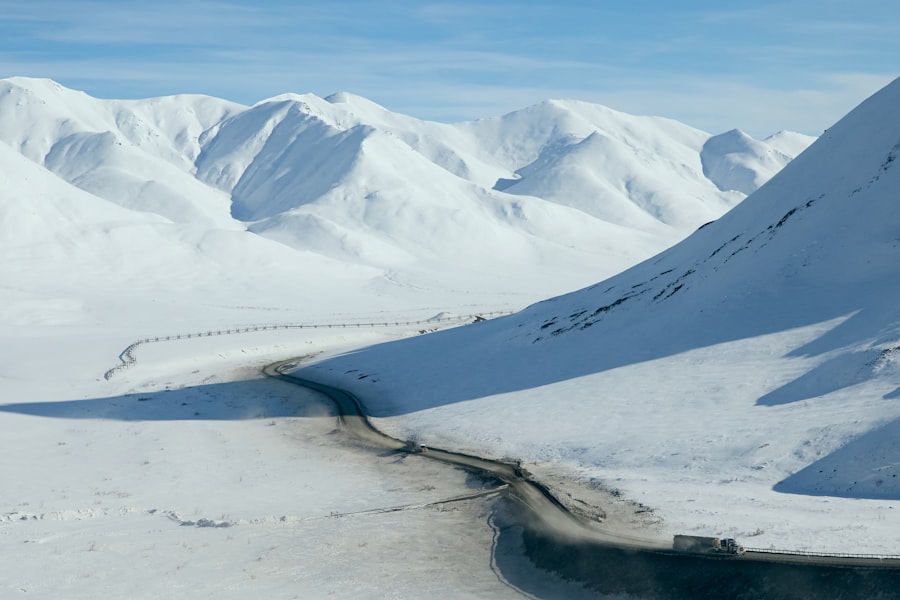
The development of infrastructure in the Arctic is crucial for realizing the full potential of the Northern Sea Route. Currently, many areas lack adequate ports, roads, and communication systems necessary to support increased shipping activity. Investments in infrastructure are essential not only for facilitating trade but also for ensuring safety and environmental protection.
Countries with vested interests in the Arctic are beginning to recognize this need and are allocating resources toward building ports and enhancing navigational aids. Investment in infrastructure also extends to research and technology aimed at improving safety standards in harsh Arctic conditions. Innovations in icebreaker technology, for instance, are vital for ensuring that vessels can navigate safely through icy waters.
Additionally, establishing monitoring systems to track environmental changes will be important for mitigating risks associated with increased maritime traffic.
International Cooperation and Competition in the Arctic
The Arctic presents a unique landscape where international cooperation and competition coexist. On one hand, there is a growing recognition among Arctic nations that collaboration is essential for addressing shared challenges such as climate change, search and rescue operations, and environmental protection. Organizations like the Arctic Council facilitate dialogue among member states, promoting cooperative efforts to manage resources sustainably while respecting indigenous rights.
On the other hand, competition for resources and strategic advantages remains a driving force in the region. As countries assert their claims over territorial waters and engage in military posturing, tensions can arise that threaten cooperative initiatives. The delicate balance between collaboration and competition underscores the complexity of Arctic governance.
Moving forward, it will be crucial for nations to find common ground while navigating their individual interests to ensure stability in this rapidly changing region.
The Impact of Arctic Route on Global Energy Markets
The emergence of the Arctic Route has significant implications for global energy markets. As this passage becomes more navigable, it has the potential to alter traditional trade routes and influence pricing dynamics across various energy commodities. For instance, if shipping times are reduced significantly through the Arctic Route, it could lead to lower transportation costs for oil and gas exports from northern countries.
This shift may prompt changes in supply chains that could ripple through global markets. Additionally, as more countries explore opportunities within the Arctic region, competition among energy producers may intensify. This competition could drive innovation in extraction technologies while also impacting pricing strategies as nations seek to secure their market share.
The interplay between supply dynamics in the Arctic and demand fluctuations elsewhere will shape how energy markets evolve in response to changing geopolitical landscapes.
Security and Military Presence in the Arctic
The strategic importance of the Arctic Route has prompted an increase in military presence among several nations with interests in the region. Countries like Russia have significantly bolstered their military capabilities in response to perceived threats from other nations seeking access to valuable resources and shipping lanes. This military buildup serves multiple purposes: it acts as a deterrent against potential incursions while also ensuring that national interests are protected amid growing competition.
The presence of military assets in the Arctic raises questions about security cooperation among nations operating in this sensitive area. While some countries advocate for collaborative security measures to address shared challenges such as search-and-rescue operations or environmental protection efforts, others may view military posturing as necessary for safeguarding their sovereignty. Striking a balance between security needs and cooperative initiatives will be essential for maintaining stability in this increasingly contested region.
Indigenous Peoples and Arctic Route Development
The development of the Arctic Route has profound implications for indigenous peoples who have inhabited these lands for generations. Many indigenous communities rely on traditional practices tied to their ancestral territories, including hunting, fishing, and gathering resources from their environment.
Engaging indigenous communities in discussions about route development is crucial for ensuring that their rights are respected and their voices are heard. Collaborative approaches that incorporate traditional knowledge can lead to more sustainable practices that benefit both economic interests and cultural preservation. Recognizing indigenous peoples as key stakeholders in decision-making processes will be essential for fostering equitable development that honors their heritage while navigating modern challenges.
The Future of the Arctic Route
Looking ahead, the future of the Arctic Route remains uncertain yet filled with potential opportunities and challenges. As climate change continues to reshape the landscape of this region, it is likely that shipping traffic will increase further, prompting nations to adapt their strategies accordingly. The interplay between economic interests, environmental stewardship, geopolitical dynamics, and indigenous rights will shape how this route evolves over time.
Ultimately, successful navigation of these complexities will require collaboration among nations while prioritizing sustainable practices that protect both human interests and natural ecosystems. The Arctic Route stands at a crossroads where decisions made today will have lasting impacts on future generations—both within indigenous communities and across global markets. As stakeholders work together to harness its potential responsibly, they must remain vigilant about preserving this unique environment for years to come.
The strategic importance of Arctic routes in enhancing energy security has been a topic of increasing interest among policymakers and researchers. A related article that delves into the implications of these routes for global energy dynamics can be found at this link. This article explores how the melting ice in the Arctic is opening new shipping lanes and the potential for increased energy resource extraction, which could significantly alter the geopolitical landscape.
FAQs
What is the Arctic route in the context of energy security?
The Arctic route refers to shipping and transportation pathways through the Arctic region, which are becoming more accessible due to melting ice. These routes can significantly shorten the distance for transporting energy resources such as oil and natural gas between major markets, enhancing energy security by diversifying supply routes.
How does the Arctic route impact global energy security?
The Arctic route can improve global energy security by providing alternative pathways for energy transportation, reducing dependence on traditional routes that may be vulnerable to geopolitical tensions or disruptions. It also opens access to untapped Arctic energy reserves, potentially increasing global energy supply.
What types of energy resources are found in the Arctic region?
The Arctic region is rich in natural resources, including significant reserves of oil, natural gas, coal, and minerals. Estimates suggest that the Arctic holds about 13% of the world’s undiscovered oil and 30% of its undiscovered natural gas.
What are the challenges associated with using the Arctic route for energy transport?
Challenges include harsh weather conditions, ice hazards, limited infrastructure, environmental risks, and geopolitical disputes over territorial claims. These factors can increase the cost and complexity of energy transport through the Arctic.
How do countries leverage the Arctic route for energy security?
Countries with Arctic coastlines, such as Russia, Canada, and Norway, invest in infrastructure development, icebreaker fleets, and regulatory frameworks to facilitate safe and efficient energy transport. They also engage in diplomatic efforts to manage territorial claims and promote cooperation in the region.
What environmental concerns are linked to energy activities in the Arctic?
Energy exploration and transport in the Arctic pose risks such as oil spills, disruption to fragile ecosystems, and increased greenhouse gas emissions. The sensitive Arctic environment is particularly vulnerable to disturbances, making environmental protection a critical consideration.
Is the Arctic route currently operational for commercial energy transport?
Yes, parts of the Arctic route, such as the Northern Sea Route along Russia’s coast, are operational and used for transporting energy resources. However, usage is still limited compared to traditional routes due to seasonal ice coverage and infrastructure constraints.
How might climate change affect the future of the Arctic route?
Climate change is causing Arctic ice to melt, potentially extending the navigable season and making the Arctic route more accessible. This could increase its viability for energy transport but also raises concerns about environmental impacts and geopolitical competition.
What role do international agreements play in Arctic energy security?
International agreements, such as the United Nations Convention on the Law of the Sea (UNCLOS) and Arctic Council guidelines, help regulate territorial claims, environmental protection, and safe navigation. These frameworks are essential for managing cooperation and conflict in the Arctic region.
Can the Arctic route reduce energy transportation costs?
By shortening shipping distances between energy producers and consumers, the Arctic route can reduce transportation time and costs. However, these savings must be balanced against higher operational risks and expenses related to ice navigation and infrastructure development.