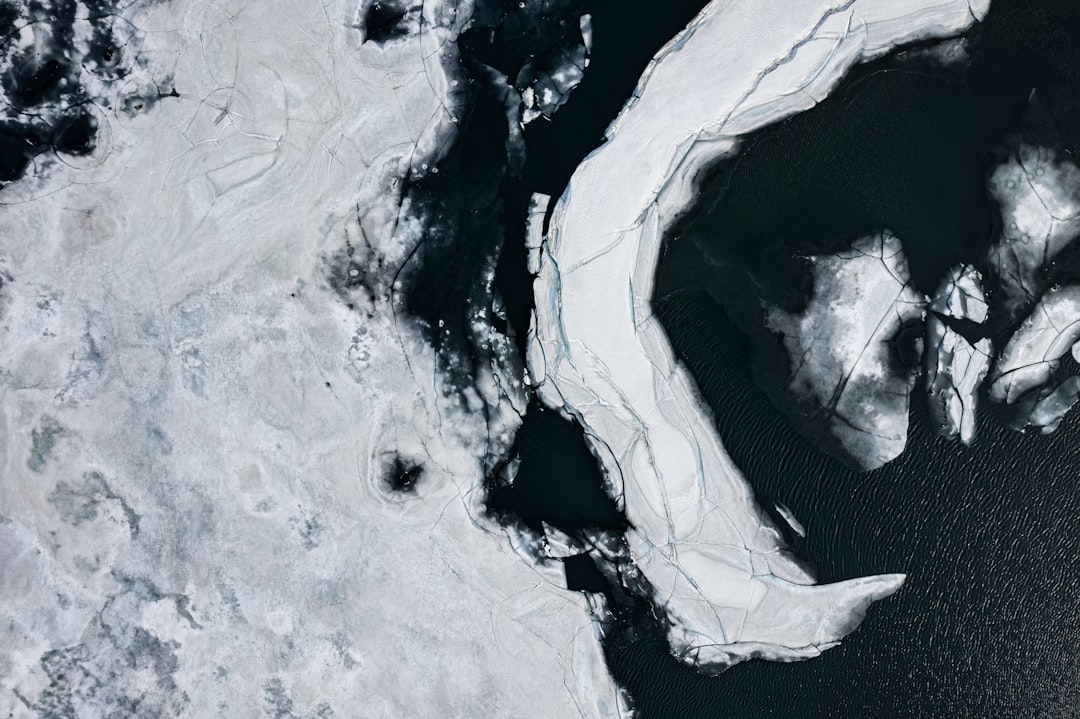
The Arctic region, often characterized by its icy landscapes and extreme weather conditions, is increasingly becoming a focal point for global interest due to its vast and untapped resources. As climate change continues to alter the environment, melting ice caps are revealing opportunities that were previously inaccessible. This transformation has sparked a race among nations and corporations to explore and exploit the region’s rich deposits of oil, gas, minerals, and marine life.
The Arctic is not merely a barren wasteland; it is a treasure trove of natural resources that could significantly impact the global economy and energy landscape. The significance of Arctic resources extends beyond mere economic gain. The region is home to diverse ecosystems and indigenous communities that have thrived for millennia.
As the world looks northward for new opportunities, the balance between resource extraction and environmental preservation becomes increasingly delicate. Understanding the complexities of Arctic resources requires a comprehensive examination of the interests of Arctic nations, the rights of indigenous peoples, and the environmental implications of resource development.
Overview of Arctic Countries and their Interests
The Arctic is bordered by eight countries: Canada, Denmark (via Greenland), Finland, Iceland, Norway, Russia, Sweden, and the United States. Each of these nations has vested interests in the region, driven by a combination of economic aspirations, national security concerns, and environmental stewardship. For instance, Russia has been particularly aggressive in asserting its claims over Arctic territories, viewing the region as crucial for its energy strategy and military presence.
The Russian government has invested heavily in infrastructure and military capabilities to secure its interests in the Arctic. Conversely, Canada and the United States have focused on protecting their sovereignty while promoting sustainable development. Canada emphasizes the importance of indigenous rights and environmental protection in its Arctic policies.
The U.S., under various administrations, has oscillated between prioritizing military readiness in the region and advocating for international cooperation on environmental issues. Each Arctic nation approaches resource management with a unique perspective shaped by its geopolitical context, economic needs, and cultural values.
Oil and Gas Reserves in the Arctic
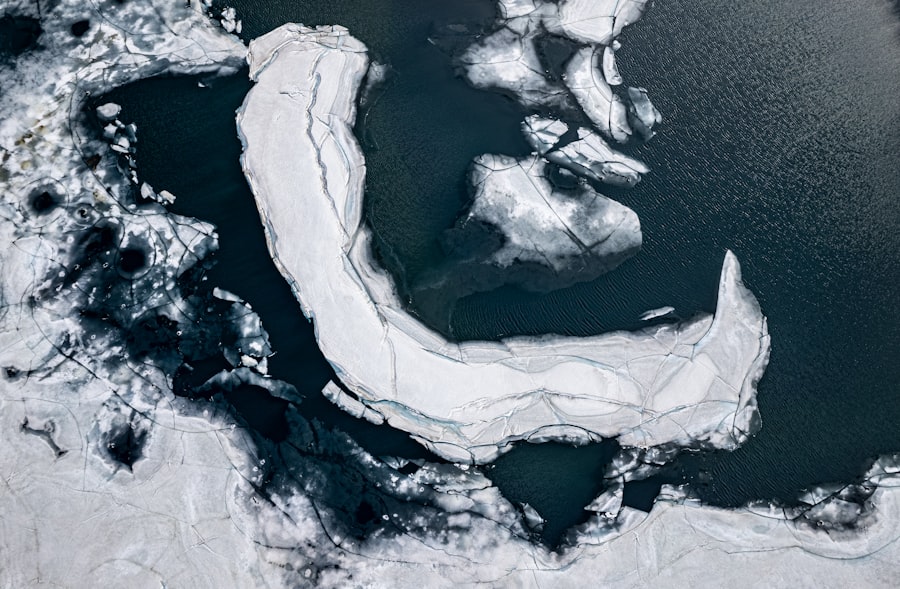
The Arctic is estimated to hold approximately 13% of the world’s undiscovered oil reserves and 30% of its natural gas reserves. These figures have made the region a focal point for energy companies seeking new sources of fossil fuels as global demand continues to rise. The potential for oil and gas extraction in areas such as the Chukchi Sea off Alaska and the Kara Sea off Russia has attracted significant investment and interest from major energy corporations.
However, the challenges associated with drilling in such a harsh environment cannot be understated. Exploration activities in the Arctic are fraught with risks, including extreme weather conditions, ice coverage, and logistical difficulties. Moreover, the environmental implications of oil spills or gas leaks in this fragile ecosystem could be catastrophic.
Mineral Resources in the Arctic
| Country | Mineral Resources | Estimated Reserves |
|---|---|---|
| Canada | Gold, Nickel, Copper, Zinc | Unknown |
| Russia | Oil, Natural Gas, Diamonds | Unknown |
| Greenland | Iron Ore, Zinc, Lead, Uranium | Unknown |
| Norway | Iron Ore, Copper, Nickel, Zinc | Unknown |
In addition to hydrocarbons, the Arctic is rich in various mineral resources, including rare earth elements, gold, diamonds, and nickel. These minerals are essential for modern technology and renewable energy solutions, making them increasingly valuable in today’s market. The growing demand for electric vehicles and renewable energy technologies has heightened interest in mining operations within the Arctic region.
Countries like Greenland have begun to explore their mineral potential more aggressively, seeking foreign investment to develop their resources. However, mining activities pose significant environmental risks. The extraction process can lead to habitat destruction, pollution of water sources, and disruption of local ecosystems.
Furthermore, many mineral-rich areas overlap with traditional lands of indigenous peoples who rely on these environments for their cultural practices and subsistence. Balancing economic development with environmental protection and respect for indigenous rights remains a critical challenge for Arctic nations.
Fisheries and Marine Resources in the Arctic
The Arctic Ocean is home to some of the world’s most productive fisheries, providing vital resources for both local communities and international markets. Fish species such as cod, haddock, and various shellfish thrive in these cold waters, making them essential for food security in many Arctic regions. As climate change alters ocean temperatures and currents, fish populations are shifting northward, leading to new fishing opportunities but also raising concerns about overfishing and sustainability.
The management of fisheries in the Arctic is complicated by overlapping territorial claims among nations and varying regulations. International cooperation is crucial to ensure sustainable fishing practices that protect marine ecosystems while allowing communities to benefit from these resources. Indigenous peoples often play a vital role in this management process, drawing on traditional knowledge to inform sustainable practices that have been honed over generations.
Indigenous Peoples and their Rights in the Arctic
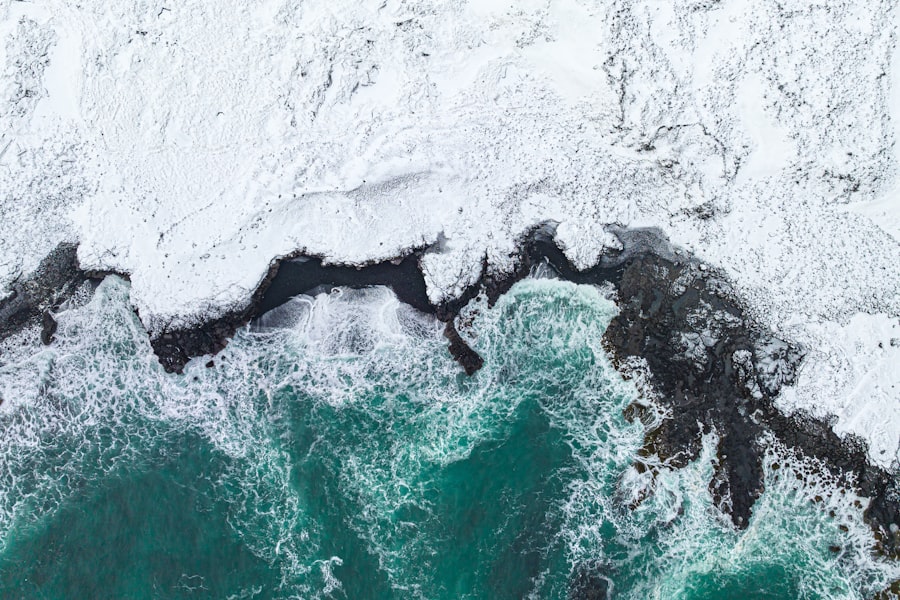
Indigenous peoples have inhabited the Arctic for thousands of years, developing rich cultures deeply connected to their environment. As resource extraction intensifies in the region, these communities face significant challenges related to their rights and livelihoods. Many indigenous groups advocate for greater recognition of their land rights and participation in decision-making processes regarding resource development.
Their traditional knowledge is invaluable in understanding sustainable practices that can coexist with modern industrial activities. International frameworks such as the United Nations Declaration on the Rights of Indigenous Peoples (UNDRIP) provide a foundation for advocating indigenous rights in the context of resource development. However, implementation remains inconsistent across Arctic nations.
The struggle for recognition often pits economic interests against cultural preservation, highlighting the need for inclusive governance models that respect indigenous voices while addressing national priorities.
Environmental Concerns and Conservation Efforts in the Arctic
The Arctic is one of the most vulnerable regions to climate change, experiencing rapid warming that threatens its delicate ecosystems. Melting ice caps not only contribute to rising sea levels but also disrupt habitats for polar bears, seals, and other wildlife. The potential for increased shipping traffic due to melting ice raises concerns about oil spills and pollution that could devastate marine life.
As nations pursue resource extraction, environmental conservation efforts become paramount. Various organizations and governments are working to establish protected areas within the Arctic to safeguard critical habitats from industrial activities. Initiatives such as the Arctic Council promote collaboration among Arctic states to address environmental challenges while fostering sustainable development practices.
However, balancing economic interests with conservation efforts remains a contentious issue as countries navigate their competing priorities.
Geopolitical Tensions and Territorial Disputes in the Arctic
As interest in Arctic resources grows, so too do geopolitical tensions among Arctic nations. Territorial disputes over maritime boundaries and continental shelf claims have become increasingly pronounced. Russia’s assertive posture in the region has raised alarms among NATO members, particularly concerning military activities near strategic shipping routes.
The United States has responded by increasing its military presence in Alaska and conducting joint exercises with allies. These tensions are further complicated by non-Arctic nations seeking influence in the region due to its strategic importance. Countries like China have expressed interest in participating in Arctic governance discussions while pursuing economic opportunities through initiatives like the Polar Silk Road.
The interplay between national security concerns and resource competition creates a complex geopolitical landscape that requires careful navigation to avoid conflict.
Potential for Conflict over Arctic Resources
The potential for conflict over Arctic resources looms large as nations assert their claims amid growing competition. As climate change continues to open new shipping routes and access to resources, disputes over territorial boundaries may escalate into confrontations. The risk of military encounters or aggressive posturing increases as countries seek to secure their interests in this strategically significant region.
Moreover, conflicts may arise not only between nations but also within countries as local communities grapple with the impacts of resource development on their traditional lands. Indigenous groups may find themselves at odds with national governments or corporations pursuing extraction projects without adequate consultation or compensation. Addressing these potential conflicts requires proactive diplomacy and inclusive governance frameworks that prioritize dialogue over confrontation.
International Cooperation and Governance in the Arctic
Despite rising tensions, there are avenues for international cooperation in managing Arctic resources sustainably. The Arctic Council serves as a key platform for dialogue among Arctic states and indigenous representatives, focusing on issues such as environmental protection, scientific research, and sustainable development. Collaborative efforts have led to agreements on oil spill response mechanisms and shared scientific initiatives aimed at understanding climate change impacts.
However, challenges remain regarding enforcement mechanisms and compliance with agreements. As non-Arctic nations express interest in participating in Arctic governance discussions, establishing clear protocols for engagement becomes essential to ensure that all stakeholders’ voices are heard while protecting the region’s fragile ecosystems.
Future Outlook for Arctic Resource Development and Conflict
Looking ahead, the future of resource development in the Arctic remains uncertain amid ongoing climate change impacts and geopolitical tensions. While opportunities for economic growth exist through oil, gas, minerals, and fisheries, balancing these pursuits with environmental sustainability and indigenous rights will be critical. The potential for conflict over resources underscores the need for robust international cooperation frameworks that prioritize peaceful resolution of disputes.
As nations navigate this complex landscape, innovative approaches to governance that incorporate diverse perspectives will be essential for fostering sustainable development in the Arctic. The interplay between resource extraction and environmental stewardship will shape not only the future of the region but also its role in global economic dynamics as countries seek to adapt to an ever-changing world.
The Arctic region, rich in untapped natural resources, has become a focal point for geopolitical tensions as nations vie for control and access. The melting ice caps have opened new shipping routes and exposed vast reserves of oil and gas, leading to increased interest and competition among Arctic and non-Arctic states. This situation has raised concerns about potential conflicts over territorial claims and resource exploitation.