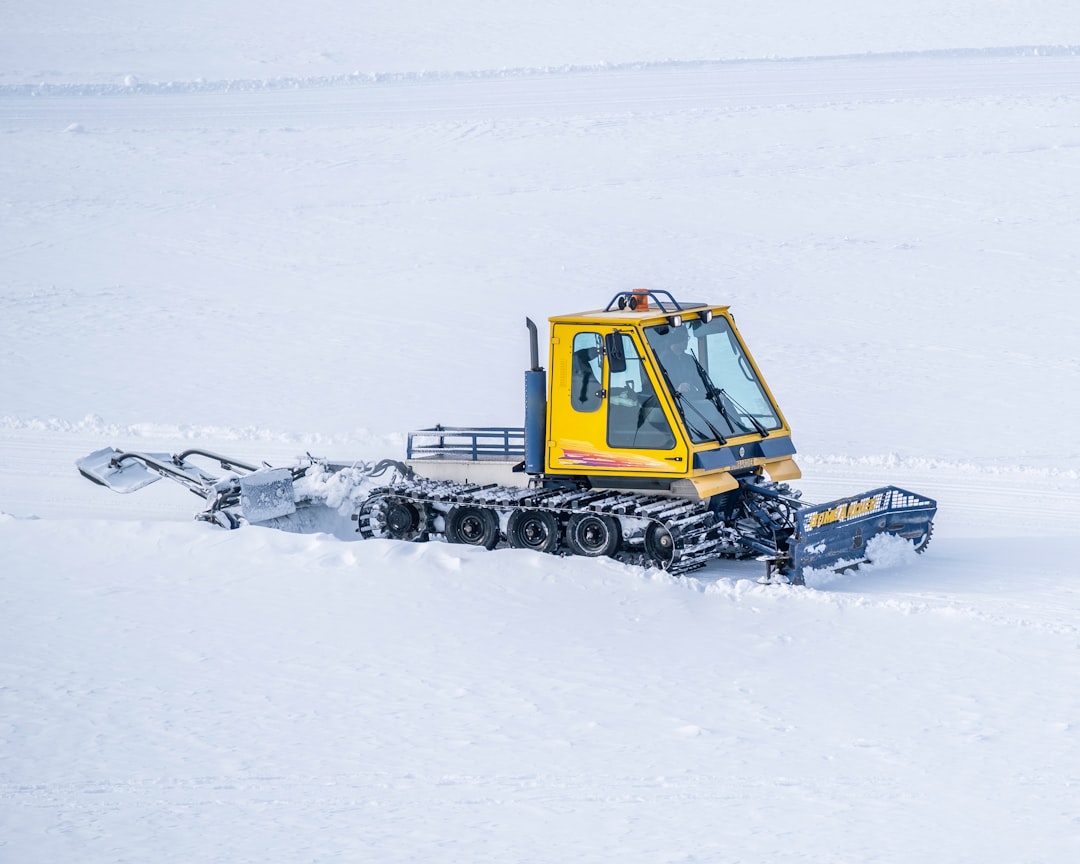
The Arctic region, characterized by its vast ice-covered landscapes and unique ecosystems, has increasingly become a focal point for resource exploitation in recent years. As climate change continues to alter the environment, melting ice caps have revealed previously inaccessible natural resources, including oil, gas, minerals, and fish stocks. This newfound accessibility has sparked interest from various nations and corporations eager to tap into the Arctic’s wealth.
The allure of the Arctic’s resources is not merely a matter of economic gain; it also reflects broader geopolitical interests. Countries bordering the Arctic, such as Russia, Canada, and Norway, are vying for control over these valuable assets, leading to increased tensions and competition.
As nations seek to assert their claims, the implications of resource exploitation extend beyond national borders, affecting global markets and international relations. The Arctic’s future hangs in the balance as stakeholders grapple with the challenges and opportunities presented by this fragile region.
Environmental Risks of Arctic Resource Exploitation
The environmental risks associated with Arctic resource exploitation are profound and multifaceted. The extraction of oil and gas, for instance, poses significant threats to the delicate ecosystems that have evolved over millennia. Oil spills, which can occur during drilling or transportation, have devastating effects on marine life and coastal habitats.
The cold temperatures and remote locations complicate cleanup efforts, often resulting in long-lasting damage to the environment. Additionally, seismic testing and drilling activities can disrupt wildlife migration patterns and breeding grounds, further endangering species already vulnerable due to climate change. Moreover, the infrastructure required for resource extraction—such as roads, pipelines, and ports—can lead to habitat fragmentation and increased human activity in previously untouched areas.
This not only threatens local flora and fauna but also contributes to the overall degradation of the Arctic environment. The cumulative impact of these activities raises concerns about biodiversity loss and the long-term health of ecosystems that are already under stress from rising temperatures and changing weather patterns.
Impact on Indigenous Communities
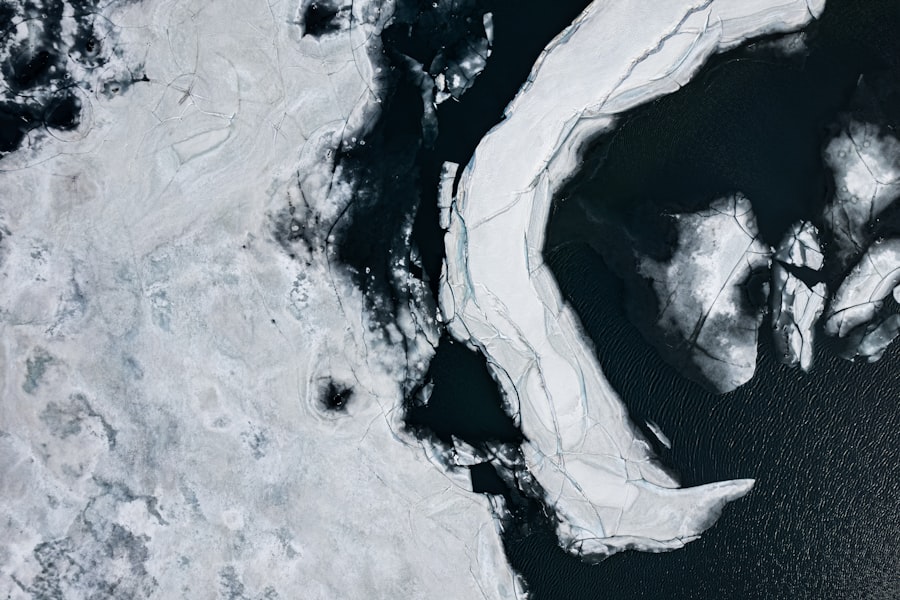
Indigenous communities in the Arctic have lived in harmony with their environment for generations, relying on its resources for sustenance and cultural practices. However, the push for resource exploitation poses significant challenges to their way of life. As industrial activities expand into traditional hunting and fishing grounds, Indigenous peoples face increasing competition for resources that are vital to their survival.
The disruption of migratory patterns and the degradation of habitats can lead to food insecurity, threatening not only their physical well-being but also their cultural identity. Furthermore, the imposition of external interests often marginalizes Indigenous voices in decision-making processes regarding resource management. Many Indigenous communities advocate for their rights to land and resources, seeking recognition of their sovereignty and traditional knowledge.
However, they frequently encounter obstacles in asserting these rights against powerful corporations and government entities driven by profit motives. The struggle for recognition and respect is ongoing, as Indigenous peoples strive to protect their heritage while navigating the complexities of modern resource exploitation.
Political and Economic Consequences
| Country | Political Consequences | Economic Consequences |
|---|---|---|
| United States | Political polarization, social unrest | Economic recession, unemployment |
| Venezuela | Political instability, protests | Hyperinflation, economic collapse |
| United Kingdom | Brexit, political uncertainty | Economic uncertainty, trade disruptions |
The race for Arctic resources has significant political and economic ramifications that extend beyond national borders. As countries assert their claims over territorial waters and land rich in resources, tensions can escalate into conflicts. The Arctic has become a geopolitical battleground where nations engage in strategic maneuvering to secure access to oil, gas, and minerals.
This competition can lead to military posturing and increased surveillance in the region, raising concerns about potential confrontations among Arctic states. Economically, the potential benefits of resource exploitation are enticing for many nations. The promise of new jobs, revenue streams, and energy independence drives governments to invest in Arctic exploration.
However, these economic gains must be weighed against the long-term costs associated with environmental degradation and social disruption. The volatility of global markets also poses risks; fluctuations in commodity prices can render investments unprofitable, leaving communities and governments vulnerable to economic downturns.
Climate Change and Arctic Resource Exploitation
Climate change is intricately linked to Arctic resource exploitation, creating a complex interplay between environmental degradation and economic interests. As temperatures rise and ice melts, new shipping routes open up, facilitating access to remote areas rich in resources. This phenomenon not only accelerates resource extraction but also contributes to further climate change through increased greenhouse gas emissions from industrial activities.
The very actions taken to exploit Arctic resources can exacerbate the environmental challenges that threaten the region. Moreover, climate change impacts the Arctic ecosystem itself, altering species distributions and disrupting traditional livelihoods for Indigenous communities. As fish stocks shift due to changing ocean temperatures, local fishermen may find it increasingly difficult to sustain their practices.
The interconnectedness of these issues highlights the urgent need for a comprehensive approach that considers both environmental sustainability and economic development in the Arctic.
Oil and Gas Exploration in the Arctic
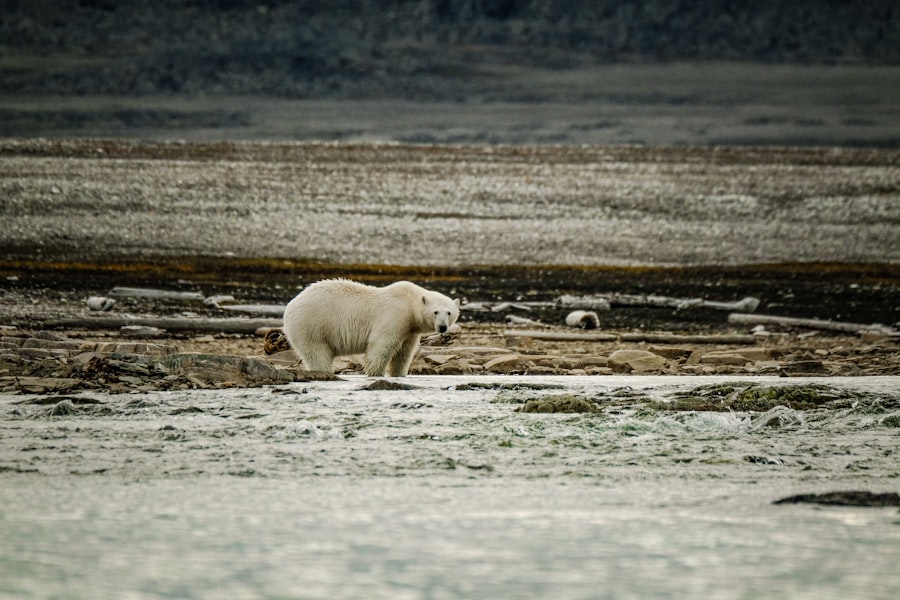
Oil and gas exploration in the Arctic has garnered significant attention due to its potential for energy production. Major oil companies have invested heavily in drilling operations in regions such as Alaska’s North Slope and offshore areas in the Chukchi Sea. The promise of vast reserves has led to ambitious plans for extraction; however, these endeavors are fraught with challenges.
Harsh weather conditions, logistical difficulties, and environmental regulations complicate exploration efforts. The risks associated with oil spills remain a primary concern for environmentalists and local communities alike. Historical incidents have demonstrated the catastrophic consequences of spills in sensitive Arctic environments.
The potential for accidents raises questions about the adequacy of safety measures and response capabilities in such remote locations. As public awareness grows regarding these risks, calls for stricter regulations on oil exploration intensify.
Mining and Mineral Extraction in the Arctic
Mining activities in the Arctic are another facet of resource exploitation that carries significant implications for both the environment and local communities. The region is rich in minerals such as gold, copper, and rare earth elements—resources that are increasingly sought after in a technology-driven world. However, mining operations can lead to habitat destruction, water pollution, and soil degradation.
The extraction process often generates large amounts of waste that can contaminate surrounding ecosystems. Indigenous communities often find themselves at odds with mining companies seeking access to their lands. While some may welcome economic opportunities associated with mining projects, others express concerns about the long-term impacts on their traditional ways of life.
The challenge lies in balancing economic development with environmental stewardship and respect for Indigenous rights.
Fisheries and Arctic Resource Exploitation
Fisheries represent a critical component of Arctic resource exploitation, providing sustenance for local communities while also contributing to global seafood markets. As warming waters alter fish populations and migration patterns, new fishing opportunities arise; however, these changes also pose risks to established fisheries. Overfishing can lead to depletion of stocks that are vital for both commercial interests and Indigenous subsistence practices.
The management of fisheries in the Arctic requires careful consideration of ecological dynamics and community needs. Sustainable fishing practices must be prioritized to ensure that both local livelihoods and marine ecosystems are protected. Collaborative efforts among governments, Indigenous groups, and environmental organizations are essential to develop effective management strategies that balance economic interests with ecological integrity.
Shipping and Transportation in the Arctic
The opening of new shipping routes due to melting ice has transformed transportation dynamics in the Arctic region. The Northern Sea Route and Northwest Passage offer shorter paths between major markets, reducing shipping times significantly. This development presents opportunities for trade but also raises concerns about increased maritime traffic’s environmental impact on fragile ecosystems.
The potential for accidents or spills during shipping operations poses a significant risk to marine life and coastal communities. Additionally, increased shipping activity can lead to disturbances in wildlife habitats and contribute to climate change through emissions from vessels. As nations invest in infrastructure to support Arctic shipping routes, it is crucial to implement stringent regulations that prioritize environmental protection alongside economic growth.
International Cooperation and Conflict in Arctic Resource Exploitation
The complexities surrounding Arctic resource exploitation necessitate international cooperation among Arctic states and stakeholders. While competition for resources can lead to tensions, collaborative efforts are essential for addressing shared challenges such as climate change, environmental protection, and Indigenous rights. Organizations like the Arctic Council provide platforms for dialogue among nations seeking common ground on these issues.
However, conflicting interests can complicate cooperation efforts. Disputes over territorial claims and resource rights may hinder progress toward sustainable management practices. Navigating these conflicts requires diplomacy and a commitment to finding solutions that respect both national interests and global responsibilities toward protecting the Arctic environment.
Sustainable Alternatives to Arctic Resource Exploitation
As awareness grows regarding the environmental risks associated with Arctic resource exploitation, there is an increasing call for sustainable alternatives that prioritize ecological integrity while meeting economic needs. Renewable energy sources such as wind, solar, and geothermal power present viable options for reducing dependence on fossil fuels extracted from the region. Investing in sustainable practices not only mitigates environmental impacts but also fosters resilience within local communities by creating green jobs and promoting self-sufficiency.
Emphasizing conservation efforts alongside responsible resource management can help preserve the unique ecosystems of the Arctic while ensuring that Indigenous voices are heard in decision-making processes. In conclusion, while the allure of Arctic resources is undeniable, it is imperative that stakeholders approach exploitation with caution and foresight. Balancing economic interests with environmental sustainability requires collaboration among nations, respect for Indigenous rights, and a commitment to innovative solutions that prioritize the health of this fragile region for generations to come.
The Arctic region, with its vast reserves of untapped natural resources, presents both opportunities and significant risks for resource exploitation. As climate change continues to melt ice caps, new shipping routes and access to oil, gas, and minerals are becoming increasingly feasible. However, this also raises concerns about environmental degradation, geopolitical tensions, and the impact on indigenous communities.