
The Arctic region, often referred to as the Earth’s refrigerator, is undergoing a profound transformation due to climate change. Over the past few decades, scientists have observed alarming rates of ice loss, particularly in the Arctic Ocean and surrounding areas. This phenomenon is not merely a local issue; it has far-reaching implications for global climate patterns and ecosystems.
The once-stable ice sheets and glaciers are retreating at an unprecedented pace, leading to a stark alteration of the landscape. The visual evidence of this change is striking, with satellite images revealing vast expanses of open water where ice once dominated. The causes of this dramatic shift are multifaceted, primarily driven by rising global temperatures.
As greenhouse gas emissions continue to accumulate in the atmosphere, the Arctic is warming at a rate nearly twice as fast as the rest of the planet. This accelerated warming leads to a feedback loop where melting ice reduces the Earth’s albedo effect, causing more solar energy to be absorbed rather than reflected. Consequently, the region experiences further warming, exacerbating the loss of ice.
The implications of these changes extend beyond the Arctic itself, influencing weather patterns and sea levels worldwide.
The Impact of Arctic Melting on Global Sea Levels
The melting of Arctic ice has significant implications for global sea levels, a concern that resonates with coastal communities around the world. As ice sheets and glaciers melt, they contribute directly to rising sea levels, which pose a threat to low-lying areas and island nations. The Intergovernmental Panel on Climate Change (IPCC) has projected that sea levels could rise by several feet by the end of the century if current trends continue.
This rise is not uniform; some regions may experience more severe impacts than others due to various factors, including ocean currents and land subsidence. Moreover, the melting of the Greenland Ice Sheet is particularly concerning, as it holds enough water to raise global sea levels by over 20 feet if it were to melt entirely. While complete melting is not expected in the near future, even a modest increase in its contribution to sea level rise can have devastating effects on coastal infrastructure, ecosystems, and human populations.
The economic costs associated with flooding, erosion, and displacement are staggering, prompting urgent calls for action to mitigate these impacts.
The Role of Climate Change in Accelerating Arctic Ice Loss
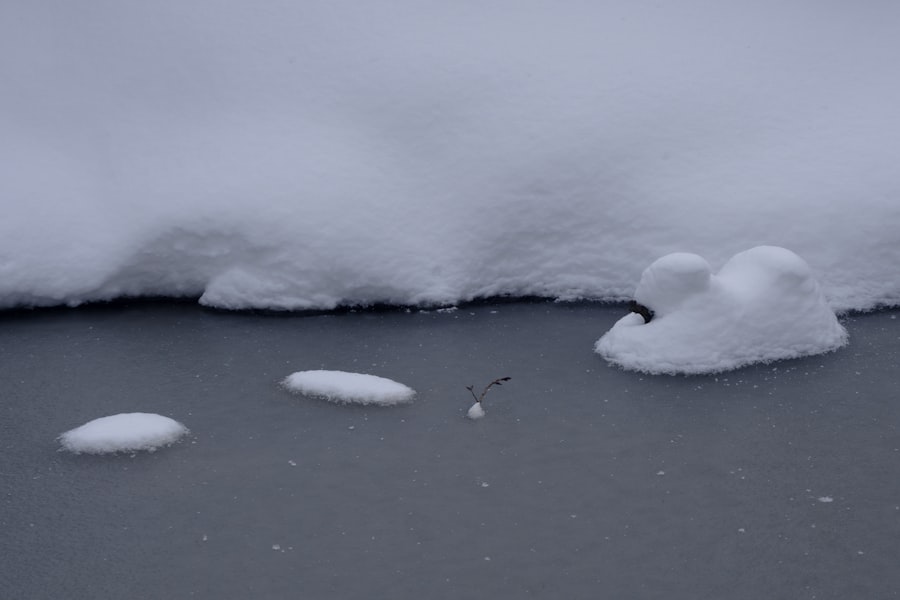
Climate change plays a pivotal role in accelerating the loss of Arctic ice, with rising temperatures being the primary driver. The Arctic region is experiencing an increase in average temperatures that is significantly higher than the global average. This phenomenon is largely attributed to human-induced climate change, which has led to an increase in greenhouse gas concentrations in the atmosphere.
Additionally, changes in atmospheric circulation patterns contribute to this accelerated ice loss. Alterations in wind patterns can lead to increased ocean heat transport into the Arctic, further exacerbating melting.
The interplay between these factors creates a complex system where climate change not only drives ice loss but also influences other environmental processes. Understanding this relationship is crucial for predicting future changes in the Arctic and their potential global consequences.
The Effects of Arctic Melting on Wildlife and Ecosystems
| Impact | Effect |
|---|---|
| Loss of habitat | Reduction in suitable living areas for polar bears, seals, and other Arctic animals |
| Disruption of food chains | Changes in the availability of prey for marine animals, affecting their survival |
| Altered migration patterns | Shifts in the timing and routes of animal migrations, impacting ecosystems |
| Increased competition | Rise in competition for resources among species as their habitats shrink |
| Threatened biodiversity | Risk of extinction for species unable to adapt to changing Arctic conditions |
The melting of Arctic ice has profound effects on wildlife and ecosystems that depend on this fragile environment. Species such as polar bears, seals, and walruses rely on sea ice for hunting, breeding, and resting. As their habitat diminishes, these animals face increased challenges in finding food and suitable breeding grounds.
Polar bears, for instance, are forced to swim longer distances in search of stable ice platforms, leading to increased energy expenditure and decreased survival rates. Moreover, the loss of ice alters entire ecosystems, affecting not only large mammals but also smaller organisms that play critical roles in the food web. Phytoplankton populations may shift due to changes in light availability and nutrient distribution caused by melting ice.
These shifts can have cascading effects throughout the ecosystem, impacting fish populations and ultimately human communities that rely on these resources for sustenance and economic activity. The interconnectedness of Arctic ecosystems underscores the urgency of addressing climate change and its impacts on wildlife.
The Economic and Geopolitical Implications of Arctic Ice Loss
The economic and geopolitical implications of Arctic ice loss are becoming increasingly apparent as nations vie for access to newly exposed resources and shipping routes. As ice recedes, previously inaccessible areas become open for exploration and extraction of oil, gas, and minerals. This potential wealth has led to heightened interest from various countries, raising concerns about environmental degradation and geopolitical tensions.
The Arctic is becoming a focal point for international competition, with nations seeking to assert their claims over territorial waters and resources. Furthermore, the opening of new shipping routes presents both opportunities and challenges. While shorter shipping lanes can reduce transportation costs and time, they also pose risks to fragile ecosystems and indigenous communities.
Increased maritime traffic raises concerns about oil spills, pollution, and disturbances to wildlife habitats. Balancing economic interests with environmental protection will require careful consideration and cooperation among Arctic nations.
The Connection Between Arctic Melting and Extreme Weather Events
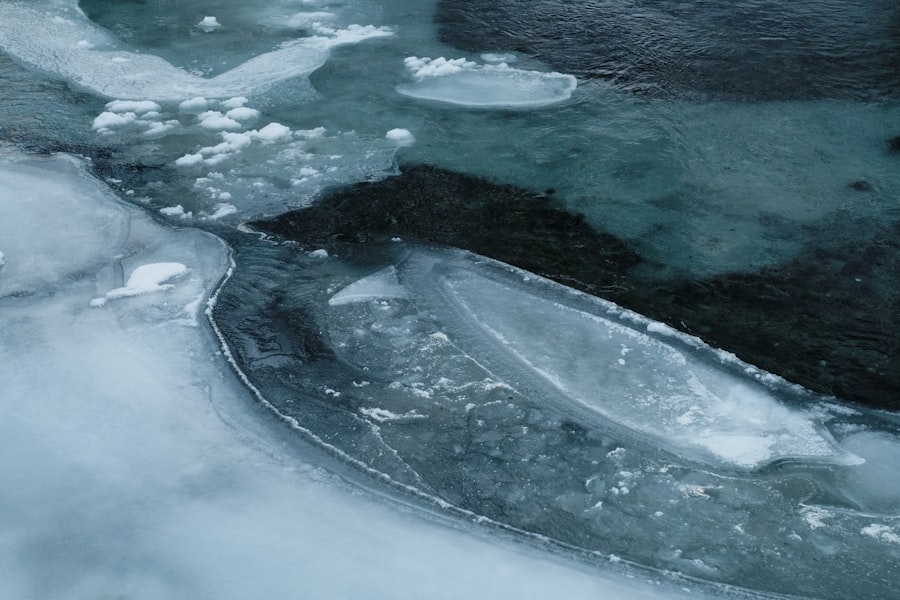
The connection between Arctic melting and extreme weather events is an area of growing research interest. As the Arctic warms and ice diminishes, it influences atmospheric circulation patterns that can lead to more frequent and severe weather phenomena in other parts of the world. For instance, changes in jet stream patterns can result in prolonged heatwaves or cold spells in mid-latitude regions.
This phenomenon has been observed in recent years, with extreme weather events becoming more common as a result of shifting climatic conditions. Additionally, the release of freshwater from melting ice can disrupt ocean currents, further impacting global weather patterns. The Gulf Stream, for example, plays a crucial role in regulating temperatures across Europe and North America; alterations in its flow could lead to significant climatic shifts.
Understanding these connections is vital for predicting future weather patterns and preparing for potential impacts on agriculture, infrastructure, and public health.
The Importance of Monitoring and Studying Arctic Ice Loss
Monitoring and studying Arctic ice loss is essential for understanding the broader implications of climate change. Scientists employ various methods to track changes in ice extent and thickness, utilizing satellite imagery, aerial surveys, and on-the-ground measurements. This data provides valuable insights into trends over time and helps researchers develop models to predict future changes.
Continuous monitoring allows for timely responses to emerging challenges associated with ice loss. Furthermore, studying Arctic ice loss contributes to a more comprehensive understanding of global climate systems. The Arctic serves as a critical indicator of climate change; changes observed in this region can provide valuable information about potential shifts elsewhere on the planet.
By investing in research and monitoring efforts, scientists can better inform policymakers and communities about the risks associated with climate change and the importance of taking action.
The Role of Human Activity in Driving Arctic Melting
Human activity plays a significant role in driving Arctic melting through greenhouse gas emissions and land use changes. Industrialization, deforestation, and fossil fuel consumption have all contributed to rising atmospheric temperatures that disproportionately affect the Arctic region. As human populations continue to grow and demand for energy increases, so too does the pressure on natural resources and ecosystems.
The cumulative effects of these actions exacerbate existing challenges faced by Arctic ecosystems already under stress from climate change. Recognizing the role of human activity is crucial for developing effective strategies to mitigate further damage and protect vulnerable regions.
Strategies for Mitigating Arctic Ice Loss and Its Consequences
Mitigating Arctic ice loss requires a multifaceted approach that addresses both climate change and its impacts on ecosystems and communities. One key strategy involves reducing greenhouse gas emissions through transitioning to renewable energy sources such as wind, solar, and hydroelectric power. By decreasing reliance on fossil fuels, nations can work towards stabilizing global temperatures and slowing down the rate of ice loss.
In addition to emission reductions, conservation efforts aimed at protecting critical habitats are essential for supporting wildlife populations affected by melting ice. Establishing marine protected areas can help safeguard important breeding grounds for species like seals and seabirds while promoting biodiversity within these ecosystems. Collaborative efforts among governments, indigenous communities, scientists, and conservation organizations will be vital for implementing effective strategies that address both environmental protection and community resilience.
The Potential for Positive Feedback Loops in Arctic Melting
The potential for positive feedback loops in Arctic melting presents a concerning aspect of climate change dynamics. As ice melts, it exposes darker ocean waters that absorb more heat from sunlight rather than reflecting it back into space. This process accelerates warming in the region, leading to further ice loss—a cycle that can rapidly intensify if left unchecked.
Such feedback loops highlight the urgency of addressing climate change before reaching critical tipping points that could result in irreversible damage. Moreover, thawing permafrost releases stored greenhouse gases like methane into the atmosphere, further exacerbating warming trends. This interplay between various components of the climate system underscores the complexity of addressing climate change impacts in the Arctic region.
Understanding these feedback mechanisms is crucial for developing effective mitigation strategies that can prevent runaway warming scenarios.
The Need for International Cooperation in Addressing Arctic Ice Loss and Climate Change
Addressing Arctic ice loss and its associated challenges necessitates international cooperation among nations sharing interests in this vulnerable region. Climate change knows no borders; its impacts are felt globally regardless of where emissions originate. Collaborative efforts are essential for establishing policies that promote sustainable resource management while protecting fragile ecosystems.
International agreements such as the Paris Agreement provide frameworks for countries to commit to reducing emissions collectively while sharing knowledge and resources for adaptation strategies. Engaging indigenous communities in decision-making processes is also vital; their traditional knowledge offers valuable insights into sustainable practices that can enhance resilience against climate change impacts. By fostering collaboration across borders and sectors, nations can work together towards a more sustainable future for both the Arctic region and the planet as a whole.
The rapid melting of the Arctic is a pressing environmental issue that has garnered significant attention from scientists and policymakers worldwide. One of the primary reasons for this accelerated melting is the increase in global temperatures due to human-induced climate change. As the Arctic ice melts, it not only contributes to rising sea levels but also disrupts local ecosystems and weather patterns globally. For a deeper understanding of the factors contributing to the Arctic’s rapid melting, you can explore a related article on this topic by visiting this page. This article delves into the scientific explanations and potential consequences of the Arctic’s changing landscape.
WATCH THIS! The Arctic Ice Is Melting, And It Will Start World War 3
FAQs
What is causing the Arctic to melt so quickly?
The Arctic is melting quickly due to a combination of factors, including rising global temperatures, decreasing sea ice extent, and feedback loops such as the albedo effect, where melting ice exposes darker ocean water that absorbs more heat, leading to further melting.
How is climate change contributing to the melting of the Arctic?
Climate change is a major factor in the rapid melting of the Arctic. The burning of fossil fuels and other human activities have led to an increase in greenhouse gas emissions, which trap heat in the atmosphere and contribute to global warming. This warming is causing the Arctic to heat up at a faster rate than the rest of the planet.
What are the consequences of the rapid melting of the Arctic?
The consequences of the rapid melting of the Arctic include rising sea levels, changes in weather patterns, loss of habitat for Arctic wildlife, and potential impacts on global ocean currents. Additionally, the melting of the Arctic has the potential to release large amounts of methane, a potent greenhouse gas, from permafrost and undersea deposits.
How does the melting of the Arctic impact global climate?
The melting of the Arctic can impact global climate in several ways. For example, the loss of sea ice can lead to changes in ocean circulation patterns, which can in turn affect weather patterns around the world. Additionally, the release of methane from melting permafrost and undersea deposits can contribute to further warming of the planet.
What can be done to slow down the melting of the Arctic?
Slowing down the melting of the Arctic requires global efforts to reduce greenhouse gas emissions and mitigate the impacts of climate change. This includes transitioning to renewable energy sources, improving energy efficiency, and implementing policies to protect and preserve the Arctic environment. Additionally, international cooperation is essential to address the complex and interconnected issues contributing to the rapid melting of the Arctic.