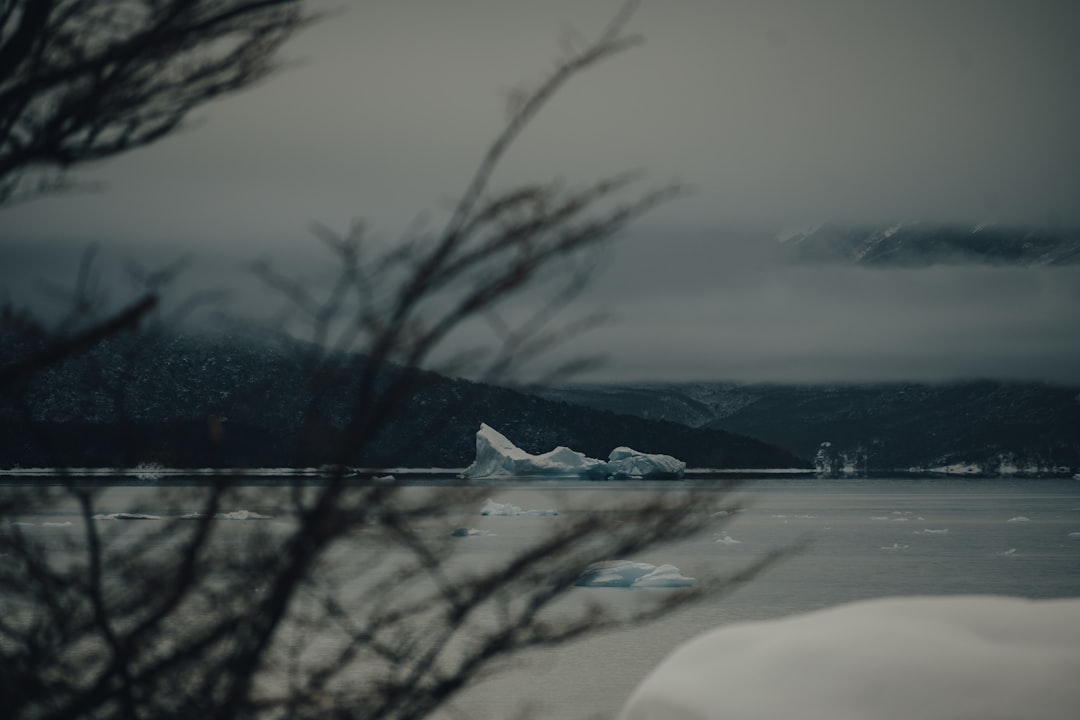
Arctic documentaries serve as a vital lens through which audiences can explore the unique and often fragile ecosystems of the polar regions. These films not only showcase the breathtaking beauty of the Arctic landscape but also delve into the complex social, environmental, and political issues that define life in these remote areas. By capturing the stark contrasts between the serene, icy vistas and the pressing challenges faced by both nature and indigenous communities, Arctic documentaries invite viewers to reflect on their own relationship with the planet.
The genre has gained prominence in recent years, driven by a growing awareness of climate change and its far-reaching implications. The allure of the Arctic has long captivated filmmakers, drawing them to its vast expanses of ice and snow. However, the significance of Arctic documentaries extends beyond mere visual spectacle; they serve as crucial narratives that inform and educate audiences about the realities of life in one of the world’s most extreme environments.
Through compelling storytelling and stunning visuals, these films have the power to evoke empathy and inspire action, making them an essential part of contemporary documentary filmmaking.
History of Arctic Documentary Filmmaking
The history of Arctic documentary filmmaking can be traced back to the early 20th century when explorers and adventurers began to document their journeys through the polar regions. These early films often focused on the thrill of exploration, showcasing the bravery of those who ventured into uncharted territories. As technology advanced, filmmakers gained access to better equipment, allowing for more sophisticated storytelling techniques.
The 1950s and 1960s marked a significant turning point in Arctic documentaries, as filmmakers began to shift their focus from exploration to the environmental and cultural issues facing indigenous populations. In the decades that followed, Arctic documentaries evolved to include a broader range of themes, such as climate change, resource extraction, and the impact of globalization on traditional ways of life. Filmmakers like Werner Herzog and Luc Jacquet brought international attention to the Arctic through their visually stunning works that highlighted both the beauty and vulnerability of this unique environment.
As awareness of climate change grew, so too did the urgency of these narratives, prompting filmmakers to use their platforms to advocate for environmental protection and social justice.
Key Themes and Issues Explored in Arctic Documentaries
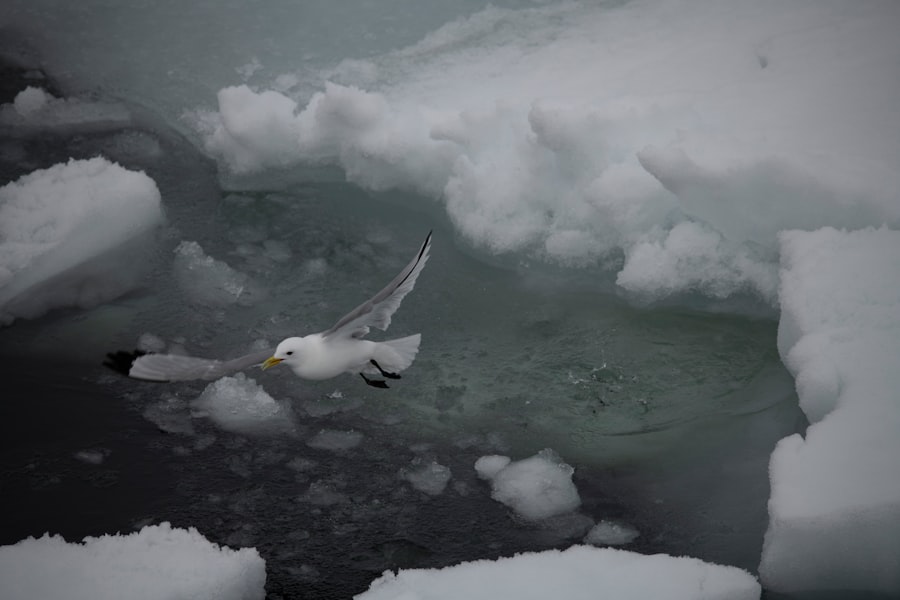
Arctic documentaries often grapple with a variety of themes that reflect the complexities of life in these regions. One prominent theme is the impact of climate change on both the environment and indigenous communities. As temperatures rise and ice melts at an alarming rate, filmmakers document the profound changes occurring in the Arctic landscape.
These films often highlight how climate change threatens traditional hunting practices, alters migration patterns, and disrupts ecosystems that have remained stable for centuries. Another critical issue explored in Arctic documentaries is the struggle for indigenous rights and representation. Many films focus on the voices of indigenous peoples who have lived in harmony with their environment for generations.
By showcasing their stories, filmmakers aim to challenge stereotypes and promote a deeper understanding of indigenous cultures. These narratives often emphasize the importance of preserving traditional knowledge and practices in the face of external pressures from industrialization and climate change.
Impact of Climate Change on Arctic Documentaries
| Documentary Title | Year Released | Main Topic | Impact |
|---|---|---|---|
| Arctic Tale | 2007 | Wildlife in the Arctic | Raised awareness about the impact of climate change on Arctic animals |
| Chasing Ice | 2012 | Arctic Ice Melting | Highlighted the rapid melting of Arctic ice due to climate change |
| The Last Ice | 2020 | Arctic Indigenous Communities | Explored the impact of climate change on the traditional way of life of Arctic indigenous communities |
The impact of climate change on Arctic documentaries cannot be overstated. As one of the regions most affected by global warming, the Arctic serves as a poignant backdrop for filmmakers seeking to convey the urgency of environmental issues. Documentaries often depict melting glaciers, shrinking sea ice, and changing wildlife populations, providing stark visual evidence of climate change’s effects.
This imagery not only captivates audiences but also serves as a call to action, urging viewers to confront the reality of a warming planet. Moreover, climate change narratives in Arctic documentaries frequently intersect with discussions about social justice and equity. Filmmakers highlight how marginalized communities, particularly indigenous populations, bear the brunt of environmental degradation despite contributing little to its causes.
By centering these voices, Arctic documentaries challenge viewers to consider their own roles in perpetuating systemic inequalities and advocate for more equitable solutions to climate-related challenges.
Indigenous Perspectives in Arctic Documentaries
Indigenous perspectives play a crucial role in shaping Arctic documentaries, offering insights that are often overlooked in mainstream narratives. Many filmmakers prioritize collaboration with indigenous communities, ensuring that their stories are told authentically and respectfully. This approach not only enriches the narrative but also empowers indigenous voices in discussions about their land, culture, and rights.
By foregrounding these perspectives, filmmakers can challenge dominant narratives that portray indigenous peoples as passive victims rather than active stewards of their environments. Furthermore, indigenous knowledge systems provide valuable insights into sustainable living practices that have been honed over generations. Documentaries that incorporate these perspectives often emphasize the importance of traditional ecological knowledge in addressing contemporary environmental challenges.
By showcasing how indigenous communities adapt to changing conditions while maintaining their cultural heritage, filmmakers highlight alternative ways of understanding and interacting with nature.
Ethical Considerations in Filming Arctic Documentaries
The ethical considerations surrounding Arctic documentary filmmaking are multifaceted and complex. Filmmakers must navigate issues related to representation, consent, and cultural sensitivity when working with indigenous communities. It is essential for filmmakers to engage in meaningful dialogue with community members before embarking on projects that involve their stories or lands.
This collaborative approach fosters trust and ensures that narratives are portrayed accurately and respectfully. Additionally, ethical considerations extend beyond representation; they also encompass environmental stewardship. Filmmakers must be mindful of their impact on fragile ecosystems while filming in remote locations.
This includes minimizing disturbances to wildlife habitats and respecting local customs and practices. By prioritizing ethical filmmaking practices, documentarians can contribute positively to both the communities they portray and the environments they explore.
Cinematography and Aesthetics in Arctic Documentaries
Cinematography plays a pivotal role in shaping the aesthetic experience of Arctic documentaries. The stark beauty of the polar landscape presents both challenges and opportunities for filmmakers seeking to capture its essence. The use of wide-angle shots can convey the vastness of ice fields and glaciers, while close-ups can reveal intricate details of flora and fauna adapted to extreme conditions.
The interplay between light and shadow in these environments creates a visually stunning backdrop that enhances storytelling. Moreover, sound design is equally important in conveying the atmosphere of the Arctic. The haunting silence of snow-covered landscapes can be juxtaposed with the sounds of cracking ice or howling winds, immersing viewers in the experience.
Filmmakers often employ innovative techniques such as time-lapse photography to illustrate changes over time, further emphasizing the urgency of environmental issues. Through thoughtful cinematography and aesthetics, Arctic documentaries can evoke powerful emotional responses from audiences.
Audience Reception and Engagement with Arctic Documentaries
The reception of Arctic documentaries among audiences has evolved alongside growing awareness of climate change and environmental issues. Viewers are increasingly drawn to films that not only entertain but also educate them about pressing global challenges. As a result, many Arctic documentaries have garnered critical acclaim and sparked conversations about sustainability, conservation, and social justice.
Engagement with these films often extends beyond passive viewing; audiences are inspired to take action in their own lives after witnessing the realities depicted on screen. Many documentaries include calls to action or resources for viewers seeking to learn more or get involved in advocacy efforts. This interactive element fosters a sense of community among viewers who share a commitment to addressing climate change and supporting indigenous rights.
The Role of Science and Research in Arctic Documentaries
Science and research play an integral role in informing Arctic documentaries, providing filmmakers with valuable data and insights into environmental changes occurring in these regions. Collaborations between scientists and filmmakers can lead to more accurate representations of complex issues such as melting ice caps or shifting wildlife populations. By grounding narratives in scientific research, filmmakers can enhance credibility while also making complex topics accessible to general audiences.
Additionally, scientific findings often serve as a catalyst for storytelling within Arctic documentaries. For instance, researchers studying polar bear populations may uncover alarming trends that prompt filmmakers to explore broader themes related to habitat loss or food scarcity. By weaving scientific research into compelling narratives, filmmakers can effectively communicate urgent messages about climate change while engaging viewers emotionally.
Challenges and Limitations of Filming in the Arctic
Filming in the Arctic presents numerous challenges that can complicate documentary production. Harsh weather conditions, remote locations, and logistical difficulties often require filmmakers to adapt their plans on short notice. Extreme cold temperatures can affect equipment functionality, while unpredictable weather patterns may hinder access to certain areas or delay shooting schedules.
Moreover, ethical considerations surrounding indigenous communities add another layer of complexity to filming in these regions. Filmmakers must navigate cultural sensitivities while ensuring that they accurately represent local perspectives. This requires building relationships based on trust and mutual respect—an endeavor that can be time-consuming but ultimately enriches the final product.
Future Trends in Arctic Documentary Filmmaking
As awareness of climate change continues to grow, future trends in Arctic documentary filmmaking are likely to reflect an increasing emphasis on collaboration with indigenous communities and scientists alike. Filmmakers may seek innovative ways to incorporate traditional ecological knowledge alongside scientific research, creating more holistic narratives that resonate with diverse audiences. Additionally, advancements in technology may open new avenues for storytelling within this genre.
Virtual reality experiences could allow viewers to immerse themselves in Arctic environments like never before, fostering a deeper connection with these fragile ecosystems. As filmmakers continue to push boundaries while remaining committed to ethical practices, Arctic documentaries will undoubtedly play a crucial role in shaping public discourse around environmental issues for years to come.
These documentaries not only highlight the breathtaking beauty of the Arctic but also underscore the urgent need for conservation efforts in the face of climate change. For those interested in exploring more about the geographical and environmental aspects of such regions, a related article can be found on MyGeoQuest. This article delves into various geographical explorations and provides insights into the challenges faced by polar regions.