
The Arctic region, often perceived as a remote and inhospitable expanse of ice and snow, has emerged as a focal point of geopolitical tension and military interest in recent years. As climate change continues to alter the landscape, melting ice caps are revealing new shipping routes and untapped natural resources, prompting nations to assert their claims over this strategically significant area. The Arctic conflict is not merely a battle for territory; it encapsulates broader themes of national security, environmental stewardship, and the rights of indigenous populations.
As countries like Russia, the United States, Canada, and others ramp up their military presence in the region, the potential for conflict looms large, raising questions about the future of international relations in this fragile environment. The stakes in the Arctic are high, with nations vying for control over vast reserves of oil, gas, and minerals that lie beneath the ice. Additionally, the opening of new maritime routes promises to revolutionize global trade, making the Arctic a critical area for economic competition.
This complex interplay of interests has led to an increase in military operations and strategic posturing among Arctic nations. Understanding the historical context of these military operations is essential to grasping the current dynamics of Arctic conflict and the implications for global security.
Historical Background of Arctic Military Operations
The history of military operations in the Arctic is rich and multifaceted, dating back centuries when explorers first ventured into its icy waters. During the Cold War, the Arctic became a significant theater for military strategy as both the United States and the Soviet Union sought to establish dominance in this remote region. The establishment of early warning radar systems and submarine bases underscored the strategic importance of the Arctic in nuclear deterrence.
The harsh environment posed unique challenges for military operations, leading to innovations in cold-weather gear and tactics that would shape future engagements. In the post-Cold War era, interest in the Arctic waned temporarily as global attention shifted to other regions. However, with the advent of climate change and its profound impact on the Arctic landscape, military operations have once again taken center stage.
Nations have begun to reassess their military capabilities and strategies in light of new opportunities and threats emerging from this changing environment. The historical context of Arctic military operations provides a crucial backdrop for understanding contemporary conflicts and the motivations driving nations to assert their presence in this vital region.
Geopolitical Importance of the Arctic Region
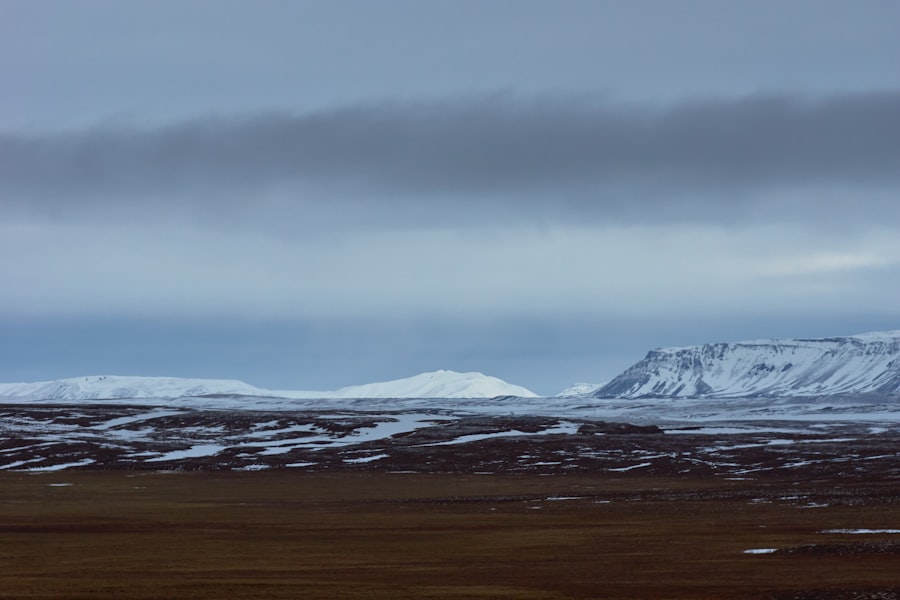
The geopolitical significance of the Arctic cannot be overstated. As ice melts due to rising temperatures, previously inaccessible areas are becoming open for exploration and exploitation. This transformation has led to heightened competition among Arctic nations, each eager to stake their claim on valuable resources such as oil, natural gas, and rare minerals.
The potential for new shipping routes through the Northern Sea Route and Northwest Passage further amplifies the region’s importance, promising to shorten transit times between major global markets. Moreover, the Arctic serves as a critical barometer for international relations. The actions taken by countries in this region often reflect broader geopolitical trends and tensions.
For instance, Russia’s aggressive military buildup in the Arctic has raised alarms among NATO members, prompting discussions about collective security measures. The interplay between national interests and international cooperation is complex, as countries navigate their ambitions while also recognizing the need for collaboration in addressing shared challenges such as climate change and environmental protection.
Military Strategies and Tactics in Arctic Warfare
| Aspect | Metrics |
|---|---|
| Temperature | Extreme cold conditions |
| Visibility | Challenges due to snow and fog |
| Logistics | Difficulties in transportation and supply |
| Terrain | Presence of ice and snow-covered landscapes |
| Equipment | Specialized gear for cold weather operations |
Military strategies and tactics in Arctic warfare are uniquely shaped by the region’s extreme conditions. The harsh climate, characterized by frigid temperatures and unpredictable weather patterns, necessitates specialized training and equipment for personnel operating in this environment. Nations have developed cold-weather warfare doctrines that emphasize mobility, adaptability, and resilience.
For instance, exercises conducted in icy terrains focus on enhancing troops’ capabilities to operate effectively under challenging conditions while ensuring logistical support remains robust. Additionally, naval power plays a crucial role in Arctic military strategies. Icebreakers have become essential assets for maintaining access to key waterways and supporting naval operations.
Countries are investing heavily in modernizing their fleets to ensure they can navigate through ice-covered waters effectively. The integration of air power also enhances situational awareness and rapid response capabilities in this vast expanse. As nations refine their military strategies, they must balance traditional approaches with innovative tactics that account for the unique challenges posed by Arctic warfare.
Environmental Challenges in Arctic Conflict
The environmental challenges associated with Arctic conflict are profound and multifaceted. As nations engage in military operations to assert their claims over resources, they must grapple with the delicate ecosystem that characterizes this region. The potential for oil spills, habitat destruction, and pollution poses significant risks not only to wildlife but also to indigenous communities that rely on these ecosystems for their livelihoods.
The intersection of military activity and environmental stewardship raises ethical questions about the responsibilities of nations operating in such a fragile environment. Moreover, climate change itself presents a paradoxical challenge for military operations in the Arctic. While melting ice opens up new opportunities for resource extraction and shipping routes, it also exacerbates environmental degradation and increases the frequency of extreme weather events.
Military planners must consider these factors when developing strategies for operations in the region.
Role of Technology in Arctic Military Operations
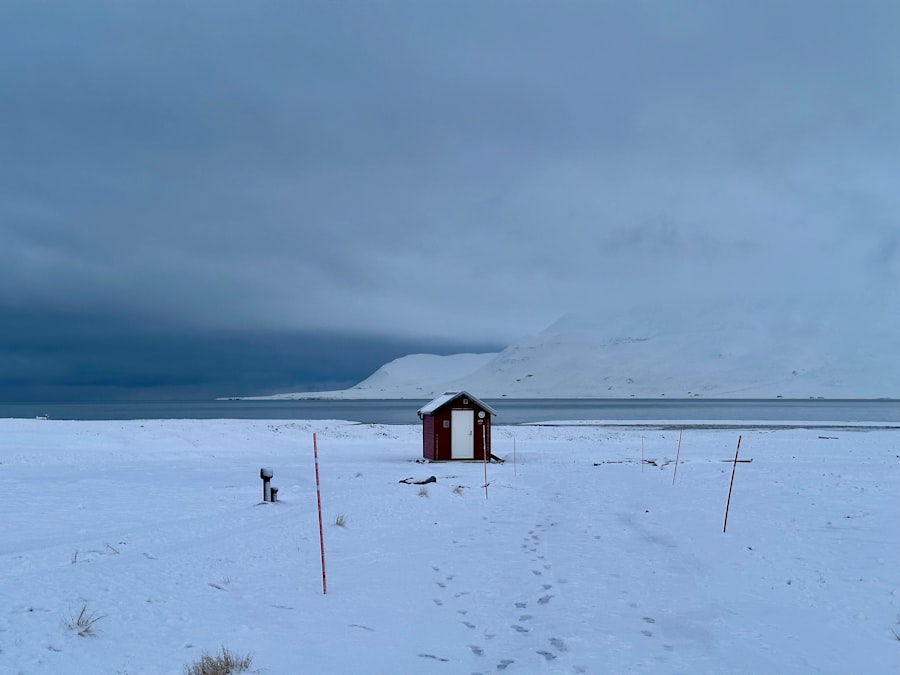
Technology plays a pivotal role in shaping modern military operations in the Arctic. Advances in satellite imagery, unmanned aerial vehicles (UAVs), and communication systems have transformed how nations monitor activities in this remote region. Enhanced surveillance capabilities allow for real-time assessments of potential threats and facilitate rapid decision-making during military engagements.
Additionally, innovations in ice detection technology enable vessels to navigate safely through treacherous waters. Furthermore, research into climate science is informing military strategies by providing insights into changing environmental conditions. Understanding how climate change impacts ice formation and melting patterns is crucial for planning operations effectively.
As nations invest in cutting-edge technology to bolster their capabilities in the Arctic, they must also consider ethical implications related to surveillance and data collection practices.
International Cooperation and Conflict in the Arctic
The Arctic presents a unique landscape where international cooperation coexists with potential conflict. While nations compete for resources and influence, there are also frameworks in place that promote collaboration among Arctic states. The Arctic Council serves as a platform for dialogue on issues ranging from environmental protection to sustainable development.
This cooperative approach underscores the recognition that many challenges faced by Arctic nations transcend national borders. However, tensions persist as countries assert their territorial claims through military posturing and strategic maneuvers. Incidents involving naval vessels or airspace violations can escalate quickly, highlighting the fragile balance between cooperation and competition.
The challenge lies in fostering an environment where dialogue prevails over confrontation while addressing legitimate concerns about sovereignty and security.
Impact of Arctic Conflict on Indigenous Peoples
The impact of Arctic conflict on indigenous peoples is profound and often overlooked in discussions about geopolitical tensions. Indigenous communities have inhabited these lands for millennia, relying on traditional practices that are intricately tied to their cultural identity and way of life. As nations pursue resource extraction and military operations, indigenous rights are frequently sidelined, leading to displacement and disruption of traditional livelihoods.
Moreover, climate change exacerbates existing challenges faced by indigenous populations. Melting ice alters migration patterns of marine life, affecting food security for communities that depend on fishing and hunting. The encroachment of military activities further complicates their ability to maintain cultural practices rooted in their relationship with the land and sea.
Recognizing and addressing these impacts is essential for fostering equitable solutions that respect indigenous rights while navigating the complexities of Arctic conflict.
The Future of Arctic Military Operations
The future of Arctic military operations is likely to be shaped by a combination of geopolitical dynamics, environmental considerations, and technological advancements. As climate change continues to reshape the landscape, nations will need to adapt their strategies accordingly. The potential for increased competition over resources may lead to heightened tensions; however, it could also spur greater collaboration among Arctic states as they confront shared challenges.
Furthermore, public awareness regarding environmental issues is growing, prompting calls for sustainable practices within military operations. As societies become more attuned to the ecological consequences of human activity, there may be increased pressure on governments to prioritize environmental stewardship alongside national security interests. The future landscape of Arctic military operations will require a delicate balance between asserting national interests and safeguarding this fragile environment.
Personal Stories and Perspectives from Military Personnel
Personal stories from military personnel who have served in the Arctic provide invaluable insights into the realities of operating in such an extreme environment. Many recount experiences that highlight not only the physical challenges posed by frigid temperatures but also the camaraderie forged among service members facing adversity together. These narratives often reflect a deep respect for the land and its indigenous peoples, underscoring the complexities inherent in military operations within this unique context.
Moreover, perspectives from those who have witnessed firsthand the impact of climate change on traditional ways of life resonate deeply within these stories. Service members often express a sense of responsibility toward protecting both national interests and the environment they operate within. These personal accounts serve as powerful reminders that behind strategic decisions lie human experiences shaped by duty, sacrifice, and an evolving understanding of our interconnected world.
The Arctic Conflict Documentary’s Impact and Significance
The exploration of Arctic conflict through documentary storytelling serves as a vital tool for raising awareness about this complex issue. By shedding light on historical contexts, geopolitical dynamics, environmental challenges, and personal narratives from those involved in military operations, documentaries can foster a deeper understanding among audiences worldwide. They highlight not only the stakes involved but also emphasize the importance of collaboration over confrontation.
As global attention increasingly turns toward the Arctic region, documentaries play a crucial role in shaping public discourse around these pressing issues. They encourage viewers to consider not only national security concerns but also ethical responsibilities toward indigenous communities and environmental preservation. Ultimately, such narratives contribute significantly to ongoing conversations about how humanity can navigate its future within this fragile yet vital part of our planet.
The military documentary “Arctic Conflict” delves into the strategic importance and geopolitical tensions surrounding the Arctic region. For those interested in exploring more about the geographical and environmental aspects that play a crucial role in such conflicts, a related article can be found on MyGeoQuest. This article provides insights into the unique challenges and opportunities presented by the Arctic’s harsh climate and its impact on military operations. To learn more, visit the article on MyGeoQuest.
WATCH THIS! The Arctic Ice Is Melting, And It Will Start World War 3
FAQs
What is a military documentary about arctic conflict?
A military documentary about arctic conflict is a film or television program that explores the military and geopolitical dynamics of conflicts in the Arctic region. It may cover historical events, current tensions, military strategies, and the impact of climate change on the region.
What are some common themes in military documentaries about arctic conflict?
Common themes in military documentaries about arctic conflict include territorial disputes, resource competition, military capabilities and strategies in extreme cold weather environments, the role of indigenous peoples, and the potential for future conflicts as the Arctic becomes more accessible due to melting ice.
Where can I watch military documentaries about arctic conflict?
Military documentaries about arctic conflict can be found on various streaming platforms, such as Netflix, Amazon Prime Video, and Hulu. They may also be available for purchase or rental on platforms like iTunes or Google Play. Additionally, some documentaries may be broadcast on television channels dedicated to history or military topics.
Are military documentaries about arctic conflict based on real events?
Yes, military documentaries about arctic conflict are typically based on real events, historical records, and expert analysis. They often feature interviews with military personnel, historians, and experts in Arctic geopolitics to provide an in-depth and accurate portrayal of the subject matter.
What are the benefits of watching military documentaries about arctic conflict?
Watching military documentaries about arctic conflict can provide valuable insights into the complex geopolitical dynamics of the Arctic region, as well as the military strategies and capabilities of various nations. It can also increase awareness of the environmental and security challenges facing the Arctic, and the potential implications for global politics and security.