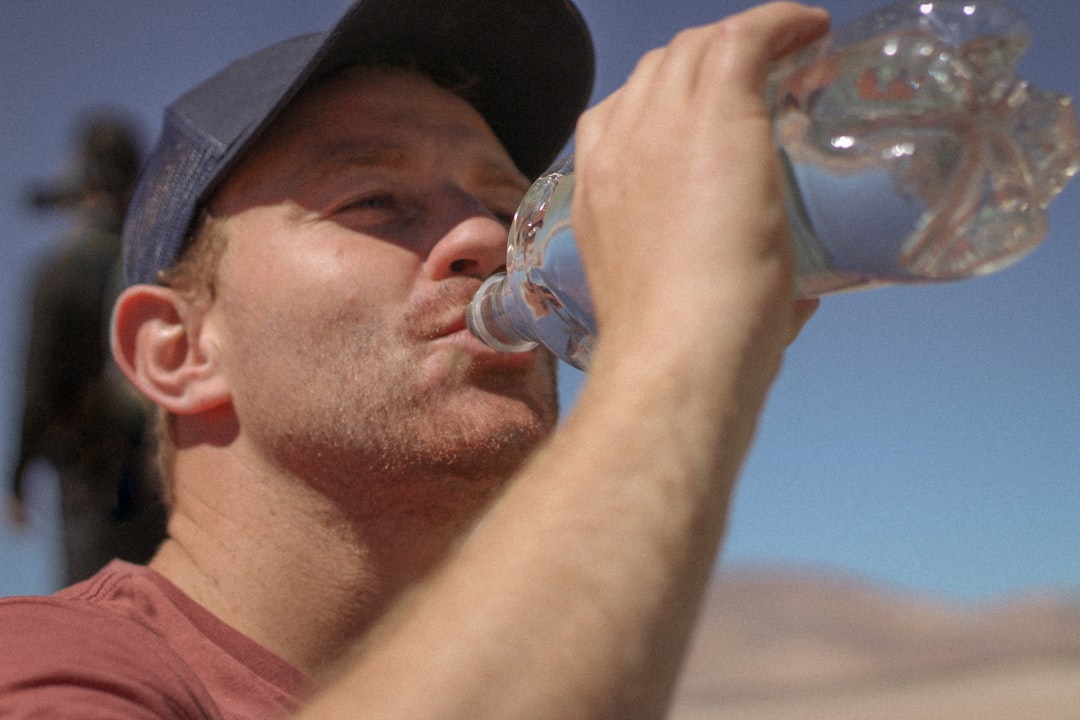
America’s water crisis is a pressing issue that has garnered increasing attention in recent years. As the nation grapples with the dual challenges of climate change and population growth, the availability of clean and safe water is becoming increasingly precarious. The crisis is not merely a future concern; it is a present reality for millions of Americans who face water shortages, contamination, and infrastructure failures.
The complexity of this crisis is underscored by the interplay of various factors, including environmental changes, economic pressures, and social inequalities. Understanding the nuances of America’s water crisis is essential for developing effective solutions that ensure access to this vital resource for all. The urgency of addressing the water crisis cannot be overstated.
Water is fundamental to life, health, and economic stability. It is essential for drinking, sanitation, agriculture, and industry. However, as the population continues to grow and climate patterns shift, the sustainability of water resources is increasingly threatened.
This article aims to explore the current state of water resources in the United States, the factors contributing to the looming crisis, and potential solutions that can be implemented at both governmental and community levels.
Key Takeaways
- The United States faces a significant water crisis driven by multiple environmental and human factors.
- Climate change, pollution, and aging infrastructure critically threaten water availability and quality.
- Population growth, urbanization, and agricultural demands intensify pressure on limited water resources.
- Effective government policies and infrastructure investments are essential for sustainable water management.
- Individual and community efforts in water conservation play a vital role in mitigating the crisis.
Current State of Water Resources in the United States
The current state of water resources in the United States is marked by stark disparities and alarming trends. While some regions enjoy abundant freshwater supplies, others are facing severe shortages that threaten public health and economic stability. According to recent reports, approximately 2 million Americans lack access to safe drinking water, highlighting a significant public health crisis that often goes unnoticed.
In addition to access issues, the quality of water resources is also a growing concern. Many rivers, lakes, and aquifers are suffering from pollution due to industrial runoff, agricultural practices, and urban development.
The Environmental Protection Agency (EPA) has identified numerous waterways across the country as impaired, meaning they do not meet water quality standards. This degradation not only affects ecosystems but also poses serious risks to human health, as contaminated water can lead to a range of illnesses and diseases.
Factors Contributing to the Looming Water Crisis
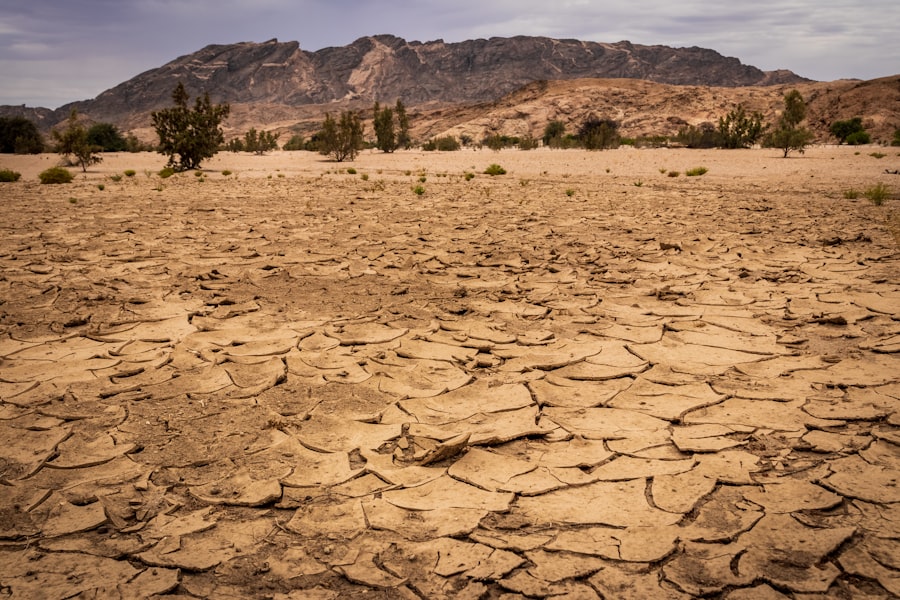
Several interrelated factors contribute to the looming water crisis in America. One significant factor is climate change, which has led to altered precipitation patterns, increased evaporation rates, and more frequent extreme weather events such as droughts and floods. These changes disrupt the natural hydrological cycle and can lead to both water scarcity and excess, complicating water management efforts.
As temperatures rise and weather becomes more unpredictable, regions that once relied on consistent rainfall are finding themselves increasingly vulnerable. Another critical factor is the over-extraction of groundwater resources. In many areas, particularly in the western United States, groundwater serves as a primary source of drinking water and irrigation.
However, excessive pumping has led to declining water tables and depleted aquifers. This unsustainable practice not only threatens future water availability but also contributes to land subsidence and other environmental issues. The combination of climate change and groundwater depletion creates a perfect storm for a water crisis that could have far-reaching consequences.
Impact of Climate Change on Water Availability
Climate change has emerged as a dominant force shaping the availability of water resources across the United States. Rising temperatures have led to increased evaporation rates from lakes and reservoirs, reducing overall water supplies. Additionally, altered precipitation patterns mean that some regions experience prolonged droughts while others face intense flooding.
This variability complicates water management strategies and places immense pressure on existing infrastructure. The impact of climate change is particularly pronounced in areas already facing water scarcity. For instance, states like California have experienced severe drought conditions that have persisted for years, leading to significant reductions in agricultural output and increased competition for limited water resources.
As climate change continues to exacerbate these challenges, it becomes increasingly clear that adaptive strategies are necessary to ensure sustainable water management in the face of an uncertain future.
Pollution and Contamination of Water Sources
| Metric | Value | Unit | Notes |
|---|---|---|---|
| Population affected by water scarcity | 45 | Million people | Estimated number of Americans facing water shortages |
| Annual water demand | 400 | Billion gallons per day | Projected water consumption across all sectors |
| Percentage of groundwater depletion | 30 | Percent | Average depletion rate in critical aquifers |
| Number of states with declared water emergencies | 12 | States | States officially reporting water crisis conditions |
| Average annual rainfall reduction | 15 | Percent | Decrease compared to 2000-2020 average |
| Investment in water infrastructure | 50 | Billion | Planned federal and state funding for 2025 |
| Water loss due to aging infrastructure | 20 | Percent | Estimated percentage of water lost before use |
Pollution and contamination represent another critical aspect of America’s water crisis. Industrial discharges, agricultural runoff, and urban stormwater are significant contributors to the degradation of water quality across the nation. Contaminants such as heavy metals, pesticides, and pharmaceuticals can infiltrate drinking water supplies, posing serious health risks to communities.
The Flint water crisis serves as a stark reminder of how systemic failures in infrastructure and governance can lead to catastrophic public health outcomes. Moreover, many communities—particularly those in low-income or marginalized areas—face disproportionate exposure to contaminated water sources. Environmental justice issues arise when certain populations bear the brunt of pollution while lacking the resources to advocate for clean water access.
Addressing these disparities is crucial for ensuring equitable access to safe drinking water for all Americans.
Population Growth and Urbanization’s Effect on Water Supply
Population growth and urbanization are significant drivers of increased demand for water resources in the United States. As cities expand and more people flock to urban areas in search of opportunities, the strain on local water supplies intensifies. Urban centers often face challenges related to infrastructure capacity, leading to issues such as inadequate wastewater treatment and increased pollution runoff into nearby waterways.
The rapid pace of urbanization also complicates land use planning and resource management efforts. As green spaces are replaced with concrete structures, natural systems that help filter and manage stormwater are lost. This not only exacerbates flooding but also diminishes the quality of local water sources.
Sustainable urban planning practices that prioritize green infrastructure can help mitigate some of these challenges by enhancing water retention and improving overall ecosystem health.
Agricultural Practices and Water Usage
Agriculture is one of the largest consumers of freshwater resources in the United States, accounting for approximately 70% of total water use. While agriculture is essential for food production, certain practices can lead to significant inefficiencies and environmental degradation. For instance, traditional irrigation methods often result in substantial water loss due to evaporation or runoff, leading to over-extraction from rivers and aquifers.
Moreover, agricultural runoff containing fertilizers and pesticides contributes to pollution in nearby waterways, creating dead zones where aquatic life cannot thrive. Sustainable agricultural practices—such as drip irrigation, crop rotation, and organic farming—can help reduce water usage while minimizing environmental impacts. By adopting more efficient methods, farmers can contribute to a more sustainable future while ensuring food security for a growing population.
Infrastructure and Aging Water Systems
The state of America’s water infrastructure is another critical factor contributing to the ongoing crisis. Many cities rely on aging pipes and treatment facilities that are ill-equipped to handle current demands or meet modern safety standards. According to estimates from the American Society of Civil Engineers (ASCE), billions of dollars are needed to repair or replace outdated systems across the country.
The consequences of failing infrastructure are dire; leaks can lead to significant water loss while also increasing the risk of contamination from external sources. Additionally, communities with inadequate infrastructure may struggle to provide reliable access to clean drinking water during emergencies or natural disasters. Investing in modernizing water systems is essential for ensuring resilience against future challenges while safeguarding public health.
Potential Solutions and Mitigation Strategies
Addressing America’s water crisis requires a multifaceted approach that encompasses technological innovation, policy reform, and community engagement. One potential solution lies in investing in advanced water treatment technologies that can effectively remove contaminants from drinking water supplies. Innovations such as membrane filtration and advanced oxidation processes offer promising avenues for improving water quality.
Furthermore, promoting conservation practices at both individual and institutional levels can significantly reduce overall water consumption. Public awareness campaigns aimed at educating citizens about responsible water use can foster a culture of conservation that extends beyond mere compliance with regulations. Additionally, incentivizing businesses and industries to adopt sustainable practices can lead to substantial reductions in overall demand for freshwater resources.
The Role of Government and Policy in Addressing the Water Crisis
Government policy plays a crucial role in shaping how communities manage their water resources. Effective regulations can help protect waterways from pollution while ensuring equitable access to clean drinking water for all citizens. Federal initiatives such as the Clean Water Act have laid important groundwork for safeguarding aquatic ecosystems; however, ongoing enforcement challenges remain.
Moreover, state-level policies must adapt to local conditions and needs while promoting sustainable practices across sectors such as agriculture and urban development. Collaborative efforts between government agencies, non-profit organizations, and community stakeholders can foster innovative solutions tailored to specific regional challenges. By prioritizing comprehensive planning that considers both current demands and future projections, policymakers can help mitigate the impacts of the looming water crisis.
The Importance of Individual and Community Action in Water Conservation
While systemic changes are essential for addressing America’s water crisis, individual actions also play a vital role in promoting conservation efforts at the grassroots level. Simple measures—such as fixing leaks, using low-flow fixtures, or collecting rainwater—can collectively lead to significant reductions in household water usage. Encouraging community engagement through local initiatives can foster a sense of shared responsibility for protecting this precious resource.
Community-led efforts can also drive advocacy for policy changes that prioritize sustainable management practices within local governments.
Ultimately, fostering a culture of conservation at both individual and community levels will be essential for ensuring a sustainable future for America’s water resources.
In conclusion, America’s water crisis presents a complex challenge that requires urgent attention from all sectors of society. By understanding the multifaceted nature of this issue—ranging from climate change impacts to infrastructure deficiencies—stakeholders can work collaboratively towards effective solutions that ensure equitable access to clean water for generations to come.
As the water crisis in America intensifies, projections for 2025 highlight the urgent need for sustainable solutions. A related article that delves into the implications of this crisis and potential strategies for mitigation can be found at MyGeoQuest. This resource provides valuable insights into the challenges and opportunities surrounding water management in the United States.
WATCH THIS! 💧 The $1 Trillion Lie: America’s Water Crisis Is 10x Worse Than They Tell You
FAQs
What is the water crisis in America projected for 2025?
The water crisis in America by 2025 refers to the anticipated shortage and increased stress on water resources across various regions due to factors such as population growth, climate change, pollution, and aging infrastructure.
Which areas in the United States are most at risk of water shortages by 2025?
Regions most at risk include the Southwest, California, parts of the Midwest, and some urban areas where water demand exceeds supply and drought conditions are frequent.
What are the main causes of the water crisis in America?
Key causes include prolonged droughts, over-extraction of groundwater, contamination of water sources, inefficient water use, and the impacts of climate change altering precipitation patterns.
How does climate change contribute to the water crisis?
Climate change affects the water cycle by causing more frequent and severe droughts, reducing snowpack that feeds rivers, and increasing evaporation rates, all of which reduce available freshwater supplies.
What are the potential consequences of the water crisis in America?
Consequences include reduced agricultural productivity, increased water costs, health risks from poor water quality, conflicts over water rights, and negative impacts on ecosystems and biodiversity.
What measures are being taken to address the water crisis?
Measures include investing in water infrastructure upgrades, promoting water conservation, implementing stricter pollution controls, developing new water sources like desalination, and improving water management policies.
Can individuals help mitigate the water crisis?
Yes, individuals can conserve water by fixing leaks, using water-efficient appliances, reducing lawn irrigation, and supporting policies aimed at sustainable water use.
Is the water crisis expected to affect urban and rural areas differently?
Yes, urban areas may face challenges related to aging infrastructure and high demand, while rural areas might struggle with groundwater depletion and limited access to clean water sources.
How reliable are the projections about the water crisis in 2025?
Projections are based on current data and trends but can vary depending on future climate conditions, policy changes, technological advancements, and water management practices.
What role does agriculture play in the water crisis?
Agriculture is a major water consumer, accounting for about 80% of freshwater use in the U.S., and inefficient irrigation practices can exacerbate water scarcity issues.