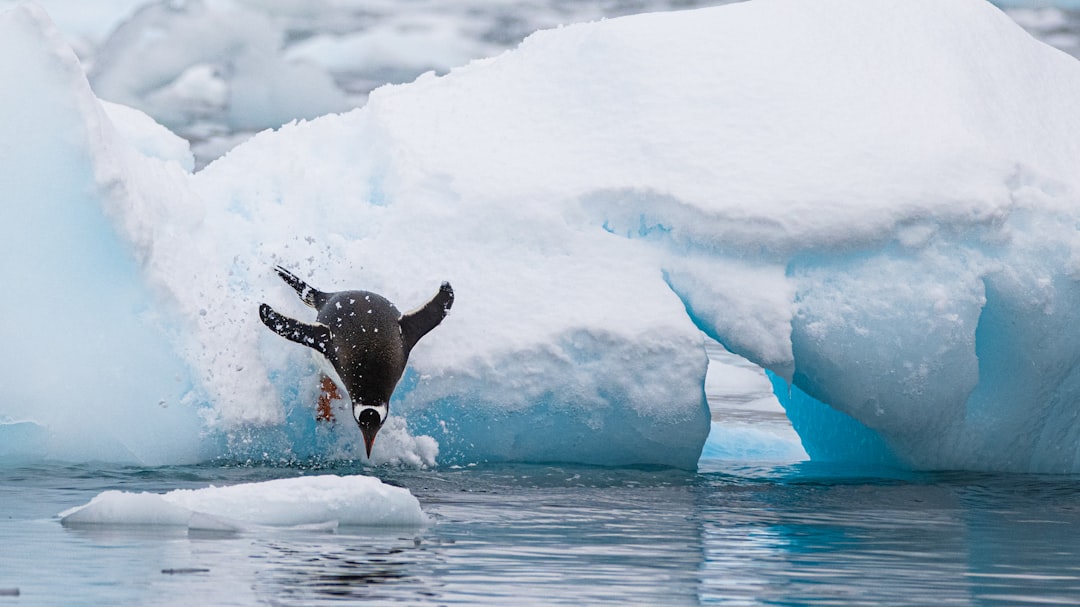
The Drake Passage, a body of water situated between the southern tip of South America and Antarctica, is renowned for its tumultuous seas and unpredictable weather. Named after the English explorer Sir Francis Drake, who navigated these waters in the late 16th century, the passage serves as a critical maritime corridor for vessels traveling to and from Antarctica. Spanning approximately 800 kilometers (500 miles) in width, it is often regarded as one of the most challenging maritime routes in the world.
The passage is not only significant for its geographical location but also for its ecological importance, as it connects the Atlantic and Pacific Oceans, facilitating the movement of marine life and influencing global climate patterns. Navigating the Drake Passage is an adventure that many seafarers and explorers undertake, but it is not without its perils. The confluence of powerful ocean currents, particularly the Antarctic Circumpolar Current, creates a unique and often treacherous environment.
This current flows unimpeded around the continent of Antarctica, generating large waves and strong winds that can make crossing the passage a daunting task. For those seeking to reach the icy shores of Antarctica, understanding the challenges posed by the Drake Passage is essential, as it sets the stage for exploring alternative routes that may offer safer or more efficient passage.
Key Takeaways
- The Drake Passage is a notoriously challenging stretch of water between South America and Antarctica.
- Crossing the Drake Passage presents challenges such as rough seas, strong winds, and potential seasickness.
- Alternative routes to Antarctica include the Beagle Channel, South Georgia, the Weddell Sea, and the Ross Sea.
- The Beagle Channel route offers a sheltered and scenic passage with opportunities for wildlife viewing.
- Considerations for choosing an alternative route to Antarctica include weather conditions, wildlife sightings, and historical significance.
Challenges of crossing the Drake Passage
Crossing the Drake Passage is fraught with challenges that can test even the most seasoned mariners. One of the primary difficulties lies in the unpredictable weather conditions that can change rapidly. Storms can develop with little warning, bringing high winds and towering waves that can reach heights of up to 15 meters (50 feet).
These conditions not only pose risks to vessels but also create discomfort for passengers, making the journey a test of endurance. The combination of rough seas and strong winds can lead to seasickness, which is a common experience for those unaccustomed to such turbulent waters. In addition to the weather, navigational hazards present another layer of complexity when traversing the Drake Passage.
Icebergs and sea ice are prevalent in these waters, particularly during certain times of the year. The presence of these floating masses can obstruct navigation and pose significant risks to vessels. Furthermore, the remoteness of the passage means that assistance may not be readily available in case of emergencies.
As a result, mariners must be well-prepared and equipped to handle any situation that may arise during their journey across this formidable stretch of ocean.
Alternative routes to Antarctica

Given the challenges associated with crossing the Drake Passage, many adventurers and researchers have begun to explore alternative routes to Antarctica. These routes offer varying degrees of safety and efficiency, allowing vessels to bypass some of the more treacherous aspects of the Drake Passage while still reaching their destination. Each alternative route presents its own unique set of advantages and disadvantages, making it essential for those planning a journey to carefully consider their options.
One notable alternative is the Beagle Channel route, which provides a sheltered passage through a series of islands and waterways. This route is particularly appealing for smaller vessels or those seeking a more scenic journey. Other alternatives include routes through the South Georgia region and the Weddell Sea, each offering distinct experiences and challenges.
By examining these alternative routes, travelers can make informed decisions about their journey to Antarctica while minimizing risks associated with the notorious Drake Passage.
The Beagle Channel route
| Metrics | Details |
|---|---|
| Length | Approximately 150 miles |
| Depth | Ranges from 200 to 500 meters |
| Width | Varies from 2 to 6 miles |
| Location | Located in the Tierra del Fuego archipelago, Argentina |
| Scenery | Offers stunning views of glaciers, mountains, and wildlife |
The Beagle Channel route is a favored alternative for those looking to navigate toward Antarctica with less exposure to the harsh conditions of the Drake Passage. This channel runs between the southern coast of South America and several islands, including Navarino Island and Hoste Island. The sheltered waters of the Beagle Channel provide a more tranquil environment for vessels, making it an attractive option for smaller boats or those with limited experience in open ocean sailing.
Traveling through the Beagle Channel offers not only a safer passage but also breathtaking scenery. The channel is flanked by rugged mountains, lush forests, and diverse wildlife, including sea lions, penguins, and various seabird species. This natural beauty enhances the journey, allowing travelers to appreciate the stunning landscapes that characterize this remote region.
However, while the Beagle Channel route may be less perilous than crossing the Drake Passage directly, it is not without its own challenges. Navigating through narrow channels requires skillful seamanship and an understanding of local tides and currents.
The South Georgia route
Another alternative route to Antarctica is through South Georgia, an island located in the southern Atlantic Ocean. This route has gained popularity among expedition vessels due to its unique wildlife and historical significance. South Georgia is often referred to as “the Galapagos of the Southern Ocean” because of its rich biodiversity, including large populations of king penguins, elephant seals, and various seabird species.
For those interested in wildlife observation and photography, this route offers unparalleled opportunities to witness these remarkable creatures in their natural habitat. However, while traveling through South Georgia provides an enriching experience, it also presents its own set of challenges. The waters surrounding the island can be unpredictable, with strong currents and sudden weather changes similar to those found in the Drake Passage.
This means that travelers must be mindful of their impact on this pristine environment while enjoying all that it has to offer.
The Weddell Sea route
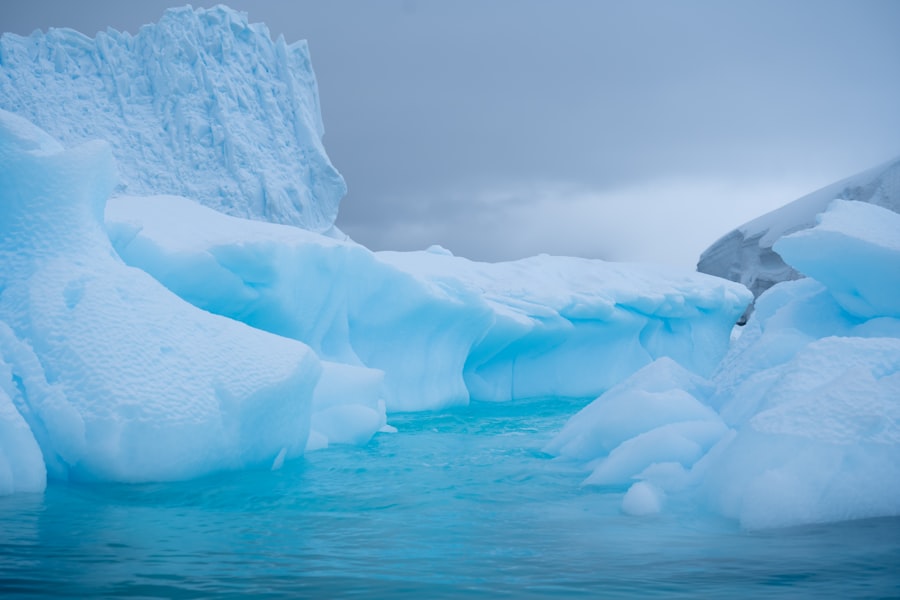
The Weddell Sea route is another alternative for those seeking access to Antarctica while avoiding some of the dangers associated with the Drake Passage. This route takes vessels through a portion of the Southern Ocean known for its ice-covered waters and stunning ice formations. The Weddell Sea is home to some of Antarctica’s most remote regions, making it an appealing choice for adventurers looking for an off-the-beaten-path experience.
One of the key attractions of the Weddell Sea route is its proximity to iconic locations such as the Antarctic Peninsula and various research stations. Travelers can explore areas that are less frequented by tourists, providing a sense of solitude and connection with nature that is hard to find elsewhere. However, navigating through ice-laden waters requires specialized vessels equipped for icebreaking operations.
This adds an additional layer of complexity and cost to expeditions using this route.
The Ross Sea route
The Ross Sea route represents yet another option for reaching Antarctica while circumventing some of the challenges posed by the Drake Passage. This route leads vessels into one of Antarctica’s largest bays and provides access to significant research stations such as McMurdo Station and Scott Base. The Ross Sea is known for its relatively stable weather conditions compared to other areas surrounding Antarctica, making it an attractive choice for scientific expeditions.
However, while the Ross Sea may offer more favorable weather patterns, it is not without its own challenges. The presence of sea ice can still pose navigational difficulties, particularly during certain times of the year when ice coverage is at its peak. Additionally, vessels traveling this route must be prepared for potential encounters with wildlife, including seals and whales, which can add both excitement and unpredictability to any journey.
Advantages and disadvantages of alternative routes
Each alternative route to Antarctica comes with its own set of advantages and disadvantages that travelers must weigh carefully before embarking on their journey. For instance, routes like the Beagle Channel offer sheltered waters and stunning scenery but may require more navigational skill due to narrow passages. On the other hand, routes through South Georgia provide unique wildlife experiences but come with unpredictable weather conditions.
The Weddell Sea route offers access to remote areas but necessitates specialized vessels capable of navigating icy waters. Similarly, while the Ross Sea route may provide more stable weather patterns, it still presents challenges related to sea ice navigation. Ultimately, travelers must consider their priorities—whether they seek adventure, wildlife encounters, or ease of navigation—when choosing an alternative route.
Considerations for choosing an alternative route
When selecting an alternative route to Antarctica, several factors come into play that can influence decision-making. One crucial consideration is vessel capability; not all boats are equipped to handle icy waters or navigate narrow channels effectively. Travelers should assess their vessel’s strengths and limitations before committing to a specific route.
Additionally, timing plays a significant role in determining which alternative route may be most suitable. Seasonal variations can impact weather conditions and ice coverage in different regions surrounding Antarctica. Understanding these seasonal patterns can help travelers plan their journeys more effectively while minimizing risks associated with adverse weather or navigational challenges.
Environmental impact of alternative routes
As interest in exploring alternative routes to Antarctica grows, so too does concern about their environmental impact. Each route presents unique challenges related to preserving fragile ecosystems and minimizing human interference with wildlife habitats. For instance, increased traffic through areas like South Georgia could lead to disturbances in local wildlife populations if not managed responsibly.
Travelers must remain vigilant about adhering to environmental regulations designed to protect these pristine environments during their journeys. This includes following guidelines on waste disposal, wildlife interactions, and respecting designated protected areas within each region visited along these alternative routes.
Exploring alternative routes to Antarctica
In conclusion, while crossing the Drake Passage remains a traditional method for reaching Antarctica, exploring alternative routes offers exciting possibilities for adventurers seeking unique experiences or safer passageways. Each alternative—whether through the Beagle Channel, South Georgia, Weddell Sea, or Ross Sea—presents distinct advantages and challenges that require careful consideration. As interest in Antarctic exploration continues to grow, understanding these alternatives becomes increasingly important for ensuring safe travel while minimizing environmental impact.
By weighing their options thoughtfully and preparing adequately for their journeys ahead, travelers can embark on unforgettable adventures that honor both their desire for exploration and their responsibility toward preserving one of Earth’s last great wildernesses.
If you’re planning a journey to Antarctica and wish to avoid the notorious Drake Passage, there are alternative routes to consider. One such option is flying directly to the continent, which can be a more comfortable and quicker way to reach this remote destination. For more detailed information on how to plan your trip to Antarctica without crossing the Drake Passage, you can explore this related article that provides insights and tips on alternative travel routes. This resource will guide you through the logistics and considerations for a smoother Antarctic adventure.
WATCH NOW! Drake Passage: Earth’s Deadliest Waters Revealed
FAQs
What are the alternative routes to get to Antarctica without the Drake Passage?
There are several alternative routes to reach Antarctica without having to cross the Drake Passage. These include flying directly to the continent from Punta Arenas in Chile or from Hobart in Tasmania, Australia. Another option is to take a cruise from Ushuaia, Argentina to the Antarctic Peninsula, which avoids the rough waters of the Drake Passage.
How long does it take to reach Antarctica using alternative routes?
The duration of the journey to Antarctica using alternative routes varies depending on the mode of transportation. Flying from Punta Arenas or Hobart to Antarctica can take approximately 3-4 hours. Cruises from Ushuaia to the Antarctic Peninsula typically take around 2-3 days to reach the continent.
What are the advantages of using alternative routes to reach Antarctica?
Using alternative routes to reach Antarctica offers several advantages, including avoiding the notoriously rough seas of the Drake Passage, saving time, and providing a more comfortable and convenient travel experience. Flying to Antarctica also allows for a unique aerial perspective of the continent.
Are there any limitations or drawbacks to using alternative routes to reach Antarctica?
While alternative routes offer a more comfortable and efficient way to reach Antarctica, they may come with limitations such as limited availability of flights or cruises, and potentially higher costs compared to traditional routes through the Drake Passage. Additionally, flying to Antarctica may restrict the ability to experience the wildlife and scenery of the Southern Ocean during the journey.