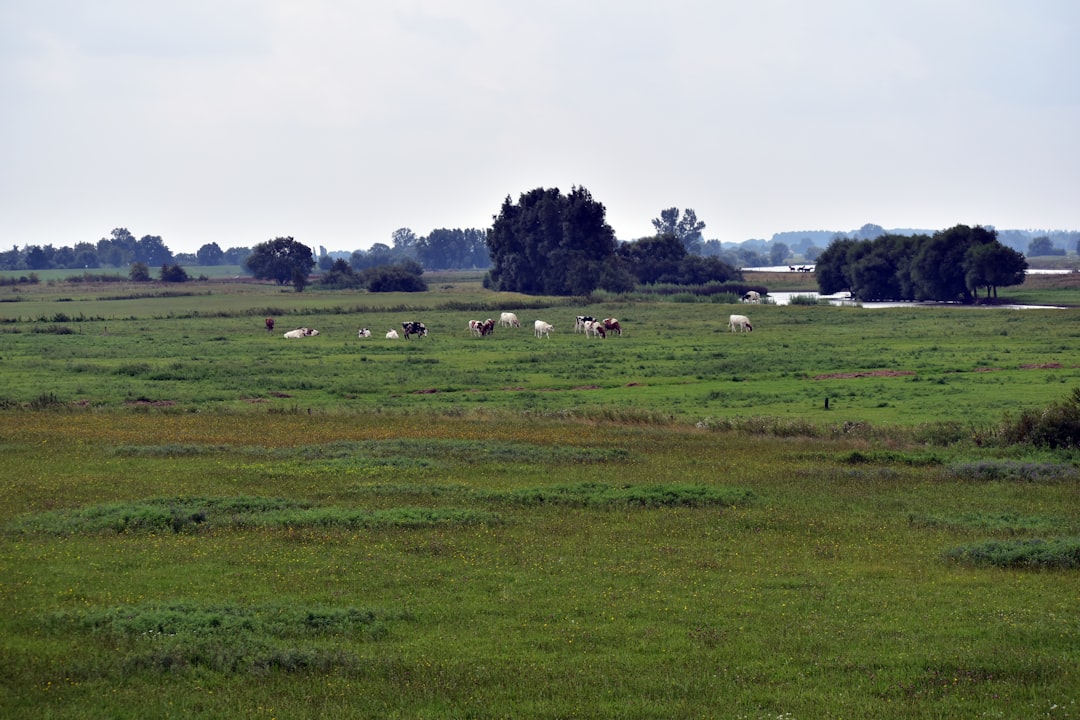
The delicate ecosystem of the Great Salt Lake, a shimmering jewel in the arid West, faces a complex web of challenges, and a significant thread in this tapestry is agriculture, particularly alfalfa farming. This article will delve into how the cultivation of this remarkably versatile forage crop influences the health of this critical saline lake, exploring the multifaceted impacts that ripple from field to shoreline.
Alfalfa (Medicago sativa), often hailed as the “queen of forages,” is an agricultural cornerstone in Utah and neighboring states. Its deep root system allows it to thrive in arid conditions with minimal rainfall, making it an attractive crop for farmers. However, its success is inextricably linked to irrigation, and it is here that a profound connection to the Great Salt Lake’s well-being begins.
Irrigation Demands: A Thirsty Demand on Limited Resources
Alfalfa is a high-water-use crop. While its drought tolerance is relative to wild vegetation, its agricultural production, especially for optimal yields and quality, requires substantial irrigation. Farmers typically rely on diversions from rivers and canals that ultimately feed into the Great Salt Lake watershed. This sustained withdrawal of water, particularly in a region characterized by its semi-arid climate and the lake’s already precarious water levels, creates a direct and significant impact.
Seasonal Water Use Patterns
The irrigation needs of alfalfa are not uniform throughout the year. Peak water consumption generally occurs during the warm, dry summer months when the plant is actively growing and being harvested multiple times. This coincides with periods of high evaporation from the Great Salt Lake itself, meaning that water is being diverted from the system at the very same time it is being lost at an accelerated rate from the lake. This creates a double burden on the lake’s water balance.
Efficiency of Irrigation Methods
The impact of water consumption is further amplified by the irrigation methods employed. Older, less efficient methods, such as flood irrigation, can result in significant water loss through evaporation and deep percolation into the groundwater. While modern techniques like sprinkler irrigation and drip irrigation offer greater efficiency, their widespread adoption can be an economic hurdle for farmers. The efficiency of water application directly translates to the volume of water that is not reaching its ultimate destination – the Great Salt Lake.
Groundwater Recharge and Surface Water Depletion
The intricate plumbing system of the watershed is such that water diverted from rivers and canals for irrigation can also impact groundwater levels. When wells are drilled to supplement surface water irrigation or as a primary source, they draw down aquifers. These aquifers are often interconnected with surface water sources, and their depletion can reduce the natural flow into rivers and, consequently, into the Great Salt Lake. It is a subtle but powerful drain, like a slow leak from an already stressed reservoir.
The Interconnectedness of Water Systems
Understanding the watershed is crucial. Rivers like the Bear, Weber, and Jordan, which are the primary tributaries to the Great Salt Lake, are not isolated entities. Their water is a shared resource, supporting agriculture, municipalities, and environmental needs. Alfalfa irrigation, by drawing from these sources, is a direct participant in this complex allocation.
Long-Term Effects on Water Availability
The long-term implications of consistent, high water withdrawals for alfalfa cultivation are undeniable. As the climate continues to shift, bringing with it increased temperatures and potentially less predictable precipitation, the competition for water is only expected to intensify. If alfalfa farming continues at its current pace without significant improvements in water management, it will exert continued pressure on the water resources available for the Great Salt Lake.
Alfalfa farming has significant implications for the health of the Great Salt Lake, as the extensive irrigation practices required for its cultivation can lead to increased water diversion and reduced inflow to the lake. This topic is explored in greater detail in the article found at My Geo Quest, which discusses the environmental challenges posed by agricultural practices in the region and their impact on local ecosystems. Understanding the balance between agricultural needs and environmental conservation is crucial for the future health of the Great Salt Lake.
Nutrient Runoff: A Fertilizing Burden on a Saline Environment
Beyond water consumption, alfalfa farming introduces another crucial element that impacts lake health: nutrients. While alfalfa is a legume and fixes its own nitrogen, other nutrients, particularly phosphorus, can enter the watershed through various agricultural practices.
Fertilizer Application and Nutrient Leaching
Although alfalfa is known for its nitrogen-fixing capabilities, farmers may still apply phosphorus-based fertilizers to optimize crop growth and yield, especially in soils deficient in this essential nutrient. Inefficient application methods or excessive use can lead to nutrient leaching from the soil into surface water runoff and groundwater. This is akin to over-fertilizing a houseplant; the excess nutrients don’t nourish the plant further but can create imbalances elsewhere.
Sources of Phosphorus
Phosphorus can also enter agricultural runoff from manure management practices on livestock operations that are often associated with alfalfa production (as alfalfa is a primary feed source). When animal waste is not properly managed, it can be washed into nearby waterways.
Eutrophication Risks and Algal Blooms
The introduction of excess nutrients, particularly phosphorus, into the Great Salt Lake can trigger eutrophication. This process occurs when nutrient levels become so high that they fuel excessive growth of algae and other aquatic plants. These blooms can deplete dissolved oxygen in the water when they die and decompose, creating hypoxic or anoxic conditions that are detrimental to fish, invertebrates, and other aquatic life. While the high salinity of the Great Salt Lake naturally limits the types of organisms that can survive, even specialized brine shrimp and brine flies can be impacted by drastic changes in water chemistry.
The Impact on the Food Web
The Great Salt Lake supports a unique and vital food web, reliant on brine shrimp and brine flies. These organisms, in turn, are a critical food source for millions of migratory birds that depend on the lake as a staging ground. Algal blooms, driven by nutrient pollution, can disrupt this delicate balance, impacting the health and survival of these iconic species.
Changes in Water Clarity and Light Penetration
Excessive algal growth can also reduce water clarity, limiting sunlight penetration to the lakebed. This can impact the growth of submerged aquatic vegetation, which plays a role in nutrient cycling and providing habitat in some of the lake’s less saline areas or in the inflowing rivers.
Soil Erosion and Sedimentation: A Cloudy Future for the Lake
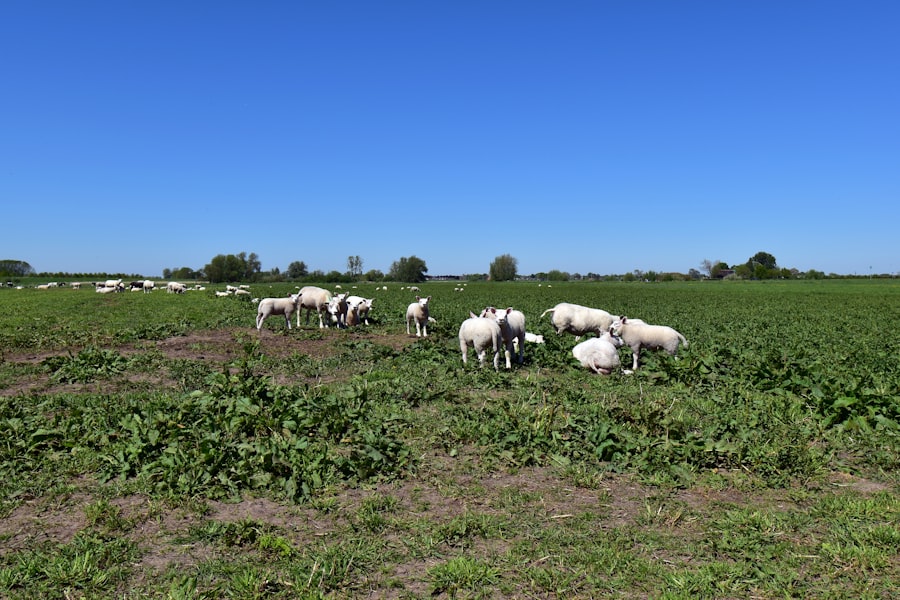
Agriculture, including alfalfa farming, can contribute to soil erosion, leading to increased sediment loads in the rivers and, ultimately, the Great Salt Lake.
Tillage Practices and Soil Disturbance
Conventional tillage methods used in preparing fields for alfalfa planting or in managing established fields can disturb the soil structure, making it more susceptible to erosion by wind and water. The deep roots of established alfalfa can help stabilize soil, but the periods of establishment and renewal can be vulnerable.
Impact of Rainfall and Irrigation on Bare Soil
During periods of heavy rainfall or when irrigation systems are applied to bare or sparsely vegetated soil, the loosened topsoil can be easily washed away. This sediment, often carrying associated nutrients and pesticides, finds its way into the watershed.
Sediment Deposition and Habitat Alteration
When this eroded sediment enters the Great Salt Lake, it settles on the lakebed. This sedimentation can smother existing habitats, altering the physical characteristics of the lake bottom. It can also contribute to shallowing in certain areas, further exacerbating water loss through evaporation. Imagine a steady drizzle of fine sand clouding the water and building up in its depths, changing the contours of the underwater landscape.
Effects on Aquatic Organisms
The increased turbidity caused by suspended sediment can reduce visibility for aquatic organisms, impacting their ability to forage and navigate. Sediment deposition can also bury the eggs and larvae of aquatic invertebrates, further disrupting the food web.
Pesticide and Herbicide Use: Unintended Consequences for a Fragile Ecosystem
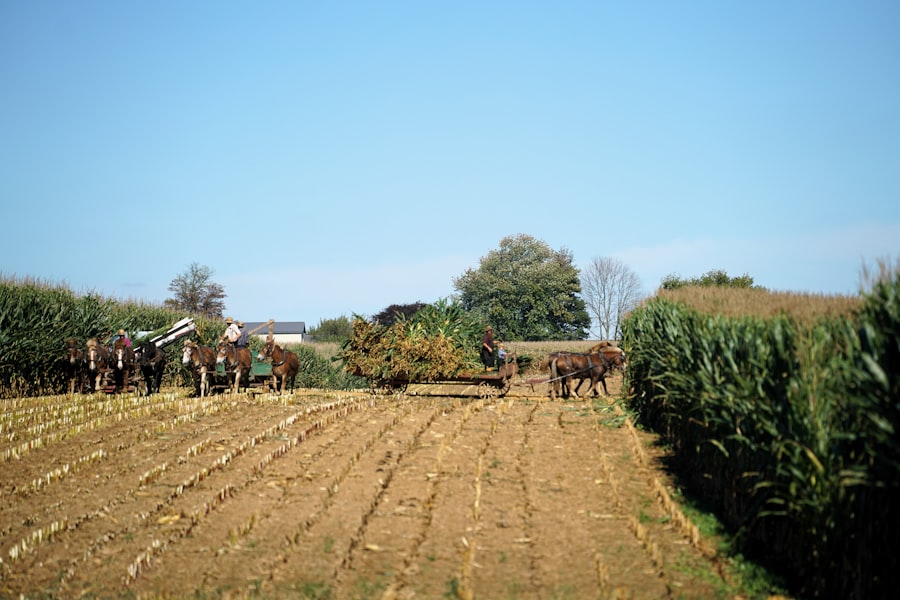
While alfalfa is relatively pest-resistant due to its hardy nature, agricultural practices can still involve the use of pesticides and herbicides to ensure optimal yields and manage weeds.
Application and Runoff of Agricultural Chemicals
When these chemicals are applied to alfalfa fields, they can be washed off the land by rain or irrigation water, entering the surface water and groundwater systems that feed the Great Salt Lake. Even when applied according to label instructions, some level of chemical loss is inevitable, particularly in arid environments where water is scarce and may be applied in larger volumes less frequently.
Potential for Bioaccumulation
Some pesticides and herbicides can persist in the environment and bioaccumulate in the tissues of organisms. As these chemicals move up the food chain, their concentrations can increase, potentially leading to toxic effects on higher-level consumers, including the birds that rely on the Great Salt Lake.
Impact on Non-Target Organisms and Biodiversity
The presence of agricultural chemicals in the Great Salt Lake can have detrimental effects on its unique and sensitive inhabitants. Brine shrimp and brine flies, the foundation of the lake’s food web, can be particularly vulnerable to even low concentrations of certain chemicals. This can have cascading effects throughout the ecosystem.
The Great Salt Lake as a Refuge
The Great Salt Lake, with its high salinity, acts as a natural barrier against many common freshwater pathogens and predators, making it a crucial refuge for certain species. The introduction of agricultural chemicals can undermine this refuge, making it less hospitable for the very organisms that have adapted to its extreme conditions.
Alfalfa farming has become a topic of significant discussion, especially in relation to the health of the Great Salt Lake. The extensive irrigation practices used in alfalfa cultivation can impact local water resources, which in turn affects the ecological balance of the lake. For a deeper understanding of this issue, you can read a related article that explores the environmental implications of agricultural practices on the Great Salt Lake’s health. This article provides valuable insights into how farming choices can influence regional ecosystems. To learn more, visit this link.
Mitigation and Sustainable Practices: Towards a Healthier Lake
| Metric | Alfalfa Farming | Great Salt Lake Health | Impact Relationship |
|---|---|---|---|
| Water Usage (acre-feet/year) | Approximately 500,000 | Lake inflow reduced by ~30% | High water consumption for alfalfa reduces inflow to the lake |
| Land Area (acres) | Over 200,000 acres in Utah | N/A | Large land use for alfalfa impacts watershed runoff |
| Water Diversion Source | Rivers feeding Great Salt Lake (e.g., Bear, Weber) | Dependent on river inflows | Water diverted for irrigation reduces lake levels |
| Salinity Levels | N/A | Increasing due to reduced inflow | Lower inflow from farming increases lake salinity |
| Wildlife Habitat Impact | Moderate (due to water use and land conversion) | Critical habitat for migratory birds | Reduced lake size harms bird populations |
| Economic Output | High (major crop for feed) | Supports tourism and mineral extraction | Water allocation trade-offs between agriculture and lake health |
Recognizing the impacts of alfalfa farming on the Great Salt Lake necessitates a proactive approach to mitigation and the adoption of sustainable agricultural practices.
Water Conservation Techniques in Alfalfa Production
Implementing advanced irrigation technologies, such as drip irrigation and low-pressure sprinkler systems, can significantly reduce water consumption in alfalfa fields. Precision irrigation, which delivers water directly to the root zone only when and where it is needed, is a powerful tool. Additionally, optimizing irrigation schedules based on crop needs and weather forecasts can further enhance water efficiency.
Improving Irrigation Infrastructure
Upgrades to irrigation infrastructure, including lining canals to reduce seepage and repairing leaks, can also prevent substantial water losses before the water even reaches the fields. Investments in water-efficient technologies are investments in the future of both agriculture and the Great Salt Lake.
Nutrient Management Strategies
Adopting comprehensive nutrient management plans can minimize the risk of nutrient runoff. This includes conducting soil tests to determine actual nutrient needs, applying fertilizers at the appropriate times and rates, and utilizing cover crops to help stabilize soil and prevent nutrient loss. Proper manure management is also crucial for livestock operations supporting alfalfa production.
Utilizing Alfalfa’s Natural Abilities
Maximizing the benefits of alfalfa’s natural nitrogen-fixing capabilities can reduce the reliance on external nitrogen fertilizers. This can be achieved through careful crop rotation and selection of appropriate alfalfa varieties.
Soil Health and Erosion Control Measures
Practices that promote soil health, such as no-till or reduced tillage farming, cover cropping, and residue management, can significantly reduce soil erosion. These methods help to build organic matter in the soil, improving its structure and water-holding capacity, making it less prone to wind and water erosion. Establishing vegetative buffer strips along waterways can also act as natural filters, capturing sediment and nutrients before they reach the lake.
The Role of Plant Cover
Maintaining consistent plant cover on agricultural lands is one of the most effective ways to prevent erosion. Established alfalfa fields with their dense root systems are generally good at stabilizing soil, but careful management during planting and harvest is still important.
Integrated Pest Management (IPM)
Embracing Integrated Pest Management (IPM) strategies can reduce the reliance on chemical pesticides and herbicides. IPM focuses on using a combination of biological, cultural, and chemical control methods to manage pests and diseases in an environmentally responsible manner. This includes monitoring pest populations, using natural predators, and employing targeted and judicious use of pesticides only when absolutely necessary.
Alternatives to Chemical Control
Exploring and adopting natural pest control methods, such as beneficial insects, traps, and alternative organic treatments, can further minimize the environmental footprint of alfalfa farming.
The health of the Great Salt Lake is a shared responsibility. Alfalfa farming, while vital to the agricultural economy of Utah and surrounding regions, carries with it a significant environmental footprint. By understanding these impacts – from the thirsty demand on precious water resources to the potential for nutrient and sediment runoff, and the risk of chemical contamination – and by actively embracing more sustainable and water-wise agricultural practices, we can work towards a future where both human endeavors and this unique natural wonder can thrive in tandem. The whispers of the wind across the great lake carry a plea for balance, a reminder that the decisions made on the land have a direct and profound echo in the shimmering waters before us.
FAQs
What is the connection between alfalfa farming and the health of the Great Salt Lake?
Alfalfa farming in the region surrounding the Great Salt Lake uses significant amounts of water, which can reduce the inflow of freshwater into the lake. This reduction in water inflow can negatively impact the lake’s water levels and overall ecosystem health.
How does water usage for alfalfa farming affect the Great Salt Lake’s ecosystem?
Water diverted for alfalfa irrigation decreases the volume of water reaching the Great Salt Lake, leading to lower lake levels. This can increase salinity, harm wildlife habitats, and disrupt the balance of the lake’s unique ecosystem.
Are there any environmental concerns related to alfalfa farming near the Great Salt Lake?
Yes, concerns include water depletion, increased salinity of the lake, loss of habitat for migratory birds and aquatic species, and potential soil degradation due to intensive farming practices.
What measures can be taken to balance alfalfa farming and the health of the Great Salt Lake?
Measures include implementing more efficient irrigation techniques, reducing water consumption, adopting sustainable farming practices, and managing water resources to ensure sufficient inflow to the lake.
Why is the health of the Great Salt Lake important?
The Great Salt Lake supports diverse wildlife, including migratory birds and brine shrimp, contributes to local climate regulation, supports recreational activities, and is vital for the regional economy. Maintaining its health is crucial for ecological and economic reasons.