
Africa possesses an immense and largely untapped energy potential that, if strategically harnessed and directed towards value-added processing, could fundamentally reshape its economic trajectory. The continent’s rich endowment of natural resources, from fossil fuels to a vast spectrum of renewable energy sources, presents a compelling case for shifting the paradigm from raw material export to localized industrialization. This transition requires not merely the extraction of resources but their transformation within Africa itself, thereby capturing greater economic benefit, fostering employment, and achieving a more robust and self-sufficient development.
Africa is home to a diverse and substantial energy reserve, a veritable cornucopia of power sources that, when viewed through the lens of industrial development, offer a tantalizing glimpse of a future powered by African ingenuity and resourcefulness. This energy richness spans both conventional and nascent sectors, each holding distinct implications for the continent’s economic ambitions. Understanding this intricate tapestry is the first crucial step in unlocking its potential for value-added processing.
Fossil Fuel Reserves: A Foundation for Industrialization
The continent is a significant player in the global fossil fuel market, with substantial reserves of oil and natural gas spread across various regions. These resources, while often exported in their raw form, represent a fundamental feedstock for numerous industrial processes, particularly in the petrochemical sector.
Crude Oil and Natural Gas Extraction
Countries like Nigeria, Angola, Algeria, and Libya are major oil producers, contributing a substantial portion to global supplies. Similarly, natural gas reserves in countries such as Algeria, Nigeria, and Mozambique are among the world’s largest. The current model often involves exporting crude oil and liquefied natural gas (LNG) with limited refining or processing occurring within the continent. This represents a significant leakage of potential value, akin to a farmer selling unpicked fruit instead of processing it into jams and juices.
Potential for Downstream Petroleum Industries
The presence of these hydrocarbons presents a direct opportunity for developing sophisticated downstream industries. Refineries, petrochemical plants, and fertilizer manufacturing facilities are all energy-intensive operations that can be powered by locally sourced oil and gas. Establishing these industries within Africa would mean transforming raw materials into higher-value products like plastics, synthetic fibers, and agricultural inputs, creating complex supply chains and skilled employment opportunities. The economic impact of moving from exporting crude barrels to exporting refined fuels and petrochemical products is substantial, akin to upgrading from selling iron ore to selling fabricated steel structures.
Renewable Energy Dominance: A Sustainable Engine for Growth
Beyond the traditional fossil fuels, Africa stands on the precipice of a renewable energy revolution, offering a cleaner and more sustainable pathway to industrialization. The continent’s vast and underutilized renewable resources are a game changer, capable of powering a new generation of African industries.
Solar Power Potential: A Sun-Kissed Opportunity
Africa’s equatorial location and vast landmass make it exceptionally suited for solar energy generation. The continent receives unparalleled levels of solar irradiation, exceeding most other regions globally. This makes solar power not just a viable option, but a potentially dominant one for meeting future energy demands.
Large-Scale Solar Farms
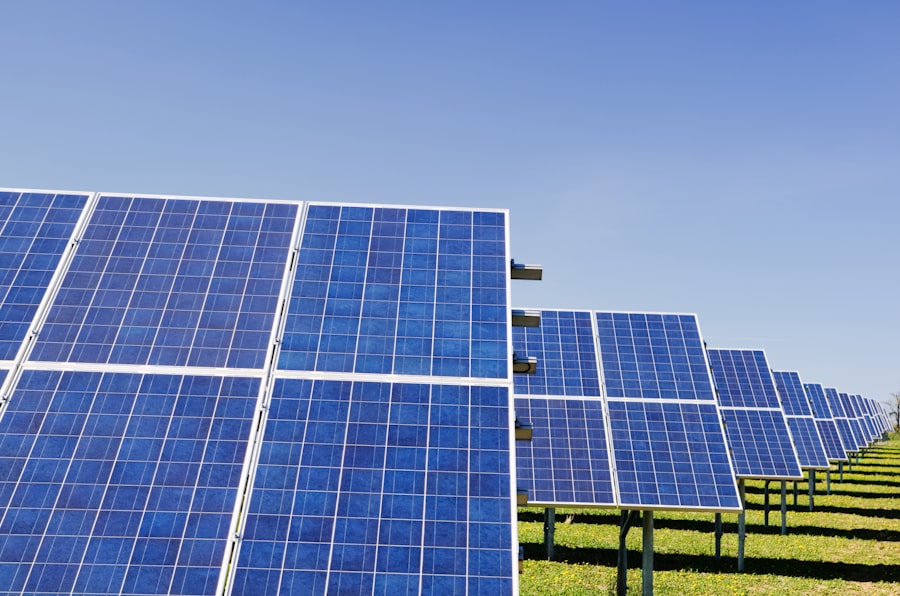
The development of large-scale solar farms across the Sahel, North Africa, and southern Africa could provide a consistent and cost-effective source of electricity. These farms can be designed to meet the significant energy requirements of industrial parks and processing facilities, providing the juice needed to power the machines that transform raw materials. The sun, in this context, is not merely a celestial body; it is a silent, inexhaustible partner in industrial endeavor.
Decentralized Solar Solutions
Furthermore, decentralized solar solutions, including rooftop solar and mini-grids, can democratize energy access, particularly in rural areas where resources are often abundant but infrastructure is lacking. This is critical for supporting local processing initiatives that might not be connected to the national grid, allowing small-scale entrepreneurs to add value to agricultural produce or other local commodities.
Hydropower Resources: The Flow of Industrial Power
Africa possesses significant untapped hydropower potential, particularly in East and Central Africa. Rivers like the Congo, Zambezi, and Nile offer immense opportunities for hydroelectric power generation, providing a reliable and consistent source of baseload electricity.
Large Hydroelectric Dams
The development of major hydroelectric dams, while often controversial due to their environmental and social impacts, can provide the massive and stable power supply required for heavy industries. Such projects, when managed responsibly with thorough environmental and social impact assessments, can lay the foundation for energy-intensive processing operations.
Run-of-River Hydropower
Smaller, run-of-river hydropower projects can offer a more localized and less impactful approach to harnessing water resources. These can be particularly effective in powering local processing units, such as mills for agricultural products or small-scale manufacturing facilities, providing a consistent energy flow without the need for large reservoirs.
Wind Energy Prospects: Catching the Zephyrs of Progress
Significant wind resources are also present across the continent, particularly along coastlines and in certain inland areas. Regions in North Africa and along the East African coast are identified as having high wind energy potential.
Coastal and Inland Wind Farms
The establishment of wind farms can complement solar and hydropower, providing diverse sources of renewable energy. These farms can contribute to the overall energy mix, ensuring a more resilient and stable supply for industrial activities. The wind, often seen as a force of nature, can be tamed to spin turbines and generate the power needed for modern industry.
Geothermal Energy: Tapping into Earth’s Internal Fire
East Africa, situated on the Great Rift Valley, possesses exceptional geothermal energy potential. Countries like Kenya have already made significant strides in harnessing this resource, demonstrating its viability as a consistent and clean energy source.
Geothermal Power Plants
Geothermal power plants offer a constant and reliable source of electricity, independent of weather conditions. This steady supply is invaluable for industries requiring uninterrupted power, such as data centers or continuous manufacturing processes. It is like tapping into the planet’s own internal furnace, providing a steady output of usable energy.
Bioenergy: Fueling the Local Economy
Africa’s agricultural sector, a cornerstone of its economy, also presents opportunities for bioenergy production, which can be directly linked to value-added processing.
Biomass from Agricultural Waste
Agricultural by-products, such as crop residues and animal waste, can be converted into energy through various methods like anaerobic digestion and combustion. This approach creates a circular economy, reducing waste while generating electricity and heat for local processing needs. Think of it as turning everyday farm leavings into valuable industrial fuel.
Biofuels for Transportation and Industry
The production of biofuels from crops like sugarcane, corn, and palm oil can also contribute to energy needs, particularly for transportation within industrial supply chains and potentially for powering industrial machinery.
In the context of Africa’s energy landscape, the importance of value-added processing cannot be overstated. A related article that delves into this topic is available at MyGeoQuest, where it explores how harnessing local energy resources can significantly enhance the processing of raw materials. This approach not only boosts economic growth but also promotes sustainability and job creation across the continent.
Bridging the Energy Infrastructure Gap
The most significant hurdle to translating Africa’s energy potential into value-added processing is not a lack of resources, but the inadequacy and often non-existence of robust energy infrastructure. Without reliable and accessible power, the engines of industry cannot run.
Transmission and Distribution Networks: The Arteries of Power
The vast majority of Africa’s energy potential lies in regions that are poorly connected to its industrial and population centers. The existing transmission and distribution networks are often outdated, inefficient, and incapable of handling the demands of large-scale industrial operations.
Expanding and Modernizing the Grid
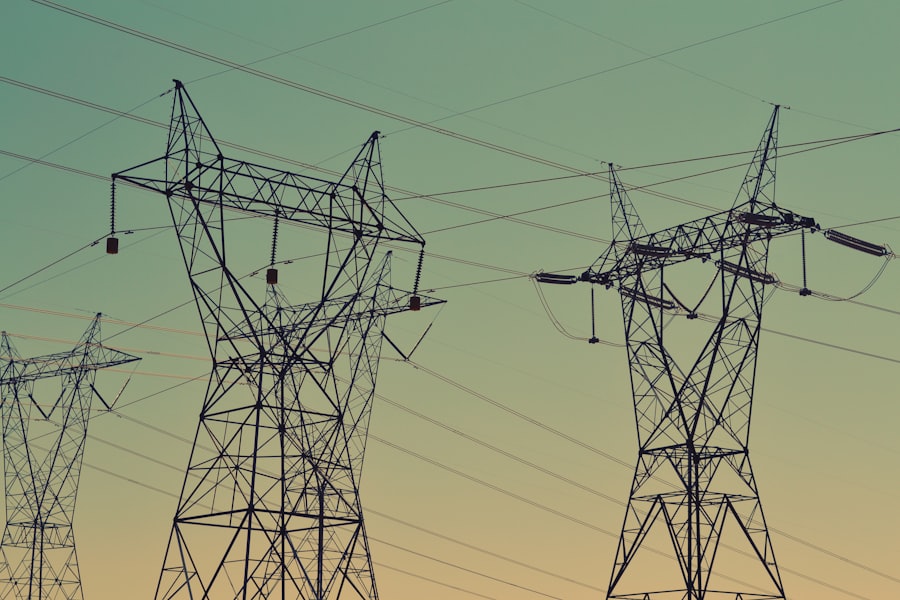
Significant investment is required to expand and modernize the continent’s electricity grids. This involves building new high-voltage transmission lines to connect remote power generation sites (like large solar farms or hydro dams) to demand centers and upgrading existing substations and distribution networks to ensure reliable power delivery. This is akin to building superhighways for electricity, ensuring that power flows efficiently and without interruption.
Smart Grid Technologies
The integration of smart grid technologies can enhance grid management, improve stability, and reduce energy losses. These technologies allow for better monitoring, control, and optimization of electricity flow, making the grid more resilient and responsive to industrial needs.
Energy Storage Solutions: Buffering Against Intermittency
For intermittent renewable energy sources like solar and wind, effective energy storage solutions are critical to ensure a consistent power supply for industrial processes.
Battery Storage Systems
Advances in battery technology are making large-scale battery storage increasingly feasible. These systems can store excess energy generated during peak production times and dispatch it when demand is high or when renewable generation is low. This acts as a crucial buffer, ensuring that the industrial heart keeps beating even when the sun sets or the wind dies down.
Pumped Hydro and Other Technologies
Other emerging energy storage technologies, such as pumped hydro storage and advanced thermal storage, can also play a vital role in stabilizing the grid and providing the consistent power required for heavy industry.
Policy and Regulatory Frameworks: The Rules of Engagement
Effective policy and regulatory frameworks are the bedrock upon which any successful industrialization strategy must be built. These frameworks dictate the ease of doing business, attract investment, and ensure that energy resources are managed sustainably and equitably.
Investment Incentives and Risk Mitigation
Attracting the significant capital required for developing power generation and processing facilities necessitates clear and attractive investment incentives. This includes tax breaks, subsidies, and guarantees that mitigate the perceived risks for both domestic and international investors.
Public-Private Partnerships (PPPs)
Public-private partnerships can be instrumental in developing large-scale energy and industrial projects, pooling resources, expertise, and risk between governments and private entities. This collaborative approach can unlock projects that might otherwise be too large or complex for either sector to undertake alone.
Streamlined Permitting Processes
Bureaucratic hurdles and convoluted permitting processes can deter investment. Streamlining these procedures is essential to accelerate project development and reduce time-to-market for new industrial ventures.
Regional Cooperation and Integration
Africa’s energy and industrial potential is not confined by national borders. Enhanced regional cooperation is crucial for maximizing the benefits of interconnected energy systems and facilitating cross-border trade in processed goods.
Power Pools and Interconnections
Developing regional power pools and strengthening interconnections between national grids allows countries to share surplus electricity, optimize resource utilization, and ensure greater energy security for the entire region. This creates a unified energy market, amplifying the potential for all participants.
Harmonized Standards and Trade Agreements
Harmonizing technical standards for energy infrastructure and processed goods, alongside the establishment of robust trade agreements, facilitates the movement of energy and products across borders, fostering integrated industrial value chains.
Seizing the Opportunity: Value Addition in Key Sectors
The strategic application of Africa’s energy potential to value-added processing can catalyze growth across several key economic sectors, transforming raw commodities into higher-value products.
Agro-Processing: From Farmfields to Finished Goods
Africa is a major agricultural producer, yet a significant portion of its produce is exported raw, with substantial post-harvest losses. Harnessing energy for agro-processing can drastically change this narrative.
Food Processing and Preservation
Reliable electricity powered by renewables or gas can enable the development of modern food processing and preservation facilities. This includes canning, freezing, drying, and packaging operations, extending shelf life, reducing waste, and creating higher-value food products for both domestic and international markets. Think of transforming maize into cornmeal, cassava into flour, or fruits into juices and jams.
Fertilizer and Pesticide Production
The availability of natural gas and electricity can support the local production of fertilizers and pesticides. This reduces reliance on expensive imports, increases agricultural productivity, and creates jobs within the chemical and manufacturing sectors.
Mineral Processing: Unlocking the Hidden Value
Africa is rich in mineral resources, from gold and diamonds to cobalt and copper. Currently, the continent often exports these minerals in their raw or semi-processed forms. Investing in energy-intensive mineral processing facilities can unlock significant economic value.
Smelting and Refining Operations
The development of smelting and refining facilities powered by abundant energy can transform mined ores into higher-purity metals. This adds substantial value to the mineral exports, creating skilled employment in metallurgy and engineering. Imagine turning bauxite ore into aluminum ingots or copper concentrates into refined copper cathodes, right here on the continent.
Manufacturing of Metal Products
Further downstream, the availability of processed metals can support the growth of manufacturing industries producing goods like steel structures, automotive parts, and electrical components, creating a diversified industrial base.
Manufacturing and Industrial Hubs: The Engines of Modern Economies
With a stable and affordable energy supply, Africa can emerge as a significant manufacturing hub, attracting investment and fostering indigenous industrial development.
Petrochemical Industry Integration
Leveraging its oil and gas resources, Africa can establish integrated petrochemical complexes. These facilities can produce a wide range of plastics, synthetic fibers, solvents, and other chemicals, serving as building blocks for numerous manufacturing sectors, from textiles to consumer goods.
Renewable Energy Component Manufacturing
The growing demand for renewable energy infrastructure presents an opportunity for local manufacturing of solar panels, wind turbine components, and battery storage systems. This would not only meet domestic demand but also create export opportunities and foster technological innovation.
In the context of enhancing Africa’s energy sector, the importance of value-added processing cannot be overstated. By focusing on transforming raw materials into finished products, countries across the continent can significantly boost their economic growth and create job opportunities. For a deeper understanding of this topic, you can explore a related article that discusses various strategies and innovations in energy utilization for value-added processing in Africa. This insightful piece can be found here.
Challenges and the Path Forward: Navigating the Complex Terrain
| Country | Energy Consumption (GWh) | Value Added Processing Output (Million USD) | Energy Efficiency (Output per GWh) | Renewable Energy Share (%) |
|---|---|---|---|---|
| South Africa | 120,000 | 15,000 | 125 | 10 |
| Egypt | 85,000 | 9,500 | 112 | 12 |
| Kenya | 30,000 | 3,600 | 120 | 35 |
| Nigeria | 70,000 | 7,000 | 100 | 8 |
| Morocco | 40,000 | 5,200 | 130 | 25 |
While the potential is immense, the path to realizing Africa’s energy potential for value-added processing is fraught with challenges. Addressing these obstacles systematically is crucial for sustainable development.
Human Capital Development: The Skilled Workforce
Industrialization requires a skilled workforce. Investing in education and vocational training programs is essential to equip Africans with the technical expertise needed to operate and maintain advanced processing facilities and energy infrastructure. This is not just about building machines; it’s about building the people who will bring them to life.
Technical and Vocational Education and Training (TVET)
Strengthening TVET institutions and aligning their curricula with the needs of the energy and processing sectors is paramount. This ensures a pipeline of qualified technicians, engineers, and managers.
Research and Development (R&D)
Fostering R&D capabilities within Africa will enable the development of locally adapted technologies and innovative solutions, moving beyond mere imitation to genuine creation.
Financing and Investment Mobilization: Fueling the Growth
The scale of investment required for both energy infrastructure and industrial development is substantial. Mobilizing this finance, from both domestic and international sources, is a critical challenge.
Blended Finance Approaches
Utilizing blended finance models, which combine public and private capital, can de-risk investments and attract institutional investors. This ensures that the financial tools available are adequate for the monumental task ahead.
Development Finance Institutions (DFIs)
DFIs play a crucial role in providing concessional financing, technical assistance, and risk mitigation instruments to support these large-scale projects.
Governance and Transparency: Ensuring Equitable Distribution
Effective governance, transparency, and accountability are non-negotiable for ensuring that the benefits of energy resource utilization are equitably distributed and that development is sustainable. Corruption and mismanagement can derail even the most promising ventures.
Anti-Corruption Measures
Implementing robust anti-corruption measures and ensuring transparency in the award of contracts and resource management are essential for building trust and attracting responsible investment.
Environmental and Social Safeguards
Adhering to strict environmental and social safeguards ensures that energy and industrial development are conducted responsibly, minimizing negative impacts on communities and ecosystems, and fostering long-term sustainability.
In conclusion, Africa’s energy potential is a sleeping giant, poised to awaken and drive a new era of economic prosperity through value-added processing. By strategically investing in infrastructure, fostering supportive policy environments, and focusing on downstream industrialization, the continent can transform its resource wealth into enduring economic development. The sun, the wind, the earth’s heat, and her underground riches hold the keys, but it is African ingenuity and strategic foresight that will truly unlock their transformative power.
FAQs
What is value-added processing in the context of Africa’s energy sector?
Value-added processing refers to the transformation of raw agricultural or natural resources into finished or semi-finished products that have higher economic value. In Africa’s energy sector, this involves using energy resources efficiently to produce goods that contribute more significantly to the economy, such as processed foods, biofuels, or manufactured products.
Why is energy important for value-added processing in Africa?
Energy is crucial because it powers the machinery and technologies needed for processing raw materials into value-added products. Reliable and affordable energy enables industries to operate efficiently, reduce production costs, and improve product quality, which is essential for economic growth and job creation in Africa.
What are the main sources of energy used for value-added processing in Africa?
Africa utilizes a mix of energy sources for value-added processing, including traditional biomass (wood, charcoal), electricity from hydropower, fossil fuels (oil, natural gas), and increasingly renewable energy sources such as solar, wind, and bioenergy. The choice depends on regional availability, cost, and infrastructure.
What challenges does Africa face in using energy for value-added processing?
Key challenges include limited access to reliable and affordable energy, inadequate infrastructure, high energy costs, and dependence on non-renewable energy sources. These issues can hinder industrial growth, reduce competitiveness, and limit the potential for expanding value-added processing activities.
How can improving energy access impact value-added processing industries in Africa?
Improving energy access can significantly boost value-added processing by enabling consistent production, reducing operational costs, and encouraging investment in technology and innovation. This can lead to increased industrialization, job creation, enhanced export potential, and overall economic development across the continent.