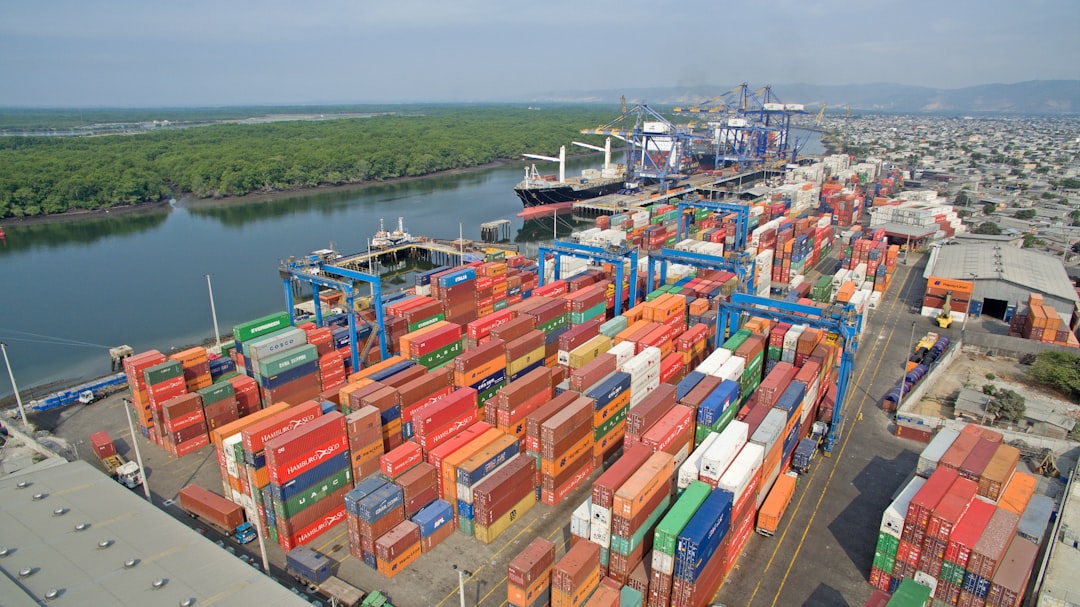
The Middle Corridor, a crucial geopolitical and economic artery stretching across Eurasia, holds immense potential for trade facilitation and regional integration. However, its full realization is currently hampered by a fragmented and often antiquated digital customs landscape. For businesses and governments alike, navigating the diverse and often incompatible digital systems of the countries along this route is akin to trying to tune into a dozen different radio stations with static on each – the signal is there, but the clarity and efficiency are severely lacking. Advancing digital customs harmonization is not merely a technical upgrade; it is the essential scaffolding upon which the future prosperity of the Middle Corridor will be built. This article will explore the imperative for, the challenges to, and the pathways toward achieving a harmonized digital customs environment for this vital transit route.
The current state of digital customs processes along the Middle Corridor is characterized by a patchwork of national systems, each with its own standards, data formats, and operational procedures. This lack of interoperability creates significant bottlenecks, increasing transit times, raising costs, and diminishing the attractiveness of the route for international trade. Harmonizing these digital systems is not a luxury but a necessity for unlocking the Middle Corridor’s full trading potential.
Enhancing Trade Efficiency and Speed
Imagine the Middle Corridor as a finely tuned engine. Each country represents a cylinder, and its digital customs system is the fuel injection mechanism. If these mechanisms are not synchronized, the engine sputters and stalls, failing to deliver its optimal performance. Digital harmonization aims to ensure that all these mechanisms are synchronized, allowing goods to flow through unimpeded.
Reducing Transit Times and Delays
By standardizing data exchange and digital documentation, harmonized systems can dramatically reduce the time spent on manual data entry, validation, and cross-checks. This directly translates into faster clearance times at borders, a critical factor for time-sensitive cargo and for enhancing the overall competitiveness of the Middle Corridor.
Streamlining Documentation and Verification
The sheer volume of paperwork involved in international transit is a persistent challenge. Digital harmonization allows for the electronic submission and verification of documents, replacing cumbersome paper trails with secure, traceable digital records. This not only saves time but also minimizes the risk of human error and fraud.
Boosting Economic Growth and Regional Integration
A harmonized digital customs system acts as a powerful catalyst for economic growth by creating a more predictable and efficient trading environment. This, in turn, fosters greater regional cooperation and integration, transforming the Middle Corridor from a series of connected points into a cohesive economic zone.
Attracting Foreign Direct Investment (FDI)
Businesses are more likely to invest in regions where trade is facilitated, not hindered. A seamless digital customs experience signals a commitment to modern trade practices and reduces perceived risks, making the Middle Corridor a more attractive destination for FDI.
Fostering Intra-Regional Trade
When the digital barriers to trade are lowered, it becomes easier for businesses within the Middle Corridor countries to trade with each other. This fosters the development of regional value chains and strengthens economic interdependence, leading to reciprocal benefits.
Improving Transparency and Security
Digitalization, when implemented with robust security measures, can significantly enhance the transparency of customs processes and the overall security of the supply chain.
Combating Illicit Trade and Smuggling
Standardized digital data and advanced analytics can help customs authorities identify anomalies and suspicious activities more effectively, thereby strengthening the fight against illicit trade, smuggling, and other forms of organized crime.
Enhancing Supply Chain Visibility
A harmonized digital system provides end-to-end visibility of goods in transit, allowing stakeholders to track their shipments in real-time. This improved visibility is crucial for risk management, inventory planning, and ensuring the integrity of the supply chain.
Digital customs harmonization is a crucial aspect of enhancing trade efficiency along the Middle Corridor, which connects Europe and Asia through a network of rail, road, and maritime routes. An insightful article that delves into this topic can be found at MyGeoQuest, where it explores the challenges and opportunities presented by digital solutions in streamlining customs processes. This resource provides valuable information on how harmonizing customs procedures can significantly reduce delays and costs, ultimately fostering smoother trade flows across this vital corridor.
Key Challenges to Digital Customs Harmonization
The path to a harmonized digital customs landscape along the Middle Corridor is fraught with challenges, both technical and institutional. Overcoming these hurdles requires a multifaceted approach and a sustained commitment from all stakeholders.
Technical Infrastructure and Interoperability Issues
The existing digital infrastructure varies significantly across the countries of the Middle Corridor. Bridging these disparities and ensuring that disparate systems can communicate effectively is a formidable technical undertaking.
Legacy Systems and Lack of Standardization
Many countries still rely on outdated legacy systems that are not easily integrable with modern digital platforms. Furthermore, the absence of common data standards and technical protocols creates significant interoperability problems. It’s like trying to connect a rotary phone to a smartphone – the fundamental communication methods are at odds.
Cybersecurity Concerns and Data Protection
As digital systems become more interconnected, the risks of cyberattacks and data breaches increase. Ensuring robust cybersecurity measures and adherence to data protection regulations is paramount to maintaining trust and the integrity of digital customs operations.
Regulatory and Legal Frameworks
Divergent national regulations and legal frameworks governing customs procedures and digital data are another major impediment to harmonization. Aligning these laws and regulations is essential for creating a unified digital customs environment.
Inconsistent National Legislation
Each country has its own set of laws and regulations pertaining to customs declaration, tariff classification, and the legal standing of electronic documents. These inconsistencies create confusion and require separate compliance efforts for each jurisdiction.
Lack of Mutual Recognition of Digital Documents
The absence of mutual recognition agreements for digitally signed documents and certificates across borders hinders the seamless acceptance of electronic trade data.
Institutional Capacity and Political Will
Beyond the technical and regulatory aspects, the human element and the political will to drive change are critical. Building capacity and fostering a shared vision are essential for successful harmonization.
Limited Technical Expertise and Training
Many customs administrations within the Middle Corridor countries may lack the necessary technical expertise and trained personnel to implement and manage advanced digital customs systems.
Bureaucratic Inertia and Resistance to Change
Bureaucratic inertia and resistance to adopting new technologies and processes can slow down or even halt harmonization efforts. Overcoming entrenched ways of working requires strong leadership and a clear articulation of the benefits of change.
Fragmented Governance and Coordination
The Middle Corridor involves numerous countries, each with its own national interests and priorities. Establishing effective governance structures and ensuring coordinated action amongst these diverse stakeholders is a complex undertaking.
Pathways to Achieving Digital Customs Harmonization
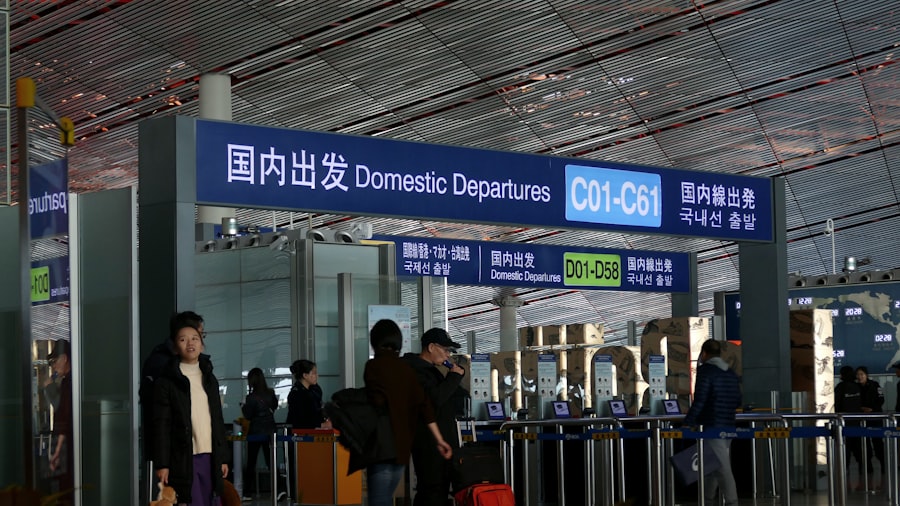
Despite the challenges, several pathways offer viable routes towards achieving digital customs harmonization along the Middle Corridor. These pathways often involve a combination of technological solutions, policy reforms, and collaborative initiatives.
Adopting International Standards and Best Practices
Leveraging existing international standards and frameworks provides a robust foundation for digital customs harmonization.
Implementing the WCO Framework of Standards
The World Customs Organization (WCO) provides a comprehensive framework of standards for secure and efficient trade, including the SAFE Framework of Standards to Secure and Facilitate Global Trade. Adopting these standards can create a common language and a shared set of principles for digital customs.
Utilizing UN/CEFACT Standards for Electronic Trade Documents
The United Nations Centre for Trade Facilitation and Electronic Business (UN/CEFACT) develops recommendations and standards for electronic trade documents and business processes. Adopting these can ensure the interoperability and compatibility of digital data exchanged between different systems.
Investing in Interoperable Technology Solutions
The development and deployment of technology solutions that are inherently interoperable are crucial for connecting diverse national systems.
Developing Common Data Exchange Platforms
Creating secure and standardized platforms for data exchange can act as a digital bridge between national customs systems, allowing for seamless information flow.
Utilizing APIs and Middleware Solutions
Application Programming Interfaces (APIs) and middleware solutions can facilitate communication and data translation between different software systems, enabling disparate national systems to interact effectively.
Exploring Blockchain Technology for Enhanced Security and Transparency
Emerging technologies like blockchain offer promising opportunities for enhancing the security, transparency, and traceability of trade data, potentially revolutionizing digital customs processes.
Strengthening Regional Cooperation and Governance
Effective regional cooperation and strong governance mechanisms are essential for aligning national efforts and ensuring sustained progress.
Establishing Regional Digital Customs Alliances
Forming regional alliances dedicated to digital customs harmonization can foster collaboration, knowledge sharing, and joint development of solutions.
Developing Mutual Recognition Agreements and Protocols
Negotiating and implementing mutual recognition agreements for digital documents, signatures, and certifications is critical for eliminating redundant verification processes.
Harmonizing Regulatory and Legal Frameworks
Engaging in dialogues and policy reforms to align national customs laws and regulations with international best practices and common digital standards is fundamental.
The Role of Technology in Driving Harmonization
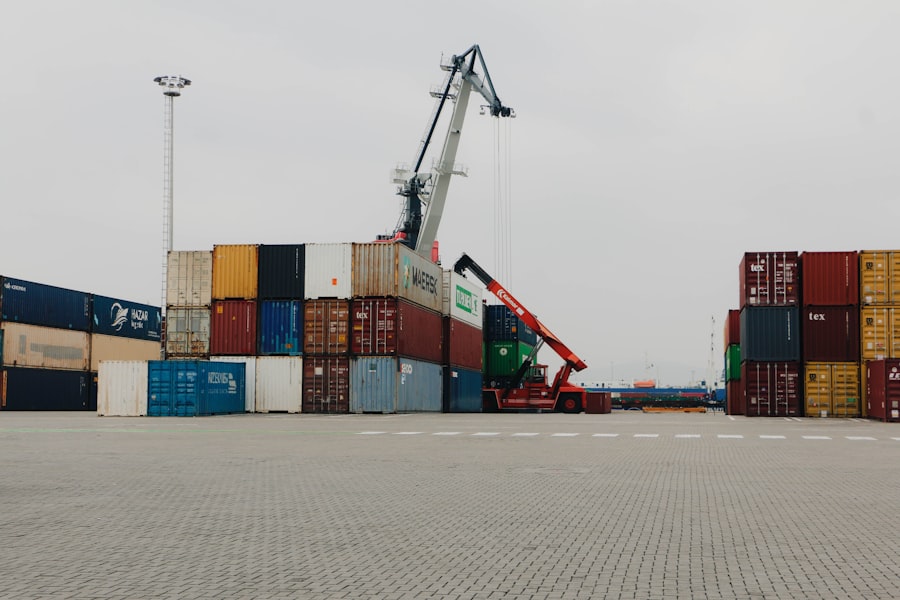
Technology is not just a tool but the very engine that will drive digital customs harmonization along the Middle Corridor. Investing in the right technologies and ensuring their interoperability is key to unlocking efficiency gains.
Leveraging Single Window Systems
Single Window systems, which allow businesses to submit all required customs and regulatory information through a single, integrated portal, are a cornerstone of modern trade facilitation.
Integrating National Single Windows
The harmonization effort should focus on integrating existing national Single Window systems to create a seamless flow of information across borders, eliminating the need for multiple submissions to different agencies.
Expanding Single Window Functionality
Beyond customs declarations, Single Window systems can be expanded to include other regulatory requirements, such as phytosanitary certificates, quality control inspections, and transit permits, further streamlining the entire trade process.
Embracing Advanced Data Analytics and AI
Artificial Intelligence (AI) and advanced data analytics can revolutionize customs operations, moving beyond manual checks to predictive and risk-based approaches.
Risk Management and Profiling
AI algorithms can analyze vast amounts of trade data to identify high-risk shipments and consignments, allowing customs officers to focus their resources on areas that require more scrutiny, thereby speeding up the clearance of low-risk goods.
Automated Document Verification and Validation
AI-powered tools can automate the verification of digital documents, checking for inconsistencies, errors, and potential fraud, freeing up human resources for more complex tasks.
Utilizing Cloud Computing for Scalability and Accessibility
Cloud-based solutions offer scalability, flexibility, and enhanced accessibility, making them ideal for building and deploying harmonized digital customs platforms.
Centralized Data Repositories
Cloud infrastructure can support centralized data repositories that are accessible to authorized users across different countries, enabling streamlined information sharing and analysis.
Real-time Data Synchronization
Cloud platforms can facilitate real-time data synchronization between various national systems, ensuring that all stakeholders have access to the most up-to-date information.
Digital customs harmonization along the Middle Corridor is essential for enhancing trade efficiency and reducing delays at borders. A comprehensive understanding of this topic can be found in a related article that explores the implications of digital transformation in customs processes. By examining the integration of technology in customs operations, stakeholders can better appreciate the benefits of streamlined procedures. For more insights, you can read the article here: digital customs harmonization.
The Vision for a Harmonized Middle Corridor Digital Customs Ecosystem
| Metric | Description | Value | Unit | Source/Year |
|---|---|---|---|---|
| Customs Clearance Time | Average time taken to clear goods through customs along the Middle Corridor | 24 | hours | 2023, Regional Customs Authorities |
| Digital Document Submission Rate | Percentage of customs documents submitted electronically | 85 | % | 2023, Middle Corridor Digital Customs Initiative |
| Interoperability Index | Degree of system compatibility between customs agencies on the corridor | 78 | Index (0-100) | 2023, International Trade Organization |
| Cost Reduction in Customs Processing | Reduction in average cost per shipment due to digital harmonization | 15 | % | 2023, Middle Corridor Economic Report |
| Number of Participating Countries | Countries involved in digital customs harmonization along the Middle Corridor | 5 | Count | 2023, Regional Trade Agreement |
| Customs Data Exchange Frequency | Average number of data exchanges between customs systems per day | 1200 | Exchanges/day | 2023, Customs IT Departments |
The ultimate goal of advancing digital customs harmonization for the Middle Corridor is to create a unified, intelligent, and secure digital ecosystem that fosters seamless trade and robust regional integration. This vision is not an unrealistic dream but an achievable objective with a clear roadmap and concerted effort.
A Seamless Flow of Goods and Information
Imagine a landscape where goods move across the Middle Corridor with the agility of water flowing through a well-designed irrigation system, unimpeded by artificial dams. Digital harmonization aims to create this fluidity, where electronic information flows as smoothly as the physical goods themselves.
End-to-End Digital Supply Chain Visibility
Businesses will have complete visibility of their shipments from origin to destination, with real-time updates on customs clearance status, transit times, and any potential issues. This transparency builds trust and allows for proactive management of the supply chain.
Reduced Administrative Burden for Traders
The administrative burden for traders will be significantly reduced, with fewer forms to fill, less paperwork to manage, and more predictable clearance times. This allows businesses to focus on their core activities and growth.
Enhanced Regional Competitiveness and Economic Prosperity
A harmonized digital customs system will elevate the Middle Corridor’s standing as a premier global trade route, attracting investment and fostering sustainable economic development.
Increased Trade Volumes and Diversification
The efficiency gains and cost reductions associated with a harmonized system will naturally lead to an increase in trade volumes. Furthermore, it will make it easier for businesses to diversify their export markets and import sources within the region.
Creation of New Digital Trade Services and Opportunities
The development of a harmonized digital ecosystem will spur innovation and create opportunities for new digital trade services, such as advanced logistics platforms, digital freight forwarding, and trade finance solutions, further boosting regional economic dynamism.
A Resilient and Secure Trade Network
The commitment to digital harmonization also implies a commitment to building a resilient and secure trade network, capable of withstanding disruptions and safeguarding against emerging threats.
Improved Trade Resilience in Times of Crisis
A well-harmonized and digitally interconnected system will prove more resilient to disruptions, whether they are natural disasters, geopolitical events, or health crises, allowing trade to continue more effectively even in challenging circumstances.
Strengthened Collaboration Against Transnational Crime
The enhanced data sharing and analytical capabilities enabled by a harmonized digital system will significantly strengthen regional and international collaboration in combating illicit trade, money laundering, and other transnational crimes, contributing to greater regional security.
The journey toward digital customs harmonization for the Middle Corridor is complex, requiring sustained collaboration between governments, international organizations, and the private sector. However, the rewards – in terms of enhanced trade efficiency, economic growth, and regional integration – are substantial. By focusing on interoperable technologies, aligned regulations, and robust institutional frameworks, the Middle Corridor can transition from a collection of individual conduits to a unified, high-speed digital superhighway for global commerce. The time for action is now, to ensure this vital corridor lives up to its full potential.
FAQs
What is digital customs harmonization in the context of the Middle Corridor?
Digital customs harmonization refers to the process of standardizing and integrating customs procedures and regulations across countries along the Middle Corridor using digital technologies. This aims to facilitate smoother, faster, and more transparent cross-border trade.
Why is digital customs harmonization important for the Middle Corridor?
The Middle Corridor, connecting Europe and Asia through Central Asia, involves multiple countries with different customs systems. Harmonizing these systems digitally reduces delays, lowers costs, and improves the efficiency of trade flows along this strategic route.
Which countries are involved in the Middle Corridor digital customs harmonization efforts?
The Middle Corridor primarily includes countries such as Turkey, Georgia, Azerbaijan, and Kazakhstan. These nations collaborate to align their customs procedures and implement interoperable digital platforms to streamline trade.
What technologies are commonly used in digital customs harmonization?
Technologies such as electronic data interchange (EDI), blockchain, single window systems, and automated risk management tools are commonly employed to enable secure, transparent, and efficient customs processing across borders.
What are the expected benefits of digital customs harmonization for businesses using the Middle Corridor?
Businesses can expect reduced clearance times, lower administrative costs, increased predictability in shipments, enhanced transparency, and improved compliance with customs regulations, making trade along the Middle Corridor more competitive and reliable.