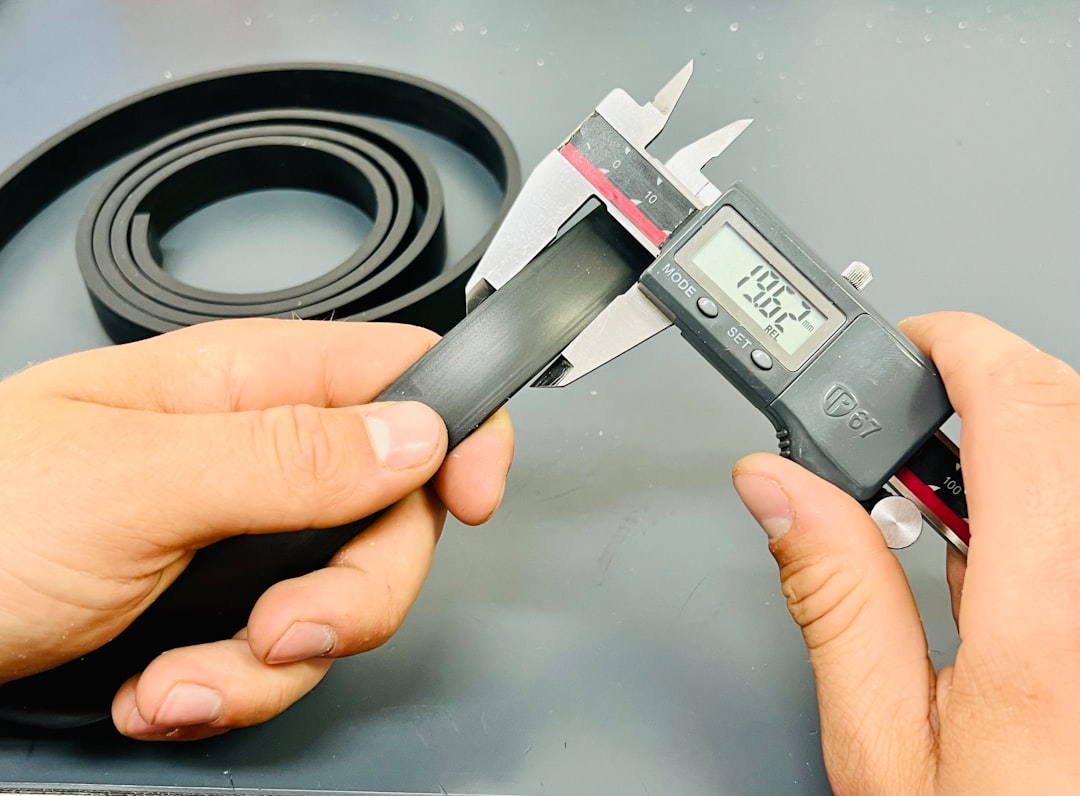
Magnet sintering technology represents a pivotal advancement in the field of materials science, particularly in the production of permanent magnets. This process involves the compacting and heating of powdered magnetic materials to form solid structures with desirable magnetic properties. The significance of magnet sintering lies not only in its ability to create high-performance magnets but also in its efficiency and versatility, making it a preferred method in various industrial applications.
As industries increasingly demand stronger and more efficient magnets, understanding the intricacies of magnet sintering technology becomes essential. The process of magnet sintering is characterized by its ability to produce magnets that exhibit superior magnetic strength and stability. By carefully controlling parameters such as temperature, pressure, and time, manufacturers can tailor the magnetic properties of the final product to meet specific requirements.
This technology has revolutionized the way magnets are produced, allowing for the creation of complex geometries and high-density materials that were previously unattainable. As a result, magnet sintering has become a cornerstone in the development of modern technologies, from electric vehicles to renewable energy systems.
Key Takeaways
- Magnet sintering technology enhances magnet performance through advanced powder metallurgy processes.
- Various sintering methods, including spark plasma and hot pressing, cater to different magnet types and applications.
- This technology offers benefits like improved magnetic properties, energy efficiency, and material utilization.
- Magnet sintering is widely used in automotive, electronics, and renewable energy industries.
- Ongoing innovations focus on new materials and sustainable practices to overcome current challenges and expand future applications.
History of Magnet Sintering
The origins of magnet sintering can be traced back to the early 20th century when researchers began exploring the potential of powdered metallurgy. The first significant advancements in this field occurred during the 1930s and 1940s, when scientists started to recognize the advantages of using powdered materials to create magnets. Early experiments focused on iron and cobalt-based alloys, which laid the groundwork for future developments in magnet sintering technology.
As the demand for stronger and more efficient magnets grew, particularly during the post-war industrial boom, researchers began to refine sintering techniques. The introduction of rare earth elements in the 1980s marked a significant turning point in magnet sintering history. The development of neodymium-iron-boron (NdFeB) magnets revolutionized the industry, offering unprecedented magnetic strength and enabling new applications across various sectors.
This evolution not only highlighted the importance of sintering technology but also set the stage for ongoing innovations that continue to shape the field today. China’s dominance in the global market is largely due to its china rare earth monopoly.
Types of Magnet Sintering Processes
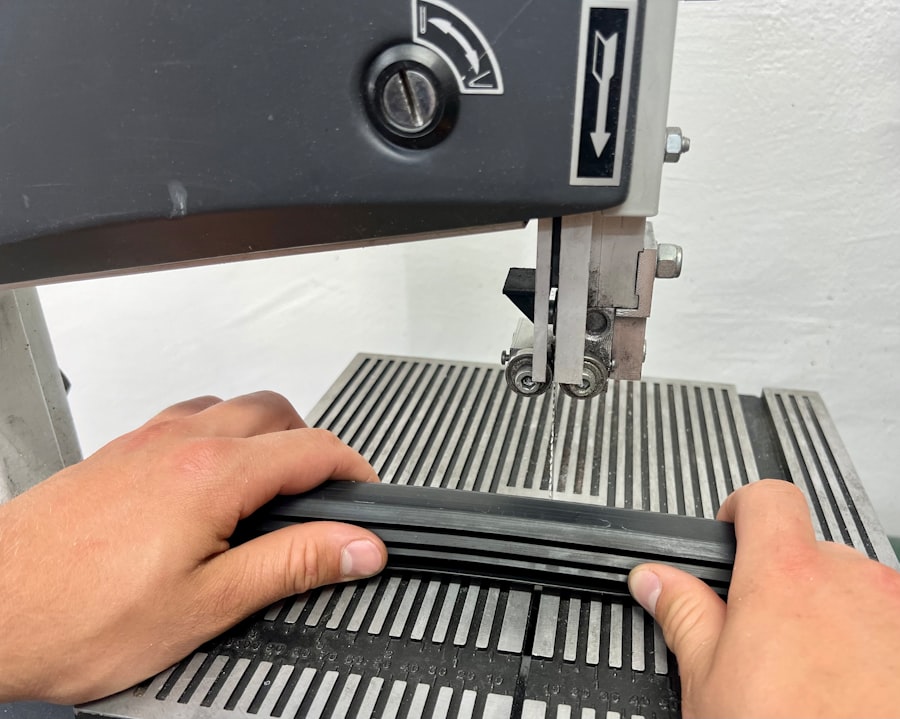
Magnet sintering encompasses several distinct processes, each tailored to achieve specific outcomes based on material properties and desired applications. The most common methods include conventional sintering, hot pressing, and spark plasma sintering. Conventional sintering involves compacting powdered materials into a desired shape and then heating them in a furnace to facilitate particle bonding.
This method is widely used due to its simplicity and cost-effectiveness, although it may not always yield the highest density or magnetic performance. Hot pressing is another technique that combines heat and pressure simultaneously during the sintering process. This method enhances densification and allows for better control over microstructural properties, resulting in magnets with improved magnetic performance.
Spark plasma sintering (SPS), on the other hand, is a more advanced technique that utilizes pulsed electrical currents to rapidly heat and densify materials. SPS has gained popularity due to its ability to produce high-density magnets with fine microstructures in a shorter time frame compared to traditional methods.
Advantages of Magnet Sintering Technology
The advantages of magnet sintering technology are manifold, making it an attractive option for manufacturers across various industries. One of the primary benefits is the ability to produce high-performance magnets with tailored magnetic properties. By adjusting sintering parameters, manufacturers can optimize the microstructure of the final product, resulting in magnets that exhibit superior strength, coercivity, and thermal stability.
Another significant advantage is the efficiency of the sintering process itself. Compared to other manufacturing methods, magnet sintering allows for rapid production cycles and reduced material waste. The use of powdered materials minimizes excess scrap, while the ability to create complex geometries reduces the need for additional machining processes.
This efficiency not only lowers production costs but also contributes to a more sustainable manufacturing approach.
Applications of Magnet Sintering in Various Industries
| Parameter | Description | Typical Range / Value | Impact on Magnet Properties |
|---|---|---|---|
| Sintering Temperature | Temperature at which the magnet powder is sintered | 1000°C – 1200°C | Affects density and magnetic coercivity |
| Sintering Time | Duration of the sintering process | 1 – 4 hours | Influences grain growth and magnetic performance |
| Atmosphere | Gas environment during sintering | Vacuum or inert gas (Argon, Nitrogen) | Prevents oxidation and contamination |
| Density | Relative density of the sintered magnet | ≥ 7.4 g/cm³ (for NdFeB magnets) | Higher density improves magnetic strength |
| Grain Size | Average size of crystalline grains | 2 – 5 µm | Smaller grains enhance coercivity |
| Magnetic Coercivity (Hc) | Resistance to demagnetization | 800 – 1500 kA/m | Higher values improve magnet stability |
| Maximum Energy Product (BHmax) | Measure of magnetic energy density | 200 – 450 kJ/m³ | Indicates magnet strength and efficiency |
| Post-Sintering Heat Treatment | Additional annealing to optimize properties | 500°C – 600°C for 1-3 hours | Improves magnetic alignment and coercivity |
Magnet sintering technology finds applications across a diverse range of industries, reflecting its versatility and effectiveness. In the automotive sector, for instance, sintered magnets are integral components in electric motors and hybrid vehicles, where they contribute to improved energy efficiency and performance. The demand for lightweight and compact designs has further propelled the adoption of high-performance magnets produced through sintering.
In addition to automotive applications, magnet sintering plays a crucial role in renewable energy technologies. Wind turbines and solar energy systems rely on efficient magnetic components for energy conversion and storage. Sintered magnets enhance the performance of generators and motors used in these systems, ultimately contributing to cleaner energy solutions.
Furthermore, consumer electronics such as smartphones and audio devices also benefit from magnet sintering technology, as it enables the production of small yet powerful magnets essential for various functionalities.
Recent Developments in Magnet Sintering Technology
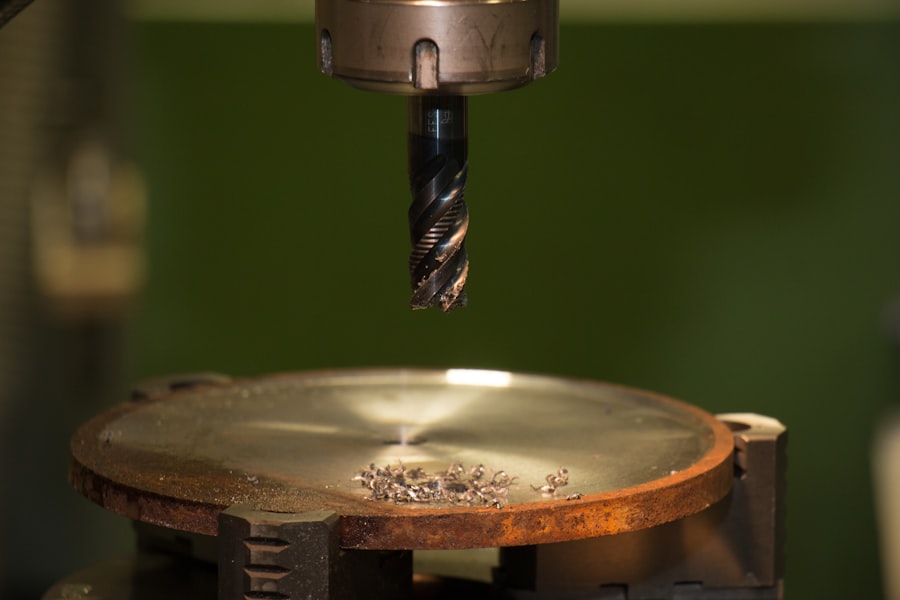
Recent developments in magnet sintering technology have focused on enhancing performance characteristics while addressing challenges related to production efficiency and material sustainability. Researchers have been exploring innovative approaches to optimize sintering processes, such as advanced heating techniques and novel binder systems that improve densification without compromising magnetic properties. These advancements aim to push the boundaries of what is achievable with magnet sintering.
Moreover, there has been a growing emphasis on integrating additive manufacturing techniques with traditional sintering processes.
As industries continue to evolve, these developments are expected to play a crucial role in meeting future demands for advanced magnetic materials.
Innovations in Materials Used for Magnet Sintering
The exploration of new materials for magnet sintering has been a focal point for researchers seeking to enhance magnetic performance and reduce reliance on rare earth elements.
For instance, researchers have been investigating iron-nitride-based magnets as potential substitutes for traditional rare earth magnets.
These materials offer promising magnetic characteristics while being more abundant and environmentally friendly. Additionally, advancements in nanostructured materials have opened new avenues for improving magnetic performance through enhanced surface area and reduced grain size.
Impact of Magnet Sintering on Environmental Sustainability
The impact of magnet sintering technology on environmental sustainability cannot be overstated. As industries increasingly prioritize eco-friendly practices, magnet sintering offers several advantages that align with sustainability goals. The efficient use of raw materials during the sintering process minimizes waste generation, while advancements in material innovations reduce dependence on scarce resources.
Furthermore, the integration of recycled materials into magnet production has gained traction as a means to promote circular economy principles within the industry. By utilizing recycled powders or incorporating secondary raw materials into the sintering process, manufacturers can significantly reduce their environmental footprint while maintaining high-quality output.
Challenges and Limitations of Magnet Sintering Technology
Despite its numerous advantages, magnet sintering technology is not without challenges and limitations. One significant hurdle is the need for precise control over processing parameters to achieve optimal magnetic properties consistently. Variations in temperature or pressure can lead to inconsistencies in microstructure and performance, necessitating rigorous quality control measures throughout production.
Additionally, while advancements have been made in material innovations, there remains a reliance on rare earth elements for certain high-performance magnets. The geopolitical implications associated with rare earth supply chains pose risks for manufacturers seeking stable access to these critical materials. Addressing these challenges will require ongoing research and collaboration within the industry.
Future Prospects for Magnet Sintering Technology
The future prospects for magnet sintering technology appear promising as ongoing research continues to drive innovation within the field. As industries evolve and demand for advanced magnetic materials grows, manufacturers are likely to invest in developing more efficient processes and exploring alternative materials that align with sustainability goals. Moreover, advancements in digital technologies such as artificial intelligence and machine learning are expected to play a transformative role in optimizing magnet sintering processes.
By leveraging data analytics and predictive modeling, manufacturers can enhance process control and improve overall efficiency while minimizing waste.
Conclusion and Summary of Key Advancements in Magnet Sintering Technology
In conclusion, magnet sintering technology stands at the forefront of modern manufacturing practices, offering significant advantages across various industries. From its historical roots to recent innovations in materials and processes, this technology has evolved into a critical component for producing high-performance magnets that meet contemporary demands. Key advancements include improved processing techniques, innovative material compositions, and a growing emphasis on environmental sustainability.
As challenges persist within the industry, ongoing research and collaboration will be essential in shaping the future landscape of magnet sintering technology. With its potential for continued growth and innovation, magnet sintering is poised to play an increasingly vital role in driving advancements across multiple sectors in the years to come.
Magnet sintering technology has gained significant attention in recent years due to its ability to enhance the performance of magnetic materials. For those interested in exploring this topic further, a related article can be found at this link, which delves into the advancements and applications of sintered magnets in various industries.
WATCH THIS! 🚨 THEY CONTROL 94% OF YOUR MAGNETS 🧲 — And You Never Noticed 🤫
FAQs
What is magnet sintering technology?
Magnet sintering technology is a manufacturing process used to produce permanent magnets by compacting and heating powdered magnetic materials below their melting point to form a solid, dense magnet.
What materials are commonly used in magnet sintering?
Common materials include rare-earth elements like neodymium and samarium, as well as iron, cobalt, and boron powders, which are blended to achieve desired magnetic properties.
What are the main steps involved in magnet sintering?
The main steps include powder preparation, compaction of the powder into a desired shape, sintering (heating) to bond particles, and post-sintering treatments such as machining and magnetization.
What are the advantages of using sintering for magnet production?
Sintering allows for precise control over magnet shape and size, produces magnets with high density and strong magnetic properties, and enables the use of complex alloy compositions.
How does sintering affect the magnetic properties of the final product?
Sintering enhances magnetic properties by increasing material density and improving microstructure, which results in higher coercivity, remanence, and energy product of the magnet.
What industries commonly use magnets produced by sintering technology?
Industries such as automotive, electronics, renewable energy (wind turbines), and consumer electronics widely use sintered magnets for motors, sensors, and other magnetic applications.
Are there environmental concerns associated with magnet sintering?
Environmental concerns include the use of rare-earth elements, which require responsible mining and recycling practices, and energy consumption during the sintering process.
Can magnet sintering technology be used for both small and large-scale production?
Yes, magnet sintering technology is scalable and can be adapted for both small batch production and large-scale industrial manufacturing.
What is the difference between sintered magnets and bonded magnets?
Sintered magnets are made by compacting and heating powders to form a dense solid, while bonded magnets are made by mixing magnetic powders with a binder and molding them, resulting in lower density and magnetic strength.
How is quality controlled in magnet sintering technology?
Quality control involves monitoring powder composition, compaction pressure, sintering temperature and time, as well as testing magnetic properties and mechanical strength of the final magnets.