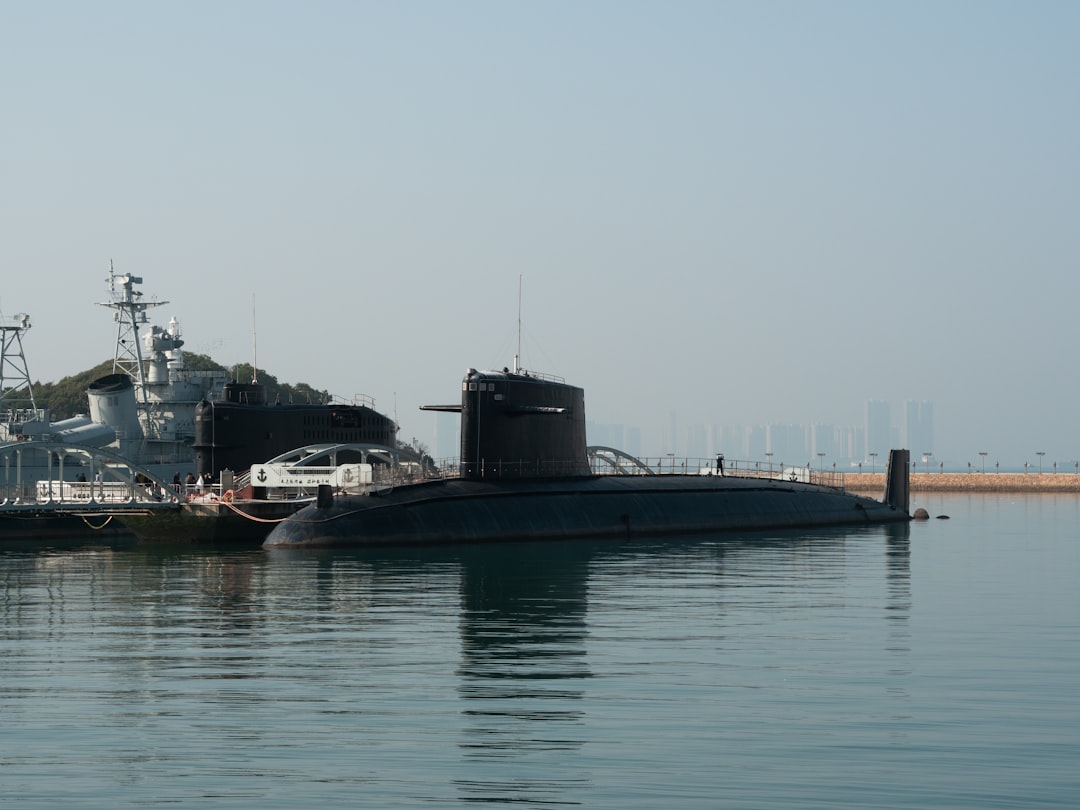
The realm of underwater warfare has evolved significantly over the past few decades, necessitating the development of advanced submarine detection technologies. As nations invest heavily in their naval capabilities, the need for effective detection systems has become paramount. Submarines, often referred to as the silent service, possess the ability to operate undetected beneath the waves, making them formidable assets in modern military strategy.
The challenge of locating these stealthy vessels has led to a surge in research and innovation aimed at enhancing detection methods. This article explores various advanced technologies that have emerged to improve submarine detection, highlighting their unique features and contributions to maritime security. The importance of advanced submarine detection cannot be overstated.
With the increasing sophistication of submarine designs and their operational capabilities, traditional methods of detection are often insufficient. The stakes are high, as the ability to detect and track submarines can determine the outcome of naval engagements and influence geopolitical stability. As such, military organizations around the world are continuously seeking innovative solutions to enhance their underwater surveillance capabilities.
This article delves into the limitations of traditional sonar technology, explores alternative detection methods such as Magnetic Anomaly Detection (MAD) and Laser Detection and Ranging (LIDAR), and examines the role of artificial intelligence and unmanned systems in revolutionizing submarine detection.
Key Takeaways
- Traditional sonar technology has limitations in detecting submarines due to advancements in stealth technology.
- Magnetic Anomaly Detection (MAD) is a valuable tool for submarine detection as it can detect the magnetic signature of submarines.
- Laser Detection and Ranging (LIDAR) technology plays a crucial role in submarine detection by providing high-resolution 3D images of underwater objects.
- Acoustic imaging technology has advanced to provide clearer and more detailed images of submarines, enhancing detection capabilities.
- Unmanned Underwater Vehicles (UUVs) are being incorporated into submarine detection systems to improve surveillance and reconnaissance capabilities.
Limitations of Traditional Sonar Technology
Traditional sonar technology has long been the backbone of submarine detection efforts. Utilizing sound waves to locate underwater objects, sonar systems have proven effective in various scenarios. However, they are not without their limitations.
One significant drawback is the phenomenon known as acoustic masking, where background noise from marine life, weather conditions, and other vessels can obscure sonar signals. This interference can lead to false positives or missed detections, complicating the task of identifying submarines in busy maritime environments. Moreover, traditional sonar systems often struggle with distinguishing between different types of underwater objects.
The echoes returned from a submarine can be similar to those from other marine structures or even natural formations, making it challenging for operators to ascertain the true nature of a detected object. Additionally, the effectiveness of sonar diminishes with depth; as submarines operate at varying depths, traditional sonar may not provide reliable data across all operational scenarios. These limitations underscore the need for more advanced detection technologies that can complement or enhance traditional sonar capabilities.
Utilizing Magnetic Anomaly Detection (MAD) for Submarine Detection

Magnetic Anomaly Detection (MAD) represents a significant advancement in submarine detection technology. This method relies on detecting variations in the Earth’s magnetic field caused by the presence of large metallic objects, such as submarines. MAD systems are particularly effective at identifying submarines that are submerged and not actively using their engines or other equipment that might generate noise detectable by sonar.
By measuring minute changes in magnetic fields, MAD can provide a stealthy means of locating submarines without alerting them to the search efforts. One of the key advantages of MAD is its ability to operate effectively in environments where traditional sonar may falter. For instance, in shallow waters or areas with high levels of ambient noise, MAD can still yield valuable information about potential submarine locations.
Furthermore, MAD systems can be deployed from various platforms, including aircraft and surface vessels, enhancing their versatility in maritime operations. As nations continue to refine MAD technology, its integration into broader submarine detection strategies promises to bolster naval capabilities significantly.
The Role of Laser Detection and Ranging (LIDAR) in Submarine Detection
| Application | Advantages | Challenges |
|---|---|---|
| Submarine Detection | High accuracy, long range, 3D mapping capability | Costly, limited performance in adverse weather conditions |
| Environmental Monitoring | Mapping of underwater topography, vegetation, and marine life | Interference from water turbidity and marine debris |
| Urban Planning | High-resolution mapping for infrastructure development | Challenges in urban canyons and reflective surfaces |
Laser Detection and Ranging (LIDAR) is another innovative technology that has found applications in submarine detection. While traditionally associated with terrestrial mapping and atmospheric studies, LIDAR’s principles can be adapted for underwater use. By emitting laser pulses and measuring the time it takes for them to return after reflecting off an object, LIDAR systems can create detailed three-dimensional images of underwater environments.
This capability allows for precise mapping of underwater terrain and identification of submerged objects. The use of LIDAR in submarine detection offers several advantages over conventional methods. For one, it can provide high-resolution imagery that aids in distinguishing between different types of underwater structures.
Additionally, LIDAR systems can operate effectively in clear water conditions, where visibility is high, making them ideal for shallow coastal areas. However, challenges remain regarding LIDAR’s effectiveness in murky waters or at greater depths, where light attenuation can limit its range. Nevertheless, ongoing advancements in LIDAR technology hold promise for enhancing its applicability in submarine detection scenarios.
Advancements in Acoustic Imaging Technology for Submarine Detection
Acoustic imaging technology has seen remarkable advancements in recent years, significantly improving submarine detection capabilities. Unlike traditional sonar systems that rely on simple echo returns, acoustic imaging employs sophisticated algorithms to create detailed images of underwater environments. This technology utilizes multiple frequencies and advanced signal processing techniques to enhance resolution and target discrimination.
One notable development in acoustic imaging is the use of broadband sonar systems that can capture a wider range of frequencies simultaneously. This capability allows operators to obtain more comprehensive data about underwater objects and their surroundings. Additionally, advancements in machine learning algorithms have enabled more accurate classification of detected targets, reducing the likelihood of false alarms and improving overall situational awareness.
As acoustic imaging technology continues to evolve, it is poised to play a crucial role in future submarine detection efforts.
Incorporating Unmanned Underwater Vehicles (UUVs) in Submarine Detection

Unmanned Underwater Vehicles (UUVs) have emerged as valuable assets in modern naval operations, particularly in the realm of submarine detection. These autonomous or remotely operated vehicles can be equipped with various sensors and technologies tailored for underwater surveillance tasks. UUVs offer several advantages over traditional manned platforms, including reduced risk to personnel and the ability to operate in hazardous environments for extended periods.
The integration of UUVs into submarine detection strategies allows for more flexible and comprehensive search operations. Equipped with advanced sonar systems, MAD technology, or even LIDAR capabilities, UUVs can conduct detailed surveys of designated areas while remaining undetected by enemy submarines. Their ability to operate at varying depths and navigate complex underwater terrains enhances their effectiveness in locating submerged threats.
As UUV technology continues to advance, their role in submarine detection is expected to expand further.
Synthetic Aperture Sonar (SAS) for Enhanced Submarine Detection
Synthetic Aperture Sonar (SAS) represents a cutting-edge advancement in sonar technology that significantly enhances submarine detection capabilities. Unlike traditional sonar systems that rely on single-point measurements, SAS utilizes the movement of a platform—such as a ship or UUV—to create high-resolution images of underwater targets over a larger area. By synthesizing data collected from multiple passes over a target area, SAS can produce detailed images that reveal intricate details about submerged objects.
The high-resolution imagery generated by SAS allows for improved target identification and classification, making it easier for operators to distinguish between submarines and other underwater structures. Additionally, SAS systems can operate effectively at greater depths than conventional sonar systems, expanding their operational range and effectiveness. As military organizations continue to invest in SAS technology, its integration into submarine detection frameworks promises to enhance situational awareness and operational effectiveness.
Integrating Artificial Intelligence (AI) in Submarine Detection Systems
The integration of Artificial Intelligence (AI) into submarine detection systems marks a transformative shift in how naval forces approach underwater surveillance. AI algorithms can analyze vast amounts of data generated by various sensors—such as sonar, MAD, and LIDAR—enabling rapid identification and classification of potential threats. By leveraging machine learning techniques, AI systems can continuously improve their accuracy over time as they learn from new data inputs.
One significant advantage of AI integration is its ability to reduce operator workload by automating routine tasks such as data analysis and target tracking. This allows human operators to focus on strategic decision-making rather than being overwhelmed by information overload. Furthermore, AI-driven systems can enhance predictive capabilities by analyzing patterns in submarine movements and behaviors, providing valuable insights for naval planners and strategists.
As AI technology continues to advance, its role in submarine detection is expected to grow increasingly prominent.
Utilizing Passive Acoustic Detection for Stealthy Submarine Tracking
Passive acoustic detection represents a stealthy approach to tracking submarines without actively emitting sound waves that could alert them to surveillance efforts. Instead of sending out signals like traditional sonar systems, passive acoustic sensors listen for sounds generated by submarines—such as engine noise or propeller cavitation—allowing for discreet monitoring of underwater activity. This method is particularly advantageous when attempting to track stealthy submarines that may be employing countermeasures against active sonar.
The effectiveness of passive acoustic detection lies in its ability to operate silently while gathering critical intelligence about submarine movements and activities. By deploying arrays of hydrophones across strategic locations—such as chokepoints or areas with high maritime traffic—naval forces can create a comprehensive picture of underwater activity without revealing their presence. However, challenges remain regarding background noise interference and the need for sophisticated signal processing techniques to isolate relevant sounds from ambient noise.
Multi-Sensor Fusion for Comprehensive Submarine Detection
Multi-sensor fusion represents a holistic approach to submarine detection that combines data from various sensor modalities—such as sonar, MAD, LIDAR, and passive acoustic systems—to create a comprehensive understanding of underwater environments.
This approach allows operators to leverage the strengths of different sensor technologies while mitigating their individual limitations.
For instance, while sonar may struggle with background noise interference, MAD can provide complementary data that enhances overall detection capabilities.
As sensor technologies continue to evolve, the integration of multi-sensor fusion into submarine detection frameworks will play a crucial role in maintaining maritime security.
Future Developments and Challenges in Advanced Submarine Detection Technologies
As nations continue to invest in advanced submarine detection technologies, several key developments are anticipated on the horizon. Ongoing research into quantum sensing techniques holds promise for revolutionizing underwater surveillance by enabling unprecedented sensitivity and accuracy in detecting submerged objects. Additionally, advancements in materials science may lead to the development of new sensor technologies capable of operating effectively across diverse underwater environments.
However, challenges remain regarding the implementation and integration of these advanced technologies into existing naval frameworks. The complexity of multi-sensor fusion systems requires robust data management capabilities and interoperability among various platforms—a task that demands significant investment in training and infrastructure development. Furthermore, as adversaries also invest in counter-detection measures—such as noise reduction technologies or advanced camouflage techniques—naval forces must remain vigilant and adaptive in their approaches to submarine detection.
In conclusion, the landscape of submarine detection is rapidly evolving as nations seek innovative solutions to address emerging challenges in underwater warfare. By leveraging advancements in technologies such as MAD, LIDAR, AI integration, UUVs, and multi-sensor fusion, naval forces are better equipped than ever before to locate and track submarines effectively. As research continues into new methodologies and technologies, the future promises exciting developments that will further enhance maritime security on a global scale.
In recent years, the development of non-acoustic submarine detection methods has gained significant attention due to their potential to enhance maritime security. One related article that delves into innovative detection technologies is available at this link. This article explores various techniques, including electromagnetic and optical methods, that can complement traditional sonar systems in identifying submerged vessels.
WATCH THIS! The Map You Can’t See is Controlling the World
FAQs
What are non-acoustic submarine detection methods?
Non-acoustic submarine detection methods are techniques used to detect and track submarines without relying on sound or acoustic signals. These methods utilize various technologies such as magnetic, electric, and gravitational sensors, as well as imaging and radar systems.
What are some examples of non-acoustic submarine detection methods?
Examples of non-acoustic submarine detection methods include magnetic anomaly detection (MAD), electric field measurement, gravitational anomaly detection, synthetic aperture sonar (SAS), and various types of radar systems such as synthetic aperture radar (SAR) and inverse synthetic aperture radar (ISAR).
How do non-acoustic submarine detection methods differ from acoustic methods?
Non-acoustic submarine detection methods differ from acoustic methods in that they do not rely on detecting sound waves or underwater acoustic signals. Instead, they utilize other physical phenomena such as magnetic, electric, and gravitational fields, as well as radar and imaging technologies to detect and track submarines.
What are the advantages of non-acoustic submarine detection methods?
Non-acoustic submarine detection methods offer several advantages, including the ability to operate in noisy underwater environments, reduced vulnerability to acoustic countermeasures, and the potential for detecting submarines at greater distances compared to acoustic methods.
What are the limitations of non-acoustic submarine detection methods?
Limitations of non-acoustic submarine detection methods include the need for sophisticated and expensive sensor systems, susceptibility to environmental interference, and the potential for reduced accuracy in certain underwater conditions. Additionally, some non-acoustic methods may have limited effectiveness against certain types of submarines.