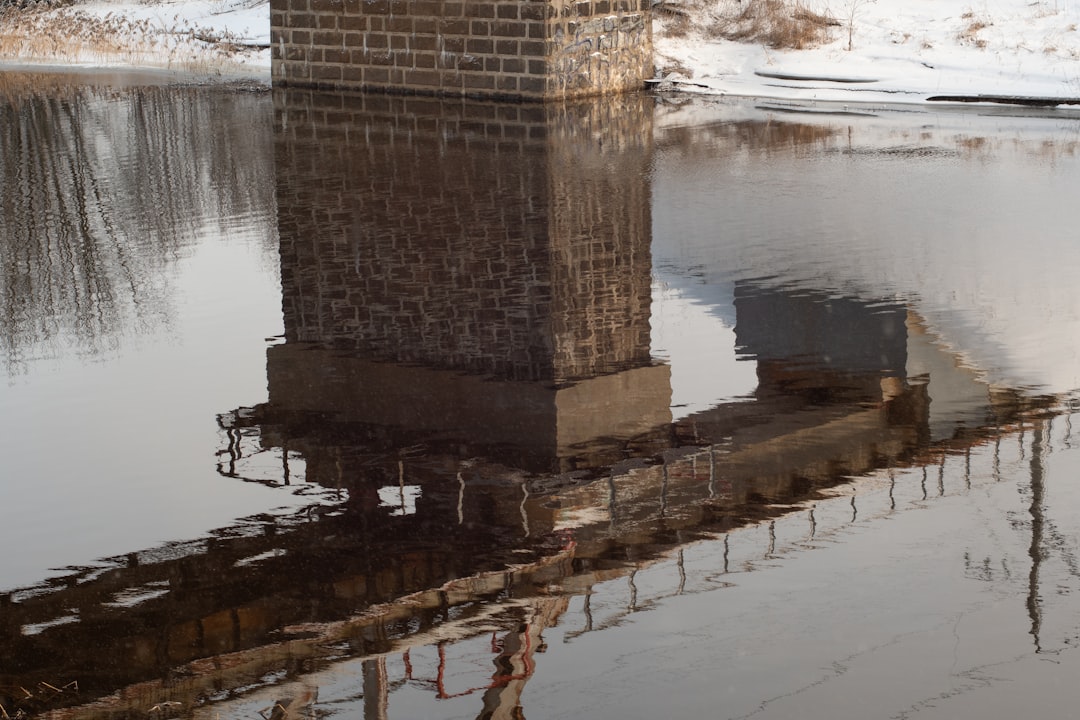
The issue of water infrastructure backlog has emerged as a significant concern across many regions, particularly in urban areas where aging systems struggle to meet the demands of growing populations. Many municipalities are grappling with outdated pipes, treatment facilities, and distribution networks that have not been adequately maintained or upgraded over the years. This backlog is not merely a matter of inconvenience; it poses serious risks to public health and safety.
As infrastructure ages, the likelihood of leaks, breaks, and failures increases, leading to service disruptions and potential contamination of drinking water supplies. Moreover, the financial implications of this backlog are staggering. Estimates suggest that trillions of dollars are needed to repair and replace aging water infrastructure in the United States alone.
This figure highlights the urgency of addressing the problem, as many local governments struggle to allocate sufficient funds for necessary upgrades. The growing backlog is a reflection of years of underinvestment in public utilities, and without immediate action, the consequences will only worsen, affecting communities and economies alike.
Key Takeaways
- Aging water infrastructure leads to declining water quality and increased health risks.
- Neglecting water systems results in significant economic costs and service disruptions.
- Government involvement and public-private partnerships are crucial for effective infrastructure upgrades.
- Sustainable and equitable solutions ensure long-term resilience and fair access to clean water.
- Community engagement and education promote awareness and support for water infrastructure improvements.
The Impact of Aging Infrastructure on Water Quality
Aging water infrastructure has a direct and detrimental impact on water quality. As pipes corrode and deteriorate, they can leach harmful substances into the water supply, posing serious health risks to consumers. Contaminants such as lead, which can enter drinking water through old pipes, have been linked to severe health issues, particularly in children.
The presence of these contaminants not only threatens public health but also erodes trust in local water systems, leading to increased public concern and demand for safer alternatives. In addition to chemical contaminants, aging infrastructure can also contribute to biological hazards. Broken pipes and leaks can create environments conducive to the growth of bacteria and other pathogens.
This situation is exacerbated during extreme weather events when flooding can overwhelm systems designed to handle normal conditions. The result is often a public health crisis that requires immediate intervention and costly remediation efforts. Communities facing these challenges must grapple with the dual burden of ensuring safe drinking water while managing the financial implications of infrastructure failures.
The Economic Costs of Neglecting Water Infrastructure
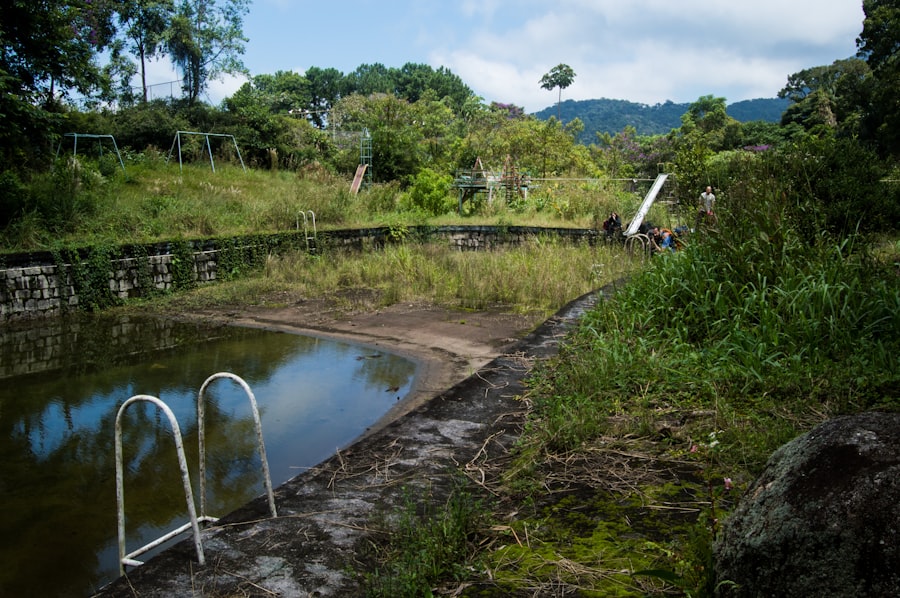
Neglecting water infrastructure carries significant economic costs that extend beyond immediate repair expenses. When water systems fail, the repercussions ripple through local economies, affecting businesses and residents alike. For instance, businesses may face operational disruptions due to water outages or quality issues, leading to lost revenue and potential job losses.
Additionally, the costs associated with emergency repairs can strain municipal budgets, diverting funds from other essential services such as education and public safety. Furthermore, the long-term economic implications of failing to invest in water infrastructure are profound. Communities with unreliable water systems may struggle to attract new businesses or residents, stunting economic growth and development.
Property values can decline in areas known for poor water quality or service interruptions, further exacerbating financial challenges for local governments. In this context, investing in water infrastructure is not merely a matter of maintaining existing systems; it is a critical component of fostering economic resilience and ensuring sustainable community development.
The Role of Government in Addressing Water Infrastructure Backlog
| Metric | Description | Current Status | Government Role | Target/Goal |
|---|---|---|---|---|
| Water Infrastructure Backlog | Estimated volume of outdated or insufficient water infrastructure | Over 240,000 miles of aging pipes nationwide | Funding upgrades and maintenance programs | Reduce backlog by 50% in 10 years |
| Annual Investment in Water Infrastructure | Amount allocated annually for water system improvements | Approximately 30 billion units | Increase budget allocations and incentivize private investment | Raise to 50 billion units annually |
| Access to Clean Water | Percentage of population with reliable access to safe drinking water | 95% | Implement policies to expand access in underserved areas | Achieve 100% access nationwide |
| Water Loss Due to Leaks | Percentage of water lost in distribution systems | Approximately 15% | Support modernization and leak detection technologies | Reduce water loss to under 10% |
| Job Creation in Water Sector | Number of jobs generated through infrastructure projects | Estimated 200,000 jobs annually | Promote workforce development and training programs | Increase jobs by 25% over 5 years |
Government plays a pivotal role in addressing the backlog of water infrastructure through policy-making, funding allocation, and regulatory oversight. Federal, state, and local governments must collaborate to develop comprehensive strategies that prioritize the repair and replacement of aging systems. This collaboration can take various forms, including grants, low-interest loans, and technical assistance programs designed to support municipalities in their efforts to upgrade infrastructure.
Moreover, government agencies must establish clear regulations and standards for water quality and infrastructure maintenance. By enforcing these standards, they can ensure that utilities prioritize necessary upgrades and repairs. Additionally, public awareness campaigns can help educate citizens about the importance of investing in water infrastructure, fostering a sense of shared responsibility among stakeholders.
Ultimately, effective government intervention is essential for reversing the trend of neglect and ensuring that communities have access to safe and reliable water supplies.
Innovative Technologies for Water Infrastructure Upgrades
The advancement of technology presents exciting opportunities for upgrading water infrastructure in innovative ways. Smart water management systems utilize sensors and data analytics to monitor water quality and detect leaks in real-time. These technologies enable utilities to respond quickly to issues before they escalate into larger problems, ultimately improving service reliability and reducing costs associated with emergency repairs.
Additionally, advancements in materials science have led to the development of more durable piping materials that can withstand corrosion and other forms of degradation. These materials not only extend the lifespan of water infrastructure but also reduce maintenance costs over time. Furthermore, innovative treatment technologies can enhance the efficiency of water purification processes, ensuring that communities receive high-quality drinking water while minimizing energy consumption.
Embracing these technologies is crucial for modernizing water infrastructure and addressing the challenges posed by aging systems.
Public-Private Partnerships in Water Infrastructure Development

Public-private partnerships (PPPs) have emerged as a viable solution for addressing the challenges associated with water infrastructure development. By leveraging private sector expertise and resources, municipalities can access innovative financing options and technical know-how that may not be available through traditional public funding channels. These partnerships can facilitate the construction and operation of new facilities or the rehabilitation of existing systems, ultimately improving service delivery.
Moreover, PPPs can foster greater accountability and efficiency in project execution. Private entities often bring a level of competition that can drive down costs while enhancing service quality. However, it is essential for governments to establish clear guidelines and oversight mechanisms to ensure that public interests are protected throughout the partnership process.
When executed effectively, public-private partnerships can serve as a powerful tool for revitalizing water infrastructure while promoting sustainable practices.
Community Engagement in Water Infrastructure Improvement
Community engagement is a critical component of successful water infrastructure improvement initiatives. Involving residents in decision-making processes fosters a sense of ownership and accountability regarding local water systems. Public forums, workshops, and surveys can provide valuable insights into community needs and preferences while also educating citizens about the importance of maintaining reliable water services.
Furthermore, engaging communities in infrastructure projects can lead to more equitable outcomes. By actively seeking input from diverse populations, municipalities can ensure that improvements address the unique challenges faced by different neighborhoods. This inclusive approach not only enhances project effectiveness but also builds trust between residents and local governments.
Ultimately, community engagement is essential for creating sustainable solutions that reflect the values and priorities of those most affected by water infrastructure issues.
The Importance of Sustainable Water Infrastructure Solutions
Sustainable water infrastructure solutions are vital for addressing current challenges while preparing for future demands. As climate change continues to impact weather patterns and water availability, it is essential for communities to adopt practices that promote resilience and adaptability. This includes investing in green infrastructure such as rain gardens, permeable pavements, and bioswales that enhance stormwater management while providing additional environmental benefits.
Moreover, sustainable solutions often prioritize resource conservation by promoting water reuse and recycling initiatives. By treating wastewater for non-potable uses or implementing rainwater harvesting systems, communities can reduce their reliance on traditional water sources while minimizing environmental impacts. Emphasizing sustainability in water infrastructure planning not only addresses immediate concerns but also lays the groundwork for long-term viability in an increasingly uncertain future.
Prioritizing Equity in Water Infrastructure Investments
Equity must be at the forefront of discussions surrounding water infrastructure investments. Historically marginalized communities often bear the brunt of inadequate water services due to systemic inequities in funding allocation and resource distribution. To rectify these disparities, policymakers must prioritize investments in underserved areas that lack access to safe drinking water or reliable service.
This commitment to equity involves not only addressing existing deficiencies but also ensuring that future investments are made with an eye toward inclusivity. By actively engaging with affected communities and considering their unique needs during planning processes, governments can work toward creating a more just distribution of resources. Prioritizing equity in water infrastructure investments is essential for fostering social cohesion and ensuring that all residents have access to safe and reliable water services.
The Need for Long-Term Planning in Addressing Water Infrastructure Backlog
Addressing the backlog of water infrastructure requires a long-term planning approach that anticipates future needs while addressing current deficiencies. Short-term fixes may provide temporary relief but often fail to tackle underlying issues that contribute to ongoing challenges. Comprehensive planning involves assessing existing systems’ conditions, forecasting future demands based on population growth trends, and identifying funding sources for necessary upgrades.
Moreover, long-term planning should incorporate climate resilience strategies that account for potential impacts from extreme weather events or changing environmental conditions. By integrating these considerations into infrastructure development plans, municipalities can create systems that are not only functional today but also adaptable to future challenges.
The Role of Education in Promoting Water Infrastructure Awareness and Advocacy
Education plays a crucial role in promoting awareness about the importance of water infrastructure and advocating for necessary improvements. By informing citizens about the challenges facing local water systems—such as aging infrastructure or contamination risks—educational initiatives can empower individuals to take action within their communities. Schools, community organizations, and local governments can collaborate on outreach programs that highlight the significance of maintaining reliable water services.
Furthermore, education fosters advocacy by equipping individuals with knowledge about policy issues related to water infrastructure funding and regulation. When citizens understand how decisions made at various levels impact their access to safe drinking water, they are more likely to engage with policymakers and advocate for change. Ultimately, education serves as a powerful tool for building a more informed citizenry capable of driving meaningful progress toward improved water infrastructure solutions.
In conclusion, addressing the growing problem of water infrastructure backlog requires a multifaceted approach involving government action, community engagement, innovative technologies, sustainable practices, equity considerations, long-term planning strategies, and educational initiatives. By prioritizing these elements collectively, communities can work toward revitalizing their water systems while ensuring safe access to clean drinking water for all residents now and into the future.
The water infrastructure backlog is a pressing issue that affects communities across the country, highlighting the urgent need for investment and modernization of aging systems. For a deeper understanding of the challenges and potential solutions related to this topic, you can read the article on water management strategies at com/sample-page/’>this link.
This resource provides valuable insights into the current state of water infrastructure and the steps necessary to address the backlog effectively.
WATCH THIS! The $100 Billion Lie: America’s Water System Is About to Poison Every Major City
FAQs
What is the water infrastructure backlog?
The water infrastructure backlog refers to the accumulated need for repairs, upgrades, and replacements of water systems, including pipes, treatment plants, and distribution networks, that have been delayed or deferred over time due to insufficient funding or resources.
Why has a water infrastructure backlog developed?
A backlog has developed primarily because many water systems are aging and require maintenance or replacement, but funding and investment have not kept pace with these needs. Additionally, population growth, increased demand, and stricter regulatory standards contribute to the growing backlog.
What components are included in water infrastructure?
Water infrastructure includes drinking water treatment plants, distribution pipes, storage tanks, wastewater treatment facilities, stormwater systems, pumps, and related equipment necessary to provide safe and reliable water services.
How does the backlog affect communities?
The backlog can lead to increased risks of water main breaks, service interruptions, water quality issues, and higher costs for emergency repairs. It may also impact public health, economic development, and environmental sustainability.
What are the estimated costs associated with the water infrastructure backlog?
Estimates vary, but in the United States, the Environmental Protection Agency (EPA) and other organizations have reported that hundreds of billions of dollars are needed over the next several decades to address the backlog and modernize water infrastructure.
Who is responsible for addressing the water infrastructure backlog?
Responsibility typically lies with local water utilities, municipalities, state agencies, and federal programs. Collaboration among these entities, along with private sector involvement, is often necessary to secure funding and implement projects.
What funding sources are available to reduce the water infrastructure backlog?
Funding can come from federal grants and loans (such as the EPA’s Drinking Water and Clean Water State Revolving Funds), state and local government budgets, private investments, and public-private partnerships.
How can the water infrastructure backlog be prevented in the future?
Preventing future backlogs requires proactive asset management, regular maintenance, adequate funding, adoption of new technologies, and long-term planning to ensure infrastructure keeps pace with demand and regulatory requirements.
What role does technology play in addressing the water infrastructure backlog?
Technology can improve monitoring, leak detection, and predictive maintenance, helping utilities prioritize repairs and optimize investments, thereby reducing the backlog more efficiently.
Is the water infrastructure backlog a global issue?
Yes, many countries face challenges with aging water infrastructure and insufficient investment, making backlog issues a global concern that affects water quality and availability worldwide.