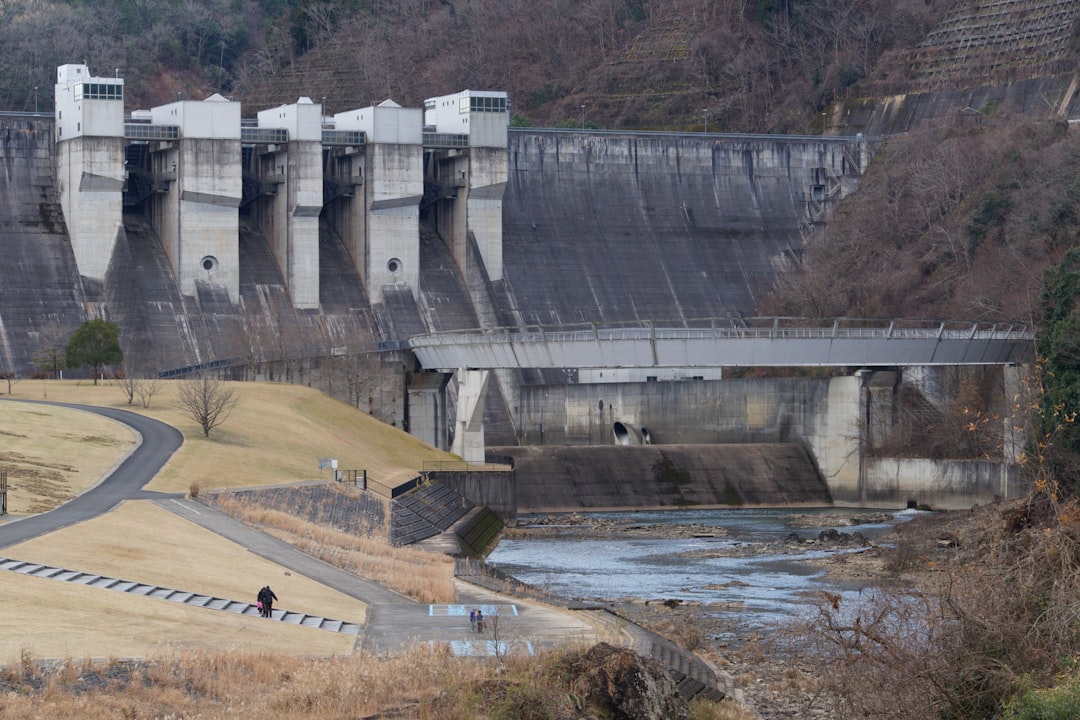
The dam crisis has emerged as a pressing global issue, drawing attention from environmentalists, policymakers, and communities alike. As the world grapples with the dual challenges of climate change and population growth, the role of dams in water management has come under scrutiny. While dams have historically been constructed to provide essential services such as irrigation, flood control, and hydroelectric power, their environmental and social impacts are increasingly being recognized.
The crisis is characterized by aging infrastructure, inadequate maintenance, and the growing realization that many dams disrupt local ecosystems and displace communities. This complex situation necessitates a reevaluation of how dams are managed and integrated into broader water management strategies. The urgency of addressing the dam crisis is underscored by the potential consequences of inaction.
Many dams are reaching the end of their operational lifespans, leading to safety concerns and the risk of catastrophic failures. Additionally, the ecological ramifications of damming rivers can be profound, affecting fish populations, water quality, and sediment transport. As communities face the realities of climate change—such as altered precipitation patterns and increased flooding—there is a critical need for sustainable water management practices that prioritize both human needs and environmental health.
The path forward requires a comprehensive understanding of the challenges posed by existing dam infrastructure and a commitment to innovative solutions that can mitigate these issues.
Key Takeaways
- Sustainable water management is crucial to addressing the ongoing dam crisis and ensuring long-term water security.
- Current policies face challenges such as aging infrastructure, climate change impacts, and conflicting stakeholder interests.
- Investing in dam maintenance, rehabilitation, and water conservation measures is essential for sustainable management.
- Effective dam management requires collaboration among stakeholders and integrating climate resilience into policies.
- Balancing environmental protection with societal water needs is key to developing sustainable and equitable dam management solutions.
Importance of Sustainable Water Management
Sustainable water management is essential for ensuring that water resources are available for future generations while also meeting the needs of current populations. This approach emphasizes the responsible use of water resources, balancing economic development with environmental protection. In the context of the dam crisis, sustainable water management becomes even more crucial as it seeks to address the multifaceted challenges posed by aging infrastructure and changing climatic conditions.
By adopting sustainable practices, societies can enhance their resilience to water-related challenges while promoting ecological integrity. One of the key tenets of sustainable water management is the recognition that water is a finite resource that must be managed wisely. This involves not only optimizing the use of existing water supplies but also protecting and restoring natural ecosystems that contribute to water quality and availability.
For instance, healthy wetlands and forests play a vital role in regulating water cycles and filtering pollutants. By integrating these natural systems into water management strategies, communities can create a more holistic approach that benefits both people and the environment. Furthermore, sustainable practices can lead to cost savings in the long run by reducing the need for expensive infrastructure projects and minimizing the risks associated with water scarcity.
Current Policy Approaches to Dam Management
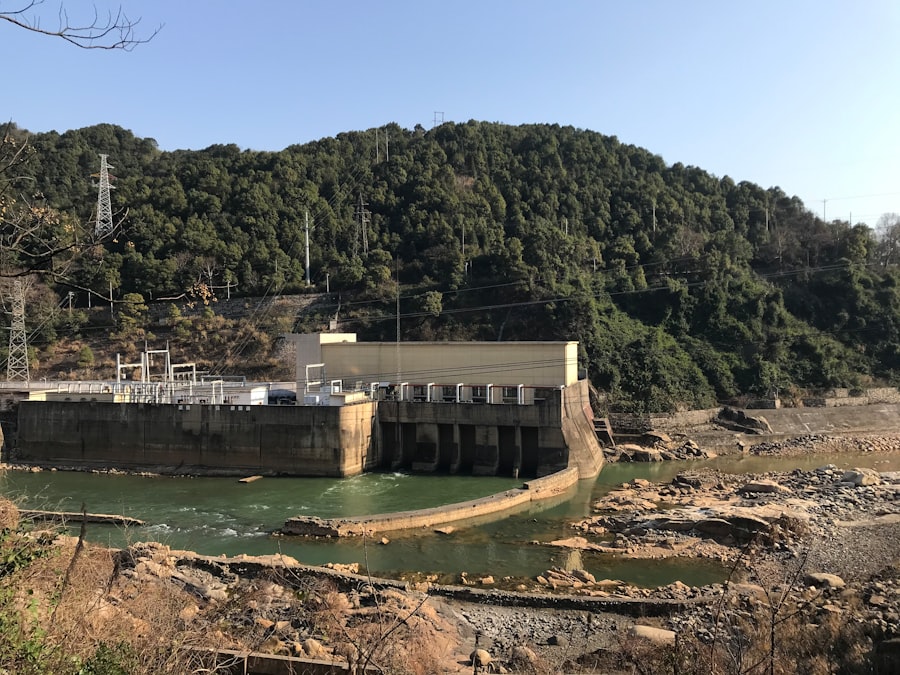
Current policy approaches to dam management vary widely across regions and countries, reflecting differing priorities and governance structures.
However, this narrow focus has often overlooked the social and environmental costs associated with dam construction and operation.
As awareness of these issues has grown, there has been a shift towards more integrated approaches that consider the broader implications of dam management. Some countries have begun to implement policies that promote decommissioning or retrofitting aging dams to improve their safety and environmental performance. These initiatives often involve stakeholder consultations to ensure that local communities have a voice in decision-making processes.
Additionally, there is a growing recognition of the need for adaptive management strategies that can respond to changing conditions over time. This includes incorporating scientific research and traditional ecological knowledge into policy frameworks to enhance resilience and sustainability. However, despite these advancements, many regions still struggle with outdated policies that fail to address the complexities of modern water management.
Challenges in Addressing the Dam Crisis
| Challenge | Description | Impact | Possible Solutions |
|---|---|---|---|
| Aging Infrastructure | Many dams are decades old and require significant maintenance or replacement. | Increased risk of dam failure and safety hazards. | Regular inspections, retrofitting, and investment in modernization. |
| Funding Constraints | Limited financial resources for dam repair and upgrades. | Delayed maintenance leading to deterioration and safety risks. | Public-private partnerships and increased government funding. |
| Environmental Concerns | Dams impact ecosystems, fish migration, and water quality. | Loss of biodiversity and altered natural habitats. | Implementing fish ladders, environmental flow releases, and habitat restoration. |
| Regulatory Challenges | Complex and varying regulations across regions. | Delays in project approvals and inconsistent safety standards. | Streamlining regulations and enhancing inter-agency coordination. |
| Climate Change | Changing precipitation patterns and extreme weather events. | Increased flood risk and stress on dam structures. | Adaptive management strategies and updated design criteria. |
| Community Opposition | Local resistance due to displacement or environmental impact. | Project delays and increased costs. | Engaging stakeholders early and transparent communication. |
Addressing the dam crisis presents numerous challenges that complicate efforts to implement effective solutions. One significant hurdle is the political landscape surrounding water management, which often involves competing interests among various stakeholders. Governments may prioritize economic growth over environmental protection, leading to policies that favor dam construction rather than rehabilitation or removal.
Additionally, entrenched interests in industries such as agriculture and energy can resist changes that threaten their established practices, making it difficult to achieve consensus on sustainable approaches. Another challenge lies in the technical aspects of dam management. Many existing dams were built decades ago with outdated engineering standards, making them vulnerable to failure under extreme weather events exacerbated by climate change.
The financial burden of maintaining or upgrading these structures can be daunting for governments already facing budget constraints. Furthermore, there is often a lack of comprehensive data on the condition of aging dams and their impacts on surrounding ecosystems, hindering informed decision-making. Overcoming these challenges requires a concerted effort from all stakeholders involved in water management, as well as innovative thinking to develop practical solutions.
Policy Solutions for Sustainable Water Management
To effectively address the dam crisis and promote sustainable water management, a range of policy solutions must be considered. One promising approach is the development of integrated water resource management (IWRM) frameworks that take into account the interconnectedness of various water uses and ecosystems. IWRM encourages collaboration among stakeholders at all levels—government agencies, local communities, and private sector actors—to create comprehensive strategies that balance competing demands for water resources.
Additionally, policies should prioritize investments in green infrastructure that enhance natural systems while providing essential services. For example, restoring riverbanks and wetlands can improve flood resilience while also supporting biodiversity. Such initiatives not only contribute to environmental sustainability but can also create economic opportunities through ecotourism and recreation.
Furthermore, promoting education and awareness around sustainable water practices can empower communities to take an active role in managing their local resources effectively.
Investing in Infrastructure for Dam Maintenance and Rehabilitation
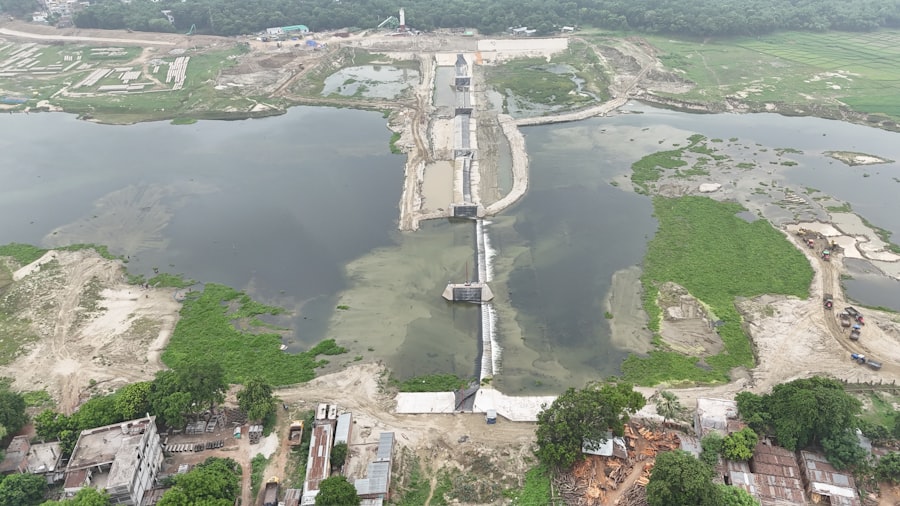
Investing in infrastructure for dam maintenance and rehabilitation is critical for ensuring the safety and functionality of existing structures. Many dams require significant upgrades to meet modern safety standards and environmental regulations. This investment not only protects communities from potential disasters but also enhances the overall efficiency of water management systems.
By prioritizing maintenance over new construction, governments can extend the lifespan of existing dams while minimizing ecological disruption. Moreover, rehabilitation efforts can include retrofitting dams with technologies that improve their environmental performance. For instance, installing fish ladders or bypass systems can help restore fish migration patterns disrupted by damming rivers.
These enhancements not only benefit local ecosystems but also align with broader conservation goals. By adopting a proactive approach to infrastructure investment, policymakers can create a more resilient water management system that meets both human needs and environmental objectives.
Implementing Water Conservation and Efficiency Measures
Implementing water conservation and efficiency measures is another essential component of sustainable water management in the context of the dam crisis. As populations grow and climate change intensifies, the demand for freshwater resources is expected to increase significantly. Therefore, it is imperative to adopt practices that reduce water consumption and enhance efficiency across various sectors, including agriculture, industry, and urban areas.
In agriculture, for example, adopting precision irrigation techniques can significantly reduce water waste while maintaining crop yields. Similarly, urban areas can benefit from implementing green infrastructure solutions such as rain gardens and permeable pavements that promote natural water infiltration and reduce runoff. Public awareness campaigns can also play a vital role in encouraging individuals and businesses to adopt water-saving practices in their daily lives.
By fostering a culture of conservation, communities can collectively contribute to more sustainable water management outcomes.
Promoting Stakeholder Engagement and Collaboration
Promoting stakeholder engagement and collaboration is crucial for developing effective policies related to dam management and sustainable water use. Engaging diverse stakeholders—including local communities, indigenous groups, environmental organizations, and industry representatives—ensures that multiple perspectives are considered in decision-making processes. This collaborative approach fosters trust among stakeholders and encourages shared ownership of water management initiatives.
Furthermore, involving local communities in monitoring and managing water resources can lead to more effective outcomes. Community-based approaches empower individuals to take an active role in protecting their environment while also providing valuable insights into local conditions and needs. By facilitating dialogue among stakeholders, policymakers can identify common goals and develop strategies that reflect the unique circumstances of each region.
Incorporating Climate Change Resilience into Dam Management Policies
Incorporating climate change resilience into dam management policies is essential for addressing the uncertainties posed by a changing climate. As weather patterns become increasingly unpredictable, it is vital for policymakers to consider how dams will perform under extreme conditions such as prolonged droughts or intense flooding events. This requires integrating climate projections into planning processes to ensure that infrastructure remains functional and safe.
Additionally, adaptive management strategies should be employed to allow for flexibility in response to changing conditions over time. This may involve regularly updating risk assessments based on new scientific data or community feedback. By prioritizing climate resilience in dam management policies, governments can better prepare for future challenges while safeguarding both human populations and natural ecosystems.
Balancing Environmental and Societal Needs in Dam Management
Balancing environmental and societal needs in dam management is a complex yet necessary endeavor. Dams provide critical services such as flood control, irrigation, and hydroelectric power; however, they also have significant ecological impacts that must be addressed. Striking this balance requires careful consideration of trade-offs between human development goals and environmental sustainability.
One approach is to adopt a multi-benefit framework that recognizes the interconnectedness of social and ecological systems. For instance, restoring river ecosystems can enhance biodiversity while also providing recreational opportunities for local communities. By identifying synergies between environmental health and societal well-being, policymakers can create solutions that benefit both people and nature.
Ultimately, achieving this balance will require ongoing dialogue among stakeholders to ensure that diverse needs are met while promoting long-term sustainability.
Moving Towards Sustainable Water Management
In conclusion, moving towards sustainable water management in light of the dam crisis necessitates a comprehensive approach that addresses both current challenges and future uncertainties. By prioritizing integrated strategies that encompass infrastructure investment, stakeholder engagement, climate resilience, and conservation measures, societies can create more effective systems for managing their precious water resources. The path forward will require collaboration among governments, communities, and industries to develop innovative solutions that balance human needs with environmental protection.
As awareness of the dam crisis continues to grow, there is an opportunity for transformative change in how societies approach water management. By embracing sustainability as a guiding principle, communities can work towards creating resilient systems that not only meet present demands but also safeguard resources for generations to come. The journey towards sustainable water management may be complex; however, it is essential for ensuring a healthy planet where both people and nature can thrive together.
In addressing the ongoing dam crisis, it is crucial to explore effective policy solutions that can mitigate risks and enhance infrastructure resilience. A related article that delves into various strategies and recommendations for improving dam safety and management can be found here. This resource provides valuable insights into the challenges faced by aging dam systems and the necessary steps that policymakers can take to ensure public safety and environmental protection.
WATCH THIS! The $50 Billion Lie: America’s Dams Are About to Fail (60-Minute Documentary)
FAQs
What is the dam crisis?
The dam crisis refers to the growing challenges related to aging infrastructure, environmental impacts, water scarcity, and safety concerns associated with dams worldwide.
Why are policy solutions needed for the dam crisis?
Policy solutions are necessary to address issues such as dam safety, environmental sustainability, water management, and the social and economic impacts of dam failures or decommissioning.
What are common policy approaches to managing dam safety?
Policies often include regular inspections, maintenance requirements, emergency preparedness plans, and funding mechanisms to ensure dams meet safety standards.
How do policies address environmental concerns related to dams?
Policies may promote environmental flow requirements, fish passage solutions, habitat restoration, and the removal of obsolete or harmful dams to protect ecosystems.
What role do stakeholders play in dam crisis policy solutions?
Stakeholders such as government agencies, local communities, environmental groups, and industry experts collaborate to develop and implement policies that balance safety, environmental, and economic interests.
Are there international guidelines for dam management?
Yes, organizations like the International Commission on Large Dams (ICOLD) provide guidelines and best practices for dam design, construction, operation, and decommissioning.
Can policy solutions help with water scarcity issues related to dams?
Yes, policies can promote efficient water use, integrated water resource management, and alternative water storage solutions to mitigate water scarcity linked to dam operations.
What is dam decommissioning and how is it addressed in policies?
Dam decommissioning involves safely removing or repurposing dams that are no longer viable or environmentally sustainable. Policies guide the process to minimize risks and environmental impacts.
How do policies ensure funding for dam maintenance and upgrades?
Policies may establish dedicated funding sources, public-private partnerships, or regulatory fees to finance ongoing dam safety and infrastructure improvements.
What challenges exist in implementing policy solutions for the dam crisis?
Challenges include balancing competing interests, securing adequate funding, addressing climate change impacts, and coordinating among multiple jurisdictions and stakeholders.