
Coastal erosion represents a significant environmental challenge globally, but for communities situated along the Caspian Sea, its impacts are particularly acute. The Caspian, the world’s largest inland body of water, experiences a dynamic shoreline influenced by fluctuating water levels, geological factors, and anthropogenic activities. As sea levels rise and storm surges become more frequent and intense, many coastal communities find their homes, infrastructure, and livelihoods directly threatened. This article explores the multifaceted issue of coastal erosion along the Caspian Sea and delves into relocation strategies as a necessary and often inevitable response for vulnerable populations.
The Caspian Sea’s coastline is not a static boundary but a moving frontier, constantly reshaped by natural forces. Understanding these forces is paramount to developing effective mitigation and adaptation strategies, including relocation.
Fluctuating Caspian Sea Levels
Natural Cycles of Water Level Change
The Caspian Sea is renowned for its significant natural fluctuations in water level, driven by climatic variations impacting precipitation and riverine inflow, particularly from major rivers like the Volga. Historically, these fluctuations have ranged by several meters, leading to periods of transgression (sea level rise) and regression (sea level fall).
Impact on Shoreline Position
During periods of transgression, the shoreline advances inland, inundating low-lying areas and increasing erosion rates. Conversely, during regression, exposed land can create new habitats but may also lead to increased wind erosion of previously submerged sediments. These oscillations, while natural, exacerbate the challenges faced by fixed infrastructure and settlements.
Accelerated Changes and Climate Change
While natural cycles are a constant, there is growing concern that climate change may be accelerating these fluctuations or introducing new patterns. Increased evaporation rates due to rising global temperatures and altered precipitation patterns can lead to more rapid sea level drops, while melting glaciers and intensified rainfall in catchment areas can contribute to faster rises. This unpredictability acts like a rogue wave, making long-term planning exceedingly difficult for coastal communities.
Geological and Geomorphological Factors
Beyond water level changes, the inherent characteristics of the Caspian coastline play a crucial role in its susceptibility to erosion.
Sediment Composition and Stability
The Caspian shoreline is composed of a variety of sediments, ranging from fine silts and clays to coarser sands and gravels. Certain formations, particularly those dominated by unconsolidated fine-grained sediments, are inherently less stable and more prone to wave action and currents.
Tectonic Activity and Subsidence
Parts of the Caspian Basin are tectonically active, leading to land subsidence in some areas. This geological process effectively lowers the land relative to the sea level, compounding the impact of even minor sea level rises and accelerating coastal inundation and erosion.
Human-Induced Pressures
Anthropogenic activities have added another layer of complexity and often amplified existing erosion issues. Extracting resources, altering natural drainage patterns, and constructing coastal infrastructure all contribute to the problem.
Coastal Development and Infrastructure
The construction of ports, industrial facilities, and urban settlements directly along the coastline can disrupt natural sediment transport pathways. Breakwaters, jetties, and other coastal defenses, while intended to protect specific areas, can often exacerbate erosion downdrift by starving those areas of their natural sediment supply. This is akin to building a dam on a river; while it controls water in one place, it alters the flow downstream.
Resource Extraction and Land Use Changes
Oil and gas extraction, a dominant industry in many Caspian littoral states, can lead to land subsidence due to reservoir depressurization. Furthermore, changes in land use, such as the conversion of coastal wetlands for agriculture or urban development, can reduce natural buffers against erosion and alter hydrological regimes.
Coastal erosion in the Caspian Sea has become a pressing issue, prompting discussions about the relocation of communities affected by rising water levels and land loss. For a deeper understanding of the challenges faced by these communities and the strategies being implemented for their relocation, you can read the related article available at this link. This article provides insights into the environmental, social, and economic impacts of coastal erosion in the region.
The Growing Threat of Erosion
The combined influence of these drivers has led to a discernible increase in erosion rates along significant portions of the Caspian coastline, posing a direct threat to human settlements and economic activities.
Impacts on Settlements and Infrastructure
Loss of Land and Property
Direct physical loss of land is the most visible consequence of coastal erosion. Homes, businesses, agricultural lands, and cultural heritage sites located too close to the advancing shoreline are progressively submerged or undermined, leading to irreversible damage and displacement.
Damage to Critical Infrastructure
Essential infrastructure such as roads, railways, power lines, water treatment plants, and sewage systems are often situated in coastal zones. Erosion can compromise the stability of foundations, lead to operational disruptions, and necessitate costly repairs or complete relocation of these vital services.
Economic and Livelihood Disruptions
Coastal communities often rely heavily on resources and activities directly linked to the sea.
Fisheries and Aquaculture
Erosion can degrade or destroy fish spawning grounds and aquaculture facilities, impacting local fisheries that form the backbone of many coastal economies. Changes in water depth and salinity due to altered coastlines can also affect fish populations.
Tourism and Recreation
Beaches and coastal landscapes are often the primary attractions for tourism. Erosion that shrinks or destroys beaches, coupled with damage to coastal infrastructure, can devastate the tourism sector, a vital source of income for many Caspian communities.
Relocation as a Necessary Adaptation Strategy
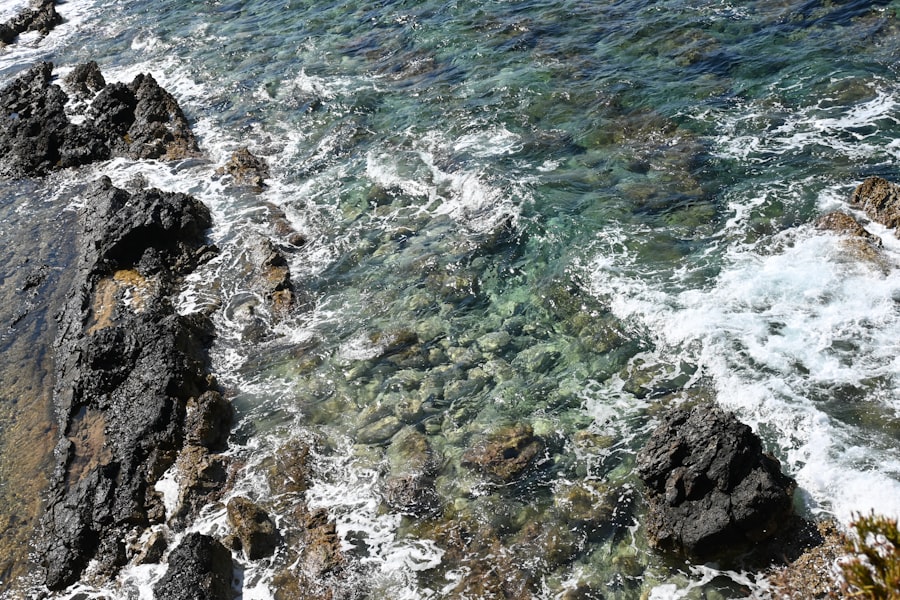
When the forces of erosion overwhelm the capacity for on-site adaptation, relocation emerges as a critical, albeit complex, strategy for ensuring the safety and long-term viability of coastal communities. Relocation is not a sign of failure, but rather a proactive and pragmatic response to an untenable situation.
Assessing Vulnerability and Risk
The first step in any relocation strategy is a comprehensive assessment of the risks faced by different communities and their inherent vulnerabilities. This involves understanding the specific erosion drivers at play in each location and the social and economic characteristics of the population.
Hazard Mapping and Monitoring
Detailed hazard mapping, utilizing remote sensing, geographical information systems (GIS), and on-the-ground surveys, is essential for identifying areas most at risk of erosion and inundation. Continuous monitoring of shoreline changes and water level fluctuations provides the data needed to refine these assessments.
Socio-economic Vulnerability Analysis
Beyond physical risks, it is crucial to understand the socio-economic profile of the communities at risk. Factors such as income levels, access to resources, existing social networks, and cultural ties to the land influence a community’s capacity to adapt and the potential challenges associated with relocation. This analysis helps identify the most vulnerable groups who may require additional support.
Types of Relocation Strategies
Relocation can take various forms, from incremental adjustments to complete community-wide movements. The chosen strategy depends on the scale of the threat, the available resources, and the preferences of the affected population.
Phased or Incremental Relocation
In some cases, a full-scale, immediate relocation may not be feasible or necessary. A phased approach allows communities to gradually move structures and adapt over time.
Planned Retreat from High-Risk Zones
This involves identifying specific structures or areas within a community that are most immediately threatened and facilitating their movement or abandonment in a planned manner. This could involve providing incentives for property owners to sell and relocate voluntarily.
Infrastructure Relocation and Adaptation
This strategy focuses on moving critical infrastructure, such as utilities and transportation routes, away from the eroding shoreline, even if the residential areas remain in place for a time. This can provide a buffer and allow for more time to plan for residential relocation.
Managed or Planned Community Relocation
This is a more comprehensive approach that involves the organized movement of an entire community to a new, safer location. This is often the most complex but can provide the most sustainable long-term solution.
Site Selection and Planning
The process of selecting a suitable new site is critical. It must be free from significant erosion and flood risks, have access to essential services (water, power, sanitation), and offer economic opportunities for the relocated population. Careful urban and regional planning for the new settlement is essential to ensure it is functional and integrates well with existing communities.
Social and Cultural Integration
Relocating a community involves more than just moving buildings; it’s about transplanting a way of life. The planning process must actively engage with the community to understand their social structures, cultural practices, and community cohesion. The new settlement should be designed to foster these elements, rather than disrupt them.
Community Engagement and Participation
Effective relocation hinges on the meaningful participation of the affected community at every stage. Their knowledge, concerns, and preferences must be at the forefront of decision-making. This engagement builds trust and ownership, making the relocation process smoother and more successful.
Voluntary vs. Involuntary Relocation
The distinction between voluntary and involuntary relocation is crucial, impacting the legal, ethical, and practical considerations of a move.
Incentivizing Voluntary Moves
Providing adequate compensation, assistance with housing and employment, and ensuring access to services in the new location can encourage voluntary relocation, which is generally less fraught with conflict and resistance.
Addressing Involuntary Displacement
In situations where voluntary relocation is not possible or sufficient, involuntary displacement may become unavoidable. This requires careful legal and ethical frameworks to ensure the rights of displaced individuals are protected and that they receive fair treatment and support. This is akin to being forced to leave your home due to a natural disaster – the state must provide a safe harbor and a path to recovery.
Challenges and Considerations in Relocation
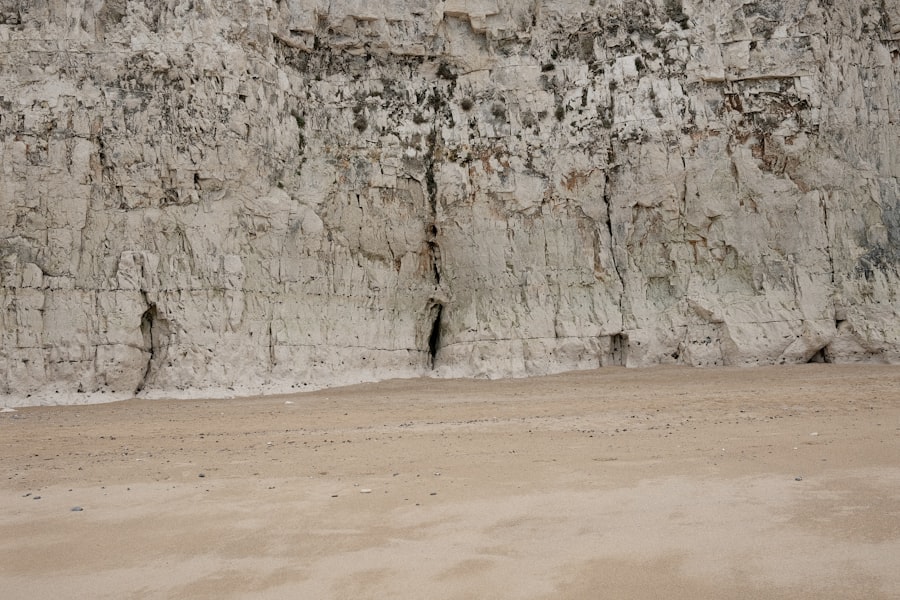
Relocation, while a necessary tool, is not without its significant challenges. It is a process fraught with emotional, social, economic, and logistical hurdles that must be meticulously addressed.
Financial and Economic Implications
Cost of Relocation
The financial burden of relocation can be immense, encompassing land acquisition, infrastructure development in the new site, compensation for lost property, and support for livelihoods during the transition. Securing sufficient funding from government, international aid, or private sources is paramount.
Economic Opportunities in the New Location
Simply moving people is not enough; they need to be able to sustain themselves in their new environment. Providing or facilitating access to new employment opportunities, retraining programs, and support for businesses is crucial for the long-term success of relocation.
Social and Cultural Disruption
Loss of Place Attachment and Identity
For many, their homes and communities are deeply intertwined with their sense of identity and belonging. The loss of familiar landscapes, social networks, and cultural heritage can lead to profound feelings of displacement and anomie.
Maintaining Social Cohesion
Relocated communities may face challenges in maintaining their existing social structures and cohesion. New settlements need careful planning to foster community interaction and provide spaces for cultural activities.
Governance and Implementation Issues
Legal Frameworks and Land Rights
Establishing clear legal frameworks for land acquisition, compensation, and resettlement is essential. Protecting the land rights of individuals and communities is a cornerstone of ethical relocation.
Inter-agency Coordination
Relocation projects often involve multiple government agencies, local authorities, and non-governmental organizations. Effective coordination and clear lines of responsibility are vital to avoid duplication of efforts and ensure a seamless process.
Coastal erosion in the Caspian Sea has become a pressing issue, prompting discussions about the relocation of affected communities. A related article explores the various factors contributing to this phenomenon and the potential solutions being proposed. For more insights on this topic, you can read the full article here. The challenges faced by residents highlight the urgent need for sustainable management practices to protect both the environment and local livelihoods.
Moving Forward: Sustainable Coastal Management and Relocation
| Metric | Value | Unit | Notes |
|---|---|---|---|
| Annual Coastal Erosion Rate | 0.5 – 2.0 | meters/year | Varies by location along Caspian Sea coast |
| Total Area Affected by Erosion | 1500 | square kilometers | Estimated area with significant erosion impact |
| Population at Risk of Relocation | 50,000 | people | Residents in highly vulnerable coastal zones |
| Number of Relocation Projects Initiated | 12 | projects | Government and NGO-led initiatives |
| Average Distance of Relocation | 5 – 15 | kilometers | Distance moved inland from original coastline |
| Annual Sea Level Rise | 3.0 | millimeters/year | Contributing factor to coastal erosion |
| Coastal Protection Structures Built | 25 | structures | Includes seawalls, groynes, and revetments |
| Estimated Cost of Relocation Efforts | 120 | million | Cost in local currency units |
Addressing coastal erosion along the Caspian Sea requires a multi-pronged approach that integrates robust coastal management practices with thoughtful and well-executed relocation strategies.
Prioritizing Ecosystem-Based Adaptation
Nature often provides the best solutions. Restoring or protecting natural coastal defenses, such as wetlands and dunes, can help mitigate erosion and reduce the need for costly hard engineering or relocation.
Enhancing Early Warning Systems
Effective early warning systems for extreme weather events and gradual sea level changes can provide communities with critical lead time to prepare for or initiate relocation, minimizing risk and loss.
Long-term Planning and Policy Development
Governments and regional bodies must develop comprehensive long-term plans that anticipate future erosion trends and integrate relocation as a legitimate component of coastal adaptation. This requires foresight and a willingness to confront difficult truths about the changing coastline.
International Cooperation and Knowledge Sharing
The Caspian Sea is shared by multiple nations. Collaboration on research, data sharing, and the development of best practices for coastal management and relocation is crucial for a region facing common challenges. Sharing lessons learned, both successes and failures, can illuminate the path forward for all involved.
Coastal erosion is not a problem that will simply resolve itself. For the communities clinging to the shifting shores of the Caspian Sea, the whispers of the advancing water are becoming a roar. While the desire to remain rooted is understandable, the encroaching tide demands re-evaluation. Relocation, when implemented with foresight, fairness, and a deep respect for the human element, offers a necessary lifeline, a chance for communities to weather the storm and find solid ground once more. It is about choosing to navigate the currents, rather than being swept away by them.
FAQs
What is causing coastal erosion along the Caspian Sea?
Coastal erosion along the Caspian Sea is primarily caused by natural factors such as fluctuating water levels, wave action, and wind, as well as human activities including construction, deforestation, and water diversion projects that alter sediment supply.
How does coastal erosion impact communities near the Caspian Sea?
Coastal erosion threatens infrastructure, homes, and agricultural land, leading to displacement of communities, loss of livelihoods, and increased vulnerability to flooding and environmental degradation.
What measures are being taken to address coastal erosion in the Caspian Sea region?
Efforts include constructing protective barriers, implementing sustainable land use practices, restoring natural vegetation, and relocating vulnerable populations to safer areas to mitigate the effects of erosion.
Why is relocation considered a necessary response to coastal erosion along the Caspian Sea?
Relocation is necessary when erosion severely damages or threatens settlements, making it unsafe or economically unfeasible to remain, thereby protecting residents from hazards and allowing ecosystems to recover.
What role do environmental policies play in managing Caspian Sea coastal erosion?
Environmental policies help regulate development, promote conservation, coordinate regional cooperation, and allocate resources for erosion control and community adaptation strategies to ensure sustainable management of the coastline.