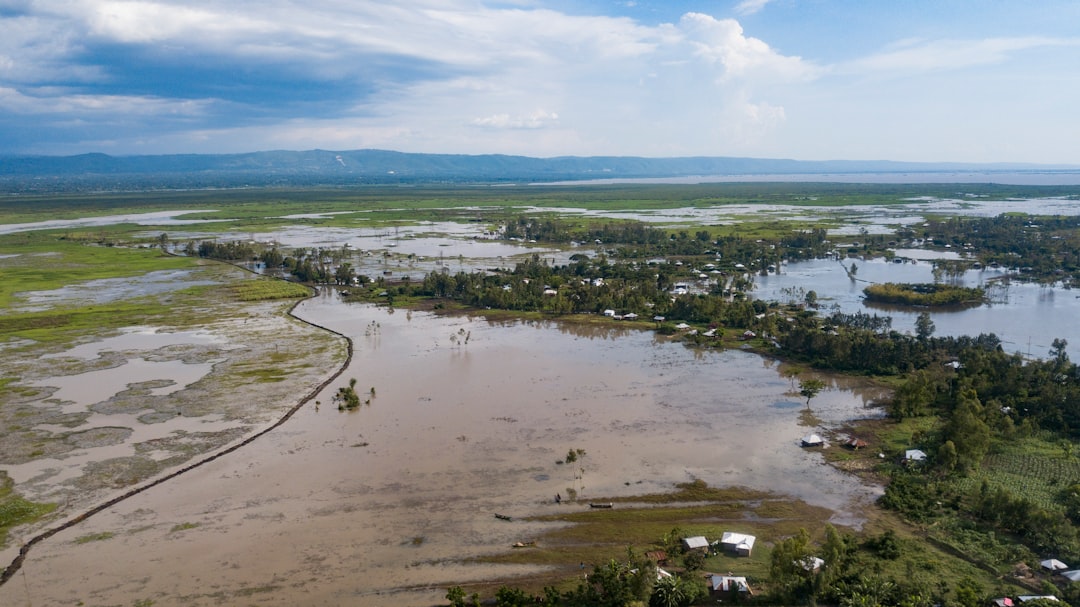
Climate change has emerged as a significant driver of increased flood risks across the globe. As global temperatures rise, the frequency and intensity of extreme weather events, including heavy rainfall and storms, have escalated. This phenomenon is not merely a future concern; it is a present reality that communities are grappling with today.
The warming atmosphere holds more moisture, leading to heavier precipitation events that can overwhelm drainage systems and natural waterways. Consequently, areas that were once considered safe from flooding are now facing unprecedented challenges, necessitating a comprehensive understanding of how climate change alters flood dynamics. Moreover, the melting of glaciers and polar ice caps contributes to rising sea levels, further exacerbating the risk of coastal flooding.
Low-lying regions are particularly vulnerable, as they face the dual threat of increased rainfall and encroaching seas. The interplay between these factors creates a complex web of risks that can lead to catastrophic flooding events. Understanding this impact is crucial for developing effective flood management strategies and ensuring that communities are prepared for the challenges posed by a changing climate.
Key Takeaways
- Climate change increases flood risks, necessitating a clear understanding of its impacts.
- Identifying vulnerable areas and populations is crucial for targeted flood risk management.
- Sustainable strategies, including nature-based solutions, enhance flood resilience.
- Early warning systems and resilient infrastructure are key to reducing flood damage.
- Collaboration, integrated planning, and secured funding are essential for effective adaptation and preparedness.
Identifying Vulnerable Areas and Populations
Identifying areas and populations most at risk from flooding is a critical step in addressing the challenges posed by climate change. Vulnerability assessments must consider various factors, including geographic location, socioeconomic status, and existing infrastructure. Low-income communities often bear the brunt of flooding due to inadequate housing and limited access to resources for recovery.
These populations may lack the financial means to invest in flood-resistant infrastructure or to relocate to safer areas, making them particularly susceptible to the impacts of climate change. In addition to socioeconomic factors, geographic features play a significant role in determining vulnerability. Regions situated near rivers, lakes, or coastlines are inherently at greater risk of flooding.
Urban areas with poor drainage systems can exacerbate flooding during heavy rainfall events. By mapping these vulnerable areas and populations, policymakers can prioritize resources and interventions to mitigate risks effectively. This targeted approach ensures that those who need assistance the most receive it in a timely manner.
Implementing Sustainable Flood Management Strategies
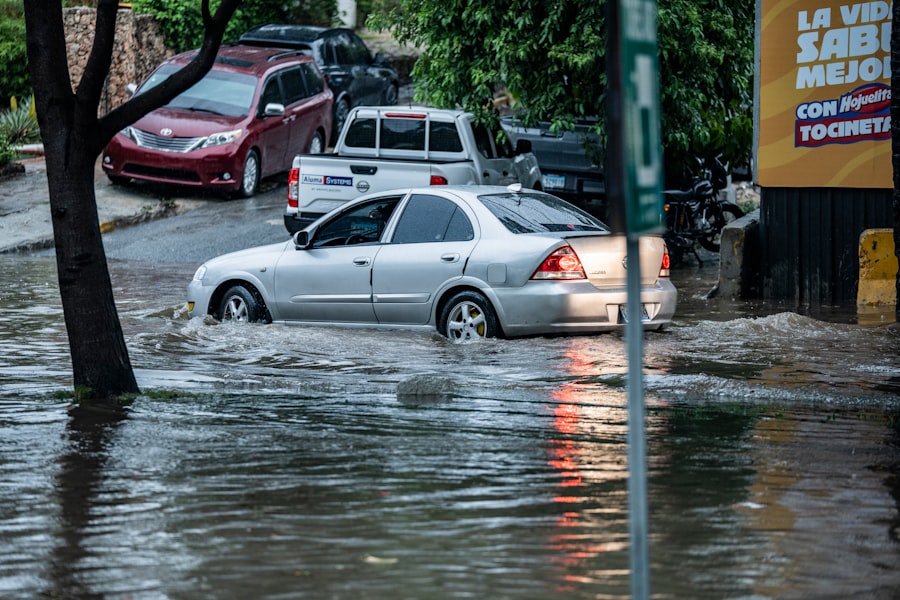
Sustainable flood management strategies are essential for addressing the challenges posed by climate change while promoting environmental stewardship. Traditional flood management approaches often focus on hard infrastructure solutions, such as levees and dams, which can be costly and may have unintended ecological consequences. In contrast, sustainable strategies emphasize the importance of working with natural systems to manage water flow and reduce flood risks.
One effective sustainable strategy involves restoring wetlands and natural floodplains, which can absorb excess water during heavy rainfall events. These ecosystems not only provide a buffer against flooding but also support biodiversity and improve water quality. Additionally, implementing green infrastructure solutions, such as permeable pavements and rain gardens, can enhance urban resilience by allowing rainwater to infiltrate the ground rather than overwhelming drainage systems.
By integrating these sustainable practices into flood management plans, communities can create a more resilient future while preserving vital ecosystems.
Investing in Early Warning Systems
| Metric | Description | Impact | Example Value |
|---|---|---|---|
| Cost of Implementation | Initial investment required to set up early warning systems | Determines feasibility and scale of deployment | 5 million |
| Coverage Area | Geographical area monitored by the system | Extent of population and infrastructure protected | 100,000 sq km |
| Population Protected | Number of people benefiting from early warnings | Measures social impact and risk reduction | 2 million |
| Warning Lead Time | Time between alert issuance and event occurrence | Allows for timely evacuation and preparation | 6 hours |
| Reduction in Disaster Losses | Percentage decrease in economic and human losses | Effectiveness of the system in mitigating impact | 30% |
| Maintenance Cost | Annual cost to maintain and operate the system | Ongoing financial requirement | 500,000 |
| False Alarm Rate | Percentage of alerts that do not correspond to actual events | Affects public trust and response effectiveness | 5% |
| Response Time Improvement | Reduction in time taken by emergency services to respond | Enhances disaster management efficiency | 20% |
Investing in early warning systems is a crucial component of effective flood risk management. These systems provide timely information about impending floods, allowing communities to prepare and respond appropriately. Advances in technology have made it possible to develop sophisticated forecasting models that can predict rainfall patterns and river levels with increasing accuracy.
By leveraging data from satellites, weather stations, and hydrological models, early warning systems can provide critical alerts to at-risk populations. The implementation of these systems requires collaboration among various stakeholders, including government agencies, meteorological organizations, and local communities. Public awareness campaigns are also essential to ensure that residents understand how to respond to warnings effectively.
When communities are equipped with knowledge and resources, they can take proactive measures to protect themselves and their property from flooding. Ultimately, investing in early warning systems not only saves lives but also reduces economic losses associated with flood events.
Building Resilient Infrastructure
Building resilient infrastructure is paramount in mitigating the impacts of climate change on flood risks. Infrastructure that can withstand extreme weather events is essential for protecting communities and ensuring their long-term sustainability. This involves not only constructing new buildings and roads with flood-resistant materials but also retrofitting existing structures to enhance their resilience.
Incorporating climate projections into infrastructure planning is vital for ensuring that new developments are equipped to handle future conditions. For instance, elevating buildings in flood-prone areas or designing drainage systems that can accommodate increased rainfall are proactive measures that can significantly reduce vulnerability. Additionally, engaging engineers and urban planners in discussions about climate resilience can lead to innovative solutions that prioritize safety while promoting sustainable development.
Promoting Nature-Based Solutions
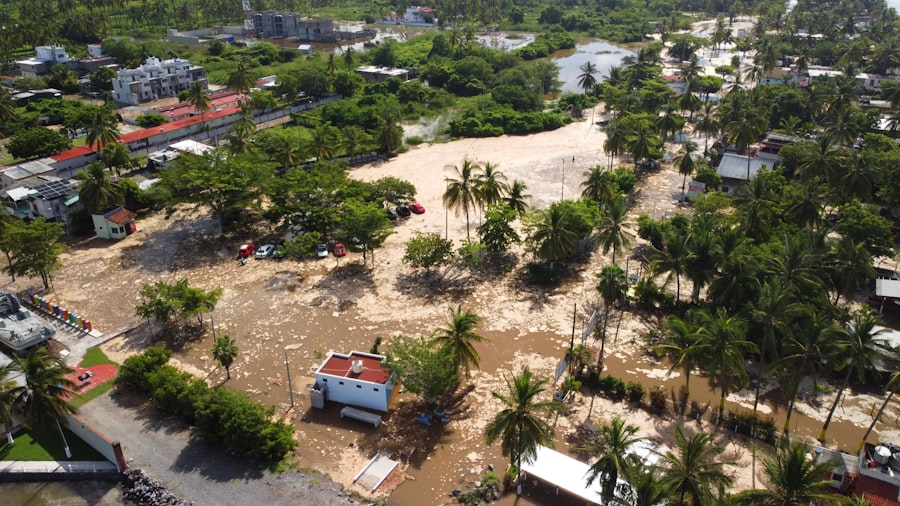
Nature-based solutions (NbS) offer an innovative approach to flood risk management by harnessing the power of natural ecosystems to mitigate flooding impacts. These solutions focus on preserving and restoring natural landscapes, such as forests, wetlands, and coastal ecosystems, which play a crucial role in regulating water flow and absorbing excess rainfall. By promoting NbS, communities can enhance their resilience while simultaneously benefiting from the ecological services these environments provide.
For example, reforestation efforts can help stabilize soil and reduce runoff during heavy rains, while restoring mangroves along coastlines can protect against storm surges and erosion. Implementing green roofs and urban green spaces can also contribute to managing stormwater in urban areas. By integrating nature-based solutions into flood management strategies, communities not only address immediate flood risks but also foster biodiversity and improve overall environmental health.
Collaborating with Local Communities and Stakeholders
Collaboration with local communities and stakeholders is essential for effective flood risk management in the face of climate change. Engaging residents in the planning process ensures that their unique knowledge and experiences inform decision-making. Local communities often possess valuable insights into historical flooding patterns and vulnerabilities that may not be captured through data alone.
Building partnerships with various stakeholders—such as government agencies, non-profit organizations, businesses, and academic institutions—can enhance the effectiveness of flood management initiatives. Collaborative efforts can lead to more comprehensive solutions that address the diverse needs of affected populations. Furthermore, fostering a sense of ownership among community members encourages active participation in resilience-building efforts, ultimately leading to stronger social cohesion and improved outcomes during flood events.
Integrating Climate Change Adaptation into Urban Planning
Integrating climate change adaptation into urban planning is crucial for creating resilient cities capable of withstanding future flood risks. Urban planners must consider climate projections when designing infrastructure and land use policies to ensure that developments are equipped to handle increased rainfall and rising sea levels. This proactive approach involves assessing vulnerabilities within urban areas and implementing strategies that promote resilience.
Zoning regulations can be adjusted to restrict development in high-risk flood zones while encouraging green spaces that absorb stormwater runoff. Additionally, incorporating climate adaptation measures into public transportation planning can enhance accessibility during emergencies while reducing reliance on fossil fuels. By embedding climate considerations into urban planning processes, cities can create environments that not only withstand flooding but also thrive in a changing climate.
Incorporating Flood Risk Management into Disaster Preparedness Plans
Incorporating flood risk management into disaster preparedness plans is essential for ensuring that communities are equipped to respond effectively during emergencies. Comprehensive disaster preparedness plans should include clear protocols for evacuation, communication strategies for disseminating information, and resource allocation for emergency response teams. By integrating flood risk management into these plans, communities can enhance their overall resilience.
Training programs for emergency responders should emphasize the unique challenges posed by flooding events, including swift water rescue techniques and coordination with local agencies. Public education campaigns can also play a vital role in preparing residents for potential flooding scenarios by providing information on evacuation routes and safety measures. Ultimately, a well-prepared community is better positioned to minimize loss of life and property during flood events.
Monitoring and Evaluating the Effectiveness of Adaptation Measures
Monitoring and evaluating the effectiveness of adaptation measures is critical for ensuring that flood risk management strategies remain relevant in a changing climate. Continuous assessment allows communities to identify successful interventions while also recognizing areas for improvement. This iterative process involves collecting data on flood events, analyzing the performance of implemented measures, and adjusting strategies based on observed outcomes.
Engaging stakeholders in this evaluation process fosters transparency and accountability while encouraging collaboration among various sectors.
This commitment to ongoing evaluation not only enhances resilience but also builds trust among community members who rely on effective adaptation measures for their safety.
Securing Funding for Climate Change Adaptation and Flood Risk Management
Securing funding for climate change adaptation and flood risk management is a significant challenge faced by many communities worldwide. Governments at all levels must prioritize investment in resilience-building initiatives to ensure that vulnerable populations receive the support they need. This funding can come from various sources, including federal grants, private sector investments, and international aid programs aimed at addressing climate-related challenges.
Innovative financing mechanisms, such as green bonds or public-private partnerships, can also play a crucial role in mobilizing resources for adaptation projects. By demonstrating the long-term economic benefits of investing in resilience—such as reduced disaster recovery costs—communities can make a compelling case for funding support. Ultimately, securing adequate financial resources is essential for implementing effective flood risk management strategies that protect lives and livelihoods in an era of climate change.
Adapting to climate change floods is a pressing issue that communities around the world are facing. One insightful article that discusses various strategies for resilience and adaptation is available at this link. It explores innovative approaches to flood management and highlights the importance of community engagement in developing effective solutions.
WATCH THIS! The $50 Billion Lie: America’s Dams Are About to Fail (60-Minute Documentary)
FAQs
What is climate change flooding?
Climate change flooding refers to increased flooding events caused by changes in the climate system, including rising sea levels, more intense and frequent heavy rainfall, and altered weather patterns.
Why is adapting to climate change floods important?
Adapting to climate change floods is crucial to reduce damage to infrastructure, protect human lives, safeguard ecosystems, and maintain economic stability in vulnerable communities.
What are common strategies for adapting to floods caused by climate change?
Common adaptation strategies include building flood defenses (like levees and seawalls), improving drainage systems, restoring natural wetlands, implementing early warning systems, and adopting flood-resilient building designs.
How can communities prepare for increased flood risks?
Communities can prepare by developing emergency response plans, educating residents about flood risks, investing in resilient infrastructure, enforcing zoning laws that prevent construction in flood-prone areas, and promoting sustainable land use practices.
What role do natural ecosystems play in flood adaptation?
Natural ecosystems such as wetlands, mangroves, and forests act as natural buffers by absorbing excess water, reducing flood peaks, and protecting shorelines from erosion, thereby playing a vital role in flood adaptation.
Can individual actions help in adapting to climate change floods?
Yes, individuals can contribute by staying informed about flood risks, preparing emergency kits, elevating homes or utilities, using flood-resistant materials, and supporting community resilience initiatives.
How does urban planning influence flood adaptation?
Urban planning can reduce flood risks by incorporating green infrastructure, ensuring proper drainage, restricting development in flood-prone zones, and designing cities to manage stormwater effectively.
Are there financial tools available to support flood adaptation?
Yes, financial tools include insurance schemes, government grants, disaster relief funds, and investments in resilient infrastructure projects to help communities and individuals manage flood risks.
What challenges exist in adapting to climate change floods?
Challenges include limited funding, lack of public awareness, inadequate infrastructure, competing land use demands, and uncertainties in climate projections that complicate planning efforts.
How does climate change affect the frequency and severity of floods?
Climate change increases the frequency and severity of floods by intensifying rainfall events, accelerating glacier melt, raising sea levels, and altering weather patterns that contribute to more extreme flooding incidents.