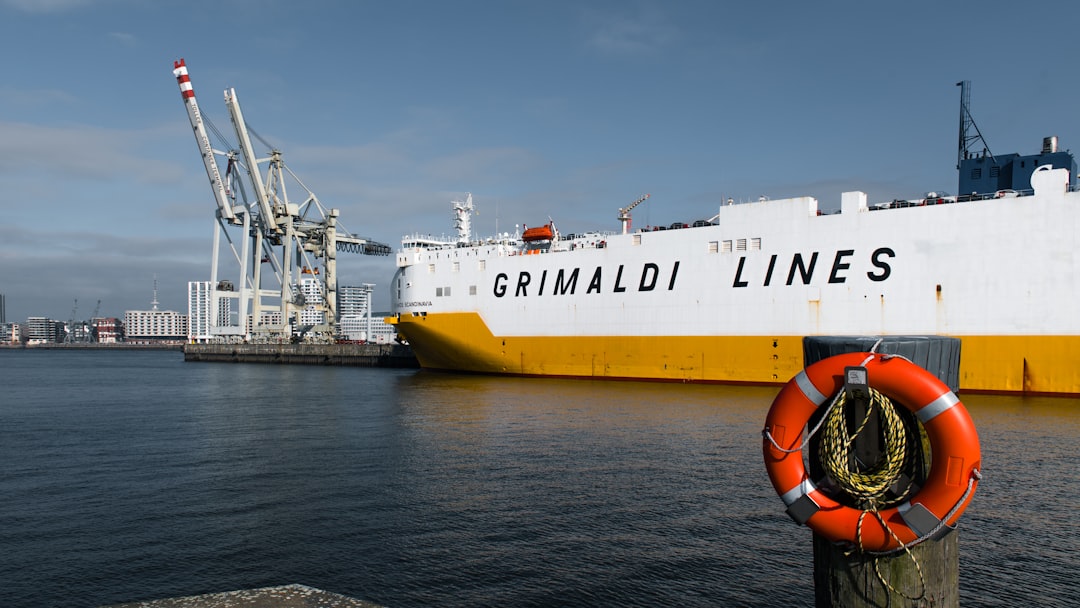
Shipping lane closures have become a significant concern in the global maritime industry, affecting not only the movement of goods but also the broader economic landscape. These closures can arise from various factors, including geopolitical tensions, natural disasters, and regulatory changes. As the world becomes increasingly interconnected, the implications of such disruptions extend far beyond the immediate vicinity of the affected areas.
Understanding the reasons behind these closures and their far-reaching consequences is essential for stakeholders across multiple sectors. The maritime industry plays a crucial role in facilitating international trade, with shipping lanes serving as the arteries of global commerce. When these lanes are obstructed, whether temporarily or permanently, the ripple effects can be profound.
The complexities of modern supply chains mean that even minor disruptions can lead to significant delays and increased costs. As such, it is imperative to explore the multifaceted impacts of shipping lane closures on economies, environments, and communities worldwide.
Key Takeaways
- Shipping lane closures significantly disrupt global trade and supply chains, leading to economic losses.
- Environmental consequences include increased emissions and potential harm to marine ecosystems due to rerouted traffic.
- Local communities dependent on maritime activities face economic and social challenges from prolonged closures.
- Political tensions often arise from shipping lane closures, affecting international relations and diplomacy.
- Mitigation strategies involve diversifying routes, enhancing logistics resilience, and international cooperation.
Economic Impact of Shipping Lane Closures
The economic ramifications of shipping lane closures are immediate and often severe. When a key shipping route is blocked, it can lead to increased shipping costs as vessels are forced to take longer alternative routes. This not only affects shipping companies but also has a cascading effect on businesses that rely on timely deliveries of goods.
Moreover, the economic impact extends to consumers as well. Increased shipping costs are typically passed down the supply chain, resulting in higher prices for goods.
This inflationary pressure can strain household budgets and reduce consumer spending, further exacerbating economic challenges. In regions heavily reliant on maritime trade, prolonged shipping lane closures can lead to job losses and economic downturns, highlighting the interconnectedness of global trade and local economies.
Environmental Impact of Shipping Lane Closures
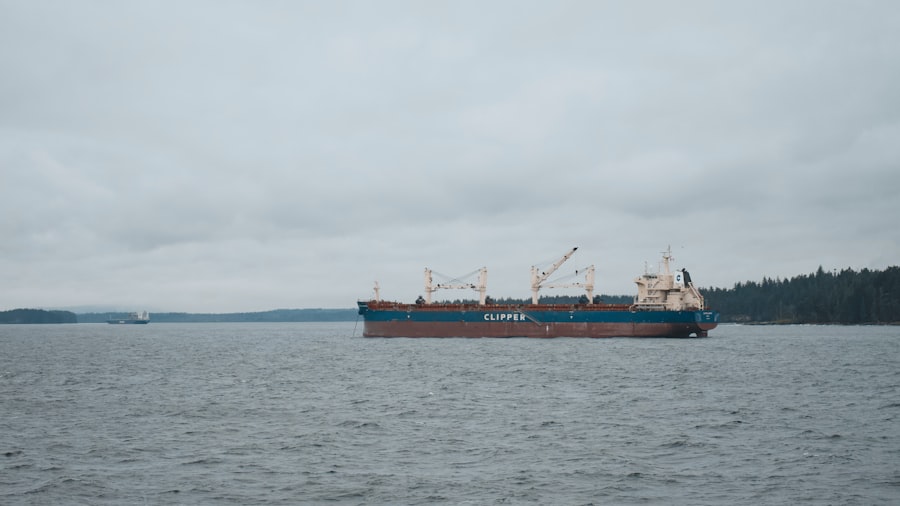
Shipping lane closures also pose significant environmental challenges. When vessels are rerouted due to closed lanes, they often travel longer distances, leading to increased fuel consumption and higher greenhouse gas emissions. This unintended consequence undermines global efforts to combat climate change and protect marine ecosystems.
The maritime industry has been under pressure to adopt more sustainable practices, and closures can hinder progress toward these goals. Additionally, the environmental impact is not limited to emissions alone. Rerouted ships may traverse sensitive marine habitats, increasing the risk of oil spills and other forms of pollution.
The disruption of established shipping routes can also lead to increased maritime traffic in previously less-trafficked areas, heightening the potential for accidents and ecological damage.
Impact on Global Trade
The impact of shipping lane closures on global trade cannot be overstated. These disruptions can lead to significant delays in the delivery of goods, affecting everything from consumer products to critical supplies such as food and medicine. In an era where just-in-time inventory systems are prevalent, even minor delays can have cascading effects throughout the supply chain.
Businesses may find themselves unable to meet customer demand, leading to lost sales and diminished market share. Furthermore, shipping lane closures can alter trade patterns and relationships between countries. Nations that rely heavily on specific routes for imports and exports may seek alternative partners or markets in response to disruptions.
This shift can lead to long-term changes in trade dynamics, potentially reshaping global economic alliances. As countries adapt to new realities, the landscape of international trade may evolve in ways that are difficult to predict.
Impact on Supply Chain and Logistics
| Consequence | Description | Impact on Shipping | Estimated Delay | Economic Effect |
|---|---|---|---|---|
| Increased Transit Time | Ships must take longer alternative routes | Delays in delivery schedules | 2-7 days | Higher operational costs |
| Congestion at Alternative Routes | Higher traffic in other lanes causes bottlenecks | Slower vessel movement and waiting times | 1-3 days | Reduced port efficiency |
| Increased Fuel Consumption | Longer routes require more fuel | Higher fuel expenses for shipping companies | N/A | Increased environmental impact |
| Supply Chain Disruptions | Delays affect downstream logistics and inventory | Potential shortages and stockouts | Varies by industry | Loss of revenue for businesses |
| Increased Insurance Premiums | Higher risk due to rerouting and delays | Additional costs for shipping operators | N/A | Increased overall shipping costs |
| Environmental Risks | Potential for accidents in unfamiliar or congested waters | Risk of spills and ecological damage | N/A | Long-term environmental cleanup costs |
The logistics sector is particularly vulnerable to the effects of shipping lane closures. Supply chains are intricately designed networks that depend on timely transportation of goods across various modes of transport. When a shipping lane is closed, logistics managers must quickly devise alternative plans to ensure that products reach their destinations without significant delays.
This often involves rerouting shipments, which can increase costs and complicate logistics operations. Moreover, the unpredictability associated with shipping lane closures can lead to inventory management challenges. Companies may struggle to maintain optimal stock levels when faced with uncertain delivery timelines.
This can result in either excess inventory or stockouts, both of which carry financial implications. The need for flexibility and adaptability in supply chain management becomes paramount in navigating the complexities introduced by shipping lane disruptions.
Impact on Shipping Industry
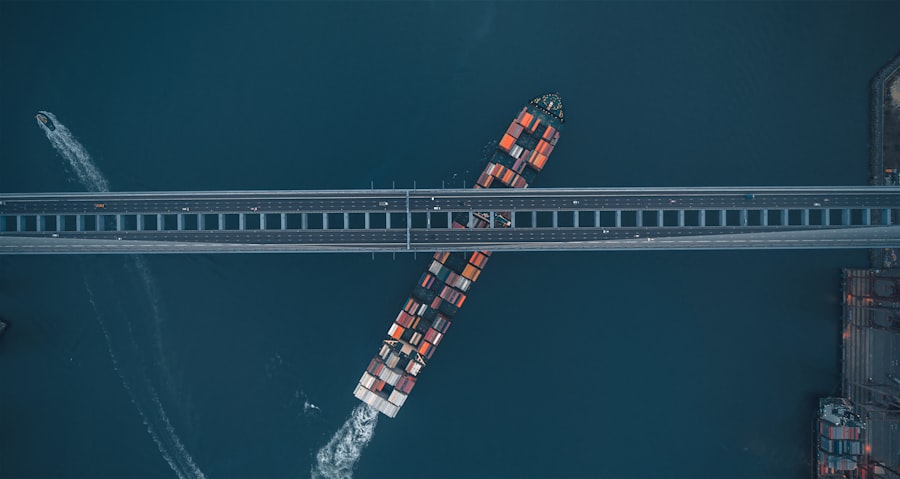
The shipping industry itself bears a significant burden when lanes are closed. Shipping companies may experience immediate financial losses due to increased operational costs associated with rerouting vessels or idling ships that cannot access blocked lanes. Additionally, prolonged disruptions can lead to a loss of customer trust as businesses grapple with delays in service delivery.
In response to these challenges, shipping companies may need to reevaluate their operational strategies and invest in more resilient infrastructure. This could involve diversifying routes or enhancing communication systems to better respond to unexpected closures. The industry’s ability to adapt will be crucial in maintaining competitiveness in an increasingly volatile global market.
Impact on Local Communities
Local communities situated near major shipping lanes often feel the effects of closures acutely. Many communities depend on maritime trade for their livelihoods, with jobs tied directly to port operations and related industries. When shipping lanes are disrupted, local economies can suffer as businesses face reduced activity and potential layoffs.
Moreover, the social fabric of these communities may be impacted as residents grapple with economic uncertainty. The loss of jobs can lead to increased stress and anxiety among families, affecting overall well-being. Community leaders may need to step in to provide support and resources during times of disruption, highlighting the importance of resilience at the local level.
Political and Diplomatic Impact of Shipping Lane Closures
Shipping lane closures often have political and diplomatic ramifications that extend beyond economic concerns. Geopolitical tensions can escalate when key maritime routes are blocked, leading to disputes between nations over access and control. Such situations can strain diplomatic relations and complicate international negotiations.
Furthermore, countries may respond to shipping lane disruptions by increasing military presence in strategic waterways or forming alliances with other nations to secure trade routes. This militarization of maritime spaces can heighten tensions and create an atmosphere of uncertainty in international relations. As nations navigate these complex dynamics, the interplay between trade and diplomacy becomes increasingly critical.
Strategies for Mitigating the Impact of Shipping Lane Closures
To address the challenges posed by shipping lane closures, stakeholders must develop proactive strategies aimed at mitigating their impact. One approach involves investing in alternative transportation infrastructure that can provide redundancy in case of disruptions. This could include enhancing rail networks or developing inland ports that facilitate cargo movement when maritime routes are compromised.
Additionally, fostering collaboration among industry players is essential for building resilience within supply chains. Sharing information about potential disruptions and developing contingency plans can help businesses respond more effectively when faced with unexpected challenges. By working together, stakeholders can create a more robust framework for navigating the complexities of global trade.
Case Studies of Significant Shipping Lane Closures
Several notable case studies illustrate the profound impact of shipping lane closures on global trade and economies. One such example is the blockage of the Suez Canal by the Ever Given container ship in March 2021. The incident caused a massive backlog of vessels waiting to transit through one of the world’s most vital trade routes, leading to billions of dollars in losses and highlighting vulnerabilities within global supply chains.
Another significant case occurred during geopolitical tensions in the South China Sea, where military maneuvers led to temporary restrictions on shipping lanes. These closures not only disrupted trade but also heightened regional tensions as countries navigated competing interests in this strategically important area.
Conclusion and Future Outlook for Shipping Lane Closures
In conclusion, shipping lane closures present a multifaceted challenge that impacts economies, environments, communities, and international relations alike. As global trade continues to evolve in response to changing dynamics, stakeholders must remain vigilant in addressing potential disruptions while fostering resilience within supply chains. Looking ahead, it is likely that shipping lane closures will remain a pressing issue as geopolitical tensions persist and environmental concerns grow.
By investing in infrastructure improvements and fostering collaboration among industry players, stakeholders can better prepare for future challenges while ensuring that global trade remains robust and sustainable in an increasingly interconnected world.
The closure of key shipping lanes can have significant repercussions on global trade, affecting everything from supply chains to commodity prices. For a deeper understanding of these consequences, you can read more in this related article on the topic: Shipping Lane Closure Consequences.
WATCH THIS! 🌍 THE $15 TRILLION GAMBLE: What Happens If The Strait of Malacca Closes For One Week?
FAQs
What are the primary reasons for shipping lane closures?
Shipping lane closures can occur due to various reasons including severe weather conditions, maritime accidents, military exercises, environmental protection measures, or geopolitical conflicts.
How do shipping lane closures affect global trade?
Closures can disrupt the flow of goods, leading to delays in delivery, increased shipping costs, and potential shortages of products in affected regions, thereby impacting global supply chains.
What economic impacts result from shipping lane closures?
Economic impacts include increased fuel consumption due to longer alternative routes, higher insurance premiums, potential loss of perishable goods, and overall increased costs for exporters and importers.
How do shipping lane closures impact the environment?
While closures may temporarily reduce traffic and emissions in certain areas, rerouting ships can lead to increased fuel use and emissions elsewhere. Additionally, closures for environmental protection can help preserve sensitive marine ecosystems.
What are the safety concerns associated with shipping lane closures?
Closures can lead to congestion in alternative routes, increasing the risk of collisions and accidents. They may also complicate search and rescue operations and emergency responses.
How do shipping companies adapt to lane closures?
Shipping companies may reroute vessels, adjust schedules, increase communication with port authorities, and implement contingency plans to minimize delays and costs.
Are there international regulations governing shipping lane closures?
Yes, international bodies like the International Maritime Organization (IMO) provide guidelines and regulations to manage shipping lane closures, ensuring safety and minimizing disruption to maritime traffic.
Can shipping lane closures have geopolitical implications?
Yes, closures in strategic waterways can escalate tensions between countries, affect diplomatic relations, and influence global maritime security dynamics.
How long do shipping lane closures typically last?
The duration varies widely depending on the cause, ranging from a few hours or days for temporary hazards to months or longer for significant geopolitical or environmental issues.
What measures are in place to inform mariners about shipping lane closures?
Notices to Mariners, maritime safety information broadcasts, and updates from port authorities and maritime organizations are used to inform vessels about closures and navigational changes.