
The Malacca Strait, a narrow stretch of water between the Malay Peninsula and the Indonesian island of Sumatra, serves as one of the most significant maritime passages in the world. Spanning approximately 550 miles, this strait connects the Andaman Sea to the South China Sea, facilitating a vital link for international shipping routes. Its strategic location has made it a focal point for maritime trade, with vessels traversing its waters carrying goods between Europe, Asia, and beyond.
The strait’s historical significance dates back centuries, having been a crucial trade route since the days of ancient maritime empires. The Malacca Strait is not only notable for its geographical importance but also for its rich cultural and ecological diversity. The surrounding regions are home to various ecosystems, including mangroves and coral reefs, which support a wide array of marine life.
As a result, the strait has become a hub for both economic activity and environmental conservation efforts. However, the increasing volume of maritime traffic poses challenges that require careful navigation and management to ensure the strait remains a safe and sustainable passage for future generations.
Key Takeaways
- The Malacca Strait is a critical maritime passage connecting major global trade routes.
- It faces significant challenges including piracy, security threats, and environmental concerns.
- Navigating the strait requires advanced strategies and technological innovations to ensure safety and efficiency.
- The strait has profound economic and geopolitical implications for regional and global powers.
- Sustainable management and international cooperation are essential for the strait’s future in global trade.
Importance of the Malacca Strait in the Global Economy
The Malacca Strait plays a pivotal role in the global economy, serving as a critical artery for international trade. Approximately one-third of global maritime trade passes through this narrow waterway, making it one of the busiest shipping lanes in the world. The strait is particularly vital for the transportation of oil and liquefied natural gas (LNG), with significant quantities of these resources being shipped from the Middle East to energy-hungry markets in Asia.
The economic implications of this trade are profound, as countries reliant on these energy supplies depend on the uninterrupted flow of goods through the strait. Moreover, the Malacca Strait is essential for the movement of consumer goods, raw materials, and manufactured products. Major economies such as China, Japan, and South Korea rely heavily on this route to facilitate their import and export activities.
The efficiency of shipping through the Malacca Strait directly impacts global supply chains, influencing everything from production costs to retail prices. As such, any disruptions in this vital passage can have far-reaching consequences for economies around the world.
Challenges of Navigating the Malacca Strait
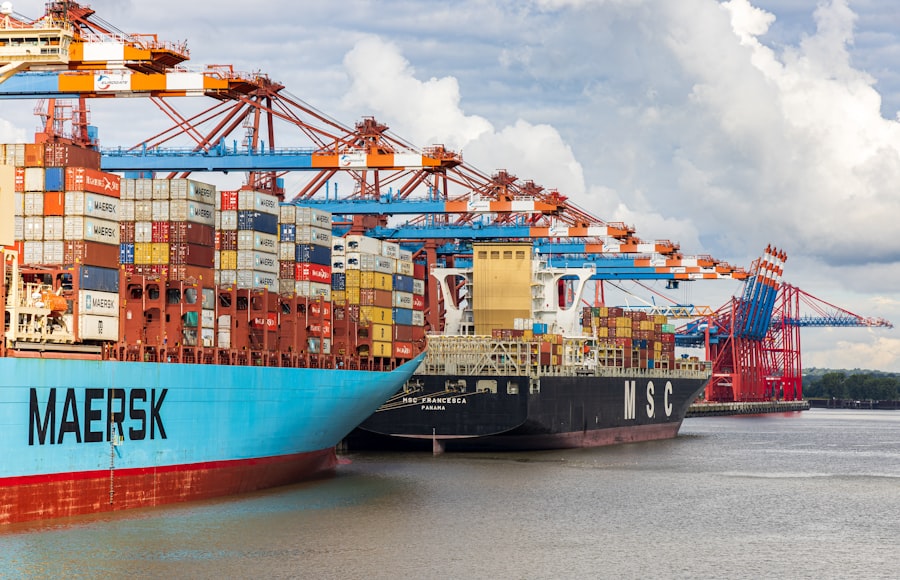
Navigating the Malacca Strait presents several challenges that mariners must contend with regularly. One of the primary concerns is the strait’s narrow width and complex geography, which can make navigation difficult, especially for larger vessels. The presence of numerous islands and shallow waters adds to the complexity, requiring skilled pilots and advanced navigational tools to ensure safe passage.
Another significant challenge is the sheer volume of maritime traffic that converges in the strait. With thousands of ships passing through each year, congestion can lead to delays and increased risks of accidents.
The potential for collisions or groundings is heightened in such a busy environment, necessitating stringent traffic management measures. Authorities in the region have implemented various strategies to mitigate these risks, but ongoing vigilance is essential to maintain safety in this critical maritime corridor.
Environmental Concerns in the Malacca Strait
The ecological health of the Malacca Strait is under constant threat due to human activities and environmental changes.
These pollutants can have devastating effects on marine ecosystems, harming fish populations and disrupting delicate habitats.
Furthermore, increased shipping traffic contributes to noise pollution, which can interfere with marine life communication and behavior. In addition to pollution concerns, climate change poses a significant threat to the Malacca Strait’s environment. Rising sea levels and changing weather patterns can alter coastal ecosystems and impact local communities that depend on these resources for their livelihoods.
Conservation efforts are crucial to protect the strait’s unique biodiversity and ensure that it remains a sustainable resource for future generations. Collaborative initiatives among regional governments, environmental organizations, and shipping industries are essential to address these pressing environmental challenges.
Piracy and Security Issues in the Malacca Strait
| Metric | Value | Unit | Notes |
|---|---|---|---|
| Annual Shipping Traffic | 100,000 | Vessels | Approximate number of vessels passing through the Strait of Malacca annually |
| Percentage of Global Trade | 25 | % | Share of global maritime trade volume passing through the Strait |
| Oil Transit Volume | 15 | Million Barrels per Day | Estimated volume of oil transported through the Strait daily |
| Economic Impact on Regional GDP | 120 | Billion USD | Estimated annual contribution to GDP of countries bordering the Strait |
| Average Transit Time | 1.5 | Days | Average time for vessels to transit the Strait of Malacca |
| Incidents of Piracy | 30 | Incidents per Year | Reported piracy and armed robbery incidents in recent years |
Piracy has long been a concern in the Malacca Strait, with its strategic location making it an attractive target for criminal activities. Despite significant efforts by regional governments to enhance security measures, incidents of piracy continue to pose risks to vessels navigating these waters. Criminals often exploit the strait’s narrow passages and heavy traffic to launch attacks on commercial ships, leading to thefts and hostage situations that threaten crew safety and cargo security.
In response to these security challenges, various international collaborations have emerged to combat piracy in the region. Naval patrols and surveillance operations have been intensified to deter potential attacks and ensure safe passage for vessels. Additionally, shipping companies are increasingly investing in security measures such as onboard security teams and advanced tracking technologies to protect their assets while navigating through this high-risk area.
Impact of the Malacca Strait on Global Trade

The impact of the Malacca Strait on global trade cannot be overstated. As one of the busiest maritime corridors in the world, it serves as a lifeline for international commerce. The strait facilitates not only the movement of goods but also fosters economic interdependence among nations.
Countries that rely on this route for trade benefit from reduced shipping times and costs, enhancing their competitiveness in global markets. Moreover, disruptions in the Malacca Strait can have immediate repercussions on global supply chains. Events such as accidents or geopolitical tensions can lead to delays that ripple through various industries worldwide.
For instance, a blockage in the strait could result in increased shipping costs as vessels are forced to take longer alternative routes. This interconnectedness underscores the importance of maintaining stability and security in this vital maritime passage.
Strategies for Navigating the Malacca Strait
To navigate the complexities of the Malacca Strait effectively, various strategies have been developed by maritime authorities and shipping companies alike. One key approach involves implementing advanced traffic management systems that monitor vessel movements in real-time. These systems help optimize navigation routes, reduce congestion, and enhance safety by providing timely information about weather conditions and potential hazards.
Additionally, collaboration among regional stakeholders is crucial for ensuring safe navigation through the strait. Joint exercises involving naval forces from neighboring countries help improve coordination in responding to emergencies or security threats. Furthermore, educational programs aimed at raising awareness among mariners about best practices for navigating this challenging waterway contribute to overall safety and efficiency.
Technological Advancements in Navigating the Malacca Strait
Technological advancements have significantly transformed navigation practices in the Malacca Strait over recent years. The integration of sophisticated navigational tools such as GPS systems and electronic chart display systems has enhanced mariners’ ability to navigate safely through this busy waterway. These technologies provide real-time data on vessel positions, water depths, and potential obstacles, allowing for more informed decision-making during transit.
Moreover, innovations in communication technology have improved coordination among vessels operating in the strait. Enhanced communication systems enable ships to share information about their movements and any emerging hazards promptly. This collaborative approach not only enhances safety but also contributes to more efficient traffic management within this critical maritime corridor.
Economic Implications of the Malacca Strait
The economic implications of the Malacca Strait extend beyond its role as a shipping route; it also influences regional economies significantly. Countries bordering the strait benefit from increased trade opportunities and foreign investment due to their strategic location along this vital passageway. Ports situated along the strait have experienced growth as they serve as key transshipment hubs for goods moving between Asia and other parts of the world.
Furthermore, fluctuations in shipping traffic through the Malacca Strait can impact local economies dependent on maritime activities. For instance, an increase in trade may lead to job creation within port facilities and related industries, while disruptions could result in economic downturns for communities reliant on shipping-related employment. As such, understanding these economic dynamics is essential for policymakers seeking to promote sustainable development in the region.
Geopolitical Considerations in the Malacca Strait
The geopolitical significance of the Malacca Strait cannot be overlooked, as it serves as a focal point for regional power dynamics and international relations. The strait’s strategic location has made it a point of interest for various nations seeking to secure their maritime interests. Tensions may arise over territorial claims or control over shipping routes, necessitating diplomatic efforts to maintain stability in this critical area.
Additionally, major powers such as China and India have increasingly recognized the importance of securing their interests in the Malacca Strait due to its role in energy transportation and trade routes. This has led to heightened military presence and strategic partnerships among nations operating in or near this vital waterway. As geopolitical considerations continue to evolve, maintaining open lines of communication among stakeholders will be essential for ensuring peace and stability in this crucial maritime corridor.
Navigating the Malacca Strait in the 21st Century
As we move further into the 21st century, navigating the Malacca Strait presents both opportunities and challenges that require careful consideration from all stakeholders involved. Its significance as a major maritime corridor underscores its role in facilitating global trade while also highlighting environmental concerns and security issues that must be addressed collaboratively. The ongoing advancements in technology offer promising solutions for enhancing navigation safety and efficiency within this busy waterway.
Ultimately, fostering cooperation among nations bordering the strait will be essential for ensuring its continued viability as a critical passage for international commerce. By prioritizing sustainable practices and addressing security challenges collectively, stakeholders can work towards preserving this vital maritime route for future generations while maximizing its economic potential on a global scale.
The Malacca Strait is a crucial maritime passage that significantly impacts the global economy, serving as a vital trade route for a substantial portion of the world’s shipping traffic. For a deeper understanding of the geopolitical and economic implications of this strategic waterway, you can read more in the article available at My GeoQuest. This resource provides insights into how the Malacca Strait influences trade dynamics and regional stability.
WATCH THIS! 🌍 THE $15 TRILLION GAMBLE: What Happens If The Strait of Malacca Closes For One Week?
FAQs
What is the Malacca Strait?
The Malacca Strait is a narrow, 890-kilometer-long stretch of water between the Malay Peninsula and the Indonesian island of Sumatra. It is one of the most important shipping lanes in the world, connecting the Indian Ocean to the South China Sea and the Pacific Ocean.
Why is the Malacca Strait important to the global economy?
The Malacca Strait is a critical maritime route for global trade, as it facilitates the transportation of approximately one-quarter of the world’s traded goods, including oil, natural gas, and manufactured products. Its strategic location makes it a key passage for energy supplies and commercial shipping between Asia, Europe, and the Middle East.
What types of goods are commonly transported through the Malacca Strait?
The Malacca Strait primarily sees the transit of crude oil, liquefied natural gas (LNG), coal, palm oil, and various manufactured goods. It is a vital corridor for energy shipments from the Middle East to East Asia, as well as for exports from Southeast Asian countries.
What are the risks associated with shipping through the Malacca Strait?
Shipping through the Malacca Strait faces risks such as piracy, maritime accidents due to narrow and congested waters, and geopolitical tensions. Additionally, environmental concerns arise from potential oil spills and habitat disruption in this ecologically sensitive area.
How does the Malacca Strait impact regional economies?
The Malacca Strait supports the economies of surrounding countries like Malaysia, Indonesia, and Singapore by facilitating trade, providing port services, and generating revenue from shipping-related activities. Its role as a major shipping lane also attracts investment in infrastructure and logistics.
Are there any alternative routes to the Malacca Strait?
Yes, alternative routes include the Lombok Strait and the Sunda Strait, but these are longer and less efficient for large vessels. Some countries are also exploring overland pipelines and rail links to bypass the Malacca Strait to reduce dependency on this chokepoint.
What measures are in place to ensure the security of the Malacca Strait?
Regional cooperation among littoral states includes coordinated patrols, information sharing, and joint exercises to combat piracy and ensure safe navigation. International organizations and navies also contribute to maritime security efforts in the area.
How does the Malacca Strait affect global energy markets?
Since a significant portion of the world’s oil and gas shipments pass through the Malacca Strait, any disruption can impact global energy prices and supply chains. The strait’s security and accessibility are therefore crucial for energy market stability.
What environmental concerns are associated with the Malacca Strait?
The heavy maritime traffic poses risks of oil spills, water pollution, and damage to marine ecosystems. Efforts are ongoing to monitor and mitigate environmental impacts through regulations, shipping lane management, and emergency response preparedness.
How has the Malacca Strait evolved in terms of infrastructure and capacity?
Over the years, ports along the Malacca Strait, especially in Singapore and Malaysia, have expanded and modernized to handle increasing shipping volumes. Navigational aids and traffic management systems have also been enhanced to improve safety and efficiency.