
The Port of Singapore is a critical maritime trade hub, strategically positioned at the intersection of major shipping routes connecting East and West. Its location enables efficient global goods movement and supports international supply chains. The port features modern facilities and advanced logistics systems, consistently ranking among the world’s busiest and most efficient maritime operations.
Serving as Southeast Asia’s primary gateway, the Port of Singapore processes enormous cargo volumes, attracting international shipping companies and logistics operators. Its infrastructure accommodates diverse vessel types, including container ships and bulk carriers, demonstrating its versatility in global trade operations. The port continuously upgrades its facilities and services to maintain its position as a premier global maritime center.
Key Takeaways
- The Port of Singapore is a critical global maritime hub with a rich history and continuous development.
- It plays a vital role in international trade, significantly contributing to Singapore’s economy.
- The port emphasizes sustainability through various environmental initiatives and green technologies.
- Advanced technology and infrastructure support efficient handling of diverse industries and commodities.
- Government policies and security measures ensure the port’s resilience and future growth amid emerging challenges.
History and development of the Port of Singapore
The history of the Port of Singapore is deeply intertwined with the island’s transformation from a small fishing village into a global trading powerhouse.
This strategic decision laid the foundation for Singapore’s rapid growth as a trading post, capitalizing on its advantageous geographical position.
Over the decades, the port underwent significant expansions and modernization efforts, adapting to the changing demands of global trade. In the latter half of the 20th century, Singapore’s government recognized the need for further development to maintain its competitive edge. The establishment of the Port of Singapore Authority (PSA) in 1964 marked a pivotal moment in its history, as it centralized port operations and facilitated coordinated growth.
Investments in infrastructure, such as deep-water berths and advanced container handling facilities, propelled the port into a new era. By embracing technological advancements and innovative practices, the Port of Singapore solidified its status as a leader in maritime logistics.
Importance of the Port of Singapore in global trade
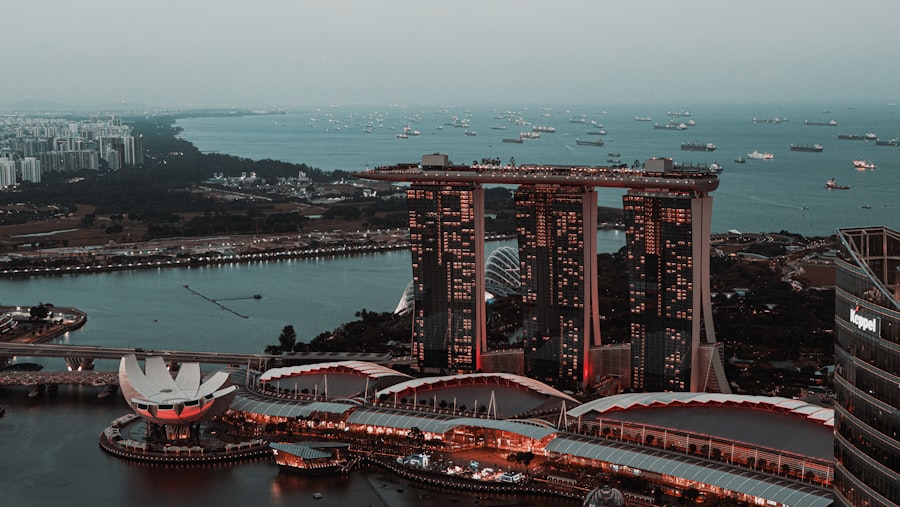
The significance of the Port of Singapore in global trade cannot be overstated. As one of the busiest ports in the world, it serves as a critical transshipment hub for cargo moving between Asia, Europe, and North America. The port’s strategic location allows it to handle a vast array of shipping routes, making it an essential stop for vessels traveling across international waters.
This connectivity not only enhances trade efficiency but also fosters economic growth in both Singapore and its trading partners. Moreover, the Port of Singapore plays a vital role in facilitating regional trade within Southeast Asia. It acts as a conduit for goods moving between neighboring countries, supporting local economies and industries.
The port’s ability to handle diverse cargo types, including containers, bulk commodities, and liquid products, further underscores its importance in meeting the varied needs of global commerce. As trade patterns evolve, the Port of Singapore remains at the forefront, adapting to new challenges and opportunities in an ever-changing landscape.
Economic impact of the Port of Singapore
The economic impact of the Port of Singapore extends far beyond its immediate vicinity; it reverberates throughout the entire nation and beyond. As a key driver of Singapore’s economy, the port contributes significantly to national GDP and employment. The maritime sector alone accounts for a substantial portion of jobs in Singapore, providing livelihoods for thousands of individuals across various industries, including shipping, logistics, and maritime services.
Additionally, the port’s operations generate substantial revenue through port fees, taxes, and related services. This revenue is reinvested into infrastructure development and public services, further enhancing Singapore’s economic resilience. The port also attracts foreign investment, as global shipping companies seek to establish operations in this thriving maritime hub.
By fostering a conducive business environment and promoting trade facilitation measures, the Port of Singapore continues to be a catalyst for economic growth and prosperity.
Environmental initiatives and sustainability efforts at the Port of Singapore
| Metric | Value | Details |
|---|---|---|
| Annual Container Throughput | 37.2 million TEUs (2023) | One of the world’s busiest container ports by volume |
| Number of Shipping Lines | 130+ | Connected to over 600 ports worldwide |
| Transshipment Hub Ranking | Top 3 globally | Major transshipment hub in Southeast Asia |
| Port Connectivity | 600+ ports in 120+ countries | Extensive global network facilitating trade |
| Employment | Over 170,000 jobs | Direct and indirect employment generated by port activities |
| Contribution to GDP | Approximately 7% | Significant contributor to Singapore’s economy |
| Annual Cargo Tonnage | 600+ million tonnes | Includes containerized and bulk cargo |
| Port Area | 1,000+ hectares | One of the largest port areas in the world |
In recent years, there has been an increasing emphasis on environmental sustainability within the maritime industry, and the Port of Singapore is no exception. Recognizing its responsibility to mitigate environmental impacts, the port has implemented various initiatives aimed at promoting sustainable practices. These efforts include reducing greenhouse gas emissions from port operations and encouraging the use of cleaner fuels among shipping companies.
One notable initiative is the adoption of shore power technology, which allows vessels to plug into the port’s electrical grid while docked, reducing their reliance on diesel generators. This not only lowers emissions but also improves air quality in the surrounding areas. Furthermore, the port has invested in green infrastructure projects, such as eco-friendly terminals and energy-efficient lighting systems.
Technological advancements and innovation at the Port of Singapore
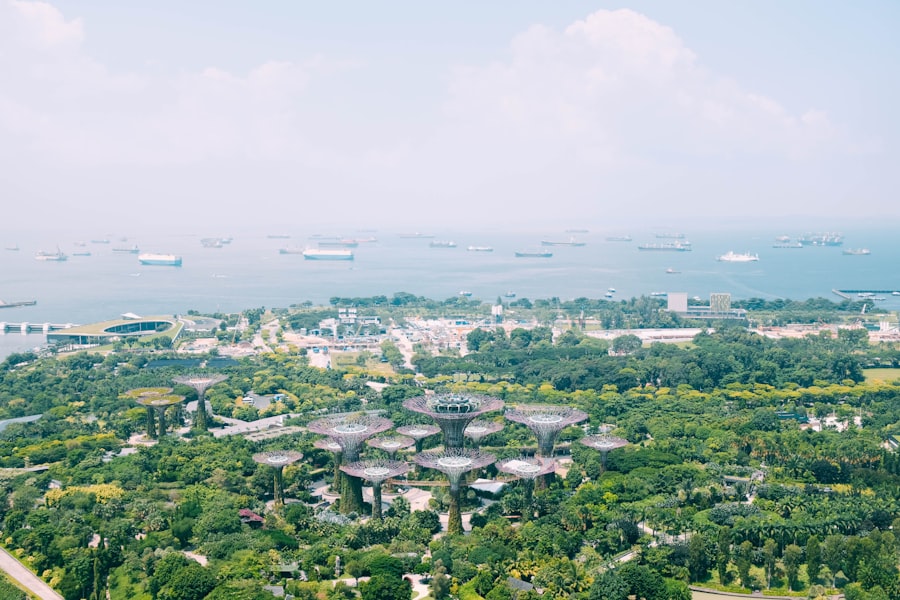
Technological advancements have played a pivotal role in enhancing the efficiency and effectiveness of operations at the Port of Singapore. The integration of cutting-edge technologies has transformed traditional port practices into streamlined processes that maximize productivity. Automation has become a hallmark of modern port operations, with automated cranes and vehicles handling cargo with precision and speed.
Moreover, data analytics and artificial intelligence are increasingly being utilized to optimize logistics and supply chain management. By leveraging real-time data on vessel movements and cargo flows, port authorities can make informed decisions that enhance operational efficiency. The implementation of smart port technologies not only reduces turnaround times but also minimizes congestion within the port area.
As innovation continues to shape the future of maritime logistics, the Port of Singapore remains committed to staying at the forefront of technological advancements.
Key industries and commodities handled at the Port of Singapore
The Port of Singapore serves as a vital conduit for a diverse range of industries and commodities. Its strategic location enables it to handle significant volumes of containerized cargo, including electronics, machinery, consumer goods, and pharmaceuticals. The electronics industry is particularly prominent, with numerous multinational corporations relying on the port for efficient supply chain management.
In addition to containerized cargo, the port also plays a crucial role in handling bulk commodities such as oil, gas, and agricultural products. The presence of specialized terminals allows for efficient loading and unloading processes tailored to specific cargo types. This versatility not only enhances operational efficiency but also positions the Port of Singapore as a key player in various sectors of global trade.
Infrastructure and facilities at the Port of Singapore
The infrastructure at the Port of Singapore is designed to support its status as one of the world’s leading maritime hubs. With an extensive network of berths, terminals, and storage facilities, the port is equipped to handle large volumes of cargo efficiently. The deep-water berths can accommodate some of the largest container ships in operation today, ensuring that vessels can dock without delay.
Furthermore, advanced cargo handling equipment and automated systems enhance operational efficiency within the port. The integration of technology into terminal operations allows for real-time tracking and monitoring of cargo movements, reducing turnaround times significantly. Additionally, well-planned logistics facilities ensure seamless connectivity between sea transport and other modes of transportation such as rail and road networks.
Role of the Port of Singapore in regional and international maritime security
The Port of Singapore plays a crucial role in ensuring maritime security both regionally and internationally. Given its strategic location along vital shipping lanes, it serves as a key point for monitoring maritime activities and safeguarding against potential threats such as piracy or smuggling. The port authorities collaborate closely with regional partners to enhance security measures and share intelligence on maritime risks.
Moreover, initiatives aimed at promoting safe navigation through busy shipping routes contribute to overall maritime safety. The implementation of advanced surveillance systems helps monitor vessel movements within port waters while ensuring compliance with international regulations. By prioritizing maritime security, the Port of Singapore reinforces its commitment to maintaining safe trade routes that are essential for global commerce.
Government policies and regulations impacting the Port of Singapore
Government policies play an instrumental role in shaping the operations and development strategies at the Port of Singapore. The government has consistently prioritized maritime trade as a cornerstone of national economic policy, implementing regulations that facilitate efficient port operations while ensuring compliance with international standards. These policies encompass various aspects such as customs procedures, safety regulations, and environmental standards.
Additionally, initiatives aimed at enhancing connectivity between different transport modes have been introduced to streamline logistics processes further. By fostering collaboration between public agencies and private stakeholders within the maritime sector, these policies create an environment conducive to innovation and growth at the port.
Future outlook and challenges for the Port of Singapore
Looking ahead, the future outlook for the Port of Singapore remains promising yet fraught with challenges that require proactive management. As global trade continues to evolve with changing consumer demands and technological advancements, adapting to these shifts will be crucial for maintaining competitiveness. The rise of e-commerce presents both opportunities and challenges for traditional shipping practices; thus, embracing digital transformation will be essential.
Moreover, environmental sustainability will remain a pressing concern as climate change impacts become more pronounced globally. The port must continue investing in green technologies while balancing economic growth with ecological responsibility. By addressing these challenges head-on through innovation and collaboration with stakeholders across industries, the Port of Singapore can secure its position as a leading maritime hub well into the future.
The Port of Singapore is a critical hub for global trade, serving as one of the busiest ports in the world. Its strategic location along major shipping routes facilitates the efficient movement of goods, making it an essential player in international logistics. For a deeper understanding of the significance of this maritime gateway, you can read more in the article available at MyGeoQuest.
WATCH THIS! 🌍 THE $15 TRILLION GAMBLE: What Happens If The Strait of Malacca Closes For One Week?
FAQs
What is the Port of Singapore?
The Port of Singapore is one of the world’s busiest and most important maritime hubs, located at the southern tip of the Malay Peninsula. It serves as a major transshipment and logistics center connecting global shipping routes.
Why is the Port of Singapore important globally?
The Port of Singapore is crucial because it acts as a key gateway for international trade, facilitating the movement of goods between Asia, Europe, the Middle East, and the Americas. Its strategic location on the Strait of Malacca makes it a vital link in global supply chains.
How does the Port of Singapore contribute to Singapore’s economy?
The port significantly contributes to Singapore’s economy by generating employment, attracting foreign investment, and supporting related industries such as shipping, logistics, and manufacturing. It also boosts Singapore’s status as a global trade and financial hub.
What types of cargo are handled at the Port of Singapore?
The port handles a wide variety of cargo, including containerized goods, bulk commodities like oil and coal, and general cargo. It is also a major center for transshipment, where cargo is transferred from one vessel to another.
How does the Port of Singapore maintain its efficiency?
The port maintains efficiency through advanced technology, state-of-the-art infrastructure, and streamlined operations. It employs automated systems, deep-water berths, and extensive connectivity to rail and road networks to ensure quick turnaround times.
What role does the Port of Singapore play in regional security?
The port plays a role in regional maritime security by supporting naval operations, monitoring shipping traffic, and collaborating with international partners to combat piracy and ensure safe passage through critical sea lanes.
How does the Port of Singapore impact global shipping routes?
Due to its strategic location, the port serves as a critical transshipment hub that optimizes shipping routes, reduces transit times, and lowers costs for global shipping companies, thereby enhancing the efficiency of international maritime trade.
What environmental measures are in place at the Port of Singapore?
The port implements various environmental initiatives, including reducing emissions, managing waste responsibly, and promoting sustainable practices to minimize its ecological footprint while supporting economic growth.
How has the Port of Singapore evolved over time?
The port has evolved from a small trading post into a world-class maritime hub through continuous expansion, modernization, and adoption of cutting-edge technology, adapting to changing global trade patterns and demands.
Who manages and operates the Port of Singapore?
The Port of Singapore is managed and operated by PSA International, a leading global port group, in partnership with the Maritime and Port Authority of Singapore (MPA), which oversees regulatory and developmental aspects.