The liquefied natural gas (LNG) supply chain in Malacca constitutes a significant element of the region’s energy infrastructure. Malacca’s location along major shipping routes positions it as an important hub for LNG import and export operations, supporting both domestic energy requirements and international trade flows. Global LNG demand has increased substantially due to natural gas adoption as a lower-emission alternative to coal and oil, prompting infrastructure development and capacity expansion in the region.
The LNG supply chain consists of distinct operational phases: upstream production, liquefaction at processing facilities, maritime transportation in specialized carriers, storage at receiving terminals, and regasification for distribution to end-users. Each phase requires specific technical expertise, equipment, and safety protocols to maintain product quality and operational efficiency. Malacca’s LNG operations incorporate modern processing technologies and established industry partnerships to optimize throughput and minimize operational costs.
Continued development of regional LNG infrastructure requires comprehensive understanding of supply chain logistics, regulatory frameworks, and market dynamics across all operational segments.
Key Takeaways
- Malacca’s LNG supply chain involves complex infrastructure, key stakeholders, and regulated processes essential for efficient production and transportation.
- Environmental sustainability and safety are critical considerations, with measures in place to minimize impact and ensure secure operations.
- Economic factors and commercial viability play a significant role in shaping the LNG market dynamics in Malacca.
- The LNG industry in Malacca faces challenges such as regulatory compliance and market competition but also presents growth opportunities.
- Future developments focus on innovation, enhanced infrastructure, and strategic planning to strengthen Malacca’s position in the LNG sector.
Understanding the Infrastructure and Facilities in Malacca
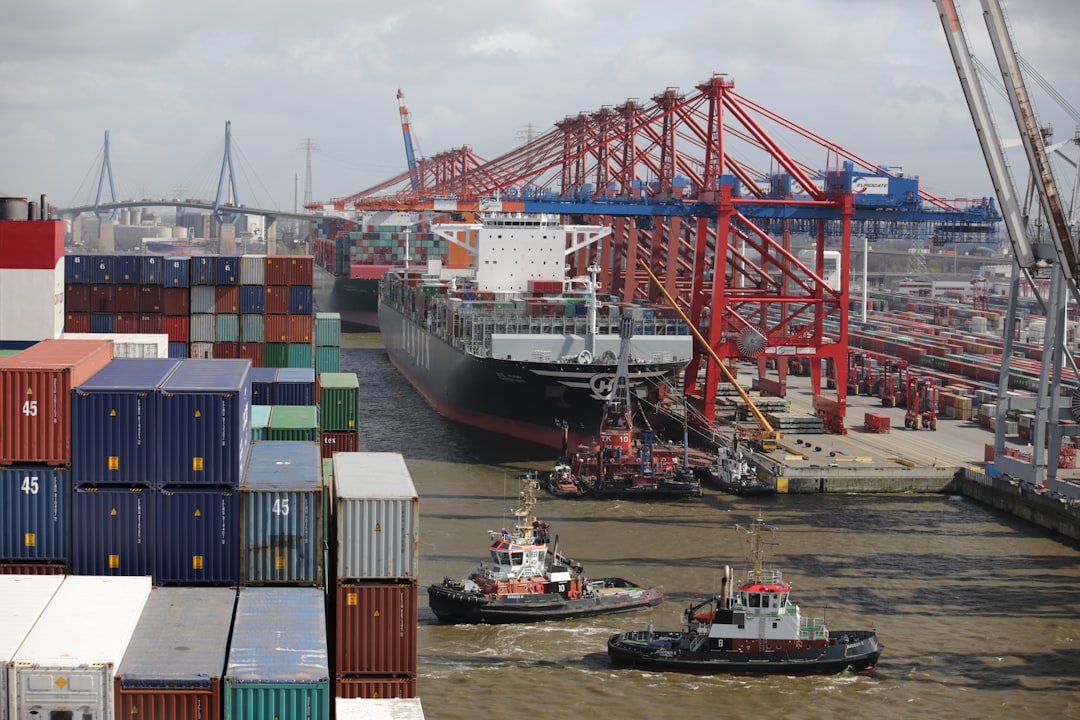
Malacca boasts a robust infrastructure that supports its LNG supply chain, characterized by state-of-the-art facilities designed for various stages of LNG handling. The region’s port facilities are equipped with specialized terminals capable of accommodating large LNG carriers, ensuring efficient loading and unloading operations. These terminals are strategically located to facilitate quick access to both domestic markets and international shipping routes, enhancing Malacca’s role as a key player in the global LNG trade.
In addition to port facilities, Malacca has invested in storage and regasification infrastructure to support the growing demand for natural gas. Storage tanks designed for LNG are essential for maintaining supply stability, allowing for the safe storage of liquefied gas until it is needed for consumption. Regasification terminals play a crucial role in converting LNG back into its gaseous state, making it suitable for distribution through pipelines to end-users.
The combination of these facilities not only strengthens Malacca’s position in the LNG supply chain but also ensures that the region can respond effectively to fluctuations in demand.
Identifying Key Players and Stakeholders in the LNG Supply Chain
The LNG supply chain in Malacca involves a diverse array of key players and stakeholders, each contributing to the overall functionality and efficiency of the system. Major energy companies, both local and international, are at the forefront of LNG production and distribution. These companies invest heavily in exploration, extraction, and liquefaction processes, ensuring a steady supply of natural gas to meet market demands.
Their expertise and resources are vital for maintaining competitiveness in an increasingly globalized energy market. In addition to energy companies, regulatory bodies play a significant role in overseeing the LNG supply chain in Malacca. These organizations establish guidelines and standards that govern safety, environmental impact, and operational efficiency.
Collaboration between regulatory authorities and industry stakeholders is essential for fostering a transparent and accountable framework that supports sustainable growth within the LNG sector. Furthermore, local communities and environmental organizations are increasingly becoming involved in discussions surrounding LNG projects, advocating for responsible practices that prioritize ecological preservation while meeting energy needs.
Exploring the Process of LNG Production and Transportation
The process of LNG production begins with the extraction of natural gas from underground reservoirs, which is then transported to liquefaction facilities. In Malacca, advanced technologies are employed to ensure that this process is efficient and environmentally friendly. The liquefaction process involves cooling natural gas to extremely low temperatures, transforming it into a liquid state for easier storage and transportation.
This phase is critical as it reduces the volume of gas significantly, allowing for more efficient shipping across long distances. Transportation of LNG is primarily conducted via specialized carriers designed to maintain the low temperatures required for safe transport. These vessels are equipped with advanced insulation systems that minimize heat transfer, ensuring that the LNG remains in its liquid state throughout the journey.
Upon arrival at receiving terminals, the LNG undergoes regasification before being distributed through pipelines to consumers. This intricate process highlights the importance of maintaining high safety standards at every stage, as any deviation could lead to significant operational challenges or environmental risks.
Analyzing the Regulatory Framework and Compliance Requirements
| Metric | Value | Unit | Notes |
|---|---|---|---|
| Annual LNG Throughput | 5.5 | Million Metric Tons | Estimated LNG volume handled at Malacca terminal |
| Number of LNG Carriers Docked | 120 | Ships per Year | Average number of LNG vessels serviced annually |
| Storage Capacity | 200,000 | Cubic Meters | Total LNG storage capacity at Malacca terminal |
| Supply Chain Lead Time | 7 | Days | Average time from LNG arrival to delivery |
| Pipeline Length | 50 | Kilometers | Length of pipeline connecting terminal to distribution network |
| Operational Efficiency | 92 | Percent | Efficiency rate of LNG supply chain operations |
| Carbon Emissions Reduction | 15 | Percent | Reduction achieved through supply chain optimizations |
The regulatory framework governing the LNG supply chain in Malacca is multifaceted, encompassing various laws and guidelines aimed at ensuring safety, environmental protection, and operational efficiency. Regulatory bodies are tasked with establishing compliance requirements that all stakeholders must adhere to throughout the supply chain. These regulations cover aspects such as facility design, operational protocols, safety measures, and environmental impact assessments.
Compliance with these regulations is not merely a legal obligation; it also serves as a foundation for building trust among stakeholders and the public. Companies operating within the LNG sector must invest in training programs and safety drills to ensure that their personnel are well-versed in compliance requirements. Additionally, regular audits and inspections by regulatory authorities help maintain accountability and transparency within the industry.
As Malacca continues to expand its LNG capabilities, ongoing dialogue between regulators and industry players will be crucial for adapting to evolving standards and best practices.
Assessing the Environmental Impact and Sustainability Measures

The environmental impact of LNG operations is a critical consideration within Malacca’s supply chain framework. While natural gas is often touted as a cleaner alternative to coal and oil, its extraction, transportation, and consumption can still pose significant environmental challenges. Issues such as methane emissions during extraction processes and potential spills during transportation necessitate rigorous environmental assessments and mitigation strategies.
To address these concerns, stakeholders in Malacca are increasingly adopting sustainability measures aimed at minimizing their ecological footprint. This includes investing in technologies that reduce emissions during production and transportation processes, as well as implementing best practices for waste management. Furthermore, community engagement initiatives are being developed to ensure that local populations are informed about potential environmental impacts and involved in decision-making processes related to LNG projects.
By prioritizing sustainability, Malacca can position itself as a leader in responsible energy production while meeting growing demand.
Evaluating the Economic and Commercial Aspects of LNG in Malacca
The economic implications of the LNG supply chain in Malacca are profound, influencing both local economies and broader regional markets. The development of LNG infrastructure has created numerous job opportunities across various sectors, from construction to operations management. As companies invest in expanding their capabilities, they contribute to economic growth by stimulating local businesses and generating tax revenues for government initiatives.
Moreover, Malacca’s strategic location enhances its attractiveness as an LNG trading hub within Southeast Asia. The region’s ability to facilitate imports and exports positions it favorably within global energy markets, allowing it to capitalize on price fluctuations and demand shifts. As countries transition towards cleaner energy sources, the demand for LNG is expected to rise significantly, presenting commercial opportunities for stakeholders involved in production, transportation, and distribution.
Addressing Safety and Security Concerns in the LNG Supply Chain
Safety and security are paramount concerns within the LNG supply chain due to the inherent risks associated with handling flammable materials. In Malacca, stakeholders must implement comprehensive safety protocols designed to mitigate potential hazards at every stage of the supply chain. This includes rigorous training programs for personnel involved in operations as well as regular safety drills to prepare for emergency situations.
In addition to operational safety measures, security concerns related to potential threats such as terrorism or sabotage must also be addressed.
Collaboration between industry players and law enforcement agencies is essential for developing effective security strategies that safeguard both personnel and facilities while ensuring uninterrupted operations.
Discussing the Challenges and Opportunities for LNG in Malacca
While the prospects for LNG in Malacca are promising, several challenges must be navigated to fully realize its potential. One significant challenge is competition from other energy sources, particularly renewable energy technologies that are gaining traction globally. As governments prioritize sustainability initiatives, there may be pressure on traditional fossil fuel industries, including natural gas.
However, this challenge also presents opportunities for innovation within the LNG sector. By investing in research and development aimed at improving efficiency and reducing emissions, stakeholders can position themselves favorably within an evolving energy landscape. Additionally, partnerships with renewable energy companies can lead to hybrid solutions that leverage both natural gas and renewables, creating a more resilient energy system.
Examining the Future Outlook and Potential Developments in the LNG Industry
The future outlook for the LNG industry in Malacca appears optimistic as global demand for cleaner energy sources continues to rise. With ongoing investments in infrastructure development and technological advancements, Malacca is poised to enhance its role as a key player in the international LNG market. The region’s strategic location will likely attract further investments from both domestic and foreign entities seeking to capitalize on emerging opportunities.
Potential developments may include increased collaboration between stakeholders across different sectors of the energy industry. As companies seek innovative solutions to address environmental concerns while meeting growing demand, partnerships may emerge that combine expertise from various fields. Furthermore, advancements in carbon capture technologies could play a pivotal role in reducing emissions associated with natural gas production and consumption.
Recommendations for Effective Navigation of the LNG Supply Chain in Malacca
To effectively navigate the complexities of the LNG supply chain in Malacca, stakeholders must prioritize collaboration among industry players, regulatory bodies, and local communities. Establishing open lines of communication will foster transparency and trust while facilitating knowledge sharing regarding best practices and compliance requirements. Additionally, investing in research and development will be crucial for driving innovation within the sector.
Furthermore, stakeholders should remain vigilant regarding environmental impacts by adopting sustainable practices that minimize ecological footprints while meeting energy demands. By embracing these recommendations, Malacca can position itself as a leader within the global LNG market while ensuring responsible growth that benefits both its economy and environment.
The liquefied natural gas (LNG) supply chain in the Malacca Strait is a critical component of the global energy market, influencing trade routes and energy security in the region.