
Factory shutdowns create significant disruptions across supply chains, affecting multiple sectors and businesses of varying scales. When manufacturing facilities halt operations, the immediate result is typically an interruption in product flow. This interruption causes production schedule delays, extended lead times, and reduced product availability for consumers.
The consequences extend beyond the closed facility to impact suppliers, distributors, and retailers who depend on consistent deliveries to fulfill customer orders. These disruptions frequently result in lost revenue opportunities and decreased customer satisfaction, potentially damaging market reputation. Factory shutdowns also generate substantial financial consequences beyond operational difficulties.
Companies often face increased expenses from expedited shipping arrangements or procuring materials from alternative suppliers at premium rates. Extended closure periods intensify these financial pressures. Organizations may experience cash flow constraints that limit their capacity for growth investments or innovation initiatives.
Recognizing the comprehensive effects of factory shutdowns is essential for businesses developing effective response strategies to manage these challenges.
Key Takeaways
- Factory shutdowns significantly disrupt supply chains, affecting production and delivery timelines.
- Identifying root causes like labor issues or natural disasters is crucial for effective risk mitigation.
- Developing contingency plans and collaborating with alternative suppliers help maintain supply chain continuity.
- Leveraging technology and lean inventory management can minimize operational and financial impacts.
- Effective communication and compliance with regulations are essential for managing shutdowns and building long-term resilience.
Identifying the Causes of Factory Shutdowns
The causes of factory shutdowns can be varied and complex, often stemming from a combination of internal and external factors. One common reason is economic downturns, which can lead to decreased demand for products and force companies to scale back operations. Additionally, natural disasters such as floods, earthquakes, or hurricanes can cause physical damage to facilities, rendering them inoperable for extended periods.
These events highlight the vulnerability of supply chains to unpredictable external forces that can disrupt production. Another significant cause of factory shutdowns is labor-related issues. Strikes or labor disputes can halt production lines, leading to significant delays and financial losses.
Furthermore, regulatory changes or compliance failures can result in temporary or permanent closures as companies work to meet new standards. Identifying these causes is essential for businesses seeking to develop strategies that mitigate risks associated with factory shutdowns and ensure continuity in their supply chains.
Mitigating the Risks of Factory Shutdowns in Supply Chains
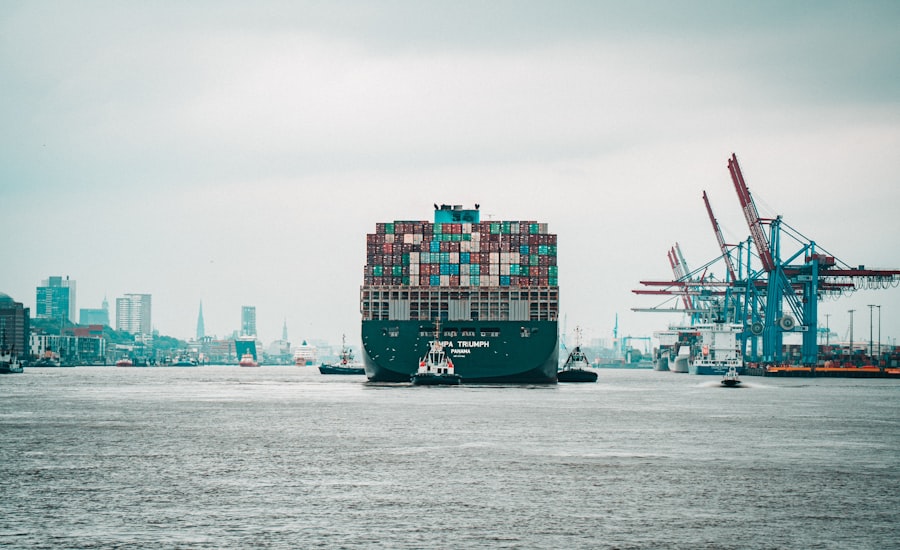
To mitigate the risks associated with factory shutdowns, companies must adopt a proactive approach that involves thorough risk assessment and management strategies.
By sourcing materials from multiple suppliers across different geographical locations, businesses can reduce their dependence on a single factory and minimize the impact of any one shutdown.
This strategy not only enhances resilience but also fosters competition among suppliers, potentially leading to better pricing and service levels. Additionally, companies should invest in robust inventory management practices. Maintaining safety stock levels can provide a buffer during unexpected disruptions, allowing businesses to continue operations while addressing supply chain challenges.
Implementing just-in-time inventory systems can also help reduce excess stock while ensuring that essential materials are available when needed. By taking these steps, organizations can create a more resilient supply chain capable of weathering the storms of factory shutdowns.
Developing Contingency Plans for Factory Shutdowns
Developing contingency plans is a critical step for businesses aiming to navigate the uncertainties associated with factory shutdowns. A well-structured contingency plan outlines specific actions that will be taken in response to various scenarios, ensuring that organizations are prepared for potential disruptions. This plan should include clear communication protocols, designated roles and responsibilities, and predefined timelines for response actions.
Conducting simulations or tabletop exercises can help teams practice their responses and identify areas for improvement. By fostering a culture of preparedness within the organization, companies can enhance their ability to respond swiftly and effectively to factory shutdowns, minimizing their impact on overall operations.
Communicating Effectively with Suppliers and Customers during Factory Shutdowns
| Metric | Description | Impact During Factory Shutdown | Mitigation Strategies |
|---|---|---|---|
| Production Output | Quantity of goods produced per day | Decreases significantly or drops to zero | Shift production to alternate facilities, increase overtime post-shutdown |
| Inventory Levels | Stock of raw materials and finished goods | May deplete faster due to halted production | Increase safety stock before shutdown, optimize inventory management |
| Supplier Lead Time | Time taken for suppliers to deliver materials | May increase due to disrupted orders and logistics | Diversify suppliers, communicate early with suppliers |
| Order Fulfillment Rate | Percentage of customer orders delivered on time | Likely to decrease during shutdown | Prioritize critical orders, use alternative shipping methods |
| Backorder Volume | Number of orders delayed or pending | Increases due to production stoppage | Improve demand forecasting, expedite post-shutdown production |
| Downtime Duration | Length of factory shutdown period | Directly affects supply chain continuity | Plan maintenance during low demand, minimize downtime |
| Transportation Delays | Delays in shipping raw materials or finished goods | May increase due to rescheduling and congestion | Coordinate with logistics partners, adjust delivery schedules |
Effective communication is paramount during factory shutdowns, as it helps manage expectations and maintain trust among stakeholders. Companies should establish clear lines of communication with both suppliers and customers to provide timely updates regarding production status and potential delays. Transparency is key; organizations should be honest about the reasons for the shutdown and the anticipated timeline for resuming operations.
In addition to providing updates, businesses should actively seek feedback from suppliers and customers during this period. Engaging stakeholders in discussions about potential solutions or alternative arrangements can foster collaboration and strengthen relationships. By prioritizing open communication, companies can navigate the challenges posed by factory shutdowns more effectively while preserving their reputation and customer loyalty.
Leveraging Technology to Minimize the Impact of Factory Shutdowns

In today’s digital age, technology plays a crucial role in minimizing the impact of factory shutdowns on supply chains. Advanced analytics and data-driven decision-making tools enable organizations to monitor supply chain performance in real-time, allowing them to identify potential disruptions before they escalate into significant issues. By leveraging predictive analytics, companies can forecast demand fluctuations and adjust their production schedules accordingly.
Furthermore, automation technologies can enhance operational efficiency and reduce reliance on manual processes that may be vulnerable to disruptions. For instance, implementing robotics in manufacturing processes can help maintain productivity levels even during labor shortages or factory closures. By embracing technology as a strategic asset, businesses can build more resilient supply chains capable of adapting to unforeseen challenges.
Collaborating with Alternative Suppliers during Factory Shutdowns
Collaboration with alternative suppliers is an effective strategy for mitigating the impact of factory shutdowns on supply chains. Establishing relationships with multiple suppliers allows companies to quickly pivot when one source becomes unavailable due to a shutdown. This flexibility not only ensures continuity in production but also fosters healthy competition among suppliers, which can lead to better pricing and service levels.
To facilitate collaboration with alternative suppliers, businesses should invest time in building strong relationships based on trust and mutual benefit. Regular communication and engagement with these suppliers can help organizations stay informed about their capabilities and availability during times of crisis. By cultivating a diverse supplier network, companies can enhance their resilience against factory shutdowns and ensure a more stable supply chain.
Evaluating the Financial and Operational Implications of Factory Shutdowns
Evaluating the financial and operational implications of factory shutdowns is essential for organizations seeking to understand the full scope of their impact. Financially, companies must assess potential losses due to decreased production capacity and delayed deliveries. This evaluation should include direct costs such as lost sales revenue as well as indirect costs like increased shipping expenses or penalties for failing to meet contractual obligations.
Operationally, businesses need to analyze how a shutdown affects their overall supply chain efficiency. This includes examining lead times, inventory levels, and customer satisfaction metrics. By conducting a comprehensive evaluation, organizations can identify areas for improvement and develop targeted strategies to mitigate future risks associated with factory shutdowns.
Implementing Lean Inventory Management to Cushion the Impact of Factory Shutdowns
Implementing lean inventory management practices can serve as an effective cushion against the impact of factory shutdowns on supply chains. Lean principles focus on minimizing waste while maximizing value, which can help organizations maintain optimal inventory levels without overstocking or understocking materials. By adopting just-in-time inventory systems, businesses can align their production schedules closely with customer demand, reducing excess inventory costs.
Additionally, lean inventory management encourages continuous improvement through regular assessments of inventory turnover rates and supplier performance metrics. By fostering a culture of efficiency within the organization, companies can enhance their ability to respond swiftly to disruptions caused by factory shutdowns while maintaining cost-effectiveness.
Ensuring Compliance with Regulations and Ethical Standards during Factory Shutdowns
During factory shutdowns, it is crucial for organizations to ensure compliance with regulations and ethical standards. Regulatory bodies often impose specific requirements related to labor practices, environmental sustainability, and product safety that must be adhered to even during periods of reduced operations. Failure to comply with these regulations can result in legal repercussions and damage to a company’s reputation.
Moreover, ethical considerations should guide decision-making during shutdowns. Companies must prioritize fair treatment of employees affected by closures while maintaining transparency with stakeholders about their actions and intentions. By upholding high ethical standards during challenging times, organizations can foster trust among employees, customers, and partners alike.
Learning from Past Factory Shutdowns to Build Resilience in Supply Chains
Learning from past factory shutdowns is essential for building resilience in supply chains. Organizations should conduct thorough post-mortem analyses following any disruption to identify lessons learned and areas for improvement. This reflective process allows businesses to understand what worked well during previous shutdowns and what could have been done differently.
By documenting these insights and integrating them into future planning efforts, companies can enhance their preparedness for potential disruptions. Additionally, sharing experiences with industry peers can foster collaboration and knowledge exchange that benefits the broader supply chain community. Ultimately, by learning from past challenges, organizations can strengthen their resilience against future factory shutdowns and ensure continued success in an ever-evolving business landscape.
The recent factory shutdowns have significantly impacted global supply chains, leading to delays and increased costs for many industries. For a deeper understanding of how these disruptions are affecting various sectors, you can read more in this related article on supply chain challenges at MyGeoQuest.
WATCH THIS! 🌍 THE $15 TRILLION GAMBLE: What Happens If The Strait of Malacca Closes For One Week?
FAQs
What is a factory shutdown in the context of the supply chain?
A factory shutdown refers to the temporary or permanent closure of a manufacturing facility, which can disrupt the production process and affect the overall supply chain by delaying the availability of goods.
How does a factory shutdown impact the supply chain?
A factory shutdown can lead to delays in production, shortages of raw materials or finished products, increased lead times, and potential disruptions in downstream operations such as distribution and retail.
What are common reasons for factory shutdowns?
Common reasons include maintenance and upgrades, labor strikes, natural disasters, equipment failures, regulatory compliance issues, or economic factors such as decreased demand.
How can companies mitigate the risks of factory shutdowns?
Companies can diversify their supplier base, maintain safety stock, implement flexible manufacturing processes, and develop contingency plans to minimize the impact of factory shutdowns on the supply chain.
What role does communication play during a factory shutdown?
Effective communication with suppliers, customers, and internal teams is crucial to manage expectations, coordinate alternative arrangements, and reduce the negative effects on the supply chain.
Can technology help manage factory shutdowns in the supply chain?
Yes, technologies such as supply chain management software, real-time monitoring, and predictive analytics can help identify risks early, optimize inventory, and facilitate quicker responses to shutdowns.
What are the long-term effects of repeated factory shutdowns on supply chains?
Repeated shutdowns can lead to loss of customer trust, increased operational costs, reduced competitiveness, and may force companies to reconsider their supply chain strategies or manufacturing locations.
How do global events influence factory shutdowns and supply chains?
Global events like pandemics, geopolitical tensions, or trade restrictions can cause widespread factory shutdowns, disrupting supply chains by limiting production capacity and affecting international logistics.