
Trade disruption represents a major challenge in today’s interconnected global economy. This phenomenon encompasses interruptions in the cross-border movement of goods and services, stemming from multiple sources including geopolitical conflicts, natural disasters, health crises, and policy modifications. The increasing economic interdependence among nations means that trade disruptions create cascading effects that transcend individual countries, impacting international supply networks and overall economic stability.
Analyzing trade disruption mechanisms is crucial for understanding their extensive influence on financial systems and economic performance. Recent examples demonstrate the rapid and substantial economic impact of trade interruptions. The U.S.-China trade conflict and the COVID-19 pandemic exposed critical weaknesses in global supply chains while revealing the depth of market interconnectedness.
These events generated effects that spread across multiple economic sectors, influencing consumer pricing, investment decisions, and market behavior. The intricate nature of contemporary trade networks amplifies the reach of disruptions, making comprehensive analysis of their effects on financial markets and economic expansion essential for policymakers and business leaders.
Key Takeaways
- Trade disruptions significantly increase volatility and uncertainty across stock, currency, commodity, and bond markets.
- Currency markets often experience sharp fluctuations due to changes in trade policies and tariffs.
- Commodity prices can be highly sensitive to trade barriers, affecting supply chains and global demand.
- Investors may adopt defensive strategies, such as diversification and hedging, to mitigate risks during trade disruptions.
- Government policies play a crucial role in managing trade disruptions and their long-term impact on global economic growth and emerging markets.
Effects of Trade Disruption on Stock Markets
The stock markets are often the first to react to news of trade disruptions, reflecting investor sentiment and expectations about future economic performance. When trade relations between major economies deteriorate, stock prices can experience significant volatility as investors reassess the potential for corporate earnings. For instance, companies heavily reliant on exports or those with extensive supply chains may see their stock values plummet in response to tariffs or trade barriers.
This immediate reaction underscores the sensitivity of equity markets to changes in trade dynamics. Moreover, the effects of trade disruption on stock markets are not uniform across sectors. Industries such as technology, manufacturing, and agriculture may be disproportionately affected due to their reliance on international markets.
For example, a sudden increase in tariffs on imported goods can lead to higher production costs for manufacturers, which may subsequently reduce profit margins and lead to lower stock prices. Conversely, sectors that are less exposed to international trade may experience relative stability or even growth during periods of trade disruption, highlighting the importance of sector-specific analysis for investors navigating these turbulent waters.
Impact of Trade Disruption on Currency Markets
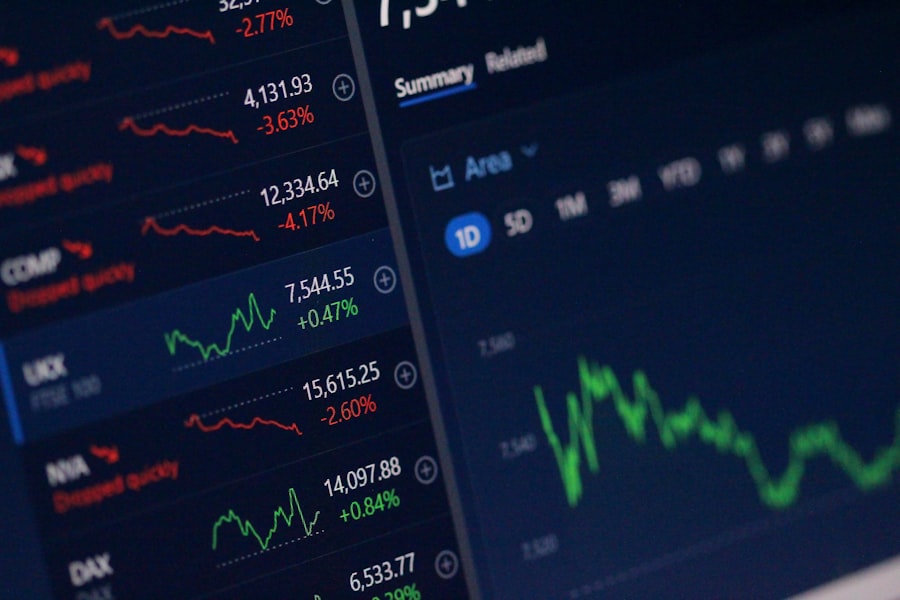
Currency markets are another area where trade disruptions manifest their effects prominently. When trade relations sour, currencies of affected countries often experience fluctuations as investors adjust their expectations regarding economic performance and monetary policy. A country facing trade barriers may see its currency depreciate due to concerns about reduced exports and economic growth.
This depreciation can further exacerbate inflationary pressures, as imported goods become more expensive for consumers. Additionally, central banks may respond to trade disruptions by altering interest rates or implementing other monetary policy measures to stabilize their economies. Such actions can lead to further volatility in currency markets, as investors react to changes in interest rate expectations.
For instance, if a central bank lowers interest rates in response to a trade-related economic slowdown, it may lead to a depreciation of the national currency as investors seek higher returns elsewhere. This interplay between trade disruptions and currency fluctuations underscores the intricate relationship between international trade and foreign exchange markets.
Trade Disruption and Commodity Prices
Commodity prices are also significantly influenced by trade disruptions, as these events can alter supply and demand dynamics across global markets. For instance, disruptions in trade routes or tariffs on specific goods can lead to shortages or surpluses in commodities such as oil, metals, and agricultural products. When supply chains are interrupted, the availability of these essential resources can be compromised, leading to price spikes that affect consumers and businesses alike.
Furthermore, geopolitical tensions that result in trade disruptions can create uncertainty in commodity markets. Investors often react to perceived risks by speculating on future price movements, which can lead to increased volatility. For example, if a major oil-producing country faces sanctions or trade restrictions, oil prices may surge due to fears of supply shortages.
Conversely, if a country imposes tariffs on agricultural imports, it may lead to a decline in prices for those commodities as producers seek alternative markets. The complex interplay between trade disruptions and commodity prices highlights the need for investors to remain vigilant and informed about global market conditions.
Trade Disruption and Bond Markets
| Metric | Description | Impact on Financial Markets | Example Value | Timeframe |
|---|---|---|---|---|
| Stock Market Volatility Index (VIX) | Measures market expectation of volatility | Increases during trade disruptions due to uncertainty | 30-40 (elevated) | Short-term (days to weeks) |
| Currency Exchange Rate Fluctuations | Changes in currency values due to trade policy shifts | Sharp depreciation or appreciation impacting trade balances | 5-10% change | Weeks to months |
| Bond Yield Spread | Difference between government and corporate bond yields | Widens as risk perception increases | 50-100 basis points increase | Weeks to months |
| Trade Volume Decline | Reduction in import/export volumes | Direct impact on companies reliant on global supply chains | 10-20% decrease | Months |
| Commodity Price Volatility | Fluctuations in prices of raw materials | Increased price swings due to supply chain disruptions | 15-25% price variation | Short to medium term |
| Corporate Earnings Forecast Revisions | Adjustments in expected company profits | Downward revisions reflecting trade uncertainty | 5-15% reduction | Quarterly |
Bond markets are not immune to the effects of trade disruption; in fact, they often reflect investor sentiment regarding economic stability and growth prospects. When trade tensions escalate or disruptions occur, investors may flock to safer assets such as government bonds, driving up their prices and lowering yields. This flight to safety is indicative of a broader concern about economic uncertainty and potential recessionary pressures resulting from disrupted trade flows.
Moreover, the response of central banks to trade disruptions can significantly influence bond markets. If a central bank decides to lower interest rates in an effort to stimulate economic growth amid trade-related challenges, bond yields may decline further as investors anticipate lower returns on new debt issuances. This dynamic creates a complex environment for bond investors who must navigate shifting interest rate expectations while considering the broader implications of trade disruptions on fiscal policy and economic health.
Volatility and Uncertainty in Financial Markets

The overarching theme of trade disruption is volatility and uncertainty within financial markets. As geopolitical tensions rise or unexpected events unfold, market participants often react with heightened caution, leading to increased fluctuations in asset prices across various sectors. This volatility can create challenges for investors seeking stability and predictability in their portfolios.
Furthermore, uncertainty surrounding trade policies can lead to a lack of confidence among businesses and consumers alike. Companies may delay investment decisions or expansion plans due to concerns about future market conditions, while consumers may curtail spending in anticipation of rising prices or economic downturns. This cautious approach can further exacerbate market volatility as reduced demand impacts corporate earnings and stock valuations.
Strategies for Investors during Trade Disruption
In times of trade disruption, investors must adopt strategies that account for heightened volatility and uncertainty. Diversification becomes paramount as a means of mitigating risk; by spreading investments across various asset classes and geographic regions, investors can reduce their exposure to any single market’s fluctuations. Additionally, focusing on sectors that demonstrate resilience during periods of disruption—such as utilities or consumer staples—can provide a buffer against market downturns.
Investors who actively monitor news related to trade policies and international relations can make more informed decisions about when to enter or exit positions. Furthermore, employing risk management techniques such as stop-loss orders can help protect portfolios from significant losses during turbulent market conditions.
Government Policies and Trade Disruption
Government policies play a crucial role in shaping the landscape of trade disruption. Policymakers must navigate complex international relationships while balancing domestic economic interests with global competitiveness. In response to trade disruptions, governments may implement measures such as tariffs or subsidies aimed at protecting local industries; however, these actions can also provoke retaliatory measures from trading partners, further escalating tensions.
Moreover, governments have the ability to foster resilience within their economies by investing in infrastructure and technology that enhance supply chain efficiency. By promoting innovation and diversification within domestic industries, policymakers can mitigate the adverse effects of future trade disruptions. Ultimately, effective government policies are essential for maintaining stability in an increasingly interconnected global economy.
Global Economic Growth and Trade Disruption
The relationship between global economic growth and trade disruption is intricate and multifaceted. Trade is a critical driver of economic expansion; when disruptions occur, they can stifle growth by limiting access to markets and resources. Countries that rely heavily on exports may experience significant slowdowns during periods of heightened trade tensions or barriers.
Conversely, some economies may find opportunities amidst disruption by pivoting towards new markets or enhancing domestic production capabilities. For instance, nations that invest in local manufacturing or seek alternative trading partners may emerge stronger from periods of trade disruption. However, this transition requires strategic planning and investment; without adequate preparation, countries risk falling behind in an increasingly competitive global landscape.
Trade Disruption and Emerging Markets
Emerging markets often bear the brunt of trade disruptions due to their reliance on exports and foreign investment. These economies are particularly vulnerable to shifts in global demand and supply chain dynamics; when major trading partners face challenges, emerging markets may experience significant economic repercussions. The impact on currency values can be pronounced as well; currencies in emerging markets often depreciate during periods of uncertainty as investors seek safer assets.
However, there are also opportunities for emerging markets during times of trade disruption.
By leveraging their competitive advantages—such as lower labor costs or abundant natural resources—emerging markets can potentially benefit from shifts in global trade patterns.
Long-term Implications of Trade Disruption on Financial Markets
The long-term implications of trade disruption on financial markets are profound and far-reaching. As nations reassess their trading relationships and prioritize domestic production capabilities, structural changes within economies may emerge that reshape global supply chains for years to come. Investors must remain vigilant in adapting their strategies to account for these evolving dynamics.
Moreover, the increasing frequency of trade disruptions highlights the need for greater resilience within financial systems. Market participants may begin prioritizing investments that emphasize sustainability and adaptability—qualities that will be essential in navigating an uncertain future characterized by geopolitical tensions and environmental challenges. Ultimately, understanding the long-term implications of trade disruption will be crucial for investors seeking to thrive in an ever-changing financial landscape.
The recent disruptions in global trade have significantly impacted financial markets, leading to increased volatility and uncertainty among investors. For a deeper understanding of how these disruptions are affecting market dynamics, you can read the article on this topic at