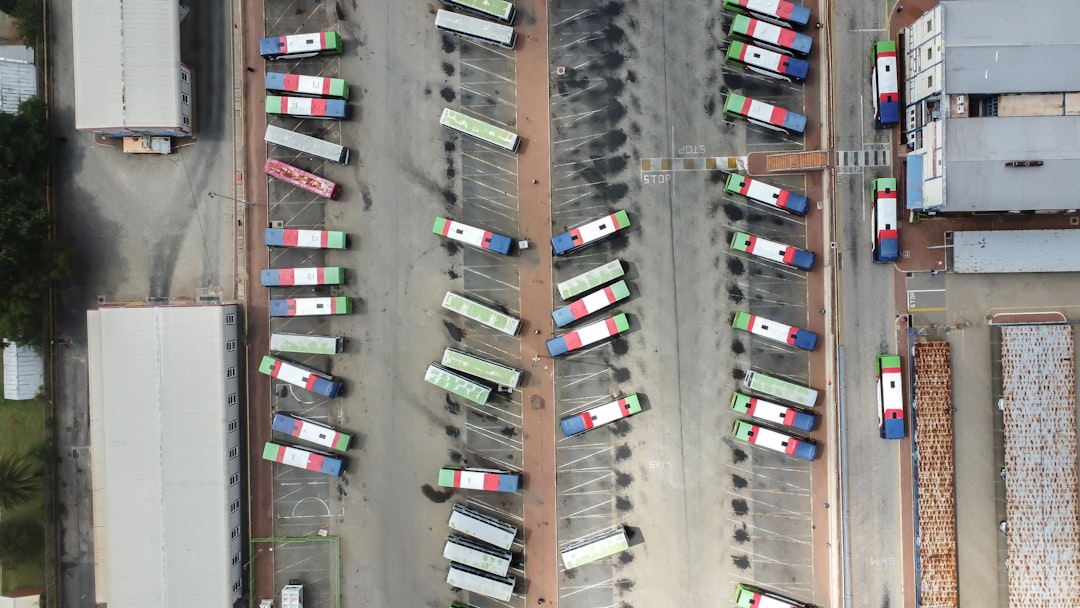
Container backlogs represent a critical disruption in global maritime logistics, characterized by the accumulation of shipping containers at port facilities beyond normal processing capacity. This phenomenon occurs when the rate of container arrivals exceeds the port’s ability to handle, process, and dispatch cargo through established supply chain networks. Container backlogs result in extended dwell times, increased storage costs, and cascading delays throughout international trade networks.
Multiple interconnected factors contribute to container backlog formation. The COVID-19 pandemic fundamentally altered global consumption patterns, generating unprecedented demand for containerized goods while simultaneously constraining port operational capacity. Labor force reductions due to health protocols, quarantine requirements, and workforce attrition created processing bottlenecks at critical nodes including ports, rail terminals, and distribution centers.
Infrastructure limitations, including inadequate yard space, insufficient crane capacity, and congested inland transportation networks, further compound these operational constraints. Equipment imbalances, where containers accumulate in specific geographic regions while shortages occur elsewhere, create additional logistical complications that perpetuate backlog conditions.
Key Takeaways
- Container backlog significantly disrupts supply chains, causing delays and increased costs.
- Effective management strategies include technology adoption, improved infrastructure, and alternative transport modes.
- Collaboration between shippers, carriers, and ports is crucial for smoother operations.
- Prioritizing essential and time-sensitive cargo helps mitigate the impact of congestion.
- Proactive planning and clear communication with stakeholders prepare businesses for future backlog challenges.
Impact of Port Congestion on Supply Chain
Port congestion has far-reaching implications for the entire supply chain ecosystem. When ports become congested, it creates a ripple effect that can disrupt the flow of goods from manufacturers to consumers. Delays in unloading containers can lead to inventory shortages for retailers, which may result in lost sales and dissatisfied customers.
Furthermore, manufacturers relying on just-in-time inventory systems may find themselves unable to procure essential materials, hindering production processes and leading to increased operational costs. The economic ramifications of port congestion extend beyond individual businesses. When delays occur at major ports, they can affect entire industries and regional economies.
Additionally, increased shipping costs due to extended transit times can drive up prices for consumers. As such, understanding the impact of port congestion is vital for businesses seeking to navigate the complexities of modern supply chains effectively.
Strategies for Managing Container Backlog

To address the challenges posed by container backlogs, businesses must adopt proactive strategies that enhance their operational resilience. One effective approach is to implement better forecasting and demand planning practices. By analyzing historical data and market trends, companies can anticipate fluctuations in demand and adjust their inventory levels accordingly.
This foresight can help mitigate the effects of container backlogs by ensuring that businesses are better prepared for unexpected surges in demand. Another strategy involves optimizing logistics and transportation networks. Companies can explore alternative routes or modes of transportation to bypass congested ports.
For instance, utilizing rail or inland waterways may provide a more efficient means of transporting goods when maritime routes are heavily congested. Additionally, fostering strong relationships with logistics partners can facilitate smoother operations and improve communication throughout the supply chain, ultimately reducing the impact of container backlogs.
Utilizing Technology to Streamline Port Operations
The integration of technology into port operations has the potential to revolutionize how container backlogs are managed. Advanced technologies such as artificial intelligence (AI), machine learning, and the Internet of Things (IoT) can enhance visibility and efficiency within port operations. For example, AI algorithms can analyze real-time data on container movements, enabling port authorities to optimize unloading schedules and allocate resources more effectively.
Moreover, IoT devices can provide real-time tracking of containers, allowing stakeholders to monitor their shipments’ status throughout the supply chain. This increased visibility can help businesses make informed decisions regarding inventory management and logistics planning. By leveraging technology, ports can streamline their operations, reduce congestion, and ultimately minimize the occurrence of container backlogs.
Collaboration between Shippers and Carriers
| Port | Average Container Backlog (TEUs) | Average Dwell Time (Days) | Congestion Level | Monthly Throughput (TEUs) | Delay Impact on Supply Chain |
|---|---|---|---|---|---|
| Port of Los Angeles | 45,000 | 7 | High | 900,000 | Severe |
| Port of Long Beach | 38,000 | 6 | High | 800,000 | Severe |
| Port of Rotterdam | 25,000 | 4 | Moderate | 700,000 | Moderate |
| Port of Singapore | 20,000 | 3 | Moderate | 1,200,000 | Moderate |
| Port of Shanghai | 30,000 | 5 | High | 1,100,000 | Severe |
Collaboration between shippers and carriers is essential for effectively managing container backlogs. Open lines of communication can facilitate better coordination between parties, ensuring that shipments are scheduled efficiently and that any potential issues are addressed promptly. By working together, shippers and carriers can develop contingency plans that account for potential disruptions in the supply chain.
Shippers can share insights about their specific needs and challenges with carriers, allowing for tailored solutions that enhance overall efficiency. This partnership approach not only helps mitigate the impact of container backlogs but also strengthens relationships within the supply chain ecosystem.
Implementing Just-in-Time Inventory Management

Just-in-time (JIT) inventory management is a strategy that aims to minimize inventory levels while ensuring that materials arrive precisely when needed in the production process. While this approach can enhance efficiency and reduce holding costs, it also makes businesses more vulnerable to disruptions caused by container backlogs. To effectively implement JIT in the face of potential delays, companies must adopt a more flexible approach to inventory management.
One way to achieve this flexibility is by maintaining safety stock or buffer inventory for critical components. This additional inventory can act as a cushion against unexpected delays in shipments due to port congestion or other logistical challenges. By balancing JIT principles with contingency planning, businesses can better navigate the complexities of supply chain disruptions while still reaping the benefits of efficient inventory management.
Leveraging Alternative Transportation Modes
In light of ongoing challenges related to container backlogs at major ports, businesses are increasingly exploring alternative transportation modes as a means of mitigating delays. Rail transport, for instance, offers a viable option for moving goods inland from congested coastal ports. By utilizing rail networks, companies can bypass some of the bottlenecks associated with maritime shipping and ensure that their products reach customers more quickly.
Additionally, air freight has gained popularity as a solution for time-sensitive shipments. While typically more expensive than ocean freight, air transport allows for rapid delivery of critical goods when delays at ports threaten to disrupt supply chains. By diversifying transportation options and leveraging alternative modes, businesses can enhance their resilience against container backlogs and maintain a steady flow of goods.
Improving Port Infrastructure and Efficiency
Investing in port infrastructure is crucial for addressing the challenges posed by container backlogs. Upgrading facilities and expanding capacity can significantly enhance a port’s ability to handle increased shipping volumes efficiently. This may involve modernizing equipment, expanding dock space, or implementing automated systems that streamline cargo handling processes.
Moreover, improving port efficiency requires collaboration among various stakeholders, including government agencies, port authorities, and private sector partners. By working together to identify bottlenecks and implement targeted improvements, stakeholders can create a more efficient port environment that minimizes congestion and reduces the likelihood of container backlogs in the future.
Prioritizing Essential Cargo and Time-Sensitive Shipments
In times of significant congestion at ports, prioritizing essential cargo and time-sensitive shipments becomes paramount. Businesses must develop criteria for identifying which shipments are critical to their operations or have urgent delivery timelines. By establishing clear priorities, companies can work with carriers and port authorities to ensure that these essential shipments are processed more quickly.
This prioritization not only helps businesses meet customer demands but also contributes to overall supply chain resilience. By focusing on critical shipments during periods of congestion, companies can minimize disruptions and maintain their competitive edge in the marketplace.
Communicating Effectively with Customers and Partners
Effective communication is vital for managing expectations during periods of container backlog. Businesses must keep customers informed about potential delays and provide updates on shipment statuses. Transparent communication fosters trust and understanding between companies and their clients, allowing for better collaboration in addressing challenges.
Additionally, maintaining open lines of communication with logistics partners is essential for navigating disruptions effectively. By sharing information about potential delays or changes in shipping schedules, businesses can work together to develop contingency plans that minimize the impact of container backlogs on their operations.
Planning for Future Container Backlog Scenarios
As global trade continues to evolve, businesses must proactively plan for future container backlog scenarios. This involves conducting risk assessments to identify potential vulnerabilities within their supply chains and developing strategies to address them. By anticipating challenges related to port congestion or other disruptions, companies can create more resilient operations that are better equipped to withstand unforeseen circumstances.
Furthermore, scenario planning exercises can help businesses explore various “what-if” situations related to container backlogs. By simulating different scenarios and evaluating potential responses, companies can refine their strategies and ensure they are prepared for whatever challenges may arise in the future. In conclusion, managing container backlogs requires a multifaceted approach that encompasses understanding the underlying causes, leveraging technology, fostering collaboration among stakeholders, and implementing effective inventory management strategies.
By taking proactive measures and planning for future scenarios, businesses can navigate the complexities of global trade more effectively while minimizing the impact of container backlogs on their operations.
The ongoing issue of container backlog and port congestion has been a significant challenge for global trade, impacting supply chains and leading to delays in the delivery of goods. For a deeper understanding of the factors contributing to this situation, you can read a related article on the topic at My GeoQuest, which explores the complexities of port operations and the measures being taken to alleviate congestion.
WATCH THIS! 🌍 THE $15 TRILLION GAMBLE: What Happens If The Strait of Malacca Closes For One Week?
FAQs
What is container backlog in port congestion?
Container backlog refers to the accumulation of shipping containers at a port due to delays in unloading, processing, or transporting them. This results in congestion as containers pile up, causing operational inefficiencies.
What causes port congestion and container backlog?
Port congestion and container backlog can be caused by various factors including labor shortages, limited port infrastructure, increased shipping volumes, equipment breakdowns, customs delays, and disruptions in inland transportation.
How does container backlog affect global supply chains?
Container backlog slows down the movement of goods, leading to delays in delivery, increased shipping costs, and inventory shortages. This disrupts supply chains, affecting manufacturers, retailers, and consumers worldwide.
What are common solutions to reduce container backlog at ports?
Solutions include expanding port capacity, improving labor efficiency, adopting advanced technology for container handling, enhancing coordination between shipping lines and inland transport, and implementing off-peak operations.
How long can container backlog and port congestion last?
The duration varies depending on the underlying causes and the effectiveness of mitigation measures. It can last from a few days to several months during severe disruptions.
Which ports are most affected by container backlog and congestion?
Major global ports with high container traffic, such as Los Angeles, Long Beach, Shanghai, and Rotterdam, are often affected by container backlog and congestion due to their critical role in international trade.
Can container backlog lead to increased shipping costs?
Yes, congestion increases operational costs for shipping lines and port operators, which are often passed on to customers through higher freight rates and surcharges.
What role do government policies play in managing port congestion?
Government policies can facilitate infrastructure investment, streamline customs procedures, and support labor agreements, all of which help reduce congestion and improve port efficiency.
How does port congestion impact environmental sustainability?
Congestion leads to longer vessel waiting times and increased truck idling, resulting in higher fuel consumption and emissions, negatively impacting environmental sustainability.
Are there technological innovations that help alleviate container backlog?
Yes, technologies such as automated container handling systems, real-time tracking, blockchain for documentation, and AI-driven logistics planning help improve port operations and reduce backlog.