
The aviation industry has long been a cornerstone of global transportation, facilitating the movement of people and goods across vast distances. However, in recent years, a significant challenge has emerged: a shortage of qualified pilots. This issue has garnered attention from industry stakeholders, policymakers, and the public alike, as it threatens to disrupt air travel and logistics on a global scale.
The pilot shortage is not merely a matter of numbers; it encompasses a complex interplay of factors that affect the entire aviation ecosystem, from airlines to training institutions and regulatory bodies. As airlines expand their fleets and routes to meet growing demand, the need for skilled pilots has surged. Yet, the pipeline for training new pilots has not kept pace with this demand.
The implications of this shortage are profound, affecting not only the operational capabilities of airlines but also the safety and efficiency of air travel. Understanding the nuances of this issue is crucial for stakeholders at all levels, as they seek to navigate the challenges posed by a dwindling pool of qualified aviators.
Key Takeaways
- The pilot shortage significantly disrupts port operations, causing delays and inefficiencies.
- Key factors include aging workforce, increased demand, and insufficient training programs.
- Safety concerns arise due to overworked pilots and reduced availability of experienced personnel.
- Various efforts and industry collaborations are underway to recruit and train new pilots.
- Regulatory bodies are implementing measures to address the shortage and ensure future sustainability.
Impact of Pilot Shortage on Port Operations
The pilot shortage has far-reaching consequences that extend beyond the cockpit and into port operations. As airlines struggle to find enough pilots to operate their flights, delays and cancellations have become more frequent. This disruption can lead to a cascading effect on port operations, where cargo shipments are delayed, and logistical planning becomes increasingly complex.
Ports rely heavily on timely air transport for the movement of goods, and any disruption in flight schedules can create bottlenecks that ripple through supply chains. Moreover, the pilot shortage can exacerbate existing challenges in port operations. With fewer pilots available, the pressure on those who remain in the workforce intensifies.
This can lead to increased workloads and stress among pilots, potentially impacting their performance and decision-making abilities.
The interconnected nature of aviation and maritime logistics underscores the importance of addressing the pilot shortage to ensure smooth operations across both sectors.
Factors Contributing to the Pilot Shortage

Several factors contribute to the ongoing pilot shortage, creating a multifaceted problem that requires comprehensive solutions. One significant factor is the aging workforce within the aviation industry. Many experienced pilots are reaching retirement age, leading to a substantial loss of talent and expertise.
This demographic shift is compounded by a lack of new entrants into the profession, as aspiring pilots face high training costs and lengthy certification processes that can deter potential candidates. Additionally, the COVID-19 pandemic has had a profound impact on the aviation sector, leading to widespread layoffs and furloughs. While many airlines have begun to recover, the long-term effects of the pandemic on pilot training programs and recruitment efforts remain evident.
Flight schools faced closures and reduced enrollment during the pandemic, resulting in fewer new pilots entering the workforce. The combination of an aging workforce and pandemic-related disruptions has created a perfect storm that has exacerbated the pilot shortage.
Safety Concerns Arising from the Pilot Shortage
The pilot shortage raises significant safety concerns that cannot be overlooked. With fewer pilots available to operate flights, airlines may be compelled to stretch their existing workforce thin, leading to increased fatigue among pilots. Fatigue is a well-documented risk factor in aviation safety, as it can impair cognitive function and decision-making abilities.
When pilots are overworked or under stress due to staffing shortages, the potential for errors increases, posing risks not only to passengers but also to crew members and ground personnel. Furthermore, the pressure to maintain flight schedules amid a pilot shortage can lead to rushed training processes for new pilots. In an effort to quickly fill vacancies, airlines may prioritize speed over thoroughness in training programs.
This could result in inadequately prepared pilots entering the cockpit, further compromising safety standards. The aviation industry must prioritize safety above all else, ensuring that any measures taken to address the pilot shortage do not inadvertently jeopardize the well-being of those involved in air travel.
Efforts to Address the Pilot Shortage
| Port | Region | Number of Pilots | Average Waiting Time (hours) | Annual Ship Arrivals | Pilot Shortage Impact |
|---|---|---|---|---|---|
| Port of Los Angeles | North America | 120 | 4.5 | 9,500 | Delays in vessel docking and increased congestion |
| Port of Rotterdam | Europe | 85 | 3.2 | 14,000 | Reduced operational efficiency and longer turnaround times |
| Port of Singapore | Asia | 150 | 2.8 | 33,000 | Minimal impact due to advanced scheduling systems |
| Port of Santos | South America | 40 | 6.0 | 5,200 | Significant delays and increased operational costs |
| Port of Durban | Africa | 30 | 5.5 | 4,800 | Frequent scheduling conflicts and vessel wait times |
In response to the growing pilot shortage, various stakeholders within the aviation industry have initiated efforts aimed at alleviating this pressing issue. Airlines have begun implementing recruitment campaigns designed to attract new talent into the profession. These campaigns often highlight the benefits of a career in aviation, including competitive salaries, travel opportunities, and job stability.
By showcasing the rewarding aspects of being a pilot, airlines hope to inspire a new generation of aviators. Additionally, flight schools and training institutions are exploring innovative approaches to pilot training. Some are offering scholarships or financial assistance programs to help aspiring pilots offset the high costs associated with obtaining their licenses.
Others are partnering with airlines to create cadet programs that provide a clear pathway from training to employment. These initiatives aim not only to increase enrollment in flight training programs but also to ensure that new pilots are adequately prepared for the demands of modern aviation.
Economic Implications of the Pilot Shortage
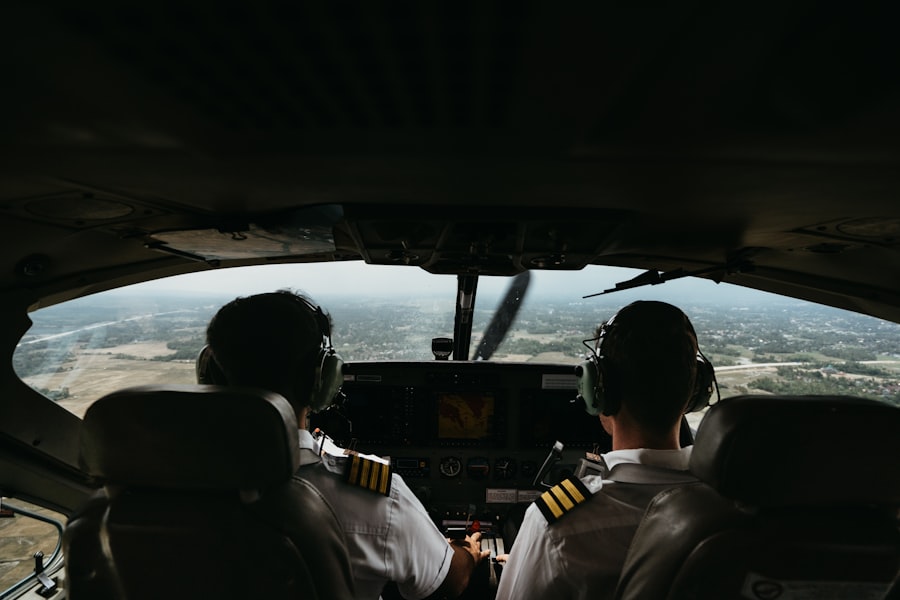
The economic implications of the pilot shortage extend beyond individual airlines; they reverberate throughout entire economies. As airlines struggle to maintain flight schedules due to staffing shortages, they may be forced to reduce capacity or increase ticket prices to offset operational challenges. This can lead to decreased consumer confidence in air travel and reduced demand for flights, ultimately impacting revenue for airlines and related businesses.
Moreover, industries reliant on air transport—such as tourism and international trade—may experience negative repercussions as well. Delays in cargo shipments can disrupt supply chains, leading to increased costs for businesses that depend on timely deliveries. The ripple effects of a pilot shortage can thus create a broader economic impact that extends far beyond the aviation sector itself, underscoring the urgency of addressing this issue.
International Perspectives on the Pilot Shortage
The pilot shortage is not confined to any single country; it is a global issue that affects aviation markets around the world. Different regions may experience varying degrees of severity based on local economic conditions, regulatory environments, and workforce demographics. For instance, emerging markets with rapidly growing aviation sectors may face acute shortages as demand for air travel outpaces the availability of trained pilots.
International organizations such as the International Civil Aviation Organization (ICAO) have recognized the importance of addressing this issue on a global scale. Collaborative efforts among countries can facilitate knowledge sharing and best practices in pilot training and recruitment strategies. By fostering international cooperation, stakeholders can work together to develop solutions that benefit not only their own regions but also contribute to a more robust global aviation workforce.
Future Projections for the Pilot Shortage
Looking ahead, projections indicate that the pilot shortage is likely to persist unless significant changes are made within the industry.
However, if current trends in pilot training and recruitment do not improve, there may be a widening gap between supply and demand.
To mitigate this potential crisis, industry leaders must take proactive measures now. This includes investing in training infrastructure, enhancing recruitment efforts, and fostering partnerships between airlines and educational institutions. By anticipating future needs and addressing them strategically, stakeholders can work towards ensuring a sustainable pipeline of qualified pilots for years to come.
Regulatory Responses to the Pilot Shortage
Regulatory bodies play a crucial role in shaping policies that impact pilot training and certification processes. In light of the ongoing pilot shortage, some regulators have begun exploring potential reforms aimed at streamlining training requirements without compromising safety standards. This may involve revisiting existing regulations related to flight hours or certification processes to make it easier for aspiring pilots to enter the workforce.
However, any regulatory changes must be approached with caution. Safety must remain paramount in all discussions surrounding pilot training and certification. Striking a balance between facilitating entry into the profession and maintaining rigorous safety standards will be essential in addressing the pilot shortage effectively.
Industry Collaboration to Mitigate the Pilot Shortage
Collaboration among industry stakeholders is vital in tackling the pilot shortage comprehensively. Airlines, flight schools, regulatory bodies, and industry associations must come together to share insights and develop coordinated strategies for recruitment and training initiatives. By pooling resources and expertise, stakeholders can create more effective programs that address common challenges faced by aspiring pilots.
Additionally, fostering mentorship programs within airlines can help bridge the gap between experienced pilots and newcomers entering the profession. By providing guidance and support from seasoned aviators, aspiring pilots can gain valuable insights into navigating their careers successfully. Such collaborative efforts can help cultivate a strong sense of community within the aviation industry while also addressing pressing workforce challenges.
Conclusion and Call to Action for Addressing the Pilot Shortage
The pilot shortage represents a critical challenge for the aviation industry that requires immediate attention from all stakeholders involved. As demand for air travel continues to grow, it is imperative that concerted efforts are made to address this issue comprehensively. From enhancing recruitment initiatives and streamlining training processes to fostering collaboration among industry players, there are numerous avenues through which progress can be made.
Ultimately, ensuring a sustainable pipeline of qualified pilots is essential not only for maintaining operational efficiency but also for safeguarding safety standards within aviation. The time for action is now; by working together collaboratively and strategically addressing this pressing issue, stakeholders can help secure a brighter future for both aspiring pilots and the aviation industry as a whole.
The ongoing pilot shortage has raised significant concerns within the aviation industry, prompting discussions about potential solutions and the future of air travel. For a deeper understanding of the implications of this shortage, you can read a related article on the topic at this link. This article explores the factors contributing to the pilot shortage and its impact on airlines and passengers alike.
WATCH THIS! 🌍 THE $15 TRILLION GAMBLE: What Happens If The Strait of Malacca Closes For One Week?
FAQs
What is causing the pilot shortage at ports?
The pilot shortage at ports is primarily caused by an aging workforce, increased retirement rates, and a limited number of new pilots entering the profession. Additionally, the demanding nature of the job and regulatory requirements contribute to the shortage.
How does the pilot shortage affect port operations?
A shortage of pilots can lead to delays in ship docking and departure, increased waiting times for vessels, higher operational costs, and potential disruptions in the supply chain. This can impact the efficiency and competitiveness of ports.
What qualifications are required to become a port pilot?
Port pilots typically need extensive maritime experience, often as ship captains or officers, specialized training in navigating local waters, and certification from relevant maritime authorities. Physical fitness and knowledge of port regulations are also essential.
Are there any initiatives to address the pilot shortage at ports?
Yes, many ports and maritime organizations are implementing recruitment drives, offering training programs, improving working conditions, and investing in technology to assist pilots. Some are also exploring automation and remote piloting solutions.
How long does it take to train a new port pilot?
Training a new port pilot can take several years, often between 3 to 5 years, including gaining sea experience, undergoing specialized local training, and completing certification processes.
Can technology help mitigate the pilot shortage?
Technology such as advanced navigation systems, simulators for training, and remote piloting tools can assist pilots and improve efficiency. However, technology currently complements rather than replaces the need for skilled human pilots.
What impact does the pilot shortage have on global trade?
The pilot shortage can cause delays in port operations, leading to slower cargo handling and increased shipping costs. This can disrupt supply chains and affect the timely delivery of goods in global trade.
Is the pilot shortage a temporary or long-term issue?
While some factors causing the shortage are temporary, such as economic fluctuations, the overall trend suggests a long-term challenge due to demographic changes and the time required to train new pilots. Addressing it requires sustained efforts.