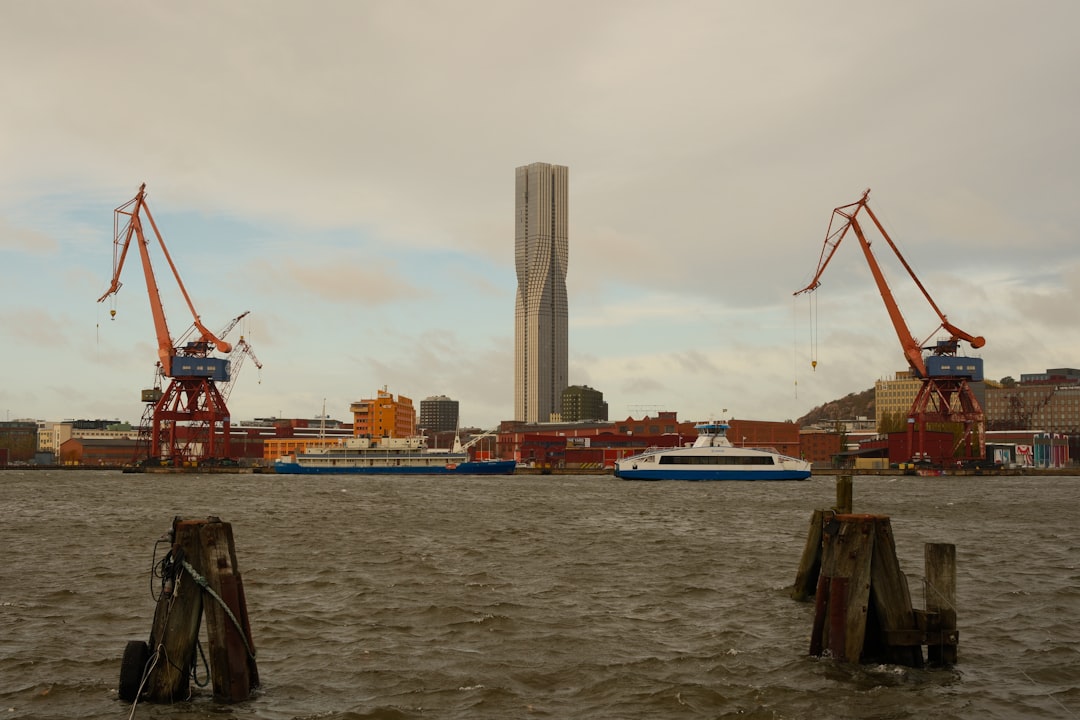
Maritime debris presents substantial navigational hazards that affect both commercial shipping and recreational boating operations. Floating materials including abandoned fishing equipment, plastic waste, and other discarded items create dangerous obstacles in shipping corridors worldwide. These objects can cause significant structural damage to vessel hulls, propulsion systems, and steering mechanisms, resulting in expensive repairs and potential maritime emergencies.
The distribution of debris forces vessels to alter their planned routes, increasing fuel consumption and extending voyage durations. This disruption creates measurable economic impacts through delayed cargo deliveries, increased operational expenses, and reduced fleet efficiency. Commercial shipping companies report substantial annual losses attributed to debris-related incidents and route modifications.
The irregular distribution patterns of maritime debris compound navigational difficulties. While certain regions exhibit consistently high debris concentrations, hazardous materials can appear unexpectedly in previously clear waters due to ocean currents, weather patterns, and human activities. This variability requires vessels to utilize sophisticated detection equipment, including radar systems and sonar technology, to identify potential obstacles.
The maritime industry experiences broader financial consequences beyond immediate vessel damage. Insurance companies have increased premiums for routes with elevated debris risks, while shipping operators face higher maintenance costs and reduced operational reliability. These factors collectively demonstrate that maritime debris represents a critical challenge to global shipping efficiency and maritime safety protocols.
Key Takeaways
- Debris in maritime environments poses significant navigation hazards and environmental threats.
- Advanced technologies enhance detection and efficient removal of maritime debris.
- Effective debris management requires strong collaboration among governments, industries, and international bodies.
- Regulatory frameworks and best practices are essential to mitigate economic and ecological impacts.
- Ongoing case studies and innovations shape the future of sustainable debris removal in maritime operations.
Environmental Consequences of Debris in the Maritime Industry
The environmental consequences of debris in maritime settings are alarming and multifaceted. Marine debris, particularly plastic waste, poses a severe threat to marine ecosystems. Wildlife often ingests or becomes entangled in debris, leading to injury or death.
For instance, sea turtles mistake plastic bags for jellyfish, while seabirds may feed their chicks plastic particles instead of nutritious food. Such interactions disrupt food chains and can lead to population declines in vulnerable species. The degradation of marine habitats due to debris accumulation further exacerbates these issues, as coral reefs and coastal ecosystems suffer from the physical presence of waste.
In addition to direct harm to wildlife, debris contributes to broader environmental degradation. Chemicals leach from plastics into the water, affecting water quality and potentially entering the food chain. This contamination poses risks not only to marine life but also to human health, particularly for communities reliant on fishing for sustenance.
The accumulation of debris in sensitive areas such as estuaries and mangroves can hinder their natural functions, including water filtration and habitat provision. Thus, the environmental consequences of maritime debris extend far beyond immediate visual pollution; they threaten the integrity of entire ecosystems and the health of the planet.
Regulations and Guidelines for Debris Removal in Maritime
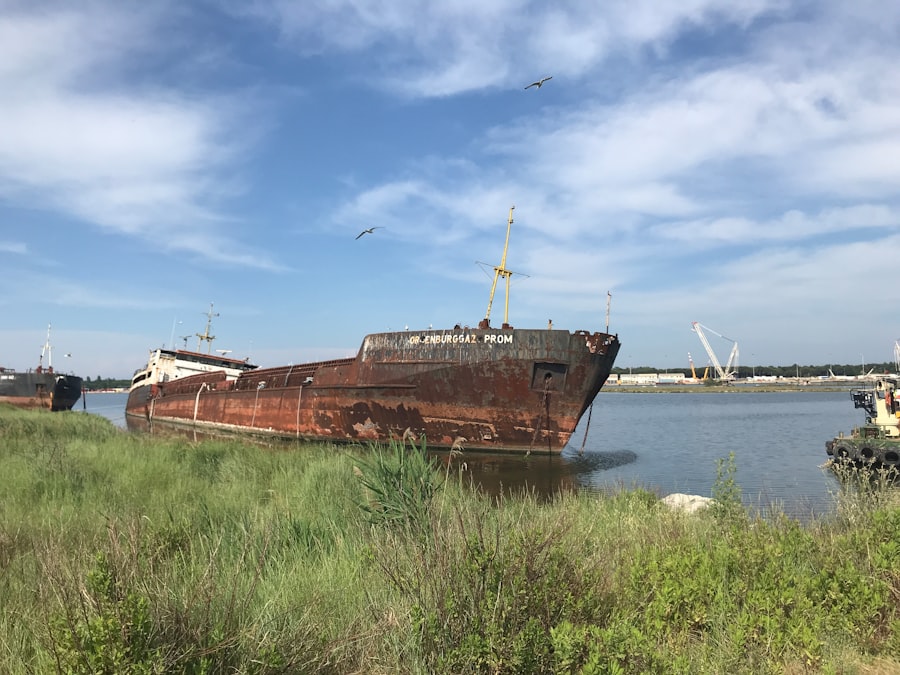
In response to the growing concern over maritime debris, various regulations and guidelines have been established to facilitate debris removal efforts. International agreements, such as the MARPOL Convention, set standards for preventing pollution from ships, including the disposal of waste at sea. These regulations mandate that vessels manage their waste responsibly and report any incidents involving debris.
Additionally, regional initiatives often complement these international frameworks by addressing specific local challenges related to debris accumulation. National governments also play a crucial role in establishing policies that promote effective debris removal strategies. Many countries have implemented laws that require regular clean-up operations in busy shipping lanes and coastal areas.
These regulations often involve collaboration with non-governmental organizations (NGOs) and community groups to enhance public awareness and participation in debris removal efforts. By creating a comprehensive regulatory framework, authorities aim to mitigate the impact of debris on maritime navigation and protect marine environments from further degradation.
The Role of Technology in Debris Detection and Removal
Technology has emerged as a vital ally in the fight against maritime debris, offering innovative solutions for detection and removal. Advanced satellite imagery and aerial drones enable researchers and maritime operators to monitor large areas of ocean surface for floating debris. These technologies provide real-time data that can inform clean-up operations and help identify hotspots where debris accumulates.
Furthermore, machine learning algorithms are increasingly being employed to analyze patterns in debris distribution, allowing for more targeted removal efforts. In addition to detection technologies, advancements in removal methods are also making a significant impact. Autonomous vessels equipped with specialized nets or collection systems are being developed to efficiently gather debris from the ocean surface.
These vessels can operate independently or in coordination with larger ships, significantly increasing the scale and efficiency of clean-up operations. As technology continues to evolve, it holds the promise of transforming how the maritime industry addresses the persistent challenge of debris removal.
Challenges and Risks Associated with Debris Removal in Maritime
| Metric | Description | Typical Values | Unit |
|---|---|---|---|
| Debris Volume Collected | Total volume of maritime debris removed during operations | 10 – 500 | cubic meters |
| Debris Weight | Weight of debris collected from maritime environments | 100 – 10,000 | kilograms |
| Operation Duration | Time taken to complete debris removal missions | 2 – 72 | hours |
| Area Covered | Surface area of water bodies cleaned during operations | 1 – 100 | square kilometers |
| Number of Vessels Used | Count of ships or boats deployed for debris removal | 1 – 10 | units |
| Debris Type Breakdown | Percentage composition of debris types collected | Plastic: 60%, Wood: 25%, Metal: 10%, Others: 5% | percent |
| Cost Efficiency | Cost per cubic meter of debris removed | 50 – 500 | currency units per cubic meter |
| Environmental Impact Reduction | Estimated reduction in pollution levels post-removal | 20 – 80 | percent |
Despite technological advancements, debris removal in maritime environments is fraught with challenges and risks. One significant challenge is the sheer volume and diversity of debris types found in oceans and waterways.
This complexity complicates planning efforts and necessitates a multifaceted approach that can adapt to varying conditions. Additionally, safety risks associated with debris removal operations cannot be overlooked. Crews engaged in clean-up efforts often face hazardous conditions at sea, including rough weather and unpredictable currents.
The presence of sharp or toxic materials within the debris can pose further dangers to personnel involved in removal activities. Moreover, there is a risk that removal operations could inadvertently harm marine life or disrupt delicate ecosystems if not conducted carefully. Addressing these challenges requires thorough planning, training, and adherence to safety protocols to ensure that debris removal efforts do not create additional environmental harm.
Importance of Collaboration and Coordination in Debris Removal Efforts
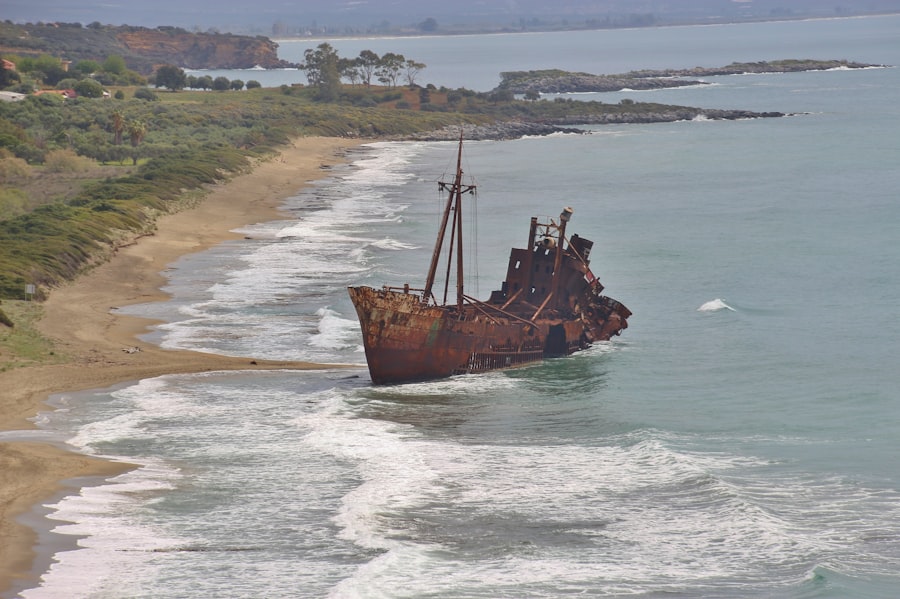
Collaboration and coordination among various stakeholders are essential for effective debris removal efforts in maritime environments. Governments, NGOs, private companies, and local communities must work together to develop comprehensive strategies that address the complexities of marine debris management. By pooling resources and expertise, these stakeholders can enhance the efficiency and effectiveness of clean-up operations while fostering a sense of shared responsibility for protecting marine ecosystems.
International cooperation is particularly crucial given the transboundary nature of marine debris issues. Debris generated in one country can easily drift into another’s waters, necessitating coordinated responses across borders. Initiatives such as international clean-up days or collaborative research projects can help build networks among countries facing similar challenges.
By fostering partnerships at local, national, and international levels, stakeholders can create a unified front against marine debris while promoting sustainable practices that benefit both navigation safety and environmental health.
Economic and Commercial Implications of Debris in Maritime
The economic implications of maritime debris extend beyond immediate clean-up costs; they also affect broader commercial interests within the maritime industry. Shipping companies face increased operational expenses due to delays caused by navigating around debris-laden areas or repairing damage inflicted by collisions with floating objects. These additional costs can ultimately be passed on to consumers through higher shipping rates or increased prices for goods transported by sea.
Moreover, tourism industries reliant on pristine coastal environments may suffer as marine debris tarnishes natural beauty and deters visitors. Beaches littered with trash can lead to decreased tourist activity, impacting local economies dependent on tourism revenue. The fishing industry also faces economic repercussions as fish populations decline due to habitat degradation caused by debris accumulation.
Thus, addressing maritime debris is not only an environmental imperative but also an economic necessity for sustaining livelihoods tied to healthy oceans.
Best Practices for Debris Removal in Maritime Operations
Implementing best practices for debris removal is crucial for maximizing the effectiveness of clean-up efforts while minimizing environmental impact. One key practice involves conducting thorough assessments before initiating removal operations to identify specific types and concentrations of debris present in targeted areas. This information allows teams to tailor their strategies accordingly, ensuring that resources are allocated efficiently.
Another best practice is engaging local communities in clean-up initiatives. Community involvement fosters a sense of ownership over local marine environments while raising awareness about the importance of responsible waste management practices. Educational programs can empower individuals to take action against marine pollution by organizing beach clean-ups or advocating for policy changes at local levels.
By integrating community engagement into debris removal efforts, organizations can create lasting change that extends beyond individual clean-up events.
The Role of Government and International Organizations in Debris Removal
Governments and international organizations play pivotal roles in orchestrating efforts to combat maritime debris through policy development, funding initiatives, and collaborative programs. National governments are responsible for enforcing regulations that govern waste management practices within their jurisdictions while providing resources for clean-up operations along coastlines and shipping routes. International organizations such as the United Nations Environment Programme (UNEP) facilitate global cooperation by promoting awareness campaigns and providing technical assistance to countries grappling with marine pollution challenges.
Initiatives like the Global Partnership on Marine Litter aim to unite stakeholders across sectors—governments, NGOs, academia—to share knowledge and best practices for addressing marine debris effectively. By leveraging their influence and resources, these entities can drive meaningful progress toward reducing maritime pollution on a global scale.
Case Studies of Successful Debris Removal Projects in Maritime
Several successful case studies illustrate effective approaches to maritime debris removal that can serve as models for future initiatives. One notable example is the Ocean Cleanup project, which employs innovative technology designed specifically for collecting plastic waste from ocean gyres. By utilizing a passive collection system that harnesses ocean currents, this initiative has demonstrated significant potential for reducing plastic pollution on a large scale.
Another successful project is the “Clean Up Australia Day,” which mobilizes thousands of volunteers across Australia each year to remove litter from beaches and waterways. This grassroots effort not only results in tangible improvements to local environments but also raises awareness about marine pollution issues among participants and their communities. These case studies highlight how diverse strategies—ranging from technological innovations to community engagement—can effectively address maritime debris challenges while inspiring collective action toward cleaner oceans.
Future Outlook for Debris Removal in the Maritime Industry
The future outlook for debris removal in the maritime industry appears promising as awareness grows regarding the importance of addressing marine pollution challenges. Continued advancements in technology will likely enhance detection capabilities while improving efficiency during clean-up operations.
Furthermore, increased collaboration among stakeholders—governments, NGOs, private sector entities—will foster more comprehensive approaches toward tackling maritime debris issues holistically rather than piecemeal solutions focused solely on clean-up efforts alone. As public awareness continues to rise regarding environmental sustainability concerns associated with marine pollution, there is hope that collective action will lead not only to cleaner oceans but also healthier ecosystems capable of supporting diverse marine life for generations to come. In conclusion, addressing maritime debris requires a multifaceted approach that encompasses technological innovation, regulatory frameworks, community engagement, and international cooperation.
By recognizing the interconnectedness between navigation safety, environmental health, economic viability, and social responsibility within this context—stakeholders can work together toward creating sustainable solutions that benefit both current generations and future ones alike.
In the ongoing efforts to maintain the health of our oceans, the importance of debris removal in maritime environments cannot be overstated. A related article that delves into innovative strategies for tackling marine debris can be found at