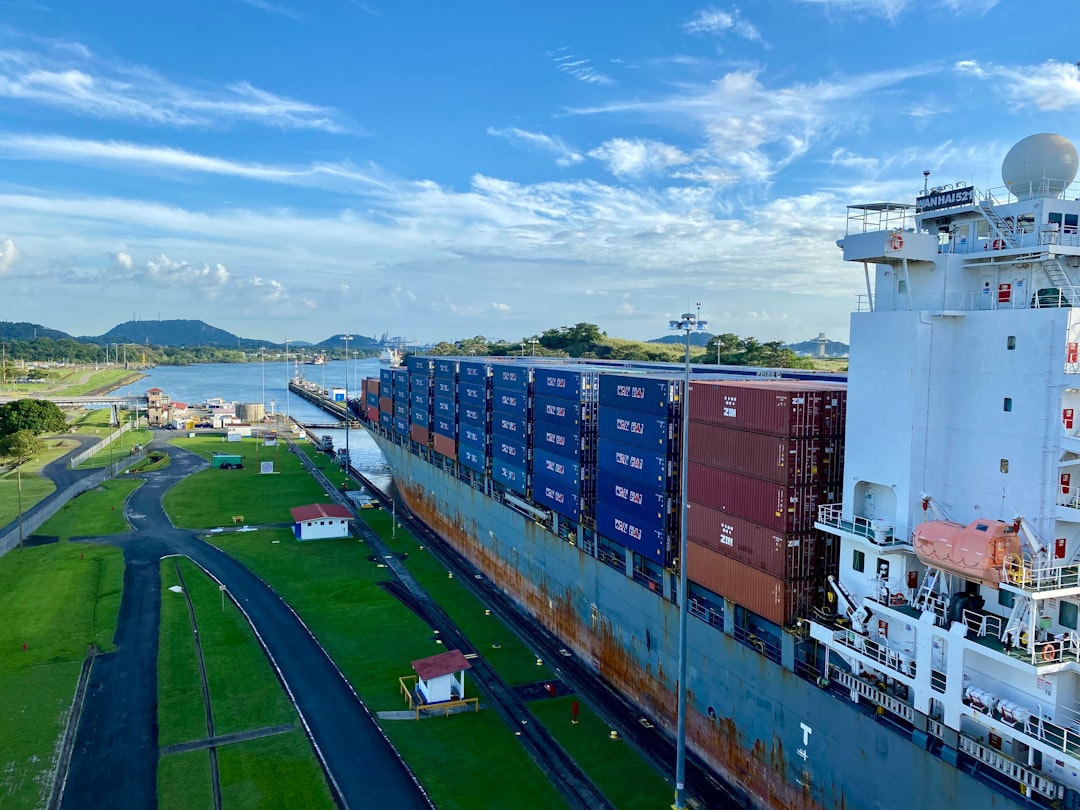
Shipping costs directly affect business profitability and operational efficiency. These expenses typically represent a significant portion of operational costs for e-commerce and retail companies, directly impacting pricing strategies and profit margins. When shipping costs increase, businesses must choose between reducing their profit margins or raising prices, which can affect sales volume and customer retention.
Shipping expenses influence supply chain management and inventory decisions. High shipping costs often require businesses to modify their logistics strategies, which may result in extended delivery times or reduced service quality. These operational changes can affect customer satisfaction, particularly as consumers increasingly expect fast delivery options.
Effective shipping cost management requires businesses to monitor expenses while considering their effects on overall operations and customer relationships.
Key Takeaways
- Shipping costs significantly influence overall business operations and profitability.
- Key factors affecting shipping costs include transportation mode, distance, and shipment size.
- Technology and route optimization can effectively reduce shipping expenses.
- Negotiating with carriers and consolidating shipments help achieve cost savings.
- Sustainable practices and global trade agreements play a growing role in managing shipping costs strategically.
Identifying Key Factors Affecting Shipping Costs
Several factors contribute to the determination of shipping costs, and understanding these elements is vital for businesses aiming to optimize their logistics. One of the primary factors is the weight and dimensions of the package being shipped. Heavier and bulkier items typically incur higher shipping fees due to the increased resources required for transportation.
Additionally, the distance between the shipping origin and destination plays a significant role; longer distances generally result in higher costs due to fuel consumption and time spent in transit. Another critical factor is the choice of shipping carrier. Different carriers have varying pricing structures, service levels, and delivery times.
Businesses must evaluate their options carefully, as selecting a carrier that aligns with their operational needs can lead to significant cost savings. Furthermore, seasonal fluctuations can also impact shipping costs. During peak seasons, such as holidays, carriers may increase their rates due to heightened demand for shipping services.
Understanding these key factors allows businesses to make strategic decisions that can mitigate shipping expenses.
Evaluating Different Transportation Modes and Their Cost Implications
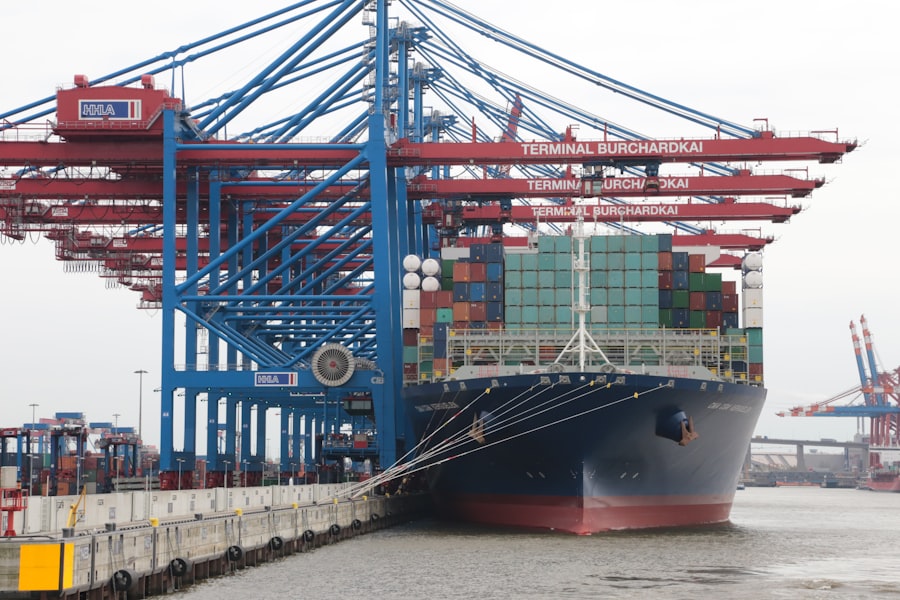
When it comes to shipping goods, businesses have several transportation modes at their disposal, each with its own cost implications. The most common modes include air freight, ground transportation, and ocean freight. Air freight is often the fastest option but comes with a premium price tag.
It is ideal for time-sensitive shipments but may not be feasible for businesses with tight budgets or non-urgent deliveries. Ground transportation, on the other hand, offers a balance between cost and speed, making it a popular choice for domestic shipments. Ocean freight is typically the most economical option for transporting large volumes of goods over long distances.
However, it comes with longer transit times and may involve additional costs related to port handling and customs clearance. Businesses must carefully assess their shipping needs and consider factors such as delivery timelines, product types, and budget constraints when selecting a transportation mode. By evaluating these options thoroughly, companies can optimize their shipping strategies and reduce overall costs.
Leveraging Technology to Optimize Shipping Routes and Reduce Costs
In today’s digital age, technology plays a crucial role in enhancing shipping efficiency and reducing costs. Advanced software solutions enable businesses to analyze shipping routes in real-time, allowing them to identify the most efficient paths for their deliveries. By leveraging route optimization tools, companies can minimize fuel consumption and transit times while maximizing delivery reliability.
This not only leads to cost savings but also enhances customer satisfaction through timely deliveries. Additionally, technology facilitates better communication between businesses and their shipping partners. Real-time tracking systems provide visibility into shipment status, enabling companies to proactively address any potential delays or issues that may arise during transit.
This level of transparency fosters trust between businesses and customers while allowing for more informed decision-making regarding logistics operations. By embracing technological advancements, companies can streamline their shipping processes and achieve significant cost reductions.
Negotiating Favorable Rates with Shipping Carriers
| Metric | Description | Typical Range | Impact on Shipping Costs |
|---|---|---|---|
| Additional Distance (miles) | Extra miles added due to rerouting | 10 – 500 | Increases fuel and labor costs proportionally |
| Delay Time (hours) | Additional transit time caused by rerouting | 1 – 48 | May increase labor and storage costs |
| Fuel Surcharge (%) | Percentage increase in fuel costs due to rerouting | 5% – 20% | Directly increases total shipping cost |
| Handling Fees | Extra fees for rerouting processing | 10 – 100 | Fixed cost increase per shipment |
| Customer Notification Cost | Cost to inform customers about rerouting | 5 – 50 | Minor increase in administrative expenses |
| Risk of Damage (%) | Increased risk of product damage due to rerouting | 1% – 5% | Potential increase in claims and replacements |
Negotiating favorable rates with shipping carriers is an essential strategy for businesses looking to manage their shipping costs effectively. Establishing strong relationships with carriers can lead to better pricing agreements and service terms. Companies should approach negotiations armed with data on their shipping volumes and patterns, as this information can provide leverage during discussions.
Carriers are often more willing to offer discounts or special rates to businesses that demonstrate consistent shipping needs. Moreover, businesses should not hesitate to explore multiple carrier options during negotiations. By comparing rates from different providers, companies can identify competitive pricing structures that align with their budgetary constraints.
Additionally, leveraging long-term contracts or commitments can further enhance negotiating power, as carriers may be more inclined to offer favorable terms in exchange for guaranteed business over an extended period. Ultimately, effective negotiation strategies can lead to substantial savings on shipping costs.
Implementing Just-In-Time Inventory Management to Minimize Shipping Costs
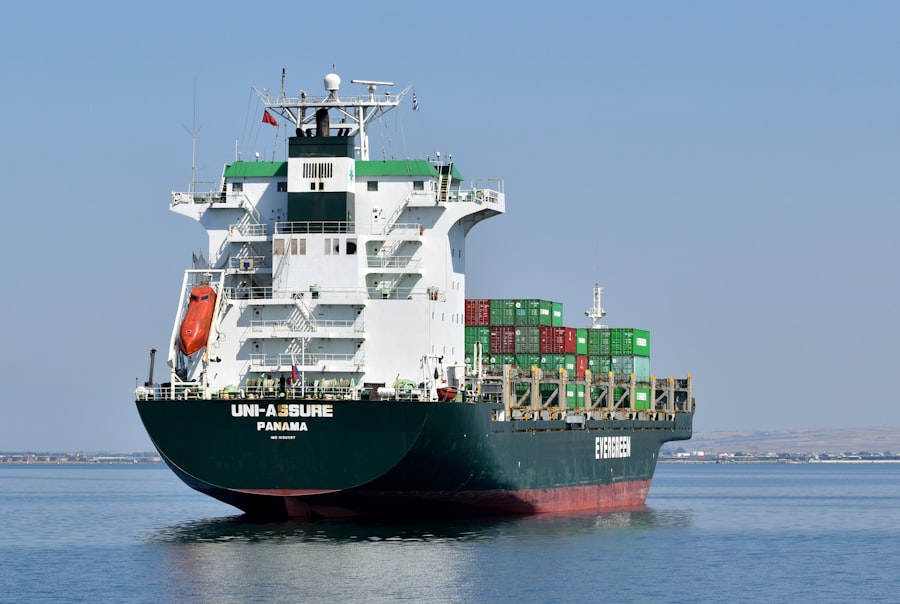
Just-In-Time (JIT) inventory management is a strategy that can significantly reduce shipping costs by minimizing excess inventory and optimizing order fulfillment processes. By adopting JIT principles, businesses can align their inventory levels closely with customer demand, reducing the need for large stockpiles of goods that require frequent replenishment. This approach not only lowers storage costs but also streamlines shipping operations by ensuring that products are shipped only when needed.
Implementing JIT inventory management requires careful coordination between suppliers and logistics partners. Businesses must establish reliable communication channels to ensure timely deliveries that align with production schedules and customer orders. While JIT can lead to cost savings in shipping and inventory management, it also necessitates a commitment to maintaining strong relationships with suppliers to avoid disruptions in the supply chain.
When executed effectively, JIT can enhance operational efficiency while minimizing shipping-related expenses.
Analyzing the Potential Benefits of Consolidating Shipments
Consolidating shipments is another effective strategy for reducing shipping costs while improving operational efficiency. By grouping multiple orders into a single shipment, businesses can take advantage of bulk pricing discounts offered by carriers.
However, consolidation requires careful planning and coordination among various stakeholders within the supply chain. Businesses must assess order patterns and delivery schedules to determine the optimal timing for consolidating shipments without compromising customer service levels. Additionally, effective communication with customers regarding delivery timelines is essential to manage expectations when implementing consolidation strategies.
When executed thoughtfully, shipment consolidation can yield significant cost savings while enhancing overall supply chain efficiency.
Exploring the Role of Sustainable Practices in Reducing Shipping Costs
Sustainability has become an increasingly important consideration for businesses seeking to reduce shipping costs while minimizing their environmental impact. Implementing sustainable practices in logistics can lead to cost savings through improved efficiency and reduced waste. For instance, optimizing packaging materials can decrease both weight and volume, resulting in lower shipping fees while also reducing material usage.
Furthermore, adopting eco-friendly transportation options such as electric vehicles or utilizing alternative fuels can lead to long-term cost savings by decreasing fuel expenses and maintenance costs associated with traditional vehicles. Many consumers today prioritize sustainability when making purchasing decisions; therefore, businesses that embrace green logistics practices may also enhance their brand reputation and attract environmentally conscious customers. By integrating sustainability into their shipping strategies, companies can achieve both cost reductions and positive environmental outcomes.
Considering the Impact of Global Trade Agreements on Shipping Costs
Global trade agreements play a significant role in shaping shipping costs by influencing tariffs, duties, and regulations that affect international trade flows. Businesses engaged in cross-border commerce must stay informed about changes in trade policies that could impact their shipping expenses. For instance, favorable trade agreements may reduce tariffs on imported goods, leading to lower overall costs for businesses that rely on international suppliers.
Companies must conduct thorough analyses of how global trade agreements affect their supply chains and logistics operations to remain competitive in an ever-evolving marketplace. By proactively addressing these factors, businesses can mitigate potential cost increases associated with international shipping.
Developing a Comprehensive Shipping Cost Management Strategy
A comprehensive shipping cost management strategy is essential for businesses aiming to optimize their logistics operations while minimizing expenses. This strategy should encompass various elements such as route optimization, carrier negotiations, inventory management practices, and technology integration. By taking a holistic approach to managing shipping costs, companies can identify opportunities for improvement across multiple facets of their operations.
Regularly reviewing shipping performance metrics is also crucial for assessing the effectiveness of cost management strategies. Businesses should analyze key performance indicators such as delivery times, carrier performance, and overall shipping expenses to identify trends and areas for improvement. By continuously refining their approach based on data-driven insights, companies can adapt to changing market conditions while maintaining control over their shipping costs.
Case Studies: Successful Examples of Companies Rerouting Shipping Costs for Strategic Advantage
Numerous companies have successfully implemented strategies to reroute their shipping costs for strategic advantage, demonstrating the effectiveness of thoughtful logistics management. For instance, a leading e-commerce retailer adopted advanced route optimization software that allowed them to analyze real-time traffic data and adjust delivery routes accordingly. This initiative resulted in significant reductions in fuel consumption and delivery times while enhancing customer satisfaction through timely deliveries.
Another example involves a manufacturing company that embraced Just-In-Time inventory management principles alongside shipment consolidation strategies. By closely aligning production schedules with customer demand and consolidating shipments from multiple suppliers into fewer deliveries, they achieved substantial cost savings while improving operational efficiency. These case studies illustrate how proactive approaches to managing shipping costs can yield tangible benefits for businesses across various industries.
In conclusion, understanding the multifaceted nature of shipping costs is essential for businesses seeking to optimize their operations and enhance profitability. By identifying key factors affecting these costs, evaluating transportation modes, leveraging technology, negotiating favorable rates, implementing efficient inventory management practices, consolidating shipments strategically, embracing sustainability initiatives, considering global trade impacts, developing comprehensive management strategies, and learning from successful case studies, companies can navigate the complexities of logistics effectively while minimizing expenses.
In the ever-evolving landscape of global trade, managing shipping costs has become a critical focus for businesses. A recent article discusses innovative strategies for rerouting shipping costs to enhance efficiency and reduce expenses. For more insights on this topic, you can read the full article [here](https://www.mygeoquest.com/sample-page/).
WATCH THIS! 🌍 THE $15 TRILLION GAMBLE: What Happens If The Strait of Malacca Closes For One Week?
FAQs
What does rerouting shipping costs mean?
Rerouting shipping costs refers to the process of changing the original shipping route or method, which can affect the overall expenses associated with transporting goods. This may involve selecting alternative carriers, routes, or modes of transportation to optimize cost or delivery time.
Why would a company need to reroute shipping costs?
Companies may need to reroute shipping costs due to factors such as supply chain disruptions, changes in demand, port congestion, weather conditions, or to take advantage of more cost-effective routes or carriers.
How does rerouting impact the total shipping cost?
Rerouting can either increase or decrease total shipping costs depending on the new route’s distance, mode of transport, fuel prices, tariffs, and handling fees. It may also affect delivery times and reliability.
Are there any risks associated with rerouting shipping?
Yes, rerouting can introduce risks such as delays, increased handling, potential damage to goods, customs complications, and higher administrative costs.
Can rerouting shipping costs help reduce environmental impact?
Potentially, yes. Choosing more efficient routes or transportation modes can reduce fuel consumption and emissions, contributing to a lower environmental footprint.
Who is responsible for the additional costs incurred from rerouting?
Responsibility depends on the terms of the shipping contract. Sometimes the shipper, consignee, or carrier may bear additional costs, or they may be shared according to agreed terms.
How can businesses manage rerouting shipping costs effectively?
Businesses can manage rerouting costs by maintaining flexible logistics plans, using real-time tracking, negotiating contracts with carriers, and employing supply chain management software to optimize routes and costs.
Is rerouting shipping costs common in global trade?
Yes, rerouting is a common practice in global trade to adapt to changing conditions, optimize expenses, and ensure timely delivery of goods.