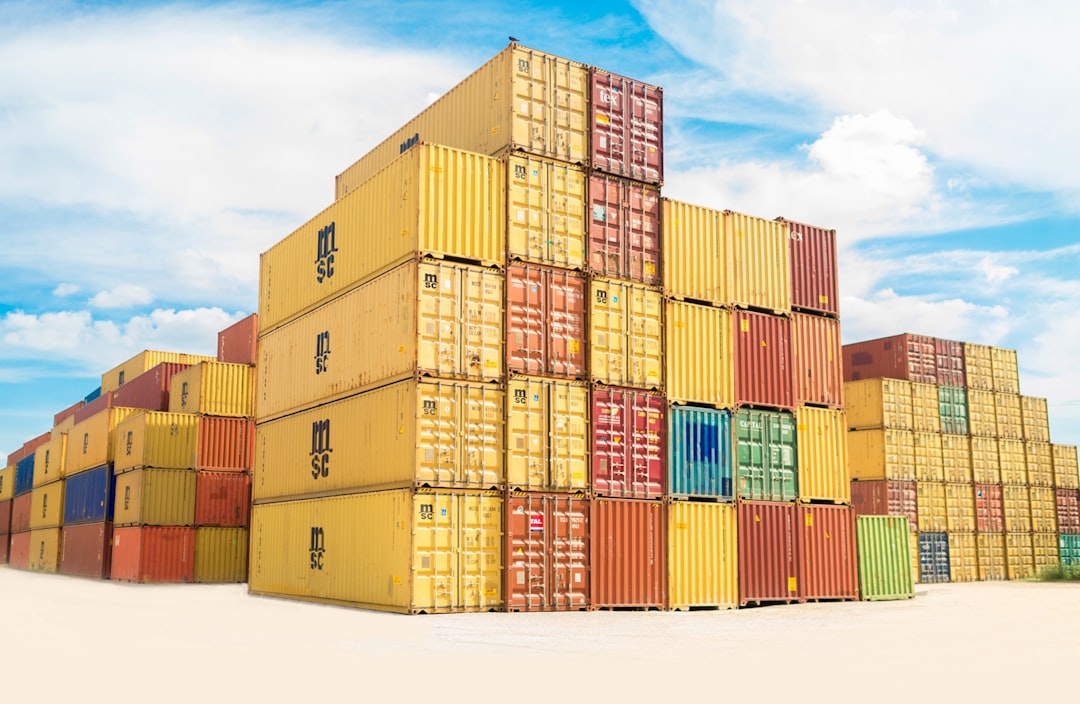
The Timor Sea is a body of water situated between northern Australia and the island of Timor, covering approximately 610,000 square kilometers. The sea extends roughly 1,000 kilometers east to west and varies in width from 200 to 500 kilometers north to south. It forms part of the Indo-Pacific maritime network, connecting the Indian and Pacific Oceans through the Indonesian archipelago.
The region contains substantial hydrocarbon reserves, with major oil and gas fields including the Greater Sunrise, Bayu-Undan, and Kitan fields. These resources are extracted through joint development agreements between Australia and Timor-Leste, following the establishment of maritime boundaries under the 2018 Treaty on Certain Maritime Arrangements in the Timor Sea. The sea floor geology consists primarily of sedimentary basins formed during the Mesozoic and Cenozoic eras, creating favorable conditions for petroleum accumulation.
Maritime traffic through the Timor Sea includes commercial shipping routes connecting Australian ports with Southeast Asian destinations, as well as vessels servicing the offshore petroleum industry. The sea experiences tropical maritime climate conditions, with distinct wet and dry seasons influenced by monsoon patterns. Water depths range from shallow coastal areas to over 3,000 meters in the Timor Trough, which marks the boundary between the Australian and Eurasian tectonic plates.
Navigation in the Timor Sea requires adherence to international maritime regulations and bilateral agreements between coastal states. The area falls under multiple jurisdictions, with Australia and Timor-Leste maintaining sovereign rights over their respective maritime zones as defined by the United Nations Convention on the Law of the Sea.
Key Takeaways
- The Timor Sea presents unique shipping challenges due to its weather, navigation hazards, and regulatory complexities.
- Environmental protection and conservation efforts are critical to maintaining the sea’s ecological balance amid shipping activities.
- Advanced technology and navigation aids enhance safety and efficiency for vessels operating in the Timor Sea.
- Collaboration among governments, industry stakeholders, and local communities is essential for sustainable shipping practices.
- Ongoing training and education for shipping personnel support safer operations and prepare for future developments in the region.
Shipping challenges in the Timor Sea
Shipping in the Timor Sea is fraught with challenges that can complicate operations for vessels traversing its waters. One of the primary concerns is the presence of shallow reefs and underwater hazards that can pose significant risks to navigation. These geographical features require careful planning and precise navigation to avoid accidents that could lead to grounding or collisions.
Additionally, the sea’s relatively narrow shipping lanes can become congested, particularly during peak shipping seasons, increasing the likelihood of navigational errors. Another challenge faced by shipping companies operating in the Timor Sea is the political landscape surrounding maritime boundaries and resource rights. Disputes over territorial waters between Australia and East Timor have led to complex legal considerations that can impact shipping operations.
Companies must navigate these legal frameworks carefully to ensure compliance with international laws and local regulations, which can vary significantly from one jurisdiction to another. This complexity adds an additional layer of difficulty for shipping operators who must remain vigilant in their adherence to legal requirements while managing their logistical operations.
Weather conditions and navigation hazards
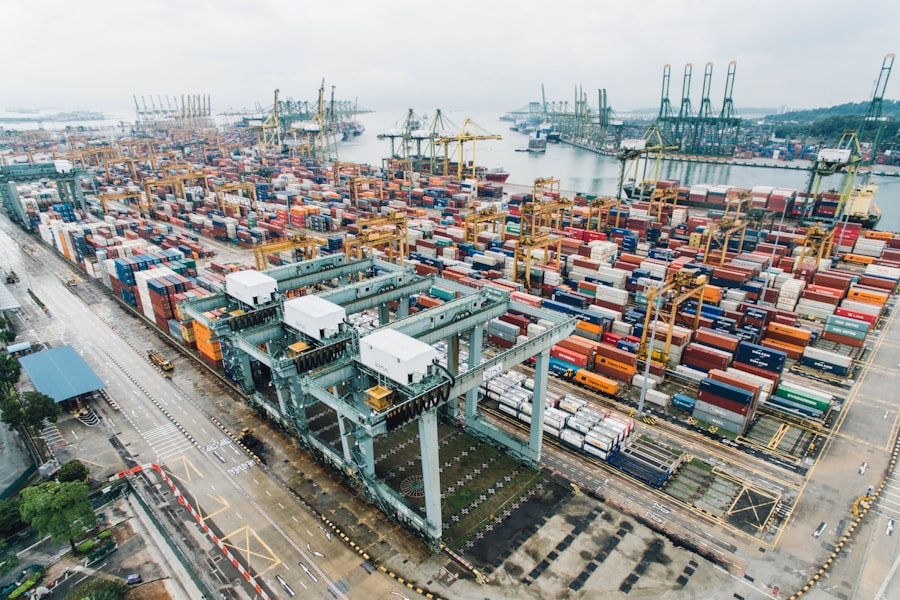
The weather conditions in the Timor Sea can be unpredictable and often severe, presenting additional challenges for maritime navigation. The region experiences a tropical climate characterized by distinct wet and dry seasons, with the wet season typically bringing heavy rainfall and strong winds. These weather patterns can lead to rough seas and reduced visibility, making navigation particularly hazardous for vessels operating in the area.
Mariners must be well-versed in meteorological forecasts and prepared to adjust their routes accordingly to avoid adverse weather conditions. In addition to the challenges posed by weather, the Timor Sea is also home to various natural hazards that can complicate navigation. Strong currents, particularly during seasonal changes, can affect a vessel’s course and speed, requiring skilled seamanship to maintain safe navigation.
Furthermore, the presence of marine life, such as large schools of fish or migrating whales, can pose unexpected risks for vessels traveling through these waters. As such, mariners must remain vigilant and adaptable to ensure safe passage through this dynamic maritime environment.
Regulatory and legal considerations for shipping in the Timor Sea
The regulatory landscape governing shipping in the Timor Sea is complex and multifaceted, shaped by both national laws and international agreements. The United Nations Convention on the Law of the Sea (UNCLOS) provides a framework for maritime governance, establishing guidelines for territorial waters, exclusive economic zones (EEZs), and navigational rights. However, disputes over maritime boundaries between Australia and East Timor have led to ongoing negotiations and legal challenges that can impact shipping operations in the region.
Shipping companies must navigate these regulatory complexities carefully to ensure compliance with all applicable laws. This includes obtaining necessary permits for operations within designated maritime zones and adhering to environmental regulations aimed at protecting marine ecosystems. Additionally, companies must stay informed about any changes in legislation or international agreements that may affect their operations in the Timor Sea.
Failure to comply with these regulations can result in significant penalties, including fines or restrictions on future operations.
Environmental concerns and conservation efforts
| Metric | Value | Unit | Notes |
|---|---|---|---|
| Annual Shipping Volume | 12 | Million Tonnes | Estimated cargo throughput in Timor Sea region |
| Number of Vessels | 150 | Ships per year | Includes bulk carriers, tankers, and container ships |
| Average Transit Time | 36 | Hours | Typical shipping time across Timor Sea routes |
| Major Ports | Darwin, Dili, Kupang | Locations | Key ports servicing Timor Sea shipping |
| Primary Cargo Types | Oil, Gas, Minerals, General Cargo | Categories | Dominant commodities transported |
| Shipping Incidents (Last Year) | 3 | Incidents | Reported accidents or delays in the region |
| Average Shipping Cost | 1200 | Per TEU | Estimated cost for container shipping |
The Timor Sea is home to diverse marine ecosystems that are vital for maintaining ecological balance and supporting local fisheries. However, increased shipping activity poses significant environmental risks, including oil spills, marine pollution, and habitat destruction. These concerns have prompted calls for greater conservation efforts to protect the region’s fragile ecosystems from the impacts of maritime operations.
In response to these environmental challenges, various organizations and governments have initiated conservation programs aimed at safeguarding marine biodiversity in the Timor Sea. These efforts include establishing marine protected areas (MPAs) where fishing and shipping activities are restricted or regulated to minimize ecological disruption. Additionally, initiatives focused on sustainable fishing practices aim to balance economic interests with environmental stewardship, ensuring that local communities can continue to rely on marine resources without compromising the health of the ecosystem.
Technology and navigation aids for safer shipping in the Timor Sea
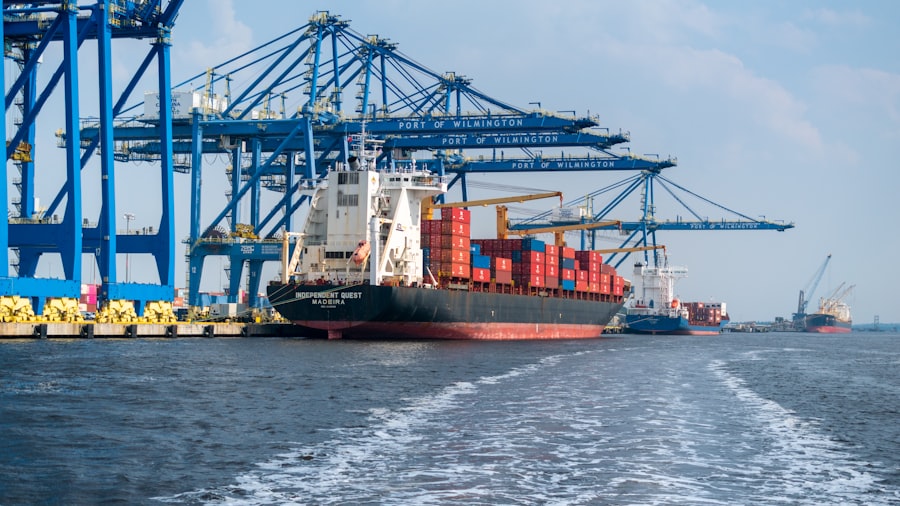
Advancements in technology have played a crucial role in enhancing safety and efficiency for shipping operations in the Timor Sea. Modern vessels are equipped with sophisticated navigation systems that utilize satellite technology, radar, and electronic chart display systems to provide real-time information about a ship’s position and surrounding hazards. These tools enable mariners to make informed decisions about their routes and adjust their navigation strategies as needed.
Moreover, the implementation of Automatic Identification Systems (AIS) has improved situational awareness among vessels operating in the Timor Sea. AIS allows ships to communicate their positions and intentions with one another, reducing the risk of collisions in congested waters. Additionally, ongoing research into developing autonomous vessels holds promise for further enhancing safety by minimizing human error in navigation.
As technology continues to evolve, it is expected that shipping operations in the Timor Sea will become increasingly safer and more efficient.
Collaboration and cooperation among stakeholders in the Timor Sea
Effective collaboration among stakeholders is essential for addressing the challenges associated with shipping in the Timor Sea. This includes cooperation between governments, shipping companies, environmental organizations, and local communities to develop comprehensive strategies for managing maritime activities in the region. By fostering open communication and collaboration, stakeholders can work together to identify common goals and develop solutions that benefit all parties involved.
One example of successful collaboration is the establishment of joint maritime patrols aimed at enhancing safety and security in the Timor Sea. These initiatives involve cooperation between Australia and East Timor’s naval forces to monitor shipping activities, enforce regulations, and respond to emergencies.
Case studies of successful shipping operations in the Timor Sea
Several case studies highlight successful shipping operations within the Timor Sea that demonstrate effective navigation strategies and adherence to regulatory frameworks. One notable example involves a major oil company that implemented advanced risk management practices while transporting crude oil through this challenging maritime environment. By utilizing state-of-the-art navigation technology and conducting thorough risk assessments prior to each voyage, the company was able to minimize potential hazards while ensuring compliance with environmental regulations.
Another case study focuses on a regional shipping company that has successfully integrated sustainable practices into its operations in the Timor Sea. By adopting eco-friendly technologies such as fuel-efficient engines and waste management systems, this company has reduced its environmental footprint while maintaining profitability. Their commitment to sustainability has not only enhanced their reputation but also set a benchmark for other operators in the region seeking to balance economic interests with environmental stewardship.
Training and education for shipping personnel in the Timor Sea
Training and education play a vital role in ensuring that personnel involved in shipping operations in the Timor Sea are equipped with the necessary skills and knowledge to navigate its challenges effectively. Comprehensive training programs focused on maritime safety, environmental regulations, and emergency response procedures are essential for preparing crew members for potential hazards they may encounter while at sea. Furthermore, ongoing professional development opportunities are crucial for keeping personnel informed about advancements in technology and best practices within the industry.
By investing in training initiatives that emphasize continuous learning, shipping companies can enhance their workforce’s capabilities while promoting a culture of safety and environmental responsibility among their employees.
Future developments and opportunities in shipping in the Timor Sea
As global trade continues to evolve, new opportunities are emerging within the shipping industry in the Timor Sea. The increasing demand for energy resources has led to renewed interest in exploring offshore oil and gas reserves within this region, presenting potential growth prospects for shipping operations related to energy transportation. Additionally, advancements in renewable energy technologies may open new avenues for sustainable shipping practices that align with global efforts toward reducing carbon emissions.
Moreover, as international trade routes shift due to geopolitical changes or economic developments, there may be opportunities for enhancing connectivity between Southeast Asia and Australia through improved shipping infrastructure.
The future of navigating the Timor Sea
The future of navigating the Timor Sea presents both challenges and opportunities for stakeholders involved in maritime activities within this vital region. As shipping operations continue to expand amid evolving geopolitical landscapes and environmental concerns, it will be essential for all parties involved—governments, companies, local communities—to collaborate effectively toward sustainable solutions that prioritize safety while protecting marine ecosystems. By embracing technological advancements, fostering cooperation among stakeholders, investing in training initiatives, and prioritizing environmental stewardship, there is potential for creating a safer and more efficient maritime environment within the Timor Sea.
As global trade dynamics shift over time, navigating this critical waterway will require adaptability and innovation from all those who rely on its resources for economic prosperity while safeguarding its ecological integrity for future generations.
The Timor Sea shipping routes play a crucial role in regional trade and maritime logistics, making it essential to stay informed about the latest developments in this area. For a deeper understanding of the geographical significance and shipping dynamics in the region, you can read more in this related article: Timor Sea Shipping Insights. This resource provides valuable information on shipping practices and the economic impact of maritime activities in the Timor Sea.
WATCH THIS! 🌍 THE $15 TRILLION GAMBLE: What Happens If The Strait of Malacca Closes For One Week?
FAQs
What is the Timor Sea?
The Timor Sea is a relatively shallow sea located between the northern coast of Australia and the southern coast of the island of Timor. It is part of the eastern Indian Ocean and is known for its rich natural resources, including oil and gas reserves.
What types of shipping activities occur in the Timor Sea?
Shipping activities in the Timor Sea primarily include the transportation of oil and gas products, commercial fishing, and cargo shipping. The sea is also used for offshore oil and gas exploration and production, which involves the movement of equipment and personnel.
Are there any major ports in the Timor Sea region?
Major ports near the Timor Sea include Darwin in Australia and Dili in East Timor. These ports serve as key hubs for shipping, logistics, and the export of natural resources extracted from the Timor Sea.
Is the Timor Sea a busy shipping route?
While the Timor Sea is not one of the world’s busiest shipping lanes, it is strategically important for regional trade and energy exports. Shipping traffic mainly consists of vessels supporting the oil and gas industry, fishing fleets, and regional cargo ships.
What are the environmental concerns related to shipping in the Timor Sea?
Environmental concerns include the risk of oil spills, disruption to marine ecosystems, and pollution from shipping activities. Efforts are made to regulate shipping and offshore operations to minimize environmental impact and protect marine biodiversity.
Who governs shipping regulations in the Timor Sea?
Shipping regulations in the Timor Sea are governed by the maritime authorities of the surrounding countries, primarily Australia and East Timor. International maritime laws and agreements also apply to ensure safe and environmentally responsible shipping practices.
Can commercial vessels freely navigate the Timor Sea?
Yes, commercial vessels can navigate the Timor Sea, but they must comply with international maritime laws and the regulations set by the coastal states. Certain areas may have restrictions due to offshore oil and gas operations or environmental protection zones.
What role does the Timor Sea play in regional trade?
The Timor Sea serves as a conduit for the export of natural resources, particularly oil and gas, from offshore fields to global markets. It also supports regional trade between Australia, East Timor, and neighboring countries through cargo shipping routes.