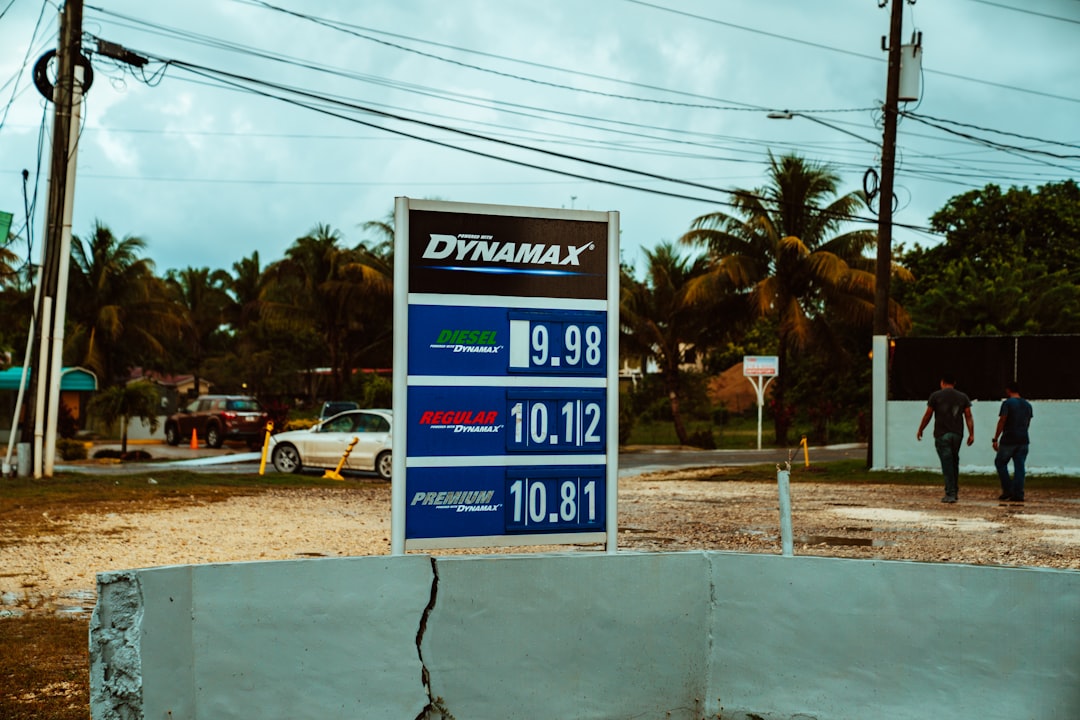
Global oil pricing is a complex and multifaceted subject that plays a crucial role in the world economy. Oil, often referred to as “black gold,” is one of the most traded commodities globally, and its price fluctuations can have far-reaching implications for nations, businesses, and consumers alike. The pricing of oil is not merely a reflection of supply and demand; it is influenced by a myriad of factors, including geopolitical tensions, economic indicators, and market speculation.
Understanding the intricacies of global oil pricing is essential for grasping how it affects everything from fuel costs at the pump to the broader economic landscape. The significance of oil pricing extends beyond mere economics; it is intertwined with political stability, environmental concerns, and technological advancements. As countries strive for energy independence and seek to transition to renewable sources, the dynamics of oil pricing continue to evolve.
This article aims to explore the various factors that influence global oil prices, the role of organizations like OPEC, and the implications of these prices on the global economy.
Key Takeaways
- Global oil prices are shaped by complex interactions of supply, demand, and geopolitical factors.
- OPEC plays a crucial role in stabilizing and influencing oil prices through production controls.
- Economic indicators and currency exchange rates significantly impact oil price fluctuations.
- Speculation and financial instruments like futures and options contribute to price volatility.
- Oil pricing has profound implications for the global economy, affecting inflation, trade, and growth.
Factors Influencing Global Oil Prices
Several key factors influence global oil prices, each contributing to the volatility that characterizes this market. One of the primary determinants is the balance between supply and demand. When demand for oil rises—due to economic growth or seasonal factors—prices tend to increase.
Conversely, when supply outstrips demand, prices typically fall. However, this relationship is not always straightforward, as external factors can significantly impact both supply and demand. Another critical factor is geopolitical stability in oil-producing regions.
Countries rich in oil reserves often experience political turmoil, which can disrupt production and lead to price spikes. For instance, conflicts in the Middle East have historically resulted in significant fluctuations in oil prices due to fears of supply disruptions. Additionally, government policies and regulations regarding oil production and environmental standards can also affect pricing.
As nations implement stricter regulations or incentivize alternative energy sources, the dynamics of oil pricing may shift dramatically.
Supply and Demand Dynamics in the Oil Market
The interplay between supply and demand is fundamental to understanding oil pricing. On the supply side, factors such as production levels from major oil-producing countries, technological advancements in extraction methods, and investment in infrastructure all play a role. For example, the advent of hydraulic fracturing and horizontal drilling has allowed countries like the United States to increase their oil production significantly, impacting global supply levels and consequently prices.
On the demand side, economic growth in emerging markets such as China and India has led to increased consumption of oil. As these economies expand, their energy needs grow, driving up demand for crude oil. Seasonal variations also affect demand; for instance, during summer months, gasoline consumption typically rises due to increased travel.
This seasonal demand can lead to temporary price increases as refineries adjust their output to meet consumer needs.
Role of OPEC in Oil Pricing
The Organization of the Petroleum Exporting Countries (OPEC) plays a pivotal role in shaping global oil prices through its influence on production levels among member countries. Established in 1960, OPEC aims to coordinate and unify petroleum policies among its member states to ensure stable prices in the oil market. By controlling a significant portion of the world’s oil supply, OPEC can influence prices by adjusting production levels.
When OPEC decides to cut production, it often leads to an increase in oil prices due to reduced supply. Conversely, if OPEC increases production to meet rising demand or counteract high prices, it can lead to a decrease in oil prices. The organization’s decisions are closely monitored by market analysts and traders, as they can have immediate effects on global oil markets.
However, OPEC’s ability to control prices has been challenged by non-OPEC producers, particularly those in North America who have ramped up production through innovative extraction techniques.
Influence of Geopolitical Events on Oil Prices
| Pricing Mechanism | Description | Key Benchmarks | Region | Usage |
|---|---|---|---|---|
| Brent Crude | Price benchmark for oil extracted from the North Sea, widely used as a global price reference. | Brent Blend | Europe, Africa, Middle East | Pricing of two-thirds of the world’s internationally traded crude oil supplies |
| West Texas Intermediate (WTI) | Light sweet crude oil used as a benchmark in North America. | WTI Cushing | United States | Pricing of US crude oil and futures contracts |
| Dubai/Oman | Pricing benchmark for Middle Eastern crude oil exports to Asia. | Dubai Crude, Oman Crude | Middle East, Asia | Pricing of crude oil sold to Asian markets |
| Platts | Price assessment service providing daily oil price benchmarks based on market transactions. | Platts Dubai, Platts Brent | Global | Used for pricing physical oil contracts and derivatives |
| Argus | Independent price reporting agency offering oil price assessments and market analysis. | Argus Sour Crude Index (ASCI) | United States, Global | Pricing of US Gulf Coast crude and other regional benchmarks |
Geopolitical events have a profound impact on oil prices, often causing sudden and dramatic fluctuations. Conflicts in oil-rich regions can lead to fears of supply disruptions, prompting traders to react swiftly by driving up prices. For instance, tensions between Iran and Western nations have historically resulted in spikes in oil prices due to concerns over potential disruptions in the Strait of Hormuz, a critical chokepoint for global oil transportation.
Moreover, sanctions imposed on countries like Venezuela and Iran can significantly affect their ability to produce and export oil, further tightening global supply and pushing prices higher. Natural disasters such as hurricanes can also disrupt production facilities and refineries, leading to temporary price increases as markets react to potential shortages. The interconnectedness of global politics and oil pricing underscores the importance of monitoring geopolitical developments for those involved in the energy sector.
Impact of Economic Indicators on Oil Pricing
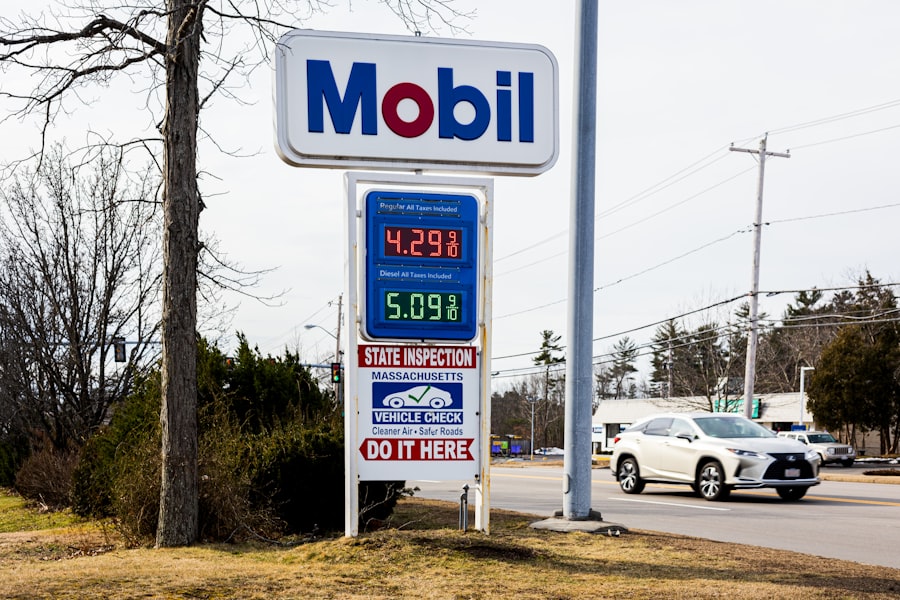
Economic indicators serve as vital signals for predicting trends in oil pricing. Metrics such as GDP growth rates, unemployment figures, and manufacturing output provide insights into overall economic health and energy demand. For instance, a robust economy typically correlates with higher energy consumption, leading to increased demand for oil and potentially higher prices.
Conversely, economic downturns or recessions often result in decreased demand for oil as industries scale back production and consumers reduce spending. This relationship highlights how closely tied oil prices are to broader economic conditions. Additionally, inflation rates can also influence oil pricing; as inflation rises, so too does the cost of production and transportation for crude oil, which can lead to higher prices at the pump for consumers.
Understanding the Role of Speculation in Oil Pricing
Speculation plays a significant role in shaping oil prices in today’s markets. Traders and investors often buy and sell oil futures contracts based on their expectations of future price movements. This speculative activity can lead to increased volatility in oil prices as market participants react to news events or shifts in economic indicators.
For example, if traders anticipate that geopolitical tensions will escalate, they may buy futures contracts in anticipation of rising prices. This speculative buying can drive up current prices even before any actual supply disruptions occur. Conversely, if traders believe that an economic downturn is imminent, they may sell off their positions, leading to a decrease in prices.
The Relationship Between Oil and Currency Exchange Rates
The relationship between oil prices and currency exchange rates is another critical aspect of global oil pricing dynamics. Since crude oil is predominantly traded in U.S. dollars, fluctuations in the value of the dollar can significantly impact oil prices.
When the dollar strengthens against other currencies, it makes oil more expensive for countries using weaker currencies, potentially leading to decreased demand. Conversely, when the dollar weakens, oil becomes cheaper for foreign buyers, which can stimulate demand and drive up prices. This relationship highlights how interconnected global markets are; changes in currency values can ripple through various sectors of the economy, influencing everything from consumer behavior to international trade balances.
Pricing Mechanisms in Different Oil Markets
Oil pricing mechanisms vary across different markets and regions, reflecting local conditions and regulatory environments. The two primary benchmarks for crude oil pricing are West Texas Intermediate (WTI) and Brent Crude. WTI is primarily used as a benchmark for U.S.
crude oil prices, while Brent Crude serves as a global benchmark due to its widespread use in international trade. These benchmarks are influenced by various factors including transportation costs, regional supply constraints, and local demand conditions. Additionally, different grades of crude oil are priced differently based on their quality and characteristics; lighter crudes typically command higher prices than heavier ones due to their ease of refining into gasoline and other products.
The Role of Futures and Options in Oil Pricing
Futures and options contracts are essential tools used by traders and investors to hedge against price fluctuations in the oil market. Futures contracts obligate buyers to purchase a specific quantity of oil at a predetermined price on a future date, while options contracts provide buyers with the right—but not the obligation—to purchase or sell at a specified price within a certain timeframe. These financial instruments allow market participants to manage risk associated with price volatility while also providing opportunities for profit through speculation.
The trading volume of futures contracts can significantly influence spot prices; high trading activity may signal market sentiment regarding future price movements, thereby impacting current pricing dynamics.
Implications of Oil Pricing on Global Economy
The implications of fluctuating oil prices extend far beyond the energy sector; they reverberate throughout the global economy. High oil prices can lead to increased transportation costs for goods and services, ultimately affecting consumer prices and inflation rates. Countries that rely heavily on imported oil may experience trade imbalances when prices rise sharply.
Conversely, lower oil prices can benefit consumers through reduced fuel costs but may negatively impact economies dependent on oil exports for revenue.
As such, understanding the complexities of global oil pricing is essential for policymakers and business leaders alike as they navigate an increasingly volatile economic landscape.
In understanding the complexities of global oil pricing mechanisms, it’s essential to explore various factors that influence market dynamics. A related article that delves into these intricacies can be found at this link. This resource provides valuable insights into how geopolitical events, supply and demand fluctuations, and economic policies shape oil prices on a global scale.
WATCH THIS! 🎬 The US Strategic Reserve is a $1 Trillion Lie That Will Kill the Dollar
FAQs
What are global oil pricing mechanisms?
Global oil pricing mechanisms refer to the methods and systems used to determine the price of crude oil in international markets. These mechanisms consider factors such as supply and demand, geopolitical events, production costs, and market speculation.
What are the main benchmarks used in global oil pricing?
The primary benchmarks for global oil pricing are West Texas Intermediate (WTI), Brent Crude, and Dubai/Oman crude. These benchmarks serve as reference prices for buyers and sellers in different regions.
How does the Brent Crude benchmark influence global oil prices?
Brent Crude, sourced from the North Sea, is widely used as a global benchmark, especially for oil produced in Europe, Africa, and the Middle East. Its price influences contracts and spot prices worldwide.
What role does OPEC play in global oil pricing?
The Organization of the Petroleum Exporting Countries (OPEC) influences global oil prices by coordinating production levels among member countries to manage supply and stabilize or influence prices.
How do futures contracts affect oil pricing?
Futures contracts allow buyers and sellers to agree on a price for oil to be delivered at a future date. These contracts help in price discovery and risk management, impacting spot prices and market expectations.
What factors cause fluctuations in global oil prices?
Oil prices fluctuate due to changes in supply and demand, geopolitical tensions, natural disasters, technological advancements, currency exchange rates, and economic indicators.
How do geopolitical events impact oil pricing mechanisms?
Geopolitical events such as conflicts, sanctions, or political instability in oil-producing regions can disrupt supply chains, leading to price volatility and adjustments in global oil pricing.
What is the difference between spot prices and futures prices in oil markets?
Spot prices refer to the current market price for immediate delivery of oil, while futures prices are agreed upon for delivery at a later date. Both prices are interconnected but can differ based on market expectations.
How do currency exchange rates influence global oil prices?
Since oil is typically priced in US dollars, fluctuations in the dollar’s value can affect oil prices. A stronger dollar can make oil more expensive for holders of other currencies, potentially reducing demand.
Are there alternative pricing mechanisms besides benchmarks and futures?
Yes, some oil transactions use negotiated contracts, spot market deals, or index-linked pricing based on regional factors or specific quality grades of crude oil.