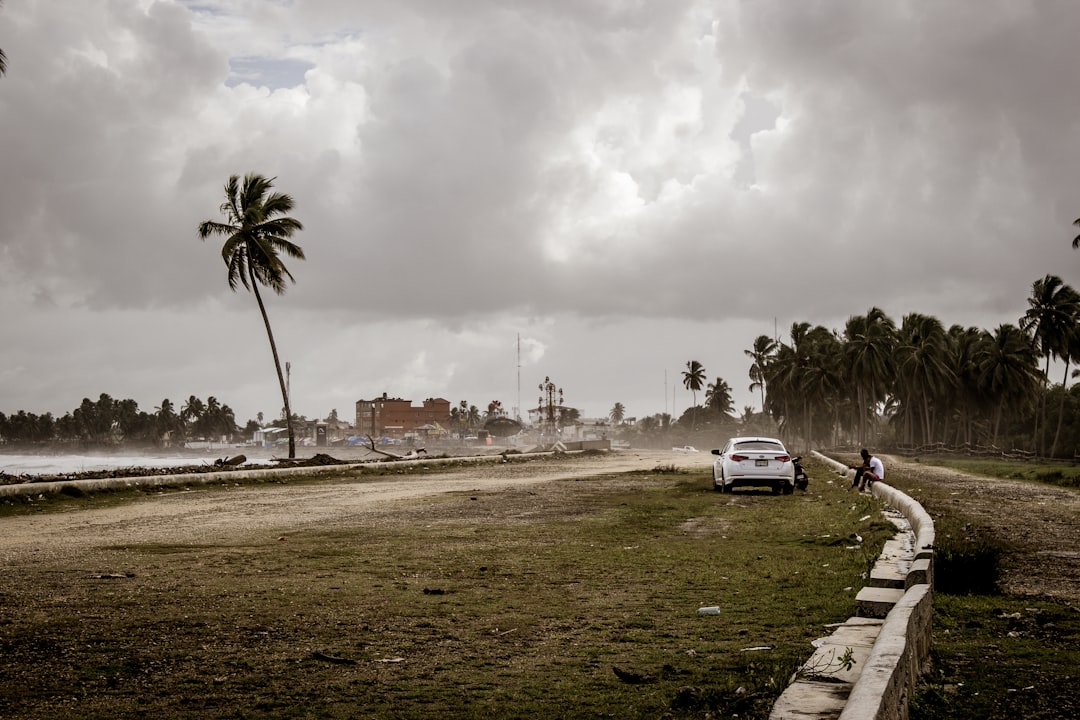
Hurricanes are among the most powerful natural disasters, capable of causing extensive damage to infrastructure, ecosystems, and economies. One of the critical sectors affected by these storms is the petroleum industry, which relies heavily on coastal facilities and offshore drilling operations. The impact of hurricanes on petroleum reserves can be profound, leading to disruptions in supply chains, fluctuations in oil prices, and long-term environmental consequences.
As climate change continues to intensify weather patterns, understanding the relationship between hurricanes and petroleum reserves becomes increasingly vital for energy security and environmental sustainability. The vulnerability of petroleum reserves to hurricanes is not merely a matter of physical damage; it also encompasses the broader implications for energy markets and national economies. When hurricanes strike, they can halt production, damage refineries, and disrupt transportation networks, leading to immediate shortages and price spikes.
Furthermore, the aftermath of such storms often requires extensive recovery efforts, which can strain resources and delay the restoration of normal operations. As the frequency and intensity of hurricanes increase, the petroleum industry must adapt to these challenges to ensure resilience and sustainability.
Key Takeaways
- Hurricanes pose significant risks to petroleum reserves, affecting supply and safety.
- Historical hurricanes have caused notable damage to petroleum infrastructure, disrupting energy markets.
- Protecting petroleum reserves involves advanced technologies, robust policies, and disaster preparedness strategies.
- Environmental and economic impacts from hurricane damage to petroleum reserves can be severe and long-lasting.
- Ongoing resilience, recovery efforts, and international cooperation are crucial for managing future hurricane threats.
Historical Examples of Hurricanes Impacting Petroleum Reserves
Throughout history, several hurricanes have left a significant mark on the petroleum industry, illustrating the potential for catastrophic disruption. One notable example is Hurricane Katrina in 2005, which devastated the Gulf Coast of the United States. The storm caused extensive damage to oil rigs and refineries, resulting in a loss of approximately 30% of U.S.
oil production at the time. The aftermath saw oil prices soar as supply dwindled, highlighting the interconnectedness of natural disasters and global energy markets. The long-term effects of Katrina also prompted a reevaluation of infrastructure resilience in the face of such storms.
Another significant event was Hurricane Harvey in 2017, which brought unprecedented rainfall and flooding to Texas. The storm not only affected residential areas but also severely impacted oil refineries along the Gulf Coast. Many facilities were forced to shut down temporarily, leading to a sharp decline in production capacity.
The economic repercussions were felt nationwide as gasoline prices surged due to supply constraints. These historical examples underscore the critical need for robust disaster preparedness strategies within the petroleum sector to mitigate the impacts of future hurricanes.
The Role of Petroleum Reserves in Disaster Preparedness

Petroleum reserves play a crucial role in disaster preparedness, serving as a buffer against supply disruptions caused by natural disasters like hurricanes. Strategic reserves are maintained by governments and private entities to ensure that there is a reliable supply of fuel during emergencies. These reserves can be tapped into when production is halted due to storm damage or other unforeseen events, providing a vital resource for recovery efforts and maintaining essential services.
Moreover, the existence of petroleum reserves can help stabilize markets during crises. When a hurricane threatens production capabilities, having a stockpile of crude oil or refined products can prevent panic buying and price spikes. This stability is essential not only for consumers but also for industries that rely on petroleum products for their operations.
By ensuring that adequate reserves are available, governments and companies can enhance their resilience against the unpredictable nature of hurricanes and other disasters.
Methods for Protecting Petroleum Reserves from Hurricane Damage
Protecting petroleum reserves from hurricane damage requires a multifaceted approach that combines engineering solutions with strategic planning. One effective method is the construction of robust infrastructure designed to withstand extreme weather conditions. This includes reinforcing offshore platforms, elevating storage tanks, and implementing advanced flood protection systems at refineries and distribution centers.
By investing in resilient infrastructure, companies can significantly reduce the risk of damage during hurricanes. In addition to physical protections, comprehensive emergency response plans are essential for safeguarding petroleum reserves. These plans should include detailed protocols for evacuation, shutdown procedures, and rapid recovery efforts post-storm.
Regular drills and training exercises can ensure that personnel are prepared to respond effectively when a hurricane threatens operations. Furthermore, collaboration with local governments and emergency services can enhance overall preparedness and response capabilities.
Environmental Impact of Hurricanes on Petroleum Reserves
| Hurricane Name | Year | Petroleum Reserves Affected (million barrels) | Production Disruption (days) | Refinery Shutdowns | Estimated Recovery Time (weeks) |
|---|---|---|---|---|---|
| Katrina | 2005 | 30 | 15 | 7 | 12 |
| Rita | 2005 | 25 | 10 | 5 | 8 |
| Harvey | 2017 | 20 | 12 | 6 | 10 |
| Laura | 2020 | 15 | 8 | 4 | 6 |
| Ida | 2021 | 18 | 9 | 5 | 7 |
The environmental impact of hurricanes on petroleum reserves is a significant concern that extends beyond immediate physical damage. When hurricanes strike oil facilities, they can lead to spills and leaks that contaminate surrounding ecosystems. The release of crude oil into marine environments can have devastating effects on wildlife and habitats, disrupting delicate ecological balances.
Additionally, the cleanup process can be lengthy and costly, further complicating recovery efforts. Moreover, hurricanes can exacerbate existing environmental issues related to petroleum extraction and transportation. For instance, coastal erosion and habitat destruction caused by storm surges can compromise the integrity of pipelines and drilling sites.
Economic Consequences of Hurricane Damage to Petroleum Reserves

The economic consequences of hurricane damage to petroleum reserves are far-reaching and multifaceted. When production facilities are damaged or shut down due to storms, it can lead to significant financial losses for companies involved in oil extraction and refining. These losses are not limited to immediate repair costs; they also encompass lost revenue from halted production and potential penalties associated with contract breaches.
Furthermore, the ripple effects of such disruptions extend throughout the economy. Increased oil prices resulting from supply shortages can lead to higher transportation costs, affecting everything from consumer goods to food prices. Industries reliant on petroleum products may face increased operational costs, which can ultimately be passed on to consumers.
The economic ramifications highlight the interconnectedness of the petroleum sector with broader economic stability, underscoring the importance of effective disaster preparedness strategies.
Resilience and Recovery Efforts for Petroleum Reserves After Hurricanes
Resilience in the face of hurricanes is essential for the petroleum industry to recover swiftly after a storm’s impact. Recovery efforts often begin with assessing damage to infrastructure and determining the extent of production losses. Companies must prioritize repairs based on safety considerations and potential economic impacts while also ensuring that environmental concerns are addressed during the recovery process.
In addition to physical repairs, fostering community relationships is crucial for long-term recovery. Engaging with local stakeholders can facilitate smoother restoration efforts and help rebuild trust after a disaster. Companies that demonstrate a commitment to environmental stewardship and community support during recovery are more likely to emerge stronger in the aftermath of a hurricane.
International Implications of Hurricane Damage to Petroleum Reserves
The international implications of hurricane damage to petroleum reserves extend beyond national borders, affecting global energy markets and geopolitical dynamics. When hurricanes disrupt production in major oil-producing regions like the Gulf Coast, it can lead to fluctuations in global oil prices that impact economies worldwide. Countries dependent on imported oil may find themselves vulnerable to price shocks, prompting them to seek alternative energy sources or adjust their energy policies.
Moreover, international cooperation becomes essential in addressing the challenges posed by climate change and its influence on hurricane frequency and intensity. Collaborative efforts among nations can lead to shared best practices for disaster preparedness and response within the petroleum sector.
Technological Advances in Protecting Petroleum Reserves from Hurricanes
Technological advancements play a pivotal role in enhancing the resilience of petroleum reserves against hurricane damage. Innovations in materials science have led to the development of stronger construction materials that can withstand extreme weather conditions. For instance, advanced composites are being used in offshore platforms to improve their durability against high winds and waves.
Additionally, predictive modeling technologies have emerged as valuable tools for assessing hurricane risks and planning accordingly. By utilizing data analytics and machine learning algorithms, companies can better anticipate potential impacts on their operations and implement proactive measures to mitigate risks. These technological advancements not only enhance safety but also contribute to more efficient recovery processes after storms.
Government Policies and Regulations for Protecting Petroleum Reserves from Hurricanes
Government policies and regulations play a crucial role in safeguarding petroleum reserves from hurricane damage. Regulatory frameworks often mandate safety standards for infrastructure design and maintenance, ensuring that facilities are built to withstand extreme weather events. Additionally, governments may establish guidelines for emergency response planning within the petroleum sector, promoting best practices for disaster preparedness.
Furthermore, financial incentives may be offered to encourage companies to invest in resilience measures. Tax breaks or grants for upgrading infrastructure or implementing advanced technologies can motivate industry players to prioritize safety and sustainability. By fostering a regulatory environment that emphasizes resilience against hurricanes, governments can help protect both their energy resources and their economies.
Future Challenges and Opportunities for Managing Hurricane Impact on Petroleum Reserves
As climate change continues to influence weather patterns globally, managing the impact of hurricanes on petroleum reserves presents both challenges and opportunities for the industry. One significant challenge lies in adapting existing infrastructure to meet evolving climate risks while balancing economic considerations. Companies must invest in resilience measures without compromising profitability or competitiveness.
However, these challenges also present opportunities for innovation within the sector. The push for cleaner energy alternatives has prompted many companies to explore renewable energy sources alongside traditional fossil fuels. By diversifying their portfolios, they can reduce reliance on petroleum reserves while simultaneously addressing environmental concerns associated with climate change.
In conclusion, understanding the multifaceted relationship between hurricanes and petroleum reserves is essential for ensuring energy security and environmental sustainability in an increasingly volatile climate landscape. Through strategic planning, technological innovation, and collaborative efforts among stakeholders, the petroleum industry can enhance its resilience against future storms while contributing positively to global energy transitions.
Hurricanes can have a significant impact on petroleum reserves, often leading to disruptions in production and supply chains. For a deeper understanding of how these natural disasters affect the oil industry, you can read the article on this topic at