
The Strategic Petroleum Reserve (SPR) serves as a critical component of the United States’ energy security strategy, designed to mitigate the impact of sudden disruptions in oil supply. Established in the 1970s in response to the oil embargo, the SPR is the largest emergency supply of crude oil in the world, with a capacity of over 700 million barrels. However, the costs associated with refilling this reserve have become a significant concern for policymakers and economists alike.
As global oil prices fluctuate and geopolitical tensions rise, the financial implications of maintaining and replenishing the SPR have garnered increased attention. Refilling the SPR is not merely a matter of purchasing crude oil; it involves complex considerations that include market conditions, transportation logistics, and long-term energy strategies. The costs can vary dramatically based on the prevailing price of oil, which is influenced by a myriad of factors such as OPEC decisions, natural disasters, and international conflicts.
As such, understanding SPR refill costs is essential for grasping the broader implications for national energy policy and fiscal responsibility.
Key Takeaways
- SPR refill costs significantly strain national budgets, prompting government concern and response.
- Rising expenses for SPR refills have notable economic and environmental impacts.
- Potential solutions include budget reallocations and efficiency improvements to manage costs.
- Public opinion is divided on government spending priorities related to SPR refills.
- Future projections indicate continued challenges, necessitating strategic planning and international cooperation.
Impact of SPR Refill Costs on Budget
The financial burden of refilling the SPR can have profound implications for the federal budget. As oil prices rise, so too do the costs associated with replenishing this vital reserve. This can lead to significant reallocations within the budget, potentially diverting funds from other critical areas such as education, healthcare, and infrastructure.
The challenge lies in balancing the need for energy security with the necessity of maintaining fiscal discipline. When oil prices soar, the government may find itself in a position where it must choose between immediate financial obligations and long-term strategic interests. Moreover, the unpredictability of oil markets complicates budget planning.
Policymakers must account for potential spikes in oil prices when drafting budgets, which can lead to uncertainty and volatility in fiscal projections. This unpredictability can hinder effective governance, as legislators grapple with competing priorities and the need to respond to unforeseen economic challenges. The impact of SPR refill costs on the budget is not merely a matter of numbers; it reflects broader questions about national priorities and the role of government in managing resources.
Government Response to Rising SPR Refill Costs
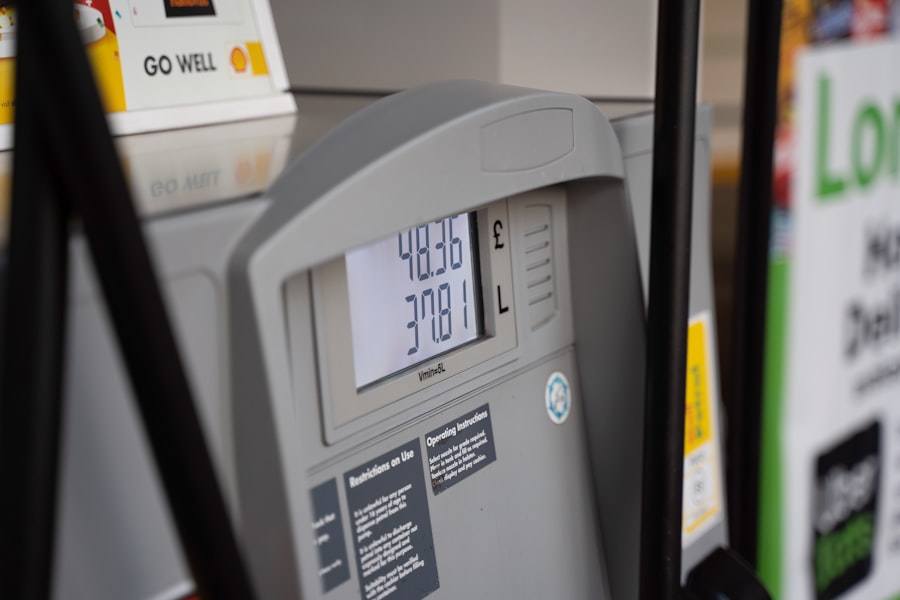
In response to rising SPR refill costs, the government has explored various strategies aimed at mitigating financial strain while ensuring energy security. One approach has been to adjust the timing and volume of oil purchases based on market conditions. By strategically timing refills during periods of lower prices, the government can potentially save millions of dollars.
Additionally, some policymakers have advocated for a more flexible approach to managing the SPR, suggesting that it could be used not only as an emergency reserve but also as a tool for stabilizing markets during periods of volatility. Furthermore, there has been a push for increased transparency regarding SPR operations and expenditures. By providing clearer information about refill costs and decision-making processes, the government can foster public trust and support for its energy policies.
This transparency is crucial in an era where public scrutiny of government spending is at an all-time high. Ultimately, the government’s response to rising SPR refill costs will require a delicate balance between fiscal responsibility and strategic foresight.
Potential Solutions to Address Budget Crisis
Addressing the budget crisis exacerbated by high SPR refill costs necessitates innovative solutions that go beyond traditional fiscal measures. One potential avenue is to explore partnerships with private sector entities that specialize in energy procurement and logistics. By leveraging private expertise and resources, the government could enhance efficiency in refilling operations while potentially reducing costs.
Such collaborations could also foster competition in the energy market, leading to more favorable pricing for crude oil purchases. Another solution involves diversifying energy sources and investing in renewable energy technologies. By reducing reliance on fossil fuels, the government could decrease its dependence on oil markets and mitigate the financial impact of SPR refill costs.
Transitioning towards a more sustainable energy portfolio not only addresses budgetary concerns but also aligns with broader environmental goals. This multifaceted approach could pave the way for a more resilient energy future while simultaneously addressing immediate fiscal challenges.
Economic Consequences of High SPR Refill Costs
| Year | Budget Allocated (in millions) | Refill Cost (in millions) | Shortfall (in millions) | Percentage of Budget Used | Notes |
|---|---|---|---|---|---|
| 2021 | 500 | 450 | 50 | 90% | Initial refill phase |
| 2022 | 600 | 700 | -100 | 117% | Cost overruns due to increased oil prices |
| 2023 | 550 | 650 | -100 | 118% | Budget crisis begins |
| 2024 (Projected) | 500 | 750 | -250 | 150% | Severe budget shortfall expected |
The economic consequences of high SPR refill costs extend beyond government budgets; they reverberate throughout various sectors of the economy. When refill costs rise significantly, it can lead to increased gasoline prices for consumers, impacting household budgets and overall consumer spending. Higher fuel prices can create a ripple effect across industries reliant on transportation, ultimately leading to inflationary pressures that affect goods and services nationwide.
Moreover, sustained high refill costs can hinder economic growth by creating uncertainty in business planning and investment decisions. Companies may be less inclined to expand operations or hire new employees if they anticipate rising operational costs due to fluctuating fuel prices. This uncertainty can stifle innovation and entrepreneurship, ultimately affecting job creation and economic vitality.
Therefore, understanding the broader economic implications of high SPR refill costs is essential for policymakers seeking to foster a stable and prosperous economic environment.
Environmental Considerations of SPR Refill Costs
While discussions surrounding SPR refill costs often focus on economic implications, it is crucial to consider environmental factors as well. The extraction and transportation of crude oil carry inherent environmental risks, including potential spills and greenhouse gas emissions. As the government contemplates refilling the SPR, it must weigh these environmental considerations against the necessity of maintaining energy security.
Investing in cleaner technologies and alternative energy sources can mitigate some of these environmental impacts associated with traditional oil procurement methods. By prioritizing sustainable practices in energy management, the government can align its strategic objectives with environmental stewardship. This dual focus on energy security and environmental responsibility is increasingly important in an era marked by climate change concerns and growing public demand for sustainable policies.
International Relations and SPR Refill Costs
The dynamics of international relations play a significant role in shaping SPR refill costs. Geopolitical tensions, trade agreements, and global supply chain disruptions can all influence oil prices and availability. For instance, conflicts in oil-producing regions or sanctions against certain countries can lead to supply shortages that drive up prices, directly impacting the cost of refilling the SPR.
Additionally, international cooperation on energy issues can provide opportunities for cost savings and enhanced security. Engaging with allies to establish strategic partnerships for oil procurement or sharing best practices in energy management can help mitigate some of the financial burdens associated with maintaining the SPR. As global energy markets become increasingly interconnected, fostering collaborative relationships will be essential for navigating challenges related to SPR refill costs.
Public Opinion on Government Spending for SPR Refill
Public opinion plays a pivotal role in shaping government policy regarding SPR refill costs. Citizens are often concerned about how taxpayer dollars are allocated, particularly when it comes to large expenditures like refilling the reserve. As fuel prices fluctuate and economic pressures mount, public scrutiny of government spending intensifies.
Policymakers must navigate this landscape carefully, balancing the need for energy security with public sentiment regarding fiscal responsibility. Engaging with constituents through transparent communication about the importance of maintaining the SPR can help build public support for necessary expenditures. Educating citizens about the strategic value of the reserve in times of crisis may foster greater understanding and acceptance of associated costs.
Ultimately, addressing public concerns about government spending will be crucial for ensuring continued support for policies related to SPR refill efforts.
Future Projections for SPR Refill Costs
Looking ahead, future projections for SPR refill costs remain uncertain due to various factors influencing global oil markets. Analysts predict that geopolitical tensions will continue to shape supply dynamics, potentially leading to increased volatility in oil prices. Additionally, advancements in technology and shifts towards renewable energy sources may alter traditional pricing structures over time.
As such, policymakers must remain agile in their approach to managing the SPR and its associated costs. Developing robust forecasting models that account for potential market fluctuations will be essential for effective budget planning. By anticipating future trends and challenges, the government can better position itself to navigate the complexities surrounding SPR refill costs.
Comparing SPR Refill Costs to Other Budgetary Concerns
When evaluating SPR refill costs within the broader context of federal spending, it becomes evident that these expenditures must be weighed against other pressing budgetary concerns. Issues such as healthcare funding, education investments, and infrastructure development all compete for limited resources within the federal budget. Policymakers face difficult choices as they strive to balance competing priorities while ensuring national security through effective energy management.
Comparing SPR refill costs to other budgetary concerns also highlights the interconnectedness of various policy areas. For instance, investments in renewable energy technologies may not only reduce reliance on oil but also create jobs and stimulate economic growth—factors that could alleviate some budgetary pressures over time. By adopting a holistic approach to budgeting that considers both immediate needs and long-term goals, policymakers can make informed decisions that benefit both energy security and overall fiscal health.
Addressing the Budget Crisis and SPR Refill Costs
In conclusion, addressing the budget crisis exacerbated by rising SPR refill costs requires a multifaceted approach that balances fiscal responsibility with strategic energy management. As global oil markets continue to evolve, policymakers must remain vigilant in their efforts to navigate challenges while ensuring national security through effective management of the Strategic Petroleum Reserve. By exploring innovative solutions such as public-private partnerships and investing in renewable energy technologies, the government can mitigate some of the financial burdens associated with refilling the reserve.
Ultimately, fostering public understanding and support for these initiatives will be crucial for sustaining effective policies related to SPR refill efforts. As citizens become more engaged in discussions surrounding energy security and fiscal responsibility, their input will shape future decisions that impact both national priorities and economic stability. By addressing these complex issues holistically, policymakers can work towards a more secure and sustainable energy future while effectively managing budgetary concerns related to SPR refill costs.
The ongoing budget crisis surrounding SPR refill costs has raised significant concerns among policymakers and industry experts alike.
Check it out here: mygeoquest.
com/sample-page/’>Energy Reserves and Budget Implications.
WATCH THIS! 🎬 The US Strategic Reserve is a $1 Trillion Lie That Will Kill the Dollar
FAQs
What is the SPR and why does it need refilling?
The SPR, or Strategic Petroleum Reserve, is a stockpile of crude oil maintained by the government to provide an emergency supply in case of significant disruptions to oil imports or supply. It needs refilling when reserves are drawn down or depleted to ensure energy security.
Why are SPR refill costs causing a budget crisis?
Refilling the SPR requires purchasing large quantities of crude oil, which can be expensive depending on current market prices. High oil prices combined with the volume needed to replenish the reserve can lead to substantial government expenditures, straining the federal budget and potentially causing a budget crisis.
How does the government fund the SPR refill?
The government typically funds SPR refills through appropriations from Congress, which allocate money in the federal budget specifically for this purpose. These funds come from taxpayer dollars and must compete with other budget priorities.
What factors influence the cost of refilling the SPR?
Key factors include the global price of crude oil, the amount of oil needed to refill the reserve, transportation and storage costs, and geopolitical events that may affect oil markets.
What are the potential economic impacts of a budget crisis caused by SPR refill costs?
A budget crisis can lead to reduced funding for other government programs, increased borrowing, or higher taxes. It may also affect investor confidence and economic stability if not managed properly.
Are there alternatives to refilling the SPR to manage energy security?
Alternatives include increasing domestic oil production, investing in renewable energy sources, improving energy efficiency, and entering into international agreements for emergency oil sharing.
How often does the SPR need to be refilled?
The frequency depends on how often the reserve is used and the government’s energy security strategy. There is no fixed schedule; refills occur as needed based on supply disruptions or policy decisions.
Who oversees the management and refill of the SPR?
The U.S. Department of Energy is responsible for managing the SPR, including decisions related to its refill and maintenance. Congress also plays a role by approving funding and setting policy guidelines.