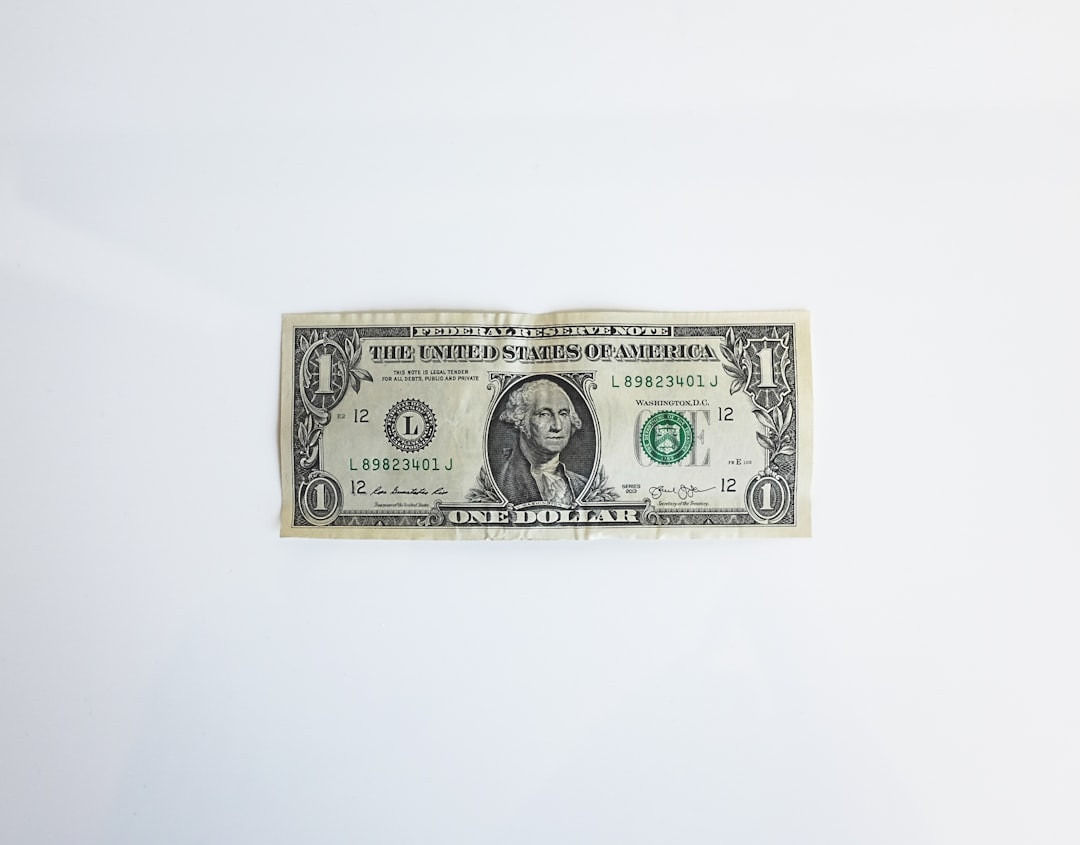
The US dollar has long held the position of the world’s primary reserve currency, a status that has afforded the United States significant economic advantages. As of 2023, approximately 60% of global foreign exchange reserves are held in dollars, a testament to its widespread acceptance and trust among nations. This dominance is not merely a reflection of the dollar’s strength but also of the economic and political stability that the United States has historically provided.
The dollar’s role as the preferred medium for international trade, investment, and finance has solidified its position, making it a cornerstone of the global economic system. However, the landscape is shifting. Various factors, including geopolitical tensions, economic policies, and the rise of alternative currencies, are beginning to challenge the dollar’s supremacy.
While it remains the dominant currency for now, there are growing discussions about its sustainability in this role. The implications of a potential decline in dollar dominance are profound, affecting not only the United States but also economies and political structures worldwide. As nations navigate this evolving financial terrain, understanding the current status of the dollar is crucial for anticipating future developments.
Key Takeaways
- The US dollar has long been the dominant global reserve currency, shaping international trade and finance.
- Signs of decline include reduced dollar usage and growing economic challenges within the US.
- Alternative currencies like the Chinese yuan and efforts by the EU are challenging the dollar’s supremacy.
- The decline of the dollar will shift global power dynamics and impact international economic relations.
- Preparing for a post-dollar world requires coordinated global cooperation and strategic transition planning.
History of dollar dominance: How the US dollar became the world’s reserve currency
The journey of the US dollar to its current status as the world’s reserve currency began in the aftermath of World War
The Bretton Woods Conference in 1944 established a new international monetary system that pegged various currencies to the US dollar, which was itself convertible to gold at a fixed rate. This arrangement provided stability and predictability in international trade and finance, allowing countries to rebuild their economies in a post-war world. The United States emerged from the war as an economic powerhouse, with a robust industrial base and significant gold reserves, further solidifying the dollar’s position.
As global trade expanded in the latter half of the 20th century, so too did the reliance on the US dollar. The oil crisis of the 1970s marked a pivotal moment; countries began to price oil in dollars, creating a demand that transcended national borders. This “petrodollar” system entrenched the dollar’s role in global trade, as countries needed to hold dollars to purchase oil.
Over time, this led to a self-reinforcing cycle where the dollar’s dominance became increasingly entrenched, supported by the United States’ military and economic might. The combination of these historical events laid the groundwork for what many consider an unprecedented era of dollar dominance.
Signs of decline: Indicators that the US dollar’s dominance is waning
In recent years, several indicators have emerged suggesting that the US dollar’s dominance may be waning. One significant sign is the increasing use of alternative currencies in international trade. Countries such as China and Russia have begun to conduct bilateral trade agreements using their own currencies rather than relying on the dollar.
This shift reflects a growing desire among nations to reduce their dependence on a currency that is subject to US monetary policy and geopolitical considerations. Additionally, there has been a noticeable increase in discussions surrounding digital currencies and central bank digital currencies (CBDCs). Many countries are exploring or implementing their own digital currencies as a means to facilitate trade and enhance financial sovereignty.
The rise of cryptocurrencies has also introduced new dynamics into the financial landscape, challenging traditional notions of currency and value. These developments signal a potential fragmentation of the global monetary system that has long been dominated by the US dollar.
Economic challenges: The impact of the US dollar’s decline on the American economy
| Metric | Data/Value | Explanation |
|---|---|---|
| US Share of Global FX Reserves | ~59% | Declining from over 70% two decades ago, indicating reduced reliance on the currency. |
| Percentage of Global Trade Invoiced in US Currency | ~40% | Decreasing as countries diversify trade invoicing to other currencies like Euro and Yuan. |
| US Treasury Holdings by Foreign Governments | ~7 trillion | Foreign governments are gradually reducing holdings, signaling less trust or diversification. |
| Emergence of Alternative Payment Systems | Growing Usage | Systems like China’s CIPS and Russia’s SPFS reduce dependency on US-controlled financial infrastructure. |
| Increase in Bilateral Currency Swap Agreements | Over 30 major agreements | Countries bypass the US currency for trade settlements, weakening dollar dominance. |
| US National Debt | Over 33 trillion | High debt levels raise concerns about long-term currency stability. |
| Share of Global Central Bank Gold Reserves | Increasing | Central banks are diversifying reserves away from the US currency towards gold and other assets. |
The decline of the US dollar’s dominance could have profound implications for the American economy. A diminished role for the dollar in global trade may lead to reduced demand for US Treasury bonds, which have traditionally been viewed as a safe investment. This could result in higher borrowing costs for the US government, impacting fiscal policy and public spending.
As interest rates rise, consumers may also face increased costs for loans and mortgages, potentially slowing economic growth. Moreover, a decline in dollar dominance could lead to inflationary pressures within the United States. If foreign investors begin to diversify away from dollars, it could weaken the currency’s value relative to others.
A weaker dollar may lead to higher import prices, contributing to inflation and eroding purchasing power for American consumers. The interconnectedness of global economies means that changes in currency dynamics can have ripple effects that impact domestic economic stability.
Geopolitical implications: How the decline of the US dollar affects global power dynamics

The geopolitical landscape is intricately tied to currency dynamics, and a decline in US dollar dominance could shift power balances on a global scale. Historically, countries that have relied heavily on the dollar have found themselves subject to US influence and sanctions. As alternative currencies gain traction, nations may seek to assert greater independence from American economic policies and military interventions.
This shift could embolden countries like China and Russia to expand their influence in regions traditionally dominated by Western powers. For instance, initiatives such as China’s Belt and Road Initiative aim to create new trade routes and economic partnerships that bypass traditional Western financial systems. As these nations strengthen their economic ties with one another and with emerging markets, they may collectively challenge US hegemony in international affairs.
Rise of alternative currencies: The emergence of new currencies challenging the US dollar’s dominance
The emergence of alternative currencies presents a formidable challenge to the US dollar’s long-standing dominance. Countries around the world are increasingly exploring options beyond traditional fiat currencies, driven by a desire for greater financial autonomy and resilience against external shocks. The euro has long been considered a competitor to the dollar; however, recent developments have seen other currencies gaining traction as well.
The rise of cryptocurrencies has introduced an entirely new paradigm in currency dynamics. Digital assets like Bitcoin and Ethereum have gained popularity as decentralized alternatives to traditional currencies, appealing to those seeking privacy and independence from government control. Additionally, central banks are exploring their own digital currencies as a means to modernize payment systems and enhance monetary policy effectiveness.
These developments signal a potential shift toward a multipolar currency system where no single currency holds absolute dominance.
China’s role: The growing influence of the Chinese yuan as a potential replacement for the US dollar
China’s ascent as an economic powerhouse has positioned its currency, the yuan (or renminbi), as a potential challenger to the US dollar’s supremacy.
Initiatives such as establishing currency swap agreements with other nations and promoting yuan-denominated trade in commodities have contributed to this effort.
Moreover, China’s Belt and Road Initiative has facilitated greater economic integration with participating countries, many of which are now more inclined to use yuan for trade settlements. As China’s economy continues to grow and its influence expands globally, there is increasing speculation about whether the yuan could eventually rival or even replace the dollar as the world’s primary reserve currency. However, challenges remain, including concerns about transparency, capital controls, and geopolitical tensions that could hinder broader acceptance.
European Union’s response: Efforts by the EU to reduce reliance on the US dollar
In response to concerns about over-reliance on the US dollar, European Union officials have initiated efforts aimed at enhancing the euro’s role in global finance. The EU recognizes that a stronger euro could provide greater economic stability for member states while reducing vulnerability to external shocks stemming from US monetary policy decisions. Initiatives include promoting euro-denominated trade agreements and encouraging European companies to conduct transactions in euros rather than dollars.
Additionally, discussions surrounding European digital currencies have gained momentum within EU institutions.
These efforts reflect a broader recognition that diversifying away from reliance on any single currency is essential for maintaining economic resilience in an increasingly multipolar world.
Potential consequences: The potential effects of the US dollar’s decline on international trade and finance
The decline of the US dollar’s dominance could have far-reaching consequences for international trade and finance. A shift toward alternative currencies may lead to increased transaction costs for businesses accustomed to operating within a dollar-centric framework. Companies may need to navigate complex currency exchange processes or face exposure to exchange rate volatility when dealing with multiple currencies.
Furthermore, changes in currency dynamics could alter investment patterns globally. Investors may seek opportunities in emerging markets or alternative assets as they diversify away from traditional dollar-denominated investments. This shift could lead to increased capital flows into regions previously overlooked by investors seeking stability in dollar assets.
As countries adapt to these changes, new financial ecosystems may emerge that challenge established norms.
Transition period: The steps needed to prepare for a post-dollar world
Preparing for a post-dollar world requires careful planning and strategic foresight from governments, businesses, and financial institutions alike. Policymakers must engage in proactive discussions about potential scenarios and develop frameworks that facilitate smooth transitions between currencies while minimizing disruptions to global trade and finance. Education will play a crucial role during this transition period; stakeholders must understand emerging currencies’ implications on their operations and investments.
Additionally, fostering international cooperation will be essential in establishing standards for cross-border transactions involving multiple currencies. By working collaboratively toward shared goals, nations can navigate this complex landscape while ensuring stability during times of change.
The inevitability of the end of US dollar dominance and the need for global cooperation in managing the transition
The trajectory of global finance suggests that while the US dollar remains dominant today, its supremacy is not guaranteed indefinitely. As alternative currencies gain traction and geopolitical dynamics evolve, it becomes increasingly clear that a transition toward a more multipolar currency system is on the horizon. This shift presents both challenges and opportunities for nations worldwide.
To navigate this transition effectively, global cooperation will be paramount. Countries must engage in dialogue about shared interests while developing frameworks that promote stability during times of change. By embracing collaboration rather than competition, nations can work together toward a future where diverse currencies coexist harmoniously within an interconnected global economy.
Ultimately, recognizing that change is inevitable will allow stakeholders to adapt proactively rather than reactively as they prepare for an evolving financial landscape.
The dominance of the dollar as the world’s primary reserve currency is facing significant challenges, as highlighted in a recent article discussing the shifting dynamics of global finance. Factors such as increasing trade in alternative currencies and the rise of digital currencies are contributing to this trend. For a deeper understanding of these changes, you can read more in this article on MyGeoQuest.
WATCH THIS! 🎬 The US Strategic Reserve is a $1 Trillion Lie That Will Kill the Dollar
FAQs
What does “dollar dominance” mean?
Dollar dominance refers to the U.S. dollar’s status as the world’s primary reserve currency, widely used in global trade, finance, and as a benchmark for commodities.
Why is the dominance of the U.S. dollar considered to be ending?
The dominance is considered to be ending due to factors such as the rise of alternative currencies, geopolitical shifts, diversification of foreign reserves, and increased use of other currencies in international trade and finance.
Which currencies are emerging as alternatives to the U.S. dollar?
The euro, Chinese yuan (renminbi), and to some extent the Japanese yen and British pound, are emerging as alternatives in global trade and reserves.
How does the rise of China impact the dollar’s dominance?
China’s growing economic influence and efforts to internationalize the yuan contribute to reducing reliance on the U.S. dollar in global transactions and reserves.
What role do geopolitical tensions play in the decline of dollar dominance?
Geopolitical tensions, including sanctions and trade disputes involving the U.S., encourage countries to seek alternatives to the dollar to reduce vulnerability to U.S. financial policies.
Is the U.S. dollar expected to lose its status as the global reserve currency soon?
While the dollar’s dominance is challenged, it remains the leading global reserve currency due to its liquidity, stability, and widespread acceptance; any transition is likely to be gradual.
How does the diversification of foreign exchange reserves affect dollar dominance?
Countries diversifying their reserves into other currencies reduce their dependence on the dollar, which can weaken its dominance over time.
What impact does dollar dominance have on the global economy?
Dollar dominance facilitates global trade and finance by providing a common currency, but it also gives the U.S. significant influence over international financial systems.
Can digital currencies influence the future of dollar dominance?
Yes, the rise of digital currencies, including central bank digital currencies (CBDCs), could alter the landscape of international payments and reserves, potentially impacting dollar dominance.
What are the implications for businesses and investors if dollar dominance declines?
Businesses and investors may face increased currency risk, changes in trade financing, and the need to adapt to a more multipolar currency environment.