
Sanctions have become a prominent tool in international relations, employed by countries and organizations to exert pressure on nations or entities that violate international norms or engage in activities deemed harmful to global peace and security. These measures can take various forms, including economic sanctions, trade restrictions, and diplomatic isolation. The impact of sanctions can be profound, often leading to significant economic downturns, social unrest, and humanitarian crises within the targeted nations.
For instance, countries like Iran and North Korea have faced extensive sanctions that have crippled their economies, limiting access to essential goods and services, and exacerbating the plight of ordinary citizens. The ramifications of sanctions extend beyond the immediate economic consequences. They can also alter geopolitical dynamics, prompting nations to seek alternative alliances or develop strategies to circumvent these restrictions.
As a result, the imposition of sanctions often leads to a complex interplay of compliance and evasion tactics. While some entities may choose to adhere to the imposed restrictions, others may actively seek ways to evade them, leading to a cat-and-mouse game between sanctioning bodies and those attempting to bypass the regulations. This ongoing struggle raises important questions about the effectiveness of sanctions as a policy tool and the ethical implications of evading such measures.
Key Takeaways
- Sanctions significantly impact targeted entities, prompting efforts to evade restrictions.
- Cryptocurrencies and blockchain offer new methods to bypass traditional financial controls.
- Informal systems like hawala and barter trade provide alternative channels for sanction evasion.
- Shell companies, offshore accounts, and front companies are commonly used to obscure transactions.
- Evading sanctions raises complex ethical and legal issues that must be carefully considered.
Understanding the Need to Evade Sanctions
The motivations behind evading sanctions are multifaceted and often rooted in survival instincts. For many nations or organizations facing stringent sanctions, the need to maintain economic stability and ensure the well-being of their citizens becomes paramount. In such scenarios, leaders may feel compelled to explore alternative avenues for trade and finance, even if it means engaging in activities that contravene international laws.
The urgency to secure essential resources—such as food, medicine, and energy—can drive entities to seek out methods of evasion that allow them to continue functioning despite the restrictions imposed upon them. Moreover, the political landscape plays a significant role in shaping the decision to evade sanctions.
This perception can foster a sense of nationalism or resistance among the populace, leading to a collective determination to defy external pressures. In such cases, evading sanctions becomes not only a practical necessity but also a symbolic act of defiance against perceived oppression. This complex interplay of necessity and ideology underscores the challenges faced by sanctioning bodies in achieving their intended outcomes.
Utilizing Cryptocurrencies and Blockchain Technology

In recent years, cryptocurrencies have emerged as a popular means for individuals and entities seeking to evade sanctions. The decentralized nature of cryptocurrencies like Bitcoin allows users to conduct transactions without relying on traditional banking systems, which are often subject to regulatory oversight and scrutiny. This anonymity can be particularly appealing for those operating in sanctioned environments, as it provides a layer of protection against detection by authorities.
Furthermore, blockchain technology—the underlying framework for most cryptocurrencies—offers transparency and security that can facilitate cross-border transactions without the need for intermediaries. The rise of cryptocurrencies has also led to the development of various platforms and services designed specifically for individuals looking to navigate around sanctions. These platforms often provide tools for converting fiat currency into digital assets and vice versa, enabling users to access funds without triggering red flags in conventional financial systems.
However, while cryptocurrencies offer a degree of anonymity, they are not entirely immune to scrutiny. Regulatory bodies around the world are increasingly focusing on cryptocurrency exchanges and transactions, seeking to implement measures that can track illicit activities associated with these digital currencies.
Leveraging Barter Trade and Countertrade
Barter trade has resurfaced as a viable alternative for nations facing sanctions, allowing them to exchange goods and services directly without relying on monetary transactions that could be subject to scrutiny. This age-old practice enables countries to bypass traditional financial systems while still obtaining essential resources. For instance, a sanctioned nation might trade oil for agricultural products with another country, effectively circumventing the limitations imposed by international sanctions.
Such arrangements can be mutually beneficial, fostering economic ties between nations that may not otherwise engage in trade. Countertrade agreements further enhance this approach by formalizing barter transactions through structured contracts that outline the terms of exchange. These agreements can provide a framework for ensuring that both parties fulfill their obligations while minimizing exposure to international financial systems.
As countries seek innovative ways to sustain their economies amidst sanctions, barter trade and countertrade are likely to gain traction as practical solutions for maintaining essential trade relationships.
Exploiting Loopholes in Financial Systems
| Alternative Route | Region | Common Methods | Risks Involved | Detection Challenges | Impact on Trade Volume |
|---|---|---|---|---|---|
| Third-Country Transshipment | Middle East, Southeast Asia | Re-routing shipments through neutral countries, relabeling goods | Increased scrutiny at ports, legal penalties | Complex supply chains, multiple jurisdictions | Moderate to High |
| Cryptocurrency Transactions | Global | Use of privacy coins, mixing services, decentralized exchanges | Volatility, regulatory crackdowns | Pseudonymous nature, lack of centralized control | Low to Moderate |
| Smuggling via Land Borders | Eastern Europe, Africa | Concealed shipments, bribery of border officials | Physical risks, seizure of goods | Limited surveillance, informal border crossings | Low |
| Use of Shell Companies | Global | Fictitious entities, layered ownership structures | Legal exposure, asset freezes | Opaque corporate registries | Moderate |
| False Documentation | Asia, Latin America | Fake invoices, mislabeling origin or content | Customs penalties, shipment delays | Document verification difficulties | Moderate |
The complexity of global financial systems often creates opportunities for exploitation by those seeking to evade sanctions. Loopholes can exist in various forms, from regulatory gaps in specific jurisdictions to ambiguities in international law that can be leveraged for illicit purposes. For example, some entities may take advantage of less stringent regulations in certain countries or regions to conduct transactions that would otherwise be prohibited under stricter regimes.
By navigating these loopholes, sanctioned entities can continue their operations while minimizing the risk of detection. Additionally, financial institutions themselves may inadvertently facilitate sanction evasion through inadequate compliance measures or oversight. In some cases, banks may lack the resources or expertise necessary to identify suspicious transactions effectively.
This oversight can create opportunities for sanctioned entities to exploit weaknesses in the system, allowing them to move funds or conduct business without attracting attention. As a result, enhancing compliance measures and increasing awareness of potential loopholes becomes crucial for sanctioning bodies aiming to strengthen their enforcement efforts.
Establishing Shell Companies and Offshore Accounts
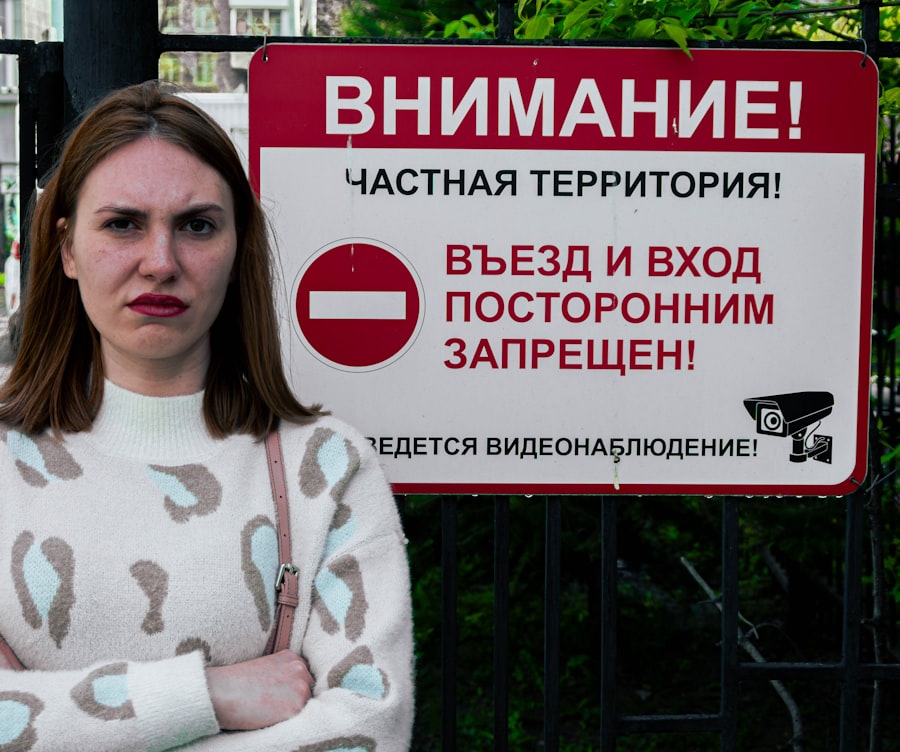
The establishment of shell companies and offshore accounts has long been a tactic employed by individuals and organizations seeking to evade sanctions. Shell companies—entities that exist only on paper—can be used to obscure ownership and control over assets, making it difficult for authorities to trace illicit activities back to their source. By creating a network of shell companies across various jurisdictions, sanctioned entities can effectively distance themselves from their operations while continuing to engage in trade or financial transactions.
Offshore accounts further complicate matters by providing a means for individuals and organizations to store wealth outside the reach of domestic authorities. These accounts often exist in jurisdictions with lax regulatory frameworks, making it easier for sanctioned entities to access funds without attracting scrutiny. While establishing shell companies and offshore accounts may offer short-term benefits for evading sanctions, they also carry significant risks.
Increased global scrutiny on tax havens and illicit financial flows has led many countries to implement stricter regulations aimed at curbing these practices.
Utilizing Hawala and Informal Money Transfer Systems
Hawala is an informal money transfer system that has been used for centuries in various cultures around the world. It operates outside traditional banking channels, allowing individuals to send money across borders without relying on formal financial institutions. This system relies on a network of brokers who facilitate transactions based on trust and personal relationships rather than formal contracts or documentation.
For individuals or entities seeking to evade sanctions, hawala offers an attractive alternative for transferring funds discreetly. The appeal of hawala lies in its speed and efficiency; transactions can be completed almost instantaneously without the need for extensive paperwork or regulatory oversight. This makes it particularly useful for those operating in sanctioned environments where access to formal banking services may be limited or nonexistent.
However, while hawala provides a means of circumventing traditional financial systems, it is not without its challenges. The lack of regulation can expose users to risks such as fraud or loss of funds, highlighting the need for caution when utilizing informal money transfer systems.
Seeking Assistance from Non-Sanctioned Countries
In the face of international sanctions, some nations turn to non-sanctioned countries for assistance in maintaining trade relationships and accessing essential resources. These countries may offer a lifeline by providing goods or services that are otherwise restricted due to sanctions imposed by more powerful nations. By establishing partnerships with non-sanctioned countries, sanctioned entities can create alternative supply chains that allow them to continue functioning despite external pressures.
This strategy often involves navigating complex diplomatic relationships and negotiating favorable terms with non-sanctioned partners. In some cases, these partnerships may be based on shared political ideologies or mutual interests in defying Western influence. However, seeking assistance from non-sanctioned countries also carries risks; such alliances can lead to increased scrutiny from sanctioning bodies and potential repercussions for both parties involved.
Exploring the Black Market and Illicit Trade
The black market thrives in environments where legal avenues for trade are restricted or prohibited due to sanctions. In such contexts, individuals and organizations may turn to illicit trade as a means of obtaining goods and services that are otherwise unavailable. The black market can encompass a wide range of activities, from smuggling essential goods like food and medicine to trafficking in illegal commodities such as weapons or drugs.
Engaging in black market activities poses significant risks for those involved; participants may face legal repercussions if caught by authorities or become victims of exploitation within unregulated markets. However, for many individuals living under sanctions, the black market represents a necessary means of survival—a way to access essential resources when legitimate channels are closed off. This dynamic underscores the complex relationship between sanctions and illicit trade, highlighting how restrictive measures can inadvertently fuel underground economies.
Using Front Companies and Third-Party Intermediaries
Front companies serve as another tactic employed by sanctioned entities seeking to obscure their activities from authorities. These businesses often appear legitimate on the surface but are actually used as vehicles for conducting illicit transactions or facilitating trade with sanctioned nations. By operating through front companies, individuals can create layers of separation between themselves and their activities, making it more challenging for authorities to trace illicit dealings back to their source.
Third-party intermediaries also play a crucial role in this process by acting as buffers between sanctioned entities and legitimate businesses or financial institutions. These intermediaries can help facilitate transactions while minimizing exposure to regulatory scrutiny. However, while using front companies and intermediaries may provide short-term benefits for evading sanctions, it also carries inherent risks; increased vigilance from regulatory bodies can lead to heightened scrutiny of these arrangements.
Ethical and Legal Considerations in Evading Sanctions
The strategies employed by individuals and entities seeking to evade sanctions raise important ethical and legal considerations that cannot be overlooked. While some may argue that evading sanctions is a necessary means of survival in oppressive environments, others contend that such actions undermine international law and contribute to ongoing conflicts or humanitarian crises. The complexities surrounding sanction evasion highlight the need for a nuanced understanding of the motivations behind these actions and their broader implications.
As global dynamics continue to evolve, so too will the methods employed by those seeking to navigate around sanctions. Policymakers must grapple with the challenges posed by these tactics while striving to uphold international norms and protect vulnerable populations affected by restrictive measures. Ultimately, finding a balance between enforcing sanctions effectively and addressing the underlying issues that drive individuals toward evasion will be crucial in shaping future approaches to international relations and conflict resolution.
In recent discussions about sanctions evasion, alternative routes have become a focal point for understanding how entities circumvent restrictions. A related article that delves into this topic can be found at this link, which explores various methods and strategies employed by individuals and organizations to bypass sanctions effectively.
WATCH THIS! 🎬 The US Strategic Reserve is a $1 Trillion Lie That Will Kill the Dollar
FAQs
What are sanctions evasion alternative routes?
Sanctions evasion alternative routes refer to methods or pathways used by individuals, companies, or countries to bypass economic or trade sanctions imposed by governments or international bodies. These routes often involve indirect transactions, third-party countries, or complex financial mechanisms to avoid detection.
Why do entities use sanctions evasion alternative routes?
Entities use these routes to continue business activities, access restricted goods or services, or maintain financial flows despite sanctions. This can be motivated by economic interests, political reasons, or to circumvent legal restrictions.
What are common methods used in sanctions evasion?
Common methods include using shell companies, third-party intermediaries, falsifying documentation, rerouting shipments through non-sanctioned countries, and employing cryptocurrencies or other non-traditional financial instruments.
Are sanctions evasion alternative routes legal?
No, evading sanctions is generally illegal and can result in severe penalties, including fines, asset freezes, and criminal charges. Governments and international organizations actively monitor and enforce sanctions compliance.
How do authorities detect sanctions evasion?
Authorities use intelligence gathering, financial transaction monitoring, customs inspections, whistleblower reports, and international cooperation to detect and investigate sanctions evasion activities.
What impact do sanctions evasion alternative routes have on global trade?
Sanctions evasion can undermine the effectiveness of sanctions regimes, distort markets, and contribute to illicit financial flows. It can also complicate international relations and enforcement efforts.
Can companies protect themselves from inadvertently engaging in sanctions evasion?
Yes, companies can implement robust compliance programs, conduct thorough due diligence on partners and transactions, use sanctions screening tools, and stay updated on current sanctions regulations to avoid inadvertent violations.
What role do international organizations play in preventing sanctions evasion?
International organizations like the United Nations, Financial Action Task Force (FATF), and regional bodies coordinate sanctions policies, share intelligence, set compliance standards, and support enforcement actions to prevent evasion.