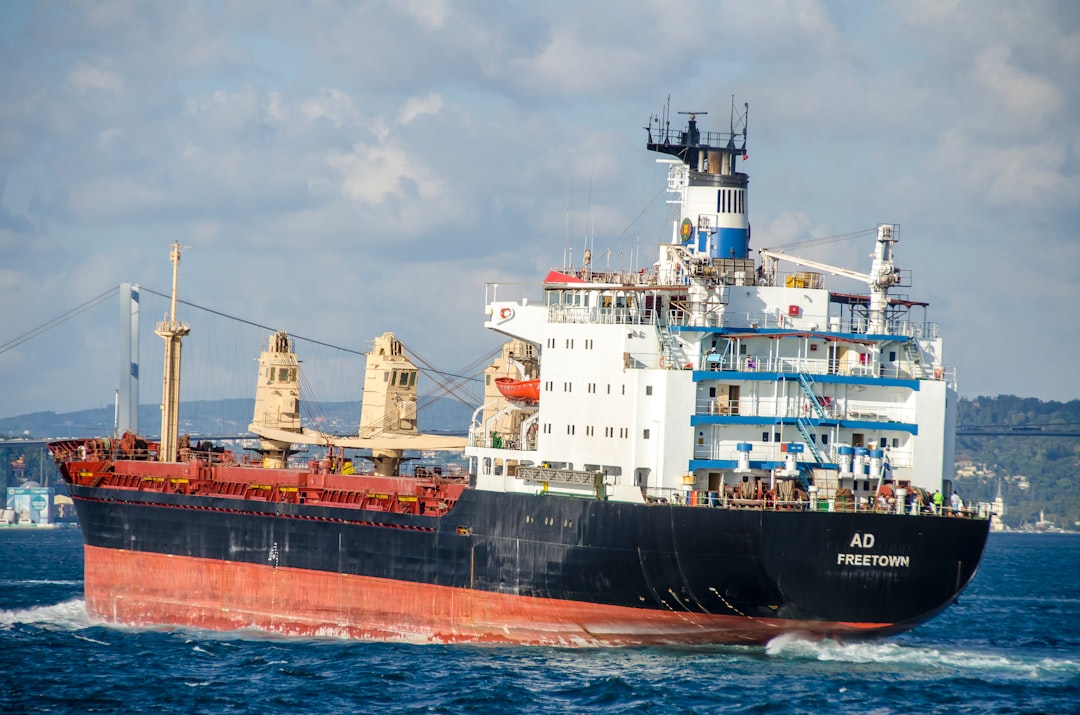
Securing maritime trade routes is of paramount importance in today’s global economy. These routes serve as the arteries of international commerce, facilitating the movement of goods and resources across vast oceans.
The uninterrupted flow of goods not only supports local economies but also fosters international relationships, making the security of these routes a matter of global significance. Moreover, the safety of maritime trade routes is essential for maintaining the stability of supply chains. Disruptions caused by conflicts, piracy, or natural disasters can lead to significant delays and increased costs, affecting businesses and consumers alike.
As nations become increasingly interdependent, the need for secure maritime passage becomes even more pressing. Ensuring that these routes remain open and safe is not just a logistical concern; it is a strategic imperative that influences geopolitical dynamics and economic prosperity worldwide.
Key Takeaways
- Securing maritime trade routes is vital for global economic stability and the smooth flow of goods.
- Historical and modern threats, including piracy and geopolitical conflicts, continue to challenge safe passage.
- International cooperation and naval forces play key roles in protecting these critical waterways.
- Advances in technology and innovation enhance monitoring, navigation, and security measures.
- Legal frameworks and environmental considerations are essential to address future challenges and ensure sustainable maritime trade.
Historical Challenges to Safe Passage
Throughout history, maritime trade routes have faced numerous challenges that have threatened safe passage. In ancient times, seafaring merchants contended with natural obstacles such as storms, treacherous currents, and uncharted waters. These environmental factors posed significant risks to vessels and their cargo, often leading to shipwrecks and loss of life.
Additionally, the lack of navigational technology made it difficult for sailors to chart safe courses, further complicating maritime trade. As civilizations advanced, new challenges emerged. The rise of powerful empires often led to territorial disputes over key maritime routes.
For instance, during the Age of Exploration, European powers vied for control over lucrative trade paths, resulting in conflicts that disrupted commerce and endangered sailors. The establishment of colonial empires brought about both opportunities and challenges, as nations sought to protect their interests while navigating the complexities of international relations. These historical challenges laid the groundwork for contemporary issues surrounding maritime security.
Modern Threats to Maritime Trade Routes

In the modern era, maritime trade routes face a myriad of threats that have evolved from historical challenges. One of the most pressing concerns is piracy, which has seen a resurgence in certain regions, particularly off the coast of Somalia and in the Gulf of Guinea. Armed groups targeting commercial vessels pose a significant risk to shipping companies, leading to increased insurance costs and heightened security measures.
The threat of piracy not only endangers crew members but also disrupts global supply chains, highlighting the need for robust security protocols. Additionally, geopolitical tensions have emerged as a modern threat to maritime trade routes. Disputes over territorial waters and trade rights can escalate into conflicts that jeopardize safe passage for vessels.
The South China Sea, for example, has become a flashpoint for territorial claims among several nations, raising concerns about freedom of navigation in this vital trade corridor. As nations assert their interests in contested waters, the potential for confrontations increases, necessitating diplomatic efforts to ensure stability and security in maritime domains.
International Efforts to Ensure Safe Passage
Recognizing the importance of securing maritime trade routes, the international community has undertaken various efforts to enhance safety and security at sea. Organizations such as the International Maritime Organization (IMO) play a crucial role in establishing regulations and guidelines aimed at improving maritime safety standards. Through conventions and protocols, the IMO seeks to address issues ranging from ship design and construction to crew training and environmental protection.
Furthermore, collaborative initiatives among nations have emerged to combat piracy and other threats to maritime security. Regional partnerships, such as the Djibouti Code of Conduct in East Africa and the Gulf of Guinea Regional Action Plan, exemplify collective efforts to enhance surveillance, share intelligence, and coordinate responses to maritime threats. These initiatives underscore the recognition that securing maritime trade routes requires a unified approach that transcends national boundaries.
Technology and Innovation in Securing Maritime Trade Routes
| Metric | Description | Value / Status | Unit | Source / Year |
|---|---|---|---|---|
| Number of Piracy Incidents | Reported piracy attacks along major trade routes | 98 | Incidents (2023) | IMB Piracy Report 2023 |
| Maritime Security Patrols | Number of coordinated naval patrols in key trade corridors | 120 | Patrols per year | International Maritime Organization (IMO) 2023 |
| Response Time to Security Threats | Average time taken to respond to maritime security incidents | 45 | Minutes | Maritime Security Agency 2023 |
| Trade Route Coverage by Security Forces | Percentage of major trade routes under active security surveillance | 85 | % | Global Maritime Security Report 2023 |
| Number of Security Breaches | Incidents of unauthorized access or attacks on vessels | 15 | Incidents (2023) | Maritime Security Agency 2023 |
| Cost of Security Measures | Estimated annual expenditure on maritime trade route security | 1.2 | Billion (USD equivalent) | Global Maritime Security Report 2023 |
| Number of Security Training Exercises | Joint exercises conducted to improve maritime security readiness | 30 | Exercises per year | International Maritime Organization 2023 |
Advancements in technology have revolutionized the way maritime trade routes are secured. Modern vessels are equipped with sophisticated navigation systems that enhance safety and efficiency at sea. Global Positioning System (GPS) technology allows ships to accurately determine their location, reducing the risk of navigational errors that could lead to accidents or collisions.
Moreover, innovations in surveillance and monitoring systems have significantly improved maritime security. Satellite imagery and automatic identification systems (AIS) enable authorities to track vessel movements in real-time, facilitating early detection of suspicious activities. Drones and unmanned aerial vehicles (UAVs) are also being deployed for reconnaissance missions, providing valuable intelligence on potential threats.
These technological advancements not only enhance situational awareness but also empower naval forces to respond swiftly to emerging challenges.
The Role of Naval Forces in Securing Maritime Trade Routes

Naval forces play a pivotal role in ensuring the security of maritime trade routes. National navies are tasked with patrolling key shipping lanes, deterring piracy, and responding to threats that may arise at sea. Their presence serves as a deterrent against potential aggressors while providing reassurance to commercial shipping companies operating in high-risk areas.
In addition to traditional naval operations, multinational task forces have been established to address specific maritime security challenges.
These joint operations enhance interoperability among naval forces from different nations, fostering a collective commitment to maintaining safe passage for vessels traversing international waters.
Piracy and its Impact on Maritime Trade Routes
Piracy remains one of the most significant threats to maritime trade routes in contemporary times. The resurgence of piracy off the coast of Somalia in the late 2000s brought global attention to this issue, highlighting its far-reaching implications for international commerce. Piracy not only endangers crew members but also disrupts shipping schedules and increases operational costs for shipping companies.
The economic impact of piracy extends beyond immediate financial losses incurred during hijackings. Increased insurance premiums and heightened security measures contribute to rising costs for businesses reliant on maritime transport. Furthermore, disruptions caused by piracy can lead to delays in the delivery of goods, affecting supply chains and ultimately impacting consumers.
As such, addressing piracy is not merely a matter of law enforcement; it requires a comprehensive approach that encompasses diplomatic efforts, economic incentives, and international cooperation.
Environmental and Natural Disasters as Threats to Safe Passage
In addition to human-made threats, environmental factors pose significant risks to maritime trade routes. Natural disasters such as hurricanes, typhoons, and tsunamis can wreak havoc on shipping lanes, leading to disruptions in trade and posing dangers to vessels at sea. The increasing frequency and intensity of extreme weather events due to climate change further exacerbate these risks.
Moreover, environmental degradation can impact navigational safety. Issues such as rising sea levels and coastal erosion threaten port infrastructure and navigable waterways. As shipping routes become more vulnerable to environmental changes, it becomes imperative for stakeholders to develop adaptive strategies that ensure safe passage while minimizing ecological impacts.
Legal and Regulatory Frameworks for Securing Maritime Trade Routes
The legal landscape governing maritime trade routes is complex and multifaceted. International treaties and conventions establish guidelines for navigation rights, safety standards, and environmental protection at sea. The United Nations Convention on the Law of the Sea (UNCLOS) serves as a foundational legal framework that delineates territorial waters and navigational rights for nations.
However, enforcement of these legal frameworks can be challenging due to varying interpretations among states and limited resources for monitoring compliance. Disputes over territorial claims can lead to tensions that undermine cooperative efforts aimed at securing maritime trade routes. Strengthening legal frameworks through international cooperation is essential for addressing these challenges and ensuring that all nations adhere to established norms governing maritime activities.
Economic Implications of Insecure Maritime Trade Routes
The economic implications of insecure maritime trade routes are profound and far-reaching. Disruptions caused by piracy, geopolitical tensions, or natural disasters can lead to increased shipping costs that ultimately affect consumers worldwide. Businesses reliant on timely deliveries may face delays that hinder their operations and profitability.
Moreover, regions heavily dependent on maritime trade may experience economic downturns due to insecurity at sea. Countries with significant shipping industries may see reduced foreign investment as companies seek safer alternatives for transporting goods. The ripple effects of insecure maritime routes extend beyond individual businesses; they can impact entire economies and contribute to broader geopolitical instability.
Future Challenges and Opportunities in Securing Maritime Trade Routes
Looking ahead, securing maritime trade routes will continue to present both challenges and opportunities. As global trade evolves with advancements in technology and shifts in geopolitical dynamics, stakeholders must remain vigilant in addressing emerging threats while capitalizing on innovative solutions. The rise of autonomous vessels presents both potential benefits and challenges for maritime security.
While these technologies may enhance efficiency and reduce human error, they also raise questions about cybersecurity vulnerabilities and regulatory frameworks governing their operation. Additionally, climate change will necessitate adaptive strategies for navigating increasingly unpredictable weather patterns. In conclusion, securing maritime trade routes is an ongoing endeavor that requires collaboration among nations, investment in technology, and adherence to legal frameworks.
By addressing historical challenges while embracing modern innovations, stakeholders can work together to ensure safe passage for vessels traversing the world’s oceans—ultimately safeguarding global commerce for generations to come.
Trade route security in maritime contexts is a critical issue that affects global commerce and international relations. For a deeper understanding of the challenges and strategies involved in ensuring the safety of these vital routes, you can read the article on maritime security at this link. This resource provides valuable insights into the measures being implemented to protect shipping lanes from piracy and other threats.
WATCH THIS! 🎬 The US Strategic Reserve is a $1 Trillion Lie That Will Kill the Dollar
FAQs
What is trade route security in maritime contexts?
Trade route security in maritime contexts refers to the measures and strategies implemented to protect shipping lanes and sea routes from threats such as piracy, terrorism, smuggling, and other illegal activities that can disrupt international trade.
Why is maritime trade route security important?
Maritime trade route security is crucial because over 80% of global trade by volume is transported by sea. Ensuring the safety of these routes helps maintain the smooth flow of goods, supports global economies, and prevents losses caused by theft, damage, or delays.
What are common threats to maritime trade routes?
Common threats include piracy and armed robbery, maritime terrorism, smuggling of contraband and weapons, illegal fishing, and geopolitical conflicts that can lead to blockades or restricted access to key waterways.
Which regions are most vulnerable to maritime security threats?
Regions such as the Gulf of Aden near Somalia, the Strait of Malacca, the Gulf of Guinea, and parts of the South China Sea are known hotspots for piracy and other maritime security challenges.
What measures are taken to enhance maritime trade route security?
Measures include international naval patrols, the use of convoy systems, implementation of advanced surveillance and tracking technologies, cooperation between countries through information sharing, and adherence to international maritime laws and conventions.
How do international organizations contribute to maritime security?
Organizations like the International Maritime Organization (IMO), the United Nations, and regional coalitions coordinate efforts to establish security protocols, facilitate cooperation among nations, and provide guidelines to combat maritime threats effectively.
What role do shipping companies play in trade route security?
Shipping companies implement security protocols such as crew training, vessel hardening, route planning to avoid high-risk areas, and collaboration with naval forces to ensure the safety of their vessels and cargo.
How does technology aid in securing maritime trade routes?
Technologies such as Automatic Identification Systems (AIS), satellite monitoring, drones, and real-time communication networks help in tracking vessels, detecting suspicious activities, and coordinating rapid responses to security incidents.
What legal frameworks govern maritime trade route security?
Legal frameworks include the United Nations Convention on the Law of the Sea (UNCLOS), the International Ship and Port Facility Security (ISPS) Code, and various regional agreements that define rights, responsibilities, and enforcement mechanisms for maritime security.
Can maritime trade route security impact global economic stability?
Yes, disruptions in maritime trade routes due to security threats can lead to increased shipping costs, delays in delivery of goods, and instability in global supply chains, which in turn can affect economic growth and market stability worldwide.