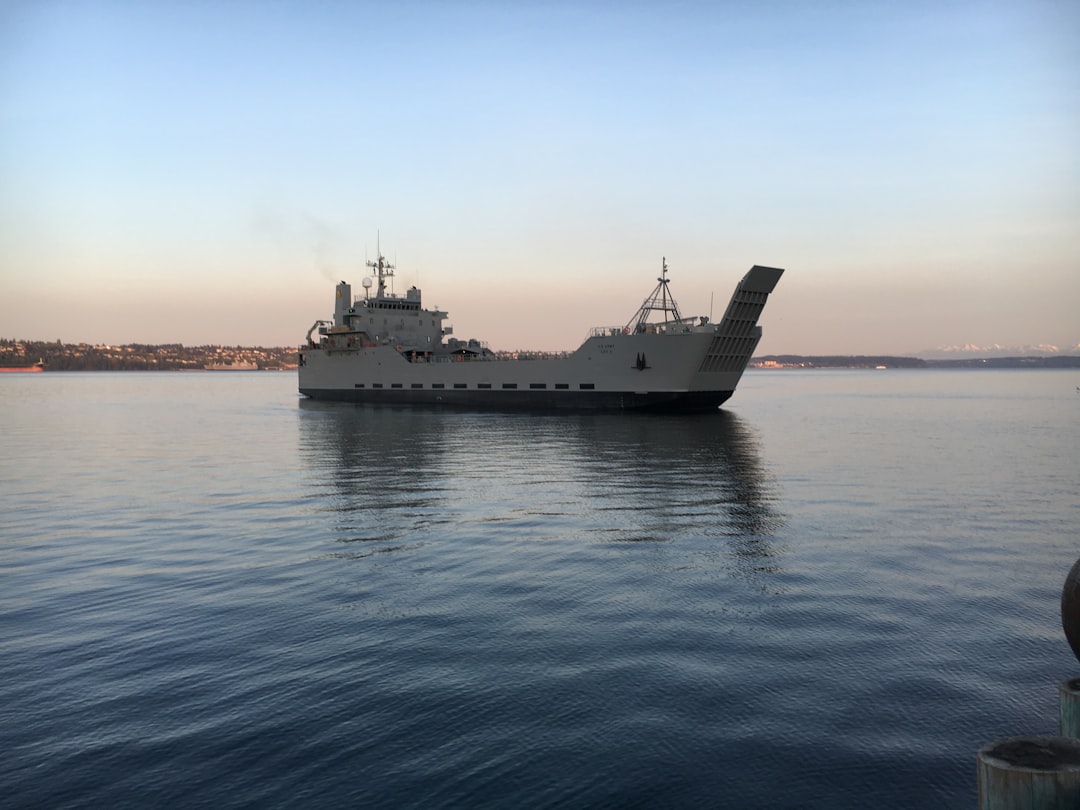
Maritime chokepoints are critical junctures in global trade routes where the movement of vessels is significantly constrained. These narrow passages, such as the Strait of Hormuz, the Suez Canal, and the Malacca Strait, serve as vital arteries for international shipping, facilitating the transport of goods, energy resources, and military assets. The strategic significance of these chokepoints cannot be overstated; they are often the focal points of geopolitical tensions and economic interests.
As global trade continues to expand, the importance of these maritime corridors has only intensified, making their security a paramount concern for nations and international organizations alike. The dynamics surrounding maritime chokepoints are complex and multifaceted. They are not only essential for commercial shipping but also play a crucial role in national security and military strategy.
Control over these passages can influence regional power balances and affect global supply chains. As such, understanding the geopolitical implications of maritime chokepoints is essential for policymakers and military strategists. The interplay between commerce, security, and international relations at these critical junctures underscores the need for robust security measures to ensure safe passage for vessels traversing these vital waterways.
Key Takeaways
- Maritime chokepoints are critical narrow passages essential for global trade and security.
- Securing these chokepoints is vital to prevent disruptions and ensure safe maritime navigation.
- NATO plays a key role in protecting maritime chokepoints through cooperation and strategic initiatives.
- Challenges include geopolitical tensions, piracy, and technological threats requiring adaptive strategies.
- NATO enhances maritime security via partnerships, advanced technology, training, and capacity building.
Importance of Securing Maritime Chokepoints
Securing maritime chokepoints is vital for maintaining the stability of global trade and ensuring the uninterrupted flow of goods and energy supplies. A significant portion of the world’s oil and gas shipments pass through these narrow passages, making them prime targets for piracy, terrorism, and geopolitical conflicts. Disruptions in these areas can lead to skyrocketing prices and economic instability, affecting not only the countries directly involved but also global markets.
Therefore, safeguarding these chokepoints is essential for economic security and the overall health of the international trading system. Moreover, the security of maritime chokepoints is intrinsically linked to national security interests. For many nations, control over these strategic waterways is crucial for projecting military power and ensuring the protection of their maritime borders.
The ability to secure these passages allows countries to safeguard their interests against potential threats, whether they arise from state actors or non-state entities. As such, the importance of securing maritime chokepoints extends beyond economic considerations; it encompasses broader issues of sovereignty, defense, and international stability.
NATO’s Involvement in Securing Maritime Chokepoints
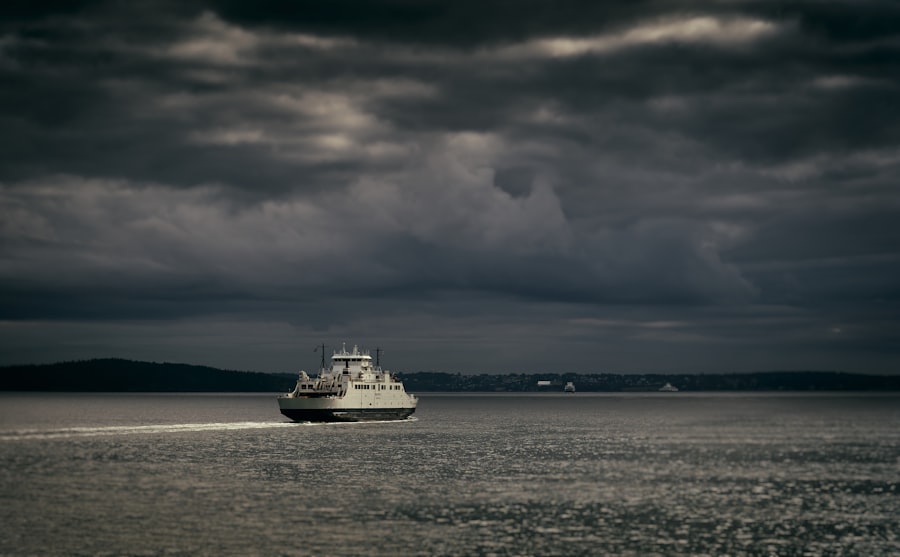
NATO has recognized the significance of maritime chokepoints in its strategic planning and operational frameworks. The alliance’s involvement in securing these critical areas stems from its commitment to collective defense and crisis management. By enhancing maritime security, NATO aims to deter potential aggressors and ensure that member states can navigate these vital routes without fear of disruption.
This commitment is reflected in various NATO operations and exercises designed to bolster maritime capabilities among its members. In recent years, NATO has undertaken several initiatives aimed at improving situational awareness and response capabilities in maritime chokepoints. These efforts include joint naval exercises, intelligence-sharing agreements, and the establishment of rapid response forces that can be deployed to address emerging threats.
By fostering collaboration among member states, NATO seeks to create a unified approach to securing these strategic waterways, thereby enhancing overall maritime security in the face of evolving challenges.
Challenges in Securing Maritime Chokepoints
Despite the concerted efforts to secure maritime chokepoints, numerous challenges persist that complicate these endeavors. One significant issue is the sheer volume of maritime traffic that passes through these narrow passages. The increasing number of vessels navigating these routes creates a higher risk of accidents, collisions, and environmental disasters.
Additionally, the diverse range of actors operating in these waters—ranging from commercial shipping companies to military forces—adds layers of complexity to security operations. Another challenge lies in the geopolitical tensions that often surround maritime chokepoints. Disputes over territorial waters and competing national interests can lead to confrontations between states, complicating efforts to maintain peace and security in these areas.
Furthermore, non-state actors such as pirates and terrorist organizations exploit vulnerabilities in maritime security, posing significant threats to vessels traversing these chokepoints. Addressing these multifaceted challenges requires a comprehensive approach that encompasses diplomatic efforts, military readiness, and international cooperation.
Strategies for Securing Maritime Chokepoints
| Maritime Chokepoint | Location | Strategic Importance | NATO Security Measures | Threat Level | Recent Incidents |
|---|---|---|---|---|---|
| Strait of Hormuz | Between Persian Gulf and Gulf of Oman | Critical oil transit route (~20% of global oil) | Naval patrols, intelligence sharing, joint exercises | High | 2019 tanker seizures, missile attacks |
| Bab el-Mandeb | Between Red Sea and Gulf of Aden | Key route for Europe-Asia shipping | Maritime surveillance, anti-piracy operations | Medium | Piracy incidents, regional conflicts |
| Strait of Malacca | Between Malaysia and Indonesia | One of the busiest shipping lanes globally | Information sharing, joint patrols with regional partners | Medium | Piracy and armed robbery reports |
| Gibraltar Strait | Between Atlantic Ocean and Mediterranean Sea | Gateway to Mediterranean, NATO southern flank | Naval presence, monitoring of maritime traffic | Low | Occasional smuggling attempts |
| Turkish Straits (Bosporus and Dardanelles) | Connecting Black Sea and Mediterranean | Vital for Black Sea access | Coordination with Turkey, monitoring naval movements | Medium | Increased military transit activity |
To effectively secure maritime chokepoints, a multifaceted strategy is essential. This strategy should encompass a combination of military presence, intelligence gathering, and diplomatic engagement. A visible naval presence can serve as a deterrent against potential aggressors while also providing reassurance to commercial shipping companies operating in these waters.
Regular patrols and joint exercises among allied naval forces can enhance interoperability and readiness to respond to emerging threats. In addition to military measures, intelligence-sharing among nations is crucial for identifying potential risks and coordinating responses. By leveraging advanced surveillance technologies and data analytics, countries can improve situational awareness in maritime chokepoints.
Furthermore, diplomatic efforts aimed at resolving disputes over territorial waters can help mitigate tensions and foster cooperation among nations with vested interests in these strategic passages.
NATO’s Role in Enhancing Maritime Security
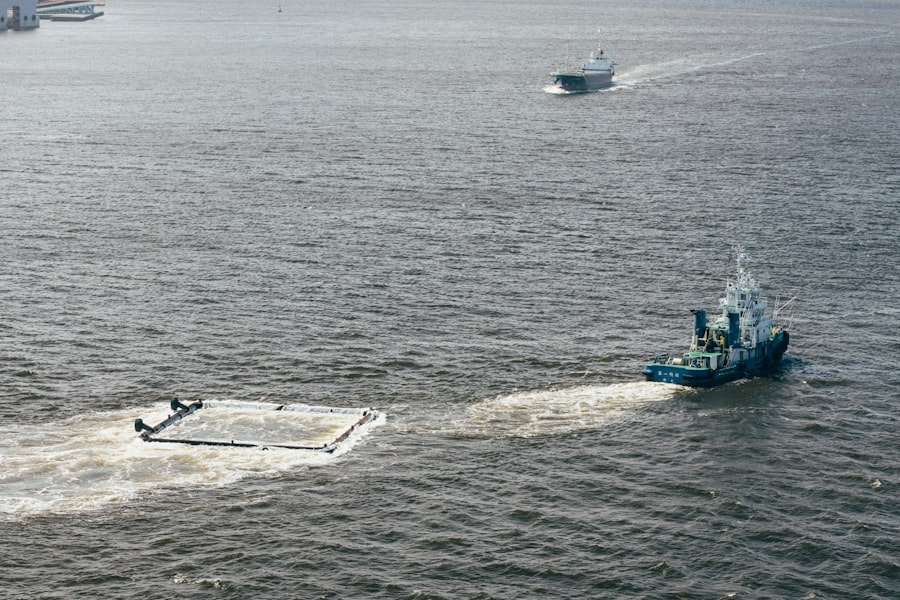
NATO plays a pivotal role in enhancing maritime security through its collective defense framework and operational capabilities. The alliance’s commitment to safeguarding member states extends to securing vital maritime chokepoints that are essential for global trade and national security. By coordinating efforts among member nations, NATO can effectively address emerging threats and ensure a unified response to challenges in these critical areas.
One of NATO’s key contributions to maritime security is its ability to conduct joint operations that enhance situational awareness and response capabilities. Through exercises such as “Noble Justification” and “Sea Guardian,” NATO demonstrates its commitment to maintaining freedom of navigation in key chokepoints while fostering collaboration among member states’ naval forces. These operations not only enhance military readiness but also serve as a platform for sharing best practices and lessons learned in securing maritime environments.
Cooperation with Partner Countries in Securing Maritime Chokepoints
Recognizing that many maritime chokepoints are situated near regions with complex geopolitical dynamics, NATO has actively sought partnerships with non-member countries to bolster security efforts. Collaborating with partner nations allows NATO to extend its reach and enhance collective capabilities in securing these vital waterways. Such partnerships can take various forms, including joint training exercises, intelligence-sharing agreements, and capacity-building initiatives.
By working closely with partner countries that have a vested interest in securing specific chokepoints, NATO can leverage local knowledge and expertise while fostering regional stability.
Technology and Innovation in Securing Maritime Chokepoints
The integration of technology and innovation into maritime security strategies has become increasingly important in addressing contemporary challenges faced at chokepoints. Advanced surveillance systems, unmanned aerial vehicles (UAVs), and artificial intelligence (AI) are transforming how nations monitor their waters and respond to potential threats. These technologies enhance situational awareness by providing real-time data on vessel movements and identifying suspicious activities.
Moreover, innovations in cybersecurity are essential for protecting critical maritime infrastructure from cyber threats that could disrupt operations at key chokepoints. As reliance on digital systems increases within the shipping industry, ensuring robust cybersecurity measures becomes paramount for safeguarding against potential attacks that could compromise navigational safety or disrupt supply chains.
Training and Capacity Building for Securing Maritime Chokepoints
Training and capacity building are integral components of effective maritime security strategies aimed at securing chokepoints. NATO recognizes that enhancing the skills and capabilities of naval forces is essential for maintaining a robust defense posture in these critical areas. Through various training programs and exercises, NATO provides member states with opportunities to improve their operational readiness and interoperability.
Capacity-building initiatives also extend beyond NATO member states to include partner countries that play a role in securing maritime chokepoints. By offering training programs focused on best practices in maritime security operations, intelligence sharing, and crisis management, NATO helps build a network of capable partners committed to safeguarding these vital waterways.
Future Outlook for NATO’s Role in Securing Maritime Chokepoints
Looking ahead, NATO’s role in securing maritime chokepoints will likely evolve in response to changing geopolitical dynamics and emerging threats. As global trade continues to expand and new challenges arise—such as climate change impacts on sea levels or increased competition for resources—NATO will need to adapt its strategies accordingly. This may involve enhancing partnerships with non-member countries or investing further in technological innovations that improve situational awareness.
Additionally, as hybrid warfare tactics become more prevalent, NATO may need to develop new frameworks for addressing unconventional threats that could disrupt maritime security at chokepoints. By remaining agile and responsive to evolving challenges, NATO can continue to play a crucial role in ensuring the safety and security of these vital maritime corridors.
The Continued Importance of NATO’s Role in Securing Maritime Chokepoints
In conclusion, the significance of securing maritime chokepoints cannot be overstated; they are essential for global trade, national security, and international stability. As geopolitical tensions persist and new challenges emerge, NATO’s role in safeguarding these critical areas remains vital. Through collective defense initiatives, partnerships with non-member countries, technological advancements, and capacity-building efforts, NATO continues to enhance maritime security.
The future will undoubtedly present new challenges that require innovative solutions; however, by maintaining a proactive approach to securing maritime chokepoints, NATO can ensure that these vital arteries remain open for commerce while safeguarding the interests of its member states and partners alike. The continued importance of NATO’s involvement underscores the necessity for collaboration among nations committed to preserving freedom of navigation and promoting stability in an increasingly interconnected world.
Maritime chokepoint security is a critical concern for NATO, especially given the strategic importance of key waterways in global trade and military operations. For a deeper understanding of the challenges and strategies involved in securing these vital maritime routes, you can read a related article on this topic at MyGeoQuest. This article explores the geopolitical implications and the role of NATO in ensuring the safety and security of maritime chokepoints.
WATCH THIS! The $10 Trillion Secret: What Happens If The Strait of Gibraltar Closes For Good
FAQs
What are maritime chokepoints?
Maritime chokepoints are narrow passages along widely used global sea routes that are critical for international trade and naval movement. Examples include the Strait of Hormuz, the Suez Canal, and the Strait of Malacca.
Why is security at maritime chokepoints important?
Security at maritime chokepoints is vital because these narrow passages are strategic vulnerabilities where disruptions can significantly impact global trade, energy supplies, and military operations.
What role does NATO play in maritime chokepoint security?
NATO contributes to maritime chokepoint security by conducting naval patrols, intelligence sharing, joint exercises, and cooperative security initiatives to ensure safe and secure passage for commercial and military vessels.
Which maritime chokepoints are of particular interest to NATO?
NATO focuses on several key chokepoints, including the Strait of Gibraltar, the Turkish Straits, and areas around the Mediterranean Sea, given their strategic importance to member states and global security.
How does NATO coordinate with other international organizations on chokepoint security?
NATO collaborates with organizations such as the European Union, the United Nations, and regional maritime coalitions to enhance maritime domain awareness, share intelligence, and conduct joint security operations.
What threats are commonly associated with maritime chokepoints?
Threats include piracy, terrorism, smuggling, territorial disputes, and potential military confrontations, all of which can disrupt maritime traffic and pose risks to international security.
How does NATO address the threat of piracy in maritime chokepoints?
NATO addresses piracy through naval patrols, escort missions, capacity-building programs for regional navies, and cooperation with international partners to deter and respond to pirate activities.
Can NATO’s maritime security efforts impact global trade?
Yes, by ensuring the security and freedom of navigation through critical chokepoints, NATO helps maintain the stability of global trade routes and energy supplies, which are essential for the world economy.
What technologies does NATO use to enhance maritime chokepoint security?
NATO employs advanced surveillance systems, maritime patrol aircraft, unmanned vehicles, satellite monitoring, and integrated command and control networks to monitor and secure maritime chokepoints.
Is maritime chokepoint security a permanent NATO mission?
Maritime chokepoint security is an ongoing priority for NATO, with missions and operations adapting to evolving threats and geopolitical developments to maintain safe and secure maritime environments.