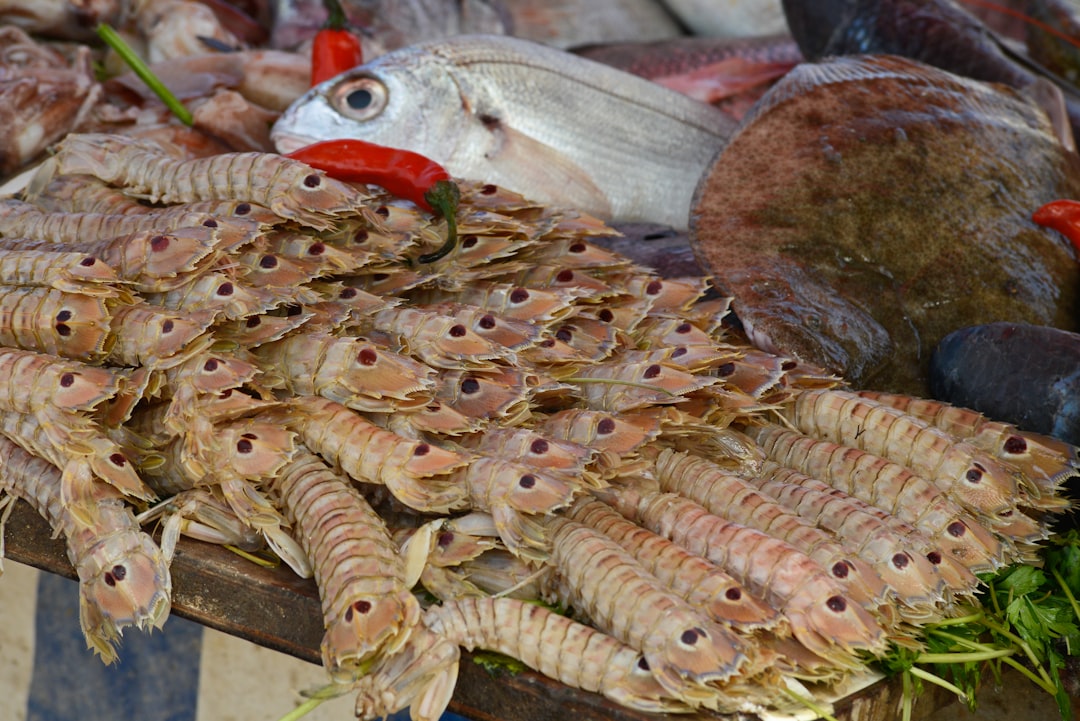
Sustainable fisheries management is crucial for the Mediterranean region, which is home to a rich diversity of marine life and a significant fishing industry. The Mediterranean Sea, often referred to as a biodiversity hotspot, supports numerous fish species that are vital for both ecological balance and human livelihoods. Effective management practices ensure that fish populations remain healthy and that the marine ecosystem is preserved for future generations.
This is particularly important in a region where fishing is not only an economic activity but also a cultural cornerstone for many coastal communities. Moreover, sustainable fisheries management plays a pivotal role in maintaining food security in the Mediterranean. With millions of people relying on fish as a primary source of protein, the depletion of fish stocks could have dire consequences for public health and nutrition.
By implementing sustainable practices, stakeholders can help ensure that fish populations are replenished and that fishing activities do not compromise the marine environment. This balance is essential for fostering resilience in both the ecosystem and the communities that depend on it.
Key Takeaways
- Sustainable fisheries management is crucial to preserving Mediterranean marine ecosystems and fish stocks.
- Overfishing and climate change are major threats depleting fish populations in the Mediterranean Sea.
- Implementing effective policies, marine protected areas, and sustainable fishing technologies can help restore fish stocks.
- Collaboration among governments, fishers, and consumers is essential for successful fisheries management.
- Promoting consumer awareness drives demand for sustainable seafood, supporting economic and social benefits.
Current Challenges Facing Fisheries in the Mediterranean
The Mediterranean fisheries sector faces a myriad of challenges that threaten its sustainability. One of the most pressing issues is overfishing, which has led to significant declines in fish populations. Many species are now classified as overexploited or depleted, which not only affects biodiversity but also jeopardizes the livelihoods of fishermen who depend on these resources.
In addition to overfishing, illegal, unreported, and unregulated (IUU) fishing poses a significant threat to sustainable fisheries management in the Mediterranean. IUU fishing undermines efforts to conserve fish stocks and can lead to severe ecological imbalances.
The lack of effective monitoring and enforcement mechanisms exacerbates this issue, making it difficult to hold offenders accountable. Furthermore, the impacts of climate change, such as rising sea temperatures and ocean acidification, are compounding these challenges, creating an urgent need for comprehensive strategies to address the multifaceted issues facing Mediterranean fisheries.
The Role of Overfishing in Depleting Mediterranean Fish Stocks
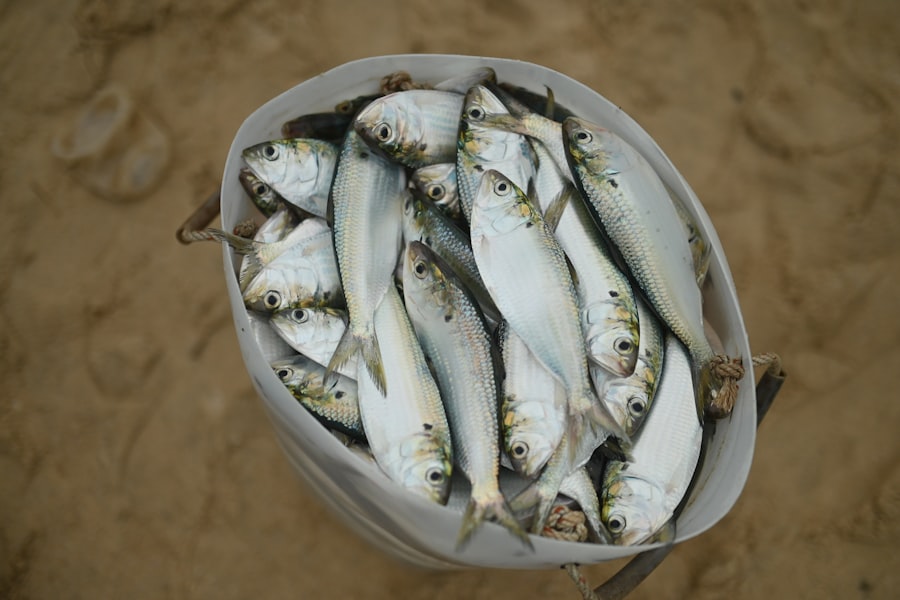
Overfishing has emerged as one of the most critical factors contributing to the decline of fish stocks in the Mediterranean Sea. The region has witnessed a dramatic increase in fishing pressure over the past few decades, driven by rising demand for seafood and advancements in fishing technology. As a result, many commercially important species have experienced significant population declines, leading to concerns about their long-term viability.
The consequences of overfishing extend beyond individual species; they disrupt entire ecosystems and threaten the delicate balance of marine life. The implications of overfishing are particularly pronounced for small-scale fisheries, which are often more vulnerable to fluctuations in fish populations. These fisheries play a vital role in local economies and food security, yet they lack the resources to compete with larger industrial fleets.
As fish stocks dwindle, small-scale fishermen face increasing challenges in sustaining their livelihoods. This situation highlights the urgent need for effective management strategies that prioritize the recovery of depleted stocks while supporting the communities that rely on them.
The Impact of Climate Change on Mediterranean Fisheries
Climate change poses a significant threat to Mediterranean fisheries, exacerbating existing challenges and introducing new uncertainties. Rising sea temperatures have been linked to shifts in fish distribution patterns, with many species migrating towards cooler waters. This phenomenon not only affects the availability of certain fish species but also disrupts traditional fishing practices and local economies that have relied on stable fish populations for generations.
As fish move into new areas, fishermen may find themselves grappling with unfamiliar species and changing catch compositions. Additionally, ocean acidification resulting from increased carbon dioxide levels poses a serious risk to marine ecosystems. Many shellfish species, which are crucial for both ecological balance and human consumption, are particularly vulnerable to changes in pH levels.
The decline of these species can have cascading effects throughout the food web, impacting predator-prey relationships and overall marine biodiversity. As climate change continues to unfold, it is imperative for stakeholders to adopt adaptive management strategies that account for these dynamic environmental changes.
The Need for Effective Fisheries Management Policies and Regulations
| Metric | Description | Value / Status | Source / Region |
|---|---|---|---|
| Maximum Sustainable Yield (MSY) | Estimated maximum catch that can be taken without depleting fish stocks | Varies by species; e.g., European hake ~ 20,000 tons/year | Mediterranean Sea, FAO GFCM |
| Fishing Effort Reduction | Percentage reduction in fishing effort to prevent overfishing | 15-30% reduction in trawling effort in key areas | Mediterranean fisheries management plans |
| Marine Protected Areas (MPAs) | Percentage of Mediterranean Sea designated as MPAs | ~10% coverage with sustainable fishing regulations | Barcelona Convention, UNEP/MAP |
| Bycatch Reduction | Implementation of selective gear to reduce bycatch | Bycatch reduced by up to 40% in some fisheries | EU Mediterranean fisheries reports |
| Stock Recovery Rate | Annual percentage increase in fish stock biomass after management | 5-10% increase in well-managed stocks | Scientific assessments, GFCM |
| Illegal, Unreported, and Unregulated (IUU) Fishing | Estimated percentage of total catch from IUU fishing | 10-20% of total Mediterranean catch | FAO reports |
| Use of Ecosystem-Based Management (EBM) | Adoption rate of EBM approaches in fisheries management | Increasing adoption; ~60% of management plans include EBM principles | Mediterranean fisheries policy reviews |
To address the myriad challenges facing Mediterranean fisheries, there is an urgent need for effective management policies and regulations. Comprehensive frameworks must be established to ensure sustainable fishing practices while balancing ecological health with economic viability. This includes setting scientifically informed catch limits, implementing seasonal closures to allow fish populations to recover, and enhancing monitoring and enforcement mechanisms to combat illegal fishing activities.
Moreover, stakeholder engagement is essential in developing these policies. Fishermen, conservationists, scientists, and policymakers must collaborate to create management plans that reflect the diverse interests and needs of all parties involved. By fostering a sense of shared responsibility and ownership over marine resources, stakeholders can work together towards achieving sustainable fisheries management that benefits both people and the environment.
Sustainable Fishing Practices and Technologies in the Mediterranean
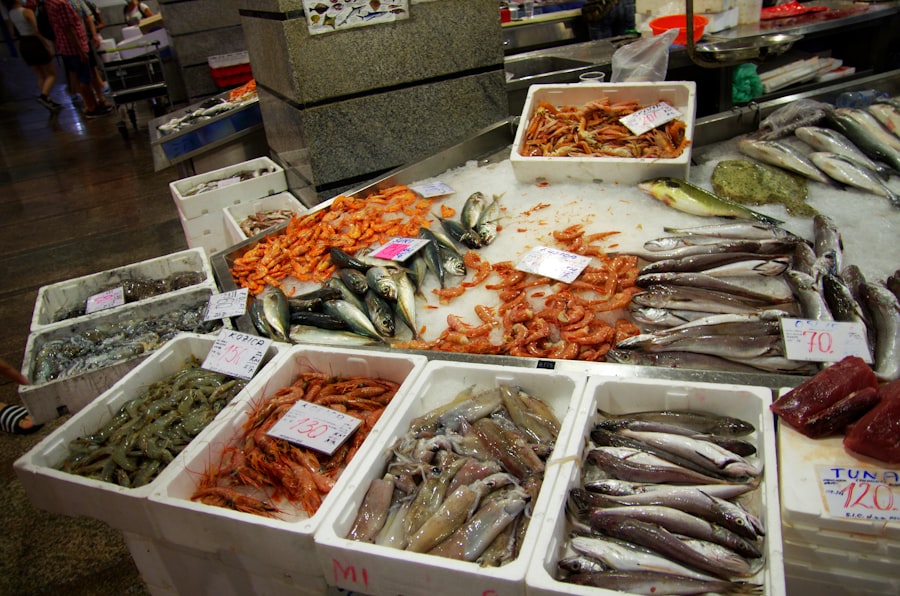
The adoption of sustainable fishing practices and technologies is vital for ensuring the long-term health of Mediterranean fisheries. Innovative approaches such as selective fishing gear can minimize bycatch and reduce the impact on non-target species. Additionally, practices like seasonal closures and rotational fishing areas allow fish populations to recover during critical breeding periods, promoting resilience within marine ecosystems.
Technological advancements also play a crucial role in promoting sustainability. For instance, satellite tracking systems can enhance monitoring efforts by providing real-time data on fishing activities and stock movements. This information enables more informed decision-making regarding catch limits and conservation measures.
Furthermore, initiatives that promote aquaculture as a sustainable alternative to wild capture fisheries can help alleviate pressure on overexploited stocks while providing economic opportunities for coastal communities.
The Role of Marine Protected Areas in Supporting Sustainable Fisheries
Marine Protected Areas (MPAs) have emerged as a key tool in supporting sustainable fisheries management in the Mediterranean. By designating specific regions as protected zones, stakeholders can create safe havens for marine life to thrive without the pressures of fishing activities. MPAs contribute to biodiversity conservation by allowing ecosystems to recover and regenerate, ultimately enhancing fish stocks within and around their boundaries.
Research has shown that well-managed MPAs can lead to increased fish populations and improved catch rates for surrounding fisheries. As fish migrate beyond protected areas, fishermen can benefit from healthier stocks while contributing to overall ecosystem resilience. However, the success of MPAs relies on effective governance and community involvement to ensure compliance with regulations and foster a sense of stewardship among local populations.
Collaborative Approaches to Sustainable Fisheries Management in the Mediterranean
Collaboration among various stakeholders is essential for achieving sustainable fisheries management in the Mediterranean. Governments, non-governmental organizations (NGOs), local communities, and the private sector must work together to develop integrated approaches that address the complex challenges facing fisheries. Collaborative initiatives can facilitate knowledge sharing, promote best practices, and enhance capacity building among stakeholders.
Regional cooperation is particularly important given the transboundary nature of many fish stocks in the Mediterranean Sea. Joint management agreements can help harmonize regulations across borders, ensuring that fishing practices are consistent and effective throughout the region. By fostering collaboration at multiple levels—local, national, and regional—stakeholders can create a more cohesive framework for sustainable fisheries management that benefits both people and marine ecosystems.
The Economic and Social Benefits of Sustainable Fisheries Management
Sustainable fisheries management offers numerous economic and social benefits that extend beyond mere conservation efforts. By ensuring healthy fish stocks and resilient ecosystems, stakeholders can secure livelihoods for millions of people who depend on fishing for their income and food security. Sustainable practices can also enhance market opportunities by catering to growing consumer demand for responsibly sourced seafood.
Furthermore, sustainable fisheries contribute to social cohesion within coastal communities by preserving traditional fishing practices and cultural heritage. When local populations are engaged in decision-making processes regarding resource management, they are more likely to invest in sustainable practices that benefit their communities in the long run. Ultimately, sustainable fisheries management fosters economic stability while promoting social equity among those who rely on marine resources.
The Role of Consumer Awareness and Demand in Promoting Sustainable Fisheries
Consumer awareness plays a pivotal role in promoting sustainable fisheries management in the Mediterranean. As consumers become more informed about the environmental impacts of their seafood choices, they increasingly seek out sustainably sourced products. This shift in demand encourages retailers and suppliers to prioritize responsible fishing practices and support initiatives aimed at conserving marine resources.
Labeling schemes and certifications can help guide consumers towards making informed choices when purchasing seafood. By choosing products that adhere to sustainability standards, consumers can contribute directly to the preservation of fish stocks and marine ecosystems. Additionally, educational campaigns aimed at raising awareness about overfishing and its consequences can empower individuals to advocate for sustainable practices within their communities.
The Future of Sustainable Fisheries Management in the Mediterranean
The future of sustainable fisheries management in the Mediterranean hinges on collective action and commitment from all stakeholders involved. As challenges such as overfishing and climate change continue to evolve, adaptive management strategies will be essential for navigating these complexities. Embracing innovative technologies, fostering collaboration among diverse groups, and prioritizing community engagement will be critical components of successful management efforts.
Looking ahead, there is hope for a more sustainable future for Mediterranean fisheries if stakeholders remain dedicated to implementing effective policies and practices. By prioritizing ecological health alongside economic viability, they can create a resilient fishing industry that supports both people and marine life for generations to come. Ultimately, sustainable fisheries management represents not just an environmental imperative but also an opportunity for social equity and economic prosperity within coastal communities across the Mediterranean region.
Sustainable fisheries management in the Mediterranean is crucial for preserving marine biodiversity and ensuring the livelihoods of local communities. One insightful article that discusses various sustainable practices in this region is available at this link. It highlights innovative strategies and collaborative efforts aimed at promoting responsible fishing and protecting vulnerable species, making it a valuable resource for anyone interested in the future of Mediterranean fisheries.
WATCH THIS! The $10 Trillion Secret: What Happens If The Strait of Gibraltar Closes For Good
FAQs
What is fisheries management in the Mediterranean?
Fisheries management in the Mediterranean involves regulating fishing activities to ensure the sustainable use of marine resources. It includes setting catch limits, protecting habitats, monitoring fish populations, and enforcing regulations to prevent overfishing and preserve biodiversity.
Why is sustainable fisheries management important in the Mediterranean?
Sustainable fisheries management is crucial in the Mediterranean because the region is a biodiversity hotspot with many commercially important fish species. Overfishing and habitat degradation threaten marine ecosystems and the livelihoods of coastal communities. Sustainable practices help maintain fish stocks, protect ecosystems, and support economic stability.
What are some common sustainable practices used in Mediterranean fisheries management?
Common sustainable practices include implementing catch quotas, seasonal closures to protect spawning periods, using selective fishing gear to reduce bycatch, establishing marine protected areas, and promoting community-based management approaches that involve local stakeholders.
How do marine protected areas (MPAs) contribute to sustainable fisheries in the Mediterranean?
MPAs help conserve critical habitats and allow fish populations to recover by restricting or regulating fishing activities within designated zones. This leads to increased biodiversity, healthier ecosystems, and spillover benefits where fish populations grow and expand into adjacent fishing areas.
What role do international agreements play in Mediterranean fisheries management?
International agreements, such as those under the General Fisheries Commission for the Mediterranean (GFCM) and the Barcelona Convention, provide frameworks for cooperation among Mediterranean countries. They facilitate coordinated management measures, data sharing, and enforcement to address transboundary challenges and promote sustainability.
How is climate change affecting fisheries management in the Mediterranean?
Climate change impacts fish distribution, reproduction, and ecosystem dynamics in the Mediterranean. Fisheries management must adapt by incorporating climate data, monitoring changes in species abundance, and adjusting regulations to ensure resilience and sustainability under changing environmental conditions.
What challenges exist in implementing sustainable fisheries management in the Mediterranean?
Challenges include illegal, unreported, and unregulated (IUU) fishing, limited enforcement capacity, conflicting interests among stakeholders, data gaps, and the complexity of managing diverse species and habitats across multiple jurisdictions.
How can local communities contribute to sustainable fisheries management in the Mediterranean?
Local communities can participate in decision-making, adopt responsible fishing practices, support monitoring and enforcement efforts, and engage in awareness-raising activities. Their traditional knowledge and vested interest in resource sustainability are valuable for effective management.
What is the impact of overfishing on Mediterranean marine ecosystems?
Overfishing leads to the depletion of key fish species, disrupts food webs, reduces biodiversity, and can cause the collapse of fisheries. It also affects the overall health and resilience of marine ecosystems, making them more vulnerable to other stressors like pollution and climate change.
Are there any technological innovations aiding sustainable fisheries management in the Mediterranean?
Yes, technologies such as satellite monitoring, electronic catch reporting, vessel tracking systems, and advanced data analytics are increasingly used to improve surveillance, compliance, and scientific assessments, enhancing the effectiveness of fisheries management.